Introducing a Labrador Puppy to an Older Dog
Bringing a bouncy, energetic Labrador puppy into a home where an older, established canine companion already resides can feel like walking a tightrope. You're thrilled about the new addition, but you also worry about how your resident dog will react to this furry little whirlwind, fearing that the peace and quiet you've cultivated might be shattered, or worse, that animosity could develop. This guide is here to help you navigate those crucial first weeks and months, ensuring that your new Labrador puppy and your older dog can not only coexist but ideally, build a happy, harmonious relationship.
Preparing Your Home and Your Older Dog for a New Arrival
Before your adorable Labrador puppy even crosses the threshold, thoughtful preparation is key to a smooth transition. Think of it as laying the groundwork for a successful diplomatic meeting between two very different individuals. Your older dog has likely enjoyed a certain status and routine, and introducing a new puppy means acknowledging that their world is about to change.
Health Checks and Vet Visits for Both Dogs
First things first, let's talk health. A new puppy, especially one coming from a different environment, can bring unexpected guests – parasites, viruses, or other little nasties – that you absolutely don't want to introduce to your older, potentially more vulnerable dog. Before the puppy arrives, make sure your older dog is up-to-date on all their vaccinations, deworming, and flea/tick prevention. A visit to the vet for a general check-up can also ensure they're in good health and can handle the potential stress of a new housemate. Caring for a Senior Labrador often involves keeping a close eye on their overall well-being, and this is no exception.
For your incoming Labrador puppy, insist on seeing their full veterinary records. They should have had their initial vaccinations and deworming. It's often recommended to have your new puppy checked by your vet within a few days of bringing them home, ideally before they've had extensive contact with your older dog. This is not about mistrusting the breeder or rescue, but simply taking proactive steps to protect all your furry family members. Health Checks in a Labrador Puppy's First Week are critical. You'll want to ensure both dogs are in tip-top shape to avoid any health complications compounding the stress of introduction.
Setting Up Safe Spaces for Each Dog
Imagine if a new roommate suddenly moved in and claimed your favorite armchair, your side of the bed, and your dinner plate. You wouldn't be thrilled, right? Dogs feel the same way about their resources and personal space. It's vital that both your older dog and your new Labrador puppy have their own designated, safe spaces where they can retreat and feel secure. This is especially true for the older dog, who might need a break from puppy exuberance, and for the puppy, who needs a secure den.
For your puppy, a crate is an invaluable tool. It becomes their personal den, a place to sleep, eat, and feel safe. You can find excellent crates on platforms like Amazon, offering various sizes to grow with your Labrador. Make sure it's big enough for them to stand up, turn around, and lie down comfortably, but not so big that they can relieve themselves in one corner and sleep in another. For your older dog, their bed, a quiet corner, or even a separate room can serve as their sanctuary. Use baby gates to create physical barriers, allowing the puppy to be confined to one area while the older dog has free roam of another. This "gate training" period is incredibly helpful in managing early interactions without constant direct supervision. Separate feeding areas are non-negotiable to prevent any resource guarding issues from developing.
Managing Your Older Dog's Routine and Attention
One of the biggest mistakes owners make is letting the new puppy completely disrupt the older dog's established routine. Your older dog relies on predictability, and sudden, drastic changes can be a major source of stress or resentment. Try your best to maintain their feeding schedule, walk times, and individual cuddle sessions. When the puppy first arrives, it's natural to be completely captivated by the new little one, but make a conscious effort to give your older dog even more attention and reassurance than usual.
Associate the puppy's arrival with positive experiences for your older dog. Give them extra treats, praise, and their favorite toys when the puppy is around, or after a calm interaction. This helps them build a positive association, rather than feeling like the new puppy is stealing all their thunder. If you suddenly stop playing their favorite game or going on their preferred walk because the puppy needs attention, your older dog might start to resent the newcomer. Remember, your older dog was there first, and their emotional well-being through this transition is paramount.
The First Meetings: Controlled and Positive Interactions
This is the moment many owners dread, but with careful planning and a calm demeanor, the initial face-to-face can be a positive step forward. The goal isn't immediate best friends; it's a calm, neutral introduction that allows both dogs to assess each other without feeling threatened or overwhelmed.
Neutral Territory Introductions
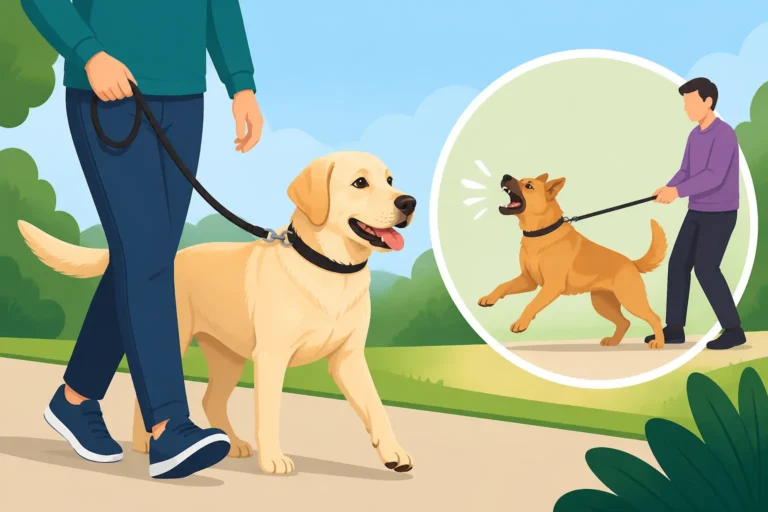
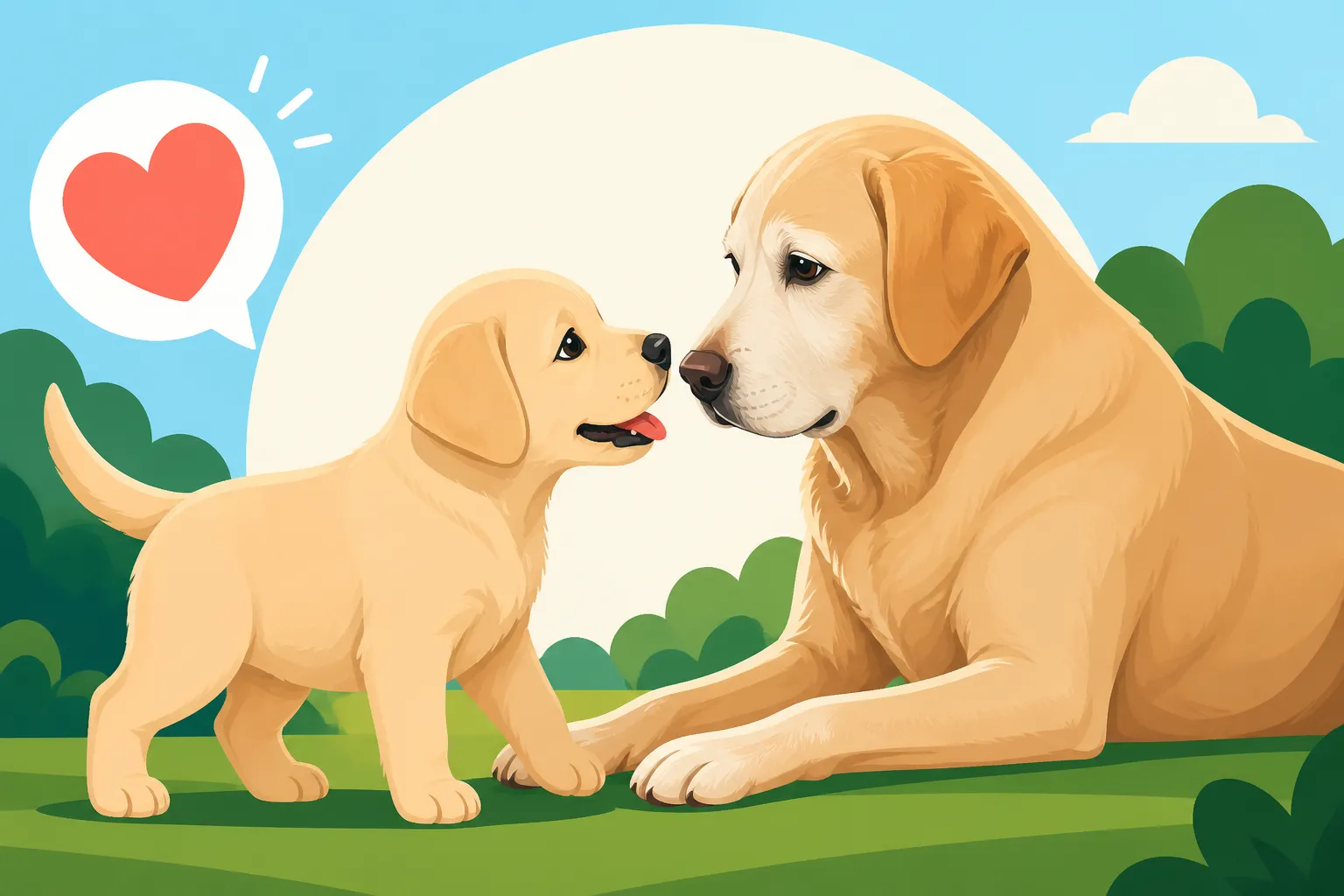
Bringing a new puppy directly into your older dog's living room can feel like an invasion. For the very first meeting, choose a neutral territory – somewhere outside the house where neither dog feels possessive. A quiet park, a friend's yard, or even just the sidewalk outside your home can work. Both dogs should be on leashes, handled by separate people. This allows you to maintain control and provides a sense of security for both animals.
Keep these first meetings short and sweet, maybe just 5-10 minutes. Allow them to sniff each other, walk a little distance apart, then come back for another sniff. Watch their body language closely. Are their tails wagging loosely, or are they tucked? Are their muscles relaxed, or tense? Are their ears back, or perked forward? The goal is a calm, curious interaction, not a frantic play session. If either dog shows signs of stress – stiff body, growling, lunging, hackles raised – calmly separate them and try again later, or make the next session even shorter. Avoid forcing interaction; let them set the pace.
Supervised Interactions and Body Language Cues
Once you've had a few successful neutral territory introductions, you can start supervised interactions indoors, always with leashes on initially, or in a securely gated area. Keep these sessions brief and positive. Reward calm behavior with praise and high-value treats. Avoid letting the puppy constantly pester the older dog, even if the older dog tolerates it. It's your job to advocate for both of them.
Learning to read your dogs' body language is crucial here. A happy, comfortable dog will often have a loose body, relaxed tail wag, soft eyes, and open mouth. Signs of discomfort or stress can include lip licking, yawning (when not tired), turning away, growling, snapping, or trying to hide. If your older dog is giving subtle "leave me alone" signals, like a hard stare or walking away, intervene before they feel they have to escalate. Gently redirect the puppy or separate them for a break.
| Body Language Cue | Older Dog Reaction (Potential) | Puppy Reaction (Potential) | Recommended Action |
|---|---|---|---|
| Loose Body, Wagging Tail | Relaxed, maybe curious | Playful, wiggly | Praise, offer small treat, allow continued supervised interaction |
| Stiff Body, Hard Stare | Annoyed, warning | May not notice, or back off | Separate dogs, redirect puppy, give older dog space |
| Lip Licking, Yawning | Stress, discomfort | Stress, overwhelm | Provide a break, reduce intensity, increase distance |
| Growling (low, rumbling) | Warning, "back off" | May be startled or egg on | Immediate separation, ensure safety, re-evaluate timing |
| Puppy Nipping, Jumping | Annoyance, irritation, pain | Playful, attention-seeking | Redirect puppy to appropriate toy, separate for a break |
| Hiding, Trying to Retreat | Overwhelmed, fearful | May pursue | Create physical barrier, allow older dog to rest |
Remember, every interaction should end on a positive note. Even if it's just a few minutes of quiet coexistence, that's a win.
Handling Puppy Nipping and Over-Exuberance
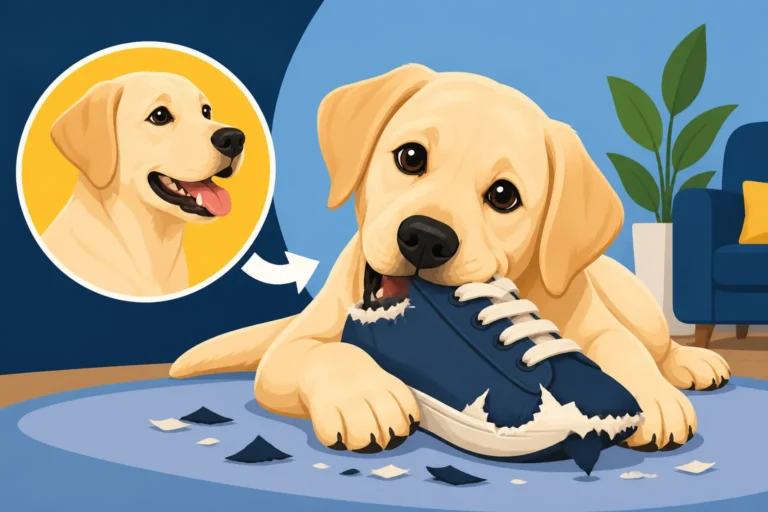
Labrador puppies are notoriously mouthy and full of boundless energy. They explore the world with their mouths, and to them, an older dog's ears, tail, or legs are just another chew toy. While some older dogs are incredibly patient, many will quickly tire of a persistent, nipping puppy. This is a common point of contention and frustration.
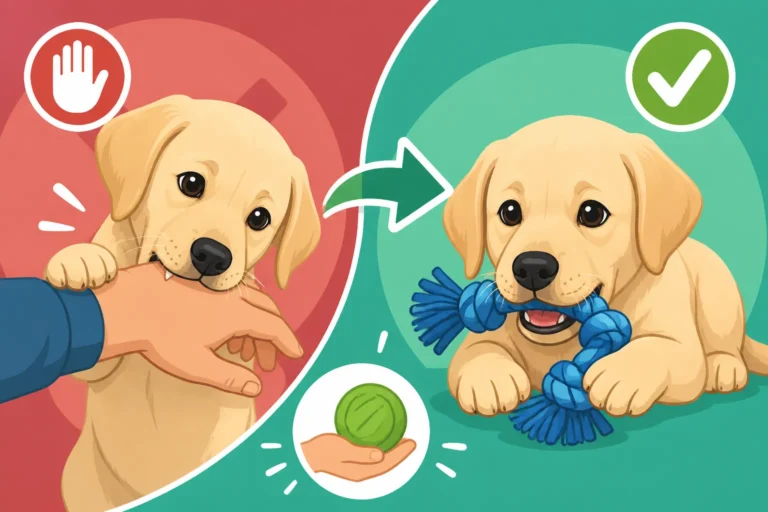
It's your responsibility to teach the puppy appropriate play and manners. If the puppy starts nipping or getting too rough with the older dog, step in immediately. Don't let the older dog be solely responsible for disciplining the puppy, as this can lead to fear or aggression. A sharp "No!" followed by redirecting the puppy to a suitable chew toy, or a short "time out" in their crate, can be effective. This is where a sturdy chew toy from a reputable brand like those found on Amazon can be a lifesaver. You can refer to Labrador Puppy Mouthing and How to Redirect It for more in-depth strategies. The BAXTER & Bella online puppy school also has excellent resources for teaching bite inhibition and managing puppy energy, which can be invaluable during this phase.
Ensure your older dog always has an escape route from the puppy's relentless attention. Raised beds, dog gates, or even just a quick redirect from you can provide relief. Don't let the puppy wear down your older dog to the point of snapping out of pure frustration. Respect both their needs for space and quiet.
Establishing Harmony: Living Together in the Long Run
Getting through the initial introductions is a huge step, but the work doesn't stop there. Integrating your Labrador puppy and older dog into a truly harmonious household takes ongoing effort, consistency, and a keen eye for their evolving relationship.
Feeding and Resource Management to Prevent Guarding
Food is often a high-value resource, and for food-motivated Labradors, this can be a particular point of tension. It's essential to prevent any resource guarding from developing, as this can quickly erode trust between the dogs and lead to serious altercations. Resource Guarding in Food-Driven Labradors is a real concern and needs proactive management.
Always feed your dogs in separate locations, ideally in separate rooms or crates, especially during the early stages. This eliminates any competition or stress around meal times. If you have multiple people in the household, have different people feed each dog. Once they've finished eating, pick up their bowls immediately. Avoid leaving food down for either dog to graze on, as this can encourage guarding behavior. The same goes for high-value treats or bones; give them only when the dogs are separated and supervised. When giving out general treats, make sure both dogs receive one simultaneously, or one after the other, to avoid one feeling left out. Puzzle feeders, which can easily be found on Amazon, can also slow down a speedy eater and make meal times more engaging for the individual dog, reducing the perception of competition. Puzzle Feeders That Slow a Greedy Labrador can be a fantastic tool here.
Training and Enrichment for Both Dogs
A tired dog is often a well-behaved dog, and a well-trained dog is a joy to live with. Both your Labrador puppy and your older dog need mental and physical stimulation, and incorporating this into their lives can prevent boredom and reduce friction.
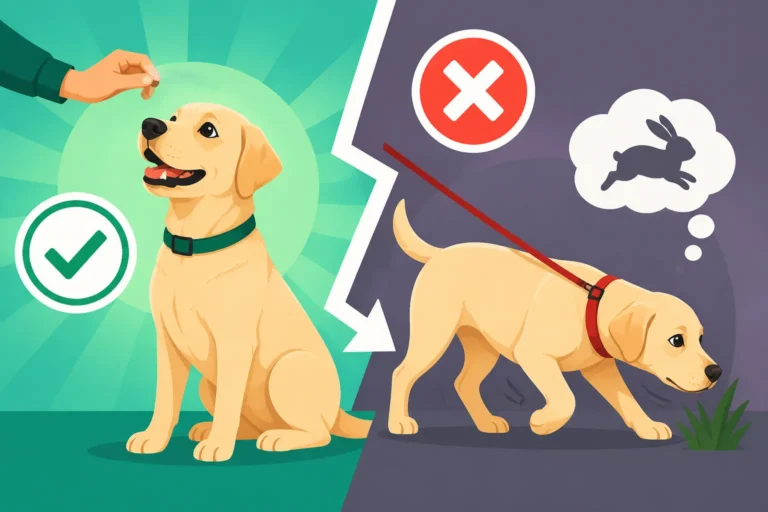
For your puppy, consistent, positive reinforcement training is essential. This builds their confidence, teaches them boundaries, and helps them understand their role in the family. Enroll in puppy classes or use online resources like BAXTER & Bella to work on basic commands like "sit," "stay," "come," and "leave it." Training a Labrador From Puppy to Adult is a long journey, but it starts with these foundational steps. Incorporate short training sessions throughout the day, ensuring the puppy is engaged and learning.
Don't forget your older dog! Continue their training and give them dedicated mental exercise. This could be revisiting old tricks, trying scent work, or going on a new kind of walk. A mentally stimulated older dog is less likely to become annoyed by a bored, mischievous puppy. Regular, individual walks are also important. The puppy can join on some walks, but your older dog still needs their special time with you, free from puppy distractions. Providing both dogs with their own set of appropriate chew toys and interactive games can help channel their energy productively and prevent them from vying for the same items.
Gradual Increase in Shared Space and Time
As your Labrador puppy matures and both dogs show consistent signs of comfort and positive interaction, you can gradually increase their shared space and unsupervised time. This is a slow process, not a sudden leap. Continue using baby gates to create physical separation when you can't actively supervise.
Start by allowing them to share a room for longer periods while you are present. Observe them closely. Are they resting near each other? Are they engaging in gentle, appropriate play? Are there any signs of tension or stress? Over time, you might allow them unsupervised time together for short periods, perhaps while you're in another room or out of the house for a very brief errand. However, always ensure that both dogs have access to their individual safe spaces, crates, or separate rooms, even when sharing a larger area. Never rush this process; a setback can undo weeks of progress. Consistency and patience are your best friends here.
Common Challenges and Troubleshooting
Even with the best intentions and preparations, integrating a new puppy can present challenges. It's important to recognize when things aren't going smoothly and to know what steps to take.
Signs of Stress in Either Dog
Dogs communicate through subtle cues, and it's vital for you to be fluent in their language. A stressed older dog might start avoiding the puppy, tucking their tail, trying to hide, showing lip licks or yawns, or even engaging in inappropriate urination or defecation. They might become more irritable, growl more frequently, or even snap at the puppy without apparent provocation. These are not signs of a "bad" dog; they are signs of a dog that is overwhelmed and needs your help.
A stressed puppy might be excessively whiny, destructive, have accidents in the house (even if previously potty-trained), or show Fearful Behavior in a Labrador. They might cling to you constantly, or conversely, become withdrawn and uninterested in play. Both scenarios indicate that the situation is causing them distress.
Action: If you see any of these signs, immediately reduce the intensity and duration of their interactions. Revert to more structured, separated time. Focus on one-on-one positive reinforcement with each dog. Ensure each dog has ample individual time with you, separate walks, and private feeding spaces. Sometimes, simply giving everyone a "decompression period" for a few days can reset the dynamic.
When to Seek Professional Help
There are times when even the most dedicated owner needs an extra hand. If you observe any of the following, it's time to call in a professional certified dog trainer or a veterinary behaviorist:
- Aggression: Any instances of serious growling, snapping, lunging, or actual bites resulting in injury (even minor) between the dogs. This is not something to "wait out."
- Persistent Fear: If your older dog remains consistently fearful or withdrawn despite your best efforts, or if your puppy is showing extreme anxiety.
- Constant Conflict: If the dogs seem unable to relax in each other's presence, with frequent low-level skirmishes, staring contests, or general tension.
- Resource Guarding Escalation: If attempts to manage feeding or toys lead to increased aggression.
- Damage to Property or Self-Harm: Excessive destructive behavior in the home, or self-mutilation (licking, chewing fur off) due to stress.
A professional can assess the specific dynamics in your home, help you understand the root cause of the issues, and provide a tailored plan of action. They can teach you management techniques, counter-conditioning, and desensitization exercises that can be incredibly effective in fostering a peaceful multi-dog household. Never hesitate to seek help; it's a sign of a responsible and caring pet owner.
| Strategy | Benefit | Potential Challenge |
|---|---|---|
| Separate Feeding | Prevents resource guarding, reduces mealtime stress. | Requires multiple feeding stations/rooms. |
| Crate Training Puppy | Provides safe space, aids potty training, offers breaks from older dog. | Puppy may dislike crate initially, requires consistency. |
| Neutral Introductions | Minimizes territorial aggression, allows calm assessment. | Requires off-site location and multiple handlers. |
| Leashed Interactions | Ensures control, allows for immediate separation if needed. | Can feel restrictive, needs vigilant supervision. |
| Individual Attention | Reassures older dog, builds bond with puppy, prevents resentment. | Time-consuming, requires conscious effort. |
| Redirection & Breaks | Teaches puppy appropriate behavior, protects older dog from harassment. | Requires constant vigilance, consistent intervention. |
Bringing a Labrador puppy into a home with an older dog is a journey, not a sprint. There will be good days and challenging days. By being patient, consistent, and proactive, you can help both your older dog and your new Labrador puppy build a bond that will enrich all your lives for years to come.
Disclaimer
This article is for general informational purposes only and does not constitute professional advice. Laws, prices and regulations vary by location and change over time. Consult a qualified professional for guidance on your specific situation.