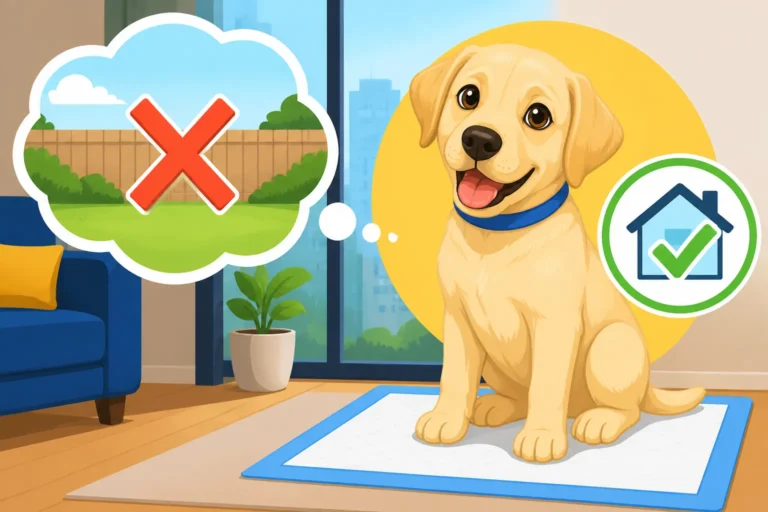
A Labrador Puppy’s First Night Home
Bringing home a brand-new Labrador puppy is one of the most exciting, yet simultaneously nerve-wracking, experiences a new pet parent can have. That first night can feel like a marathon of anticipation, tiny bladders, and sometimes, heartbreaking whimpers as your little furball adjusts to a world without its littermates. This guide is all about helping you navigate those crucial first hours and that challenging first night, setting both you and your Labrador up for a lifetime of happiness.
Preparing for Arrival: Setting the Stage for Success
Before your adorable Labrador puppy even steps a paw over your threshold, it’s absolutely vital to have everything in place. The more prepared you are, the smoother that first night, and indeed the first few days, will go for everyone involved. Rushing around at the last minute trying to find a suitable bed or cleanup supplies only adds stress to an already high-emotion time. Think of it as creating a comforting, predictable environment for a tiny being who’s just had their entire world turned upside down.
The Safe Space: Crate Setup and Location
Your Labrador puppy’s crate isn't a punishment tool; it's their safe, cozy den, a place where they can feel secure and have a moment of peace away from the hustle and bustle of a new home. Choosing the right crate and setting it up correctly is paramount. For a Labrador, you'll want a large wire or plastic crate that will accommodate them at their adult size, but critically, it needs a divider. A puppy needs just enough space to stand up, turn around, and lie down comfortably. If the crate is too big, they'll likely use one end as a potty area, which completely defeats the purpose of crate training.
The location of this den is also key for the first night. Many new owners find it incredibly helpful to have the crate in their bedroom, right next to their bed. While you might not want it there permanently, having your scent and sound nearby can provide immense comfort to a puppy missing its mother and siblings. You can gently place your hand near the crate without opening it, offering a reassuring presence. Inside the crate, add some soft bedding – a plush blanket or an old t-shirt that smells like you can be incredibly comforting. A durable chew toy, one that's safe to be left unattended, is also a good addition to help them self-soothe. Remember, this isn't just a cage; it's their first bedroom in their new home.
Essential Supplies for the First Night
It's amazing how much "stuff" a tiny creature needs, isn't it? Beyond the crate, there’s a whole list of items that will make the first night, and subsequent days, much easier. First and foremost, you need the food your puppy has been eating at the breeder's. Changing food abruptly can cause tummy upsets, which are the last thing you want when you're also trying to potty train. Have sturdy food and water bowls ready. Stainless steel or ceramic bowls are often recommended for durability and hygiene.
Next up, cleaning supplies are your absolute best friend. Accidents will happen, especially on the first night, so having an enzymatic cleaner on hand is non-negotiable. These cleaners break down the enzymes in urine, eliminating the odor that might otherwise encourage your puppy to return to the same spot. A comfortable, lightweight collar and a leash are essential for those frequent potty trips. Don't forget the poop bags, because responsible pet ownership starts on day one! Stock up on a variety of chew toys – Labs are notorious chewers, and redirecting that natural instinct early is critical. What a New Labrador Owner Should Buy First can give you even more ideas. Many new pet parents find it convenient to order these essentials online through retailers like Amazon, ensuring everything arrives before the big day.
The First Few Hours: Navigating New Territory
The moment your Labrador puppy arrives home is exhilarating, but it’s important to manage that excitement. While you might want to immediately shower them with cuddles and introduce them to every nook and cranny of your home, a calmer approach is always best. Remember, this is a massive sensory overload for a little pup.
Calm Arrival and Initial Exploration
When you first bring your Labrador puppy home, resist the urge to throw a welcome party. Keep the arrival low-key and quiet. Your puppy has likely had a long, possibly stressful journey. The very first thing you should do upon arrival is take them directly to the designated potty spot outside. Don't even let them step inside the house first. This helps establish good habits right from the start. Once they've successfully pottied (and you've lavished them with praise!), bring them inside and allow them to explore a small, puppy-proofed area of your home on a leash. This could be just the living room or kitchen, not the entire house. Too much space can be overwhelming and make potty training harder.
Avoid over-handling or too much intense play during these initial hours. Let them sniff around, get accustomed to the new sounds and smells, and maybe even find a comfy spot for a short nap. If the breeder provided a feeding schedule, stick to it religiously. This consistency provides a sense of predictability and security for your puppy, and it also helps you anticipate when they'll need to go to the bathroom. A tired, overwhelmed puppy can be a cranky puppy, so gentle supervision and quiet observation are your best tools.
Potty Training Boot Camp, Day One
Potty training is likely to be your primary focus during the first night and the entire first week. Labs are intelligent and eager to please, which can make potty training easier, but consistency on your part is key. For a young puppy, this means frequent, almost relentless, potty breaks. Plan to take your puppy out every 30-60 minutes, especially after waking up from a nap, immediately after eating or drinking, and after a play session. Even if you just took them out, and five minutes later they wake from a snooze, out they go again!
When you take them out, go to the same designated spot every single time. This helps them associate that specific area with relieving themselves. When they do their business outside, praise them like they've won the lottery, offer a high-value treat, and make it clear they've done something wonderful. If accidents happen indoors – and they absolutely will – do not punish your puppy. They don't understand yet. Simply clean it up thoroughly with an enzymatic cleaner to eliminate lingering odors. For a detailed roadmap, check out Potty Training Schedule for a Labrador Puppy. Remember, patience is your most important virtue here.
Surviving the First Night: Crying, Comfort, and Sleep
Ah, the first night. This is often where the real challenge lies, and it's where many new puppy owners start to feel overwhelmed or guilty. It’s a completely natural phase, but understanding why your puppy is crying can help you respond appropriately and empathetically.
Addressing the Nighttime Whimpers and Cries
When your Labrador puppy starts to whimper or cry in their crate during the first night, it can feel like tiny daggers to your heart. It’s completely normal, even expected. Imagine being a tiny creature, suddenly separated from everything familiar – your mom, your siblings, the comforting smells and sounds of your birth home. Now you’re in a strange, new place, alone in a crate. Of course, you’re going to be scared and lonely! The crying is their way of expressing distress and calling for their family.
While it’s crucial not to reinforce crying for attention by immediately opening the crate and letting them out for cuddles, it's equally important not to ignore genuine distress. If the crying persists, try a gentle, reassuring voice first. Sometimes just hearing your voice is enough. You can also offer comfort items. A "Snuggle Puppy" toy, which often has a simulated heartbeat, can be incredibly soothing. A blanket or towel that has the scent of their mother or littermates, if you were able to get one from the breeder, can also work wonders. Placing the crate close to your bed, as mentioned earlier, means your presence can be a quiet comfort. For more strategies on this, you might find Settling a Labrador Puppy Who Cries in the Crate very helpful.
Overnight Potty Breaks and Getting Back to Sleep
A young Labrador puppy simply cannot hold their bladder all night long. You will need to get up for overnight potty breaks, likely one or two, especially for puppies under 12-14 weeks old. The key here is to make these trips as boring and business-like as possible. When your puppy wakes up and starts to stir or whimper, quietly take them outside to their designated potty spot. Don't turn on all the lights, don't engage in play, and don't make it a social event. The goal is to get them to do their business and then immediately return them to their crate.
Once they’ve pottied, offer quiet praise, and then it’s straight back into the crate for more sleep. The less exciting you make these nocturnal excursions, the more quickly your puppy will learn that nighttime is for sleeping, and potty breaks are strictly for business. Over time, as their bladder control improves, you'll be able to gradually extend the time between breaks. Consistency in these quiet, predictable potty trips is essential for successfully getting through the night. For more specific guidance on timing, check out Overnight Potty Breaks for a Labrador Puppy.
Establishing a Routine from Day One
Labradors thrive on routine and predictability. Establishing a consistent schedule from day one is one of the kindest things you can do for your puppy, and for your own sanity! A predictable routine helps them understand what to expect and when, reducing anxiety and making training much smoother. This means consistent times for waking up, potty breaks, meals, play, training sessions, and bedtime.
For example, your routine might look something like this: wake up, immediate potty break, breakfast, play, potty break, nap in crate, potty break, short training session, play, potty break, lunch, nap in crate, etc., until the final potty break right before bed. This structure provides security and helps your puppy develop good habits. Even if you're feeling exhausted, try your best to stick to the schedule. Dogs are creatures of habit, and your Labrador will quickly learn the rhythm of your home. It might feel like a lot of effort initially, but it pays dividends in the long run. The sooner you establish this rhythm, the sooner your puppy will feel truly at home and settled. Getting a Labrador Puppy to Sleep Until Morning delves deeper into establishing healthy sleep patterns. For those looking for structured guidance on routine, online training programs, like those offered by BAXTER & Bella, often provide sample schedules and support for new puppy owners.
Common Challenges and Troubleshooting
The first night, and indeed the first few weeks, with a Labrador puppy will inevitably come with a few bumps in the road. It's not always sunshine and rainbows, and expecting perfection will only lead to frustration. Understanding common puppy behaviors and having a plan to address them can make a huge difference.
Nipping and Biting: Redirecting Play
Labrador puppies, like all puppies, explore the world with their mouths. They also play-bite with their littermates, which is how they learn bite inhibition. When they come home, your hands, ankles, and pant legs might become their new favorite "toys." This mouthing and nipping can be painful, especially for children, and it's something you need to address immediately but gently.
The key is redirection. Always have a variety of appropriate chew toys readily available. When your puppy mouths you, immediately redirect them to a toy. If they nip too hard, let out a high-pitched "ouch!" or "yip!" sound, just like another puppy would, and immediately withdraw your attention for a few seconds. This teaches them that hard biting ends the fun. Consistency from every family member is crucial for this to work. Never use your hands as toys, and avoid wrestling games that encourage mouthing. Understanding Why a Labrador Puppy Bites Hands and Sleeves can help you approach this common behavior effectively.
Overwhelm and Puppy Fatigue
It’s easy to forget that while puppies have bursts of incredibly high energy, they also need an enormous amount of sleep – often 18-20 hours a day! New environments, new smells, new sounds, and constant human interaction can be incredibly stimulating and exhausting for a young Labrador. An overtired or overstimulated puppy can quickly become cranky, nippy, and difficult to manage.
It's your job to enforce naps. If your puppy has been awake and playing for an hour or so, especially after a meal or a potty break, it’s probably time for them to go into their crate for a nap. Don't wait until they're collapsing from exhaustion or getting into trouble. Quietly guide them into their crate, and let them rest. You'll often find that after a good nap, they wake up refreshed, happier, and much more receptive to training. Watch for signs of overstimulation like frantic running, excessive nipping, or ignoring commands they usually know. Knowing How Long a Labrador Puppy Can Concentrate will also help you gauge appropriate play and training session lengths.
Leveraging Training Resources
No matter how many dogs you've had, or how much you've read, bringing a new puppy home can still feel overwhelming. This is where leveraging good training resources comes in. There are countless books, online courses, and local puppy classes that can provide invaluable guidance and support. Online programs, such as those from BAXTER & Bella, offer structured lessons, live Q&A sessions, and a community of other new puppy parents, which can be a real lifesaver when you're feeling lost.
These resources can help you with everything from advanced potty training tips to understanding canine body language, making recall bulletproof, and dealing with common puppy behaviors. Think of it as investing in your puppy's future and your peace of mind. A well-trained Labrador is a joy to live with, and starting early with positive reinforcement methods sets the foundation for a strong, lifelong bond. Don't be afraid to seek help; learning is a continuous process for both you and your furry companion. Small, consistent efforts in training and socialization will pay huge dividends, as outlined in articles like Short Training Sessions That Suit a Labrador.
Here's a sample schedule to help you visualize a puppy's first night and day:
| Time | Activity | Notes |
|---|---|---|
| Arrival | Immediate Potty Break | Take puppy directly to designated spot outside. Praise heavily. |
| 1st Hr | Quiet Exploration & Water | Supervised in a small, puppy-proofed area. No food yet. |
| 2nd Hr | Meal Time | Offer small amount of familiar food. Immediate potty break after. |
| 3rd Hr | Play & Short Training | Gentle play, 5-minute training. Immediate potty break after. |
| 4th Hr | Nap Time (Crate) | Enforce nap in crate, keep quiet. |
| Every 1-2 Hrs | Potty Break | Take out regularly, especially after naps, food, play. |
| Evening | Dinner, Play, More Potty Breaks | Last meal 2-3 hours before bed. Active play to tire them out. |
| Bedtime | Final Potty Break | Right before putting puppy in crate for the night. |
| Overnight | Expected Potty Break(s) | Quiet, no-fuss trip outside, then immediately back to crate. |
| Morning | Immediate Potty Break (First thing!) | As soon as puppy wakes up. Big praise! |
This schedule is a general guideline; adjust it to your puppy’s age, energy level, and individual needs. Remember, consistency is the magic word!
Disclaimer
This article is for general informational purposes only and does not constitute professional advice. Laws, prices and regulations vary by location and change over time. Consult a qualified professional for guidance on your specific situation.