Dock Diving With a Labrador Retriever
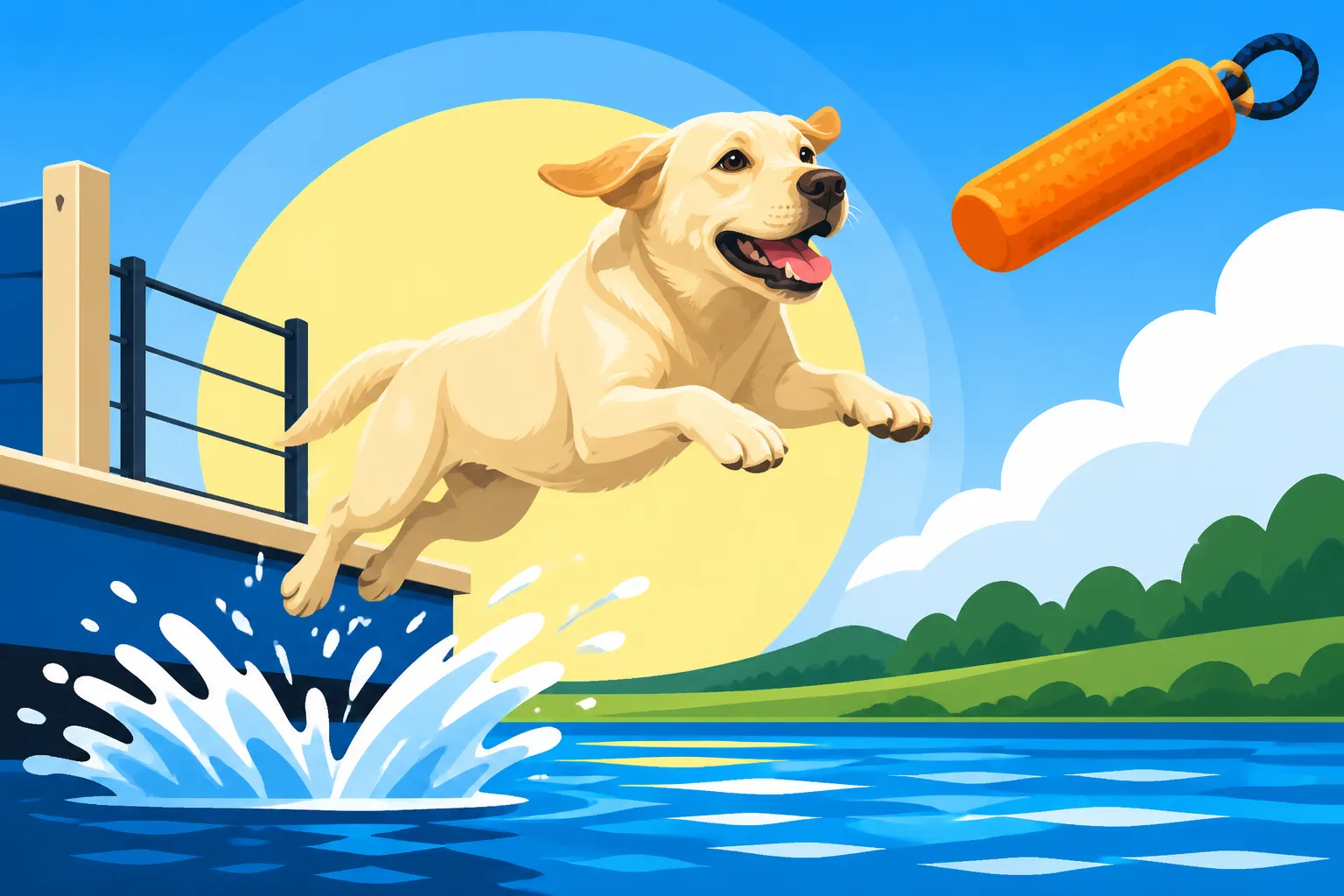
Watching your Labrador launch themselves off a dock, sailing through the air with unbridled joy before splashing into the water to retrieve a toy, is truly a sight to behold. For many Labrador owners, the sheer enthusiasm our dogs show for water and retrieving can sometimes feel like an untapped superpower, leaving us wondering how to channel all that boundless energy. This guide is here to demystify the exciting world of dock diving, helping you understand how to safely introduce your water-loving Lab to this thrilling sport and perhaps even compete.
What is Dock Diving and Why Labradors Absolutely Love It?
Dock diving, often called dock jumping or leaping, is a canine sport in which dogs run the length of a dock and jump as far or as high as they can into a body of water, usually a swimming pool or pond. It’s a competitive sport, but it's also a fantastic recreational activity and a wonderful way to bond with your dog, especially if you have a Labrador Retriever. When you look at the fundamental elements of dock diving—running, jumping, swimming, and retrieving—it's like a tailor-made activity for our beloved Labs. They were literally bred for this kind of work, combining incredible athleticism with an innate drive to fetch.
The Instinctive Connection to Water and Retrieve
Labrador Retrievers have a deep-seated history as working dogs, originally assisting fishermen in the icy waters off Newfoundland by retrieving lost fishing lines, nets, and fish. This heritage means they come pre-programmed with a love for water, a strong retrieving drive, and powerful swimming abilities. Their webbed feet, rudder-like "otter" tails, and dense, water-resistant double coats are all evolutionary marvels designed for aquatic work. So, when your Lab sees a dock leading to a cool body of water, with you holding their favorite toy, every fiber of their being screams, "Let's go!" It’s not just a game; it's a profound connection to their ancestry.
Think about it: how many times have you tossed a ball into a puddle, only for your Labrador to enthusiastically pounce after it, oblivious to the mud? This intrinsic joy for water and retrieving is precisely why Labs excel and find immense satisfaction in dock diving. It taps into their natural talents and provides a wonderful outlet for their incredible energy. You'll often see them trembling with excitement at the edge of the dock, ready for the signal. It’s an ideal sport for their physical and mental well-being, allowing them to burn off steam and engage their problem-solving skills, even if it's just figuring out the best launch angle for that favorite rubber ducky.
Different Types of Dock Diving Disciplines
Dock diving isn't just about how far your dog can jump; there are a few exciting variations that cater to different strengths and preferences. Understanding these can help you decide which aspect your Labrador might enjoy most, or even discover a new favorite challenge.
The most common discipline, and often the first one people think of, is Big Air. This is a long jump competition where the distance is measured from the end of the dock to where the base of the dog's tail breaks the water's surface. Your Labrador gets a running start, leaps, and the goal is simply to go as far as possible. It’s a pure test of their launch power and hang time.
Then there's Extreme Vertical, which is all about height. In this discipline, a toy is suspended high above the water at the end of the dock, and the dog has to jump up and snatch it. The height is increased until the dog can no longer reach the toy. This is a spectacular event to watch, showcasing a Labrador’s incredible vertical leap. You might be surprised how high your dog can go when motivated by a dangling squeaky toy!
Finally, we have Speed Retrieve, a timed event where the dog starts at one end of the dock and runs, jumps, and swims to retrieve a toy suspended at the far end of the pool. The clock stops when the dog grabs the toy. This tests not only their speed and agility on the dock but also their swiftness in the water. It's a real thrill, a burst of action that highlights the Labrador's natural ability to be quick and efficient in water. Each discipline offers a unique challenge and a chance for your Lab to shine.
Getting Started with Dock Diving Training
So, you're convinced your Labrador could be the next dock diving champion, or at least have a blast trying! That's fantastic! The good news is, for a breed like the Labrador, a lot of the foundational skills are already there. It's more about refining those instincts and building confidence in a new, exciting environment. You don't need a fancy dock or an Olympic-sized pool to start. Much of the early training can happen right in your backyard or at a local pond.
Building Confidence and Drive for the Water
Before you even think about a dock, ensure your Labrador is absolutely comfortable and confident in the water. For many Labs, this is a given, but some might need a bit more encouragement, especially if they haven't had much exposure beyond a shallow kiddie pool. Start with easy, fun water games in a safe, shallow area. Toss their favorite floating toy just a few feet away and encourage them to go get it. Praise them lavishly for every foray into the water. If your dog is a bit hesitant, you can even wade in with them, making it a shared, positive experience. Don't force them; the goal is to associate water with pure joy and fun.
Once they're happy in shallow water, gradually move to deeper areas. Many Labs take to swimming like, well, ducks to water, but if yours is still a little unsure, a Life Jackets for a Labrador in Open Water can provide extra buoyancy and confidence. It allows them to focus on the retrieving fun without worrying about staying afloat. Remember, consistent positive reinforcement, tasty treats, and lots of enthusiastic cheers will be your best tools here. You want to build an unstoppable drive for the retrieve, no matter where the toy lands. For some comprehensive guidance on getting your pup comfortable with water, check out Teaching a Labrador to Swim and Retrieve Water.
Introducing the Dock and the Jump
Once your Lab is a confident swimmer with a strong retrieve, it's time to introduce the dock itself. For the first few sessions, don't even worry about jumping. Just let them walk on and off the dock, sniff around, and get comfortable with the surface. Many facilities will have a ramp for easy entry and exit, which is great for building initial familiarity. Toss toys from the dock into the water, letting them walk down the ramp to retrieve. The idea is to make the dock another part of their fun water play.
When they’re completely at ease on the dock, you can start encouraging the jump. The key here is to leverage their retrieve drive. Stand at the end of the dock with their favorite floating toy. Hold it out, get them excited, and then toss it a short distance into the water. Most Labs, fueled by their desire for the toy, will take that first leap. It might be a small hop, or it might be an ungraceful plop, but celebrate it like they just won gold! Gradually increase the distance you throw the toy, encouraging a longer, more powerful jump. Some dogs are what we call "power jumpers" – they run and leap on their own. Others are "hydro-boosters" – they need you to throw the toy when they’re already off the dock, encouraging them to stretch further for it. Experiment to see what works best for your individual Lab. Training sessions should always be short, fun, and end on a high note, leaving your dog wanting more. Retrieving Games That Tire a Labrador can provide more ideas for building that drive.
Essential Gear and Safety for Dock Diving
While dock diving seems like pure, unadulterated fun, there are some practical considerations, especially regarding gear and safety. Just like any athletic endeavor, a little preparation goes a long way in ensuring both you and your Labrador have a positive and secure experience.
Must-Have Gear for the Dock
You don't need a ton of specialized equipment to start dock diving, which is great! The essentials are typically easy to acquire.
First and foremost, you'll need floating retrieve toys. These are crucial because they need to be visible to your dog in the water and buoyant enough to stay on the surface. Think rubber bumpers, large tennis balls designed for dogs, or floating rings. Avoid anything that sinks quickly or is too small to spot easily. Having a few identical toys can be helpful for back-to-back retrieves. Many excellent options are available on online retailers like Amazon, from durable rubber balls to bright, high-visibility bumpers.
Next, consider a well-fitting harness for your Labrador. While you won't typically use a leash on the dock for the jump itself, a harness is invaluable for safely guiding your dog to and from the dock, especially in busy areas or when they’re super excited. It also gives you a good handle if you need to quickly assist them. Make sure it's comfortable and doesn't restrict their movement.
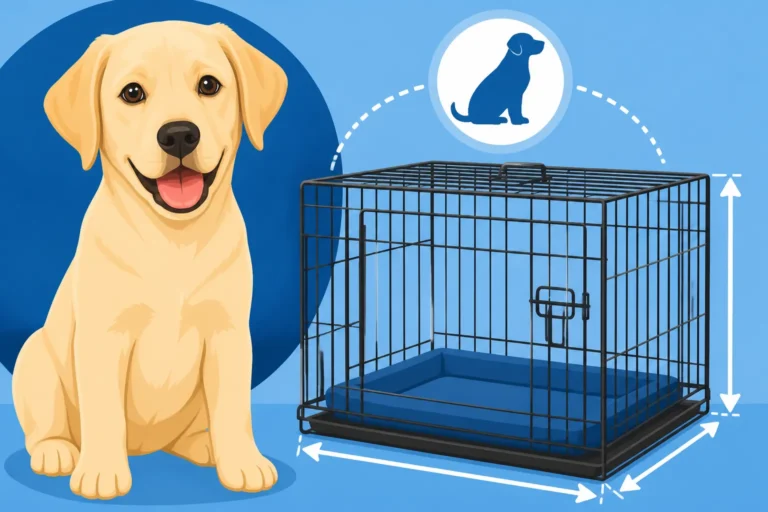
A crate or secure resting area is also vital, especially if you plan on attending events or training sessions where you'll be spending a few hours. This gives your Lab a quiet, safe space to rest between jumps, stay out of the sun, and cool down. Hydration is also key, so always bring plenty of fresh water and a bowl. High-value training treats are also a great idea for rewarding good behavior and successful jumps.
Here’s a quick rundown of gear:
| Item | Purpose | Notes |
|---|---|---|
| Floating Retrieve Toys | Motivates dog to jump and retrieve | Brightly colored, durable rubber, balls, or bumpers |
| Well-Fitting Harness | Safe handling to and from the dock | Ensures comfort, does not restrict movement |
| Crate/Secure Area | Resting, cooling down between jumps | Essential for multi-dog or multi-session events |
| Fresh Water & Bowl | Hydration is critical | Especially on warm days or during intense activity |
| High-Value Training Treats | Rewards and positive reinforcement | Helps build and maintain enthusiasm for the activity |
| Towels | Drying off after jumping | Keeps your car and your dog cleaner |
| Sunscreen (for humans) | Protect yourself at outdoor venues | You'll be spending time outside too! |
| First-Aid Kit | Minor cuts, scrapes, paw pad issues | Accidents can happen, it's good to be prepared |
Safety Considerations for Your High-Flying Lab
Safety should always be your top priority. Dock diving is usually very safe, but there are a few things to keep in mind, especially with a boisterous Labrador.
Warm-up and Cool-down: Just like any athlete, your Labrador needs a proper warm-up before intense activity. A brisk walk or some light fetch on land will get their muscles ready. After jumping, a gentle cool-down walk and some stretching can help prevent stiffness. This is particularly important for active breeds like Labs, especially as they get older, to help prevent issues like Labrador Arthritis in Middle Age.
Water Quality: Always be mindful of the water quality. Most dedicated dock diving facilities maintain clean, filtered pools. If you're using a natural body of water, check for potential hazards like strong currents, sharp objects, or harmful algae blooms.
Overheating: Labradors, particularly black Labradors, can be prone to overheating, especially during enthusiastic play in warm weather. Keep a close eye on your dog for signs of excessive panting, lethargy, or confusion. Provide plenty of shade and water, and don't push them too hard on hot days. Take frequent breaks. Heat Tolerance in a Black Labrador offers more insights into managing your Lab in warm conditions.
Bloat Risk: Labradors are a deep-chested breed, which puts them at a higher risk for Gastric Dilatation-Volvulus (GDV), commonly known as bloat. Avoid feeding your Labrador a large meal immediately before or after intense exercise like dock diving. It's generally recommended to wait at least an hour before and after meals before engaging in strenuous activity. This crucial safety measure could be a lifesaver. You can learn more about this serious condition in Labrador Bloat Risk and Deep Chests.
Injury Prevention: While dock diving is usually low-impact on the joints compared to, say, agility, improper form or pushing a dog too hard can lead to strains. Pay attention to how your dog lands; a flat, controlled entry is ideal. Always start slow, build up endurance, and consult with a vet or experienced trainer if you notice any limping or discomfort. Remember, even though Labs are incredibly stoic, they can often hide pain. Reading Pain in a Stoic Labrador can help you recognize subtle signs of discomfort.
Finding a Dock Diving Club or Facility
Once you and your Labrador have built up some confidence and skills, you might be ready to explore formal dock diving facilities or even competitions. This is where the real fun begins, as you'll join a community of passionate dog owners and get access to proper equipment and expert guidance.
Local Facilities and Introductory Sessions
The best place to start looking is online. Search for "dock diving near me" or "canine aquatics clubs [your city/state]". Many facilities offer introductory sessions or "splash and dash" days where you can bring your dog to try out the dock and pool without committing to a full membership or competition. These sessions are fantastic because they allow your Labrador to experience a proper dock diving setup in a low-pressure environment. The staff are usually very knowledgeable and can offer tips specific to your dog.
You'll often find these facilities are part of larger dog training centers or dedicated canine sports complexes. They'll have a proper dock, usually with a non-slip surface, and a long pool specifically designed for dock diving. The water quality is usually well-maintained, and there are often ramps or easy exits for dogs. Some places even offer private rentals, allowing you to have the dock all to yourselves for focused training. This can be particularly useful if your Labrador gets easily distracted by other dogs initially. When you visit, don't be afraid to ask questions about safety protocols, staff experience, and how they handle dogs of all skill levels.
The World of Dock Diving Competitions
If your Labrador truly takes to dock diving, and you enjoy the thrill of competition, there are several organizations that host official events across the country. NADD (North America Diving Dogs) and AKC (American Kennel Club) Dock Diving are two of the most prominent ones. These organizations have standardized rules, certified judges, and offer different titles and rankings based on your dog's performance.
Participating in competitions is a fantastic way to measure your Labrador's progress, meet other dog sports enthusiasts, and truly celebrate your dog's abilities. You'll typically enter your dog in the "Big Air" discipline first, but as you both gain experience, you might explore "Extreme Vertical" or "Speed Retrieve." Competitions often have different experience levels, from "novice" to "master," so you're always competing against dogs of similar skill. The atmosphere at these events is usually incredibly supportive and friendly. Everyone is there to cheer on the dogs and celebrate their love for the sport.
To prepare for competitions, many owners engage with professional trainers or online resources. For instance, platforms like BAXTER & Bella offer valuable online training programs that could help refine specific skills, even if they aren't directly dock diving focused. Building strong foundational obedience, like a reliable stay and recall, is always beneficial in any dog sport. Remember, the journey is just as important as the destination. Even if your Labrador never earns a grand title, the joy they get from leaping into the water is its own reward.
Disclaimer
This article is for general informational purposes only and does not constitute professional advice. Laws, prices and regulations vary by location and change over time. Consult a qualified professional for guidance on your specific situation.