Training a Labrador as a Therapy Dog
Many Labrador owners look at their sweet, patient, and people-loving dogs and think, "My dog would be amazing at making others happy!" It’s a common dream to share that boundless Labrador love with people who need it most, but turning your family companion into a certified therapy dog involves a dedicated training path. This guide will walk you through everything you need to know about preparing your Labrador for this incredibly rewarding role, from understanding the core requirements to navigating the certification process.
What Exactly is a Therapy Dog?
Before we dive into the nitty-gritty of training, it's crucial to understand what a therapy dog actually is and how this role differs from other types of working canines. Many people use terms like "therapy dog," "service dog," and "emotional support animal" interchangeably, but they each have distinct definitions, training requirements, and legal protections. For a Labrador to truly excel as a therapy dog, it's not just about being friendly; it's about possessing a specific set of traits and being meticulously trained to handle diverse, often unpredictable, environments.
Therapy Dog vs. Service Dog: Understanding the Differences
This distinction is perhaps the most important one to grasp. A service dog is specifically trained to perform tasks for an individual with a disability, directly mitigating that disability. Think of guide dogs for the blind, hearing dogs for the deaf, or medical alert dogs. These dogs have public access rights under laws like the Americans with Disabilities Act (ADA), meaning they can go almost anywhere their handler goes. Their job is solely for their handler, and they are typically focused on that person, often ignoring others. Labradors in Service and Detection Work delves deeper into these specialized roles.
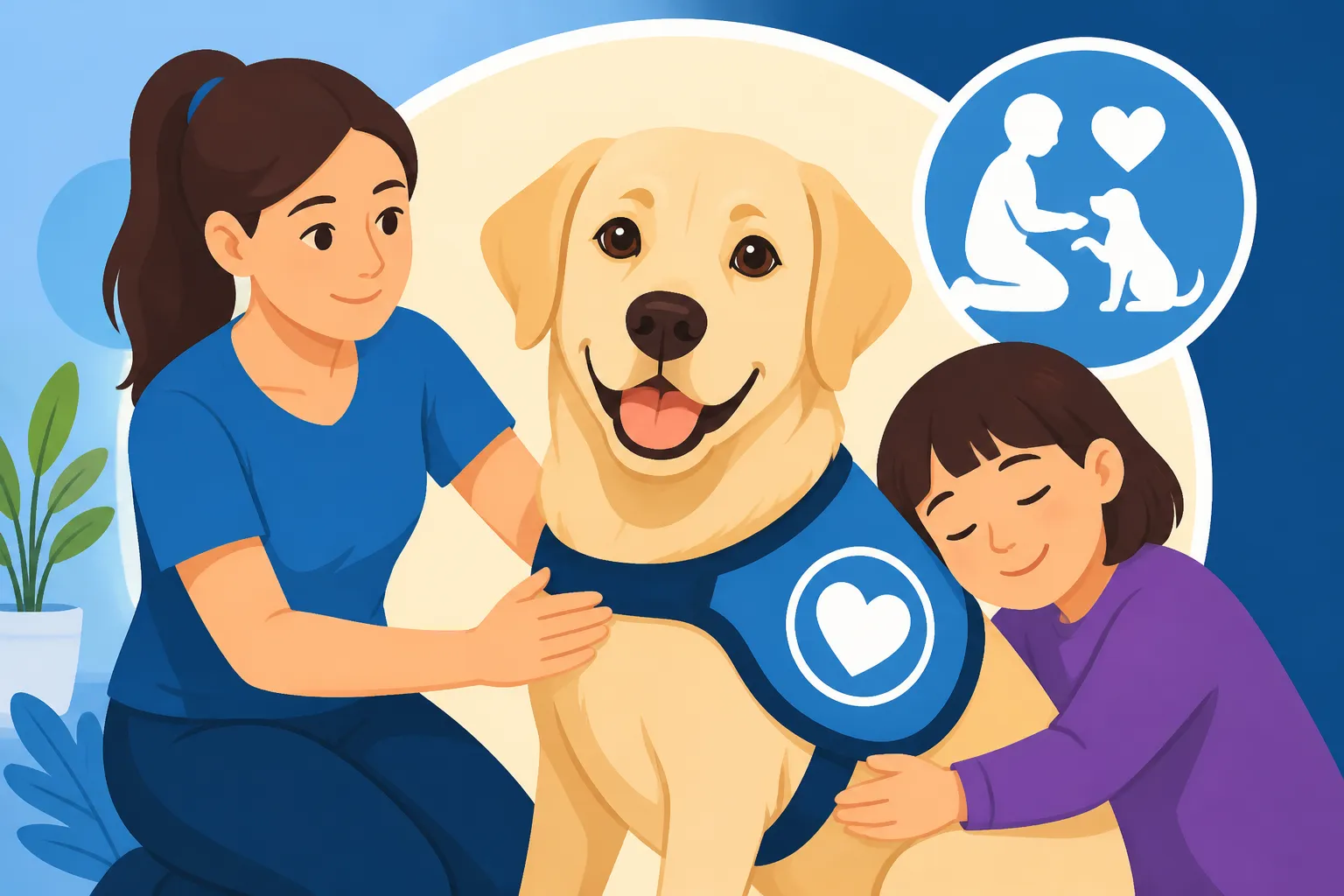
A therapy dog, on the other hand, is a family pet whose owner volunteers their time to visit various facilities like hospitals, nursing homes, schools, or disaster areas to provide comfort, affection, and emotional support to many different people. Therapy dogs do not have the same public access rights as service dogs; they are only allowed in facilities where they are invited and scheduled to visit. Their primary role is to interact with multiple individuals, bringing smiles, reducing stress, and offering a moment of calm.
Emotional support animals (ESAs) are another category entirely. An ESA provides comfort through its presence alone to an individual with a diagnosed mental or emotional disability. Unlike service dogs, ESAs don't require specific task training, and unlike therapy dogs, their role is solely to support their owner. ESAs generally don't have public access rights beyond housing and, in some cases, air travel, where specific regulations apply. It's a common misconception that an ESA is the same as a therapy dog, but their functions and legal standings are quite different.
Essential Temperament Traits for a Therapy Labrador
While Labradors are famously friendly, not every Labrador is cut out to be a therapy dog. The ideal therapy Labrador possesses a unique blend of innate qualities and learned behaviors. First and foremost, they must have an unflappable temperament. This means being calm, gentle, and patient, even when faced with unexpected noises, strange smells, or clumsy interactions from strangers. A therapy dog might encounter a crying child, a person in a wheelchair, medical equipment beeping, or even someone who is fearful of dogs – they need to respond with unwavering composure.
Beyond calmness, a therapy Labrador needs to be genuinely outgoing and enjoy interacting with people of all ages and abilities. They should initiate gentle interaction, not shrink away from attention, and be comfortable with being petted by multiple hands, sometimes in awkward ways. My own Labrador, Buddy, has an innate ability to sense when someone needs a gentle nudge or just a quiet presence, which is a hallmark of a great therapy dog. You'll often find that these dogs possess the classic Labrador Temperament and What to Expect that makes them such beloved family members.
Finally, they need to be highly trainable and responsive to their handler's cues. While they are interacting with others, their handler is their anchor, guiding them through the environment and ensuring everyone's safety and comfort. This requires a dog that is not only smart but also eager to please and focused on their human partner, even amidst distractions.
Where Therapy Dogs Make a Difference
The impact of therapy dogs is truly profound and far-reaching. In hospitals and nursing homes, they bring joy and a sense of normalcy, often motivating patients to participate in physical therapy or simply offering a comforting presence during difficult times. I've heard countless stories of Labradors bringing a smile to an elderly person who hasn't spoken in days or calming a child before a scary medical procedure. Their presence can lower blood pressure, reduce anxiety, and combat feelings of loneliness.
In schools and libraries, therapy dogs can act as "reading dogs," helping children who struggle with reading build confidence by practicing aloud to a non-judgmental, furry friend. They can also be wonderful stress-relievers during exam periods for college students, providing a much-needed break from academic pressure. In crisis situations or disaster relief efforts, therapy dogs offer quiet comfort and emotional support to individuals experiencing trauma, grounding them in the present moment.
Beyond these common settings, therapy dogs are finding their way into airports to help anxious travelers, courtrooms to support vulnerable witnesses, and even correctional facilities, bringing a touch of unconditional love to environments where it's desperately needed. Their ability to connect with humans on a fundamental, non-verbal level makes them invaluable ambassadors of comfort and hope.
Foundational Training for a Therapy Labrador
Having the right temperament is a fantastic starting point, but even the most naturally calm and friendly Labrador needs solid training to become a successful therapy dog. This isn't just about good manners; it's about building a robust foundation of obedience, socialization, and desensitization that allows them to navigate complex environments safely and confidently. Think of it as preparing your Labrador for a job where their composure and responsiveness are paramount.
Mastering Basic Obedience Commands
Before your Labrador can even think about becoming a therapy dog, they need to have rock-solid basic obedience. This means they should reliably respond to commands like "sit," "stay," "down," "come," and "leave it," even when distractions are present. Imagine being in a busy hospital hallway; your Labrador needs to stay calmly by your side, not pull towards an interesting smell or person. My favorite online training resource, BAXTER & Bella, offers comprehensive courses that can help you achieve this foundational level of obedience from the comfort of your home. Their step-by-step approach is particularly great for building consistency.
"Loose-leash walking" is also non-negotiable. A therapy dog should walk politely on a leash without pulling, weaving, or jumping. This shows control and consideration for others in crowded spaces. Practicing in various environments – parks, sidewalks, even quiet stores where dogs are permitted – will help generalize this skill. Furthermore, your Labrador should be comfortable being handled by strangers, including gentle ear checks, paw touching, and being embraced, as this will happen frequently during therapy visits.
These commands aren't just about looking good; they are critical for safety and professionalism. A dog that can "leave it" when a dropped pill or food crumb is on the floor, or "stay" patiently while their handler talks to a staff member, demonstrates the kind of control that therapy organizations require. Regularly practicing Short Training Sessions That Suit a Labrador will keep your dog engaged and reinforce these crucial behaviors without overdoing it.
The Importance of Advanced Socialization
While you should ideally begin Socializing a Labrador Puppy early in life, advanced socialization for a therapy dog candidate goes far beyond puppy classes. It means exposing your Labrador to an incredibly wide array of people, places, sounds, and objects in a positive and controlled manner. This includes individuals using wheelchairs, walkers, canes, or crutches. You'll want to gradually introduce your dog to people wearing hats, sunglasses, uniforms, and even medical masks, ensuring they don't react fearfully or with undue excitement.
Think about the sensory experience of a busy medical facility: the whirring of machines, the smell of antiseptic, the sight of IV poles, and the presence of many strangers. Your Labrador needs to be comfortable with all of it. Taking your dog to dog-friendly stores, parks during busy times, or even just sitting outside a coffee shop can provide valuable exposure. Always ensure these experiences are positive, using treats and praise to create positive associations.
It's not just about avoiding fear; it's about promoting a calm, confident neutrality. A therapy dog shouldn't be overly exuberant, jumping and licking everyone. Instead, they should be a steady, reassuring presence. This nuanced level of interaction is what makes a therapy dog truly effective. The goal is a dog that is attentive to you but also graciously accepts the attention of others without becoming overstimulated. Labradors With Strangers will give you more insights into managing these interactions.
Desensitization to Unusual Sights and Sounds
Beyond basic socialization, specific desensitization is paramount for a therapy Labrador. This involves deliberately exposing your dog to stimuli they might encounter during visits that could otherwise be startling. For example, the sudden clang of a dropped bedpan in a hospital or the erratic movements of someone with a neurological condition could unnerve an unprepared dog. You might gently roll a wheelchair past your dog at increasing speeds, or practice having someone approach while using crutches, rewarding your dog for calm acceptance.
Think creatively about what your dog might encounter. This could include the sound of alarms, sirens, or even loud, excited children. You can use sound recordings found on platforms like YouTube or purchase specific sound effects on sites like Amazon to play at low volumes, gradually increasing the intensity as your dog remains relaxed. The key is gradual exposure paired with positive reinforcement, making sure your dog never feels overwhelmed. If you notice signs of stress, back off and try again at a lower intensity.
One often overlooked aspect is the variety of surfaces your Labrador might walk on. From slippery linoleum floors in a clinic to rough asphalt in a parking lot, or even carpeted areas in a school, your dog needs to be comfortable and confident on all of them. Practicing walking on different textures, going up and down ramps, and navigating stairs will build their physical and mental resilience. Building Confidence in a Timid Labrador is a slower process, but vital for a successful therapy dog.
The Certification Process and Beyond
Once your Labrador has a stellar temperament and a rock-solid foundation of obedience and socialization, the next step is formal certification. This isn't just a formality; it ensures that your dog meets specific standards of behavior and health, protecting both the public and your dog. The journey doesn't end with certification, though; being a therapy dog team is an ongoing commitment to training, safety, and making a positive impact.
Choosing a Therapy Dog Organization
There are several reputable therapy dog organizations, each with slightly different requirements and philosophies. It's essential to research and choose one that aligns with your values and whose certification is widely recognized in your area. Some of the well-known national organizations include Therapy Dog International (TDI), Pet Partners, and Alliance of Therapy Dogs. You might also find local or regional groups. A good starting point is to search for "therapy dog organizations near me" and visit their websites to compare their programs.
Each organization will have specific prerequisites. Many require your dog to have passed the American Kennel Club (AKC) Canine Good Citizen (CGC) test, which is an excellent benchmark for basic manners and composure. This test assesses a dog's ability to walk on a loose leash, sit, stay, come, react politely to strangers and other dogs, and remain calm during distractions. If your Labrador hasn't taken the CGC test, that's usually the first step to tackle. Labrador Obedience and Field Titles often cover the CGC as a foundational achievement.
When choosing an organization, look into their evaluation process, the types of facilities they partner with, and what kind of ongoing support and education they offer to their volunteers. Some organizations provide excellent resources, mentorship, and even additional training opportunities. Don't hesitate to contact them with questions; finding the right fit is crucial for a fulfilling therapy dog journey.
Preparing for the Therapy Dog Evaluation
The therapy dog evaluation is a comprehensive test designed to assess your Labrador's temperament and training in scenarios typical of therapy visits. It will simulate real-world situations, such as encounters with medical equipment (like walkers or wheelchairs), loud noises, crowded spaces, and various types of people, including children and those with disabilities. Your dog will be evaluated on their ability to remain calm, gentle, and under control throughout these interactions.
The evaluator will look for signs of aggression, fear, or excessive excitability. Your Labrador should not jump on people, bark excessively, or shy away from touch. They'll also assess your handling skills, ensuring you can effectively guide your dog and read their body language. It's a team effort; both you and your Labrador need to demonstrate competence and a harmonious partnership. Many organizations offer preparatory classes or workshops specifically designed to help teams get ready for the evaluation. This is where a good trainer can be invaluable. Choosing a Trainer for a Labrador is key to success here.
I often recommend creating a mock evaluation environment at home, inviting friends or family to act as "strangers" or "patients," and practicing all the required exercises. This allows you to identify any areas where your Labrador might need a little more work. Remember, the goal is not just to pass a test, but to ensure your dog is truly ready to provide comfort safely and effectively.
Life as a Certified Therapy Dog Team
Once your Labrador is certified, the truly rewarding work begins! You'll typically join a local chapter of your chosen organization, which will help coordinate visits to approved facilities. Most therapy dog teams start with shorter visits to less overwhelming environments, gradually building up to more demanding situations. It's important to always prioritize your dog's well-being and observe them for any signs of stress or fatigue. A happy therapy dog is an effective therapy dog.
Regular practice of obedience and socialization skills is essential, even after certification. You'll want to continue exposing your Labrador to new situations and maintaining their manners. Many teams also find it beneficial to attend refresher courses or advanced training to keep their skills sharp and their dog engaged. Introducing a Labrador Puppy to Loud Noises from time to time, even as an adult, can help maintain desensitization.
Being a therapy dog handler is a significant commitment, but the impact you and your Labrador will have on others is immeasurable. The joy, comfort, and healing that your furry companion can bring to those in need are truly priceless. It's a partnership built on trust, love, and a shared desire to make the world a little brighter, one gentle paw and wagging tail at a time.
| Aspect | Therapy Dog | Service Dog | Emotional Support Animal (ESA) |
|---|---|---|---|
| Purpose | Provides comfort/affection to many people | Performs tasks for one person with a disability | Provides comfort through presence for one person |
| Training | High level of obedience & temperament, specific certifications | Extensive, task-specific training to mitigate disability | No specific training required beyond basic manners |
| Public Access | By invitation only to specific facilities | Full public access rights under ADA laws | Limited (housing, some travel), no general public access |
| Legal Status | No federal legal protections | Protected under ADA, specific state laws | Protected under Fair Housing Act, Air Carrier Access Act (historical) |
| Who Benefits | Diverse groups of people in various settings (hospitals, schools) | Individual with a disability | Individual owner with a mental/emotional disability |
Disclaimer
This article is for general informational purposes only and does not constitute professional advice. Laws, prices and regulations vary by location and change over time. Consult a qualified professional for guidance on your specific situation.