When the Kennel Club Recognized Labradors
The Kennel Club formally recognized the Labrador Retriever in 1903 after their development from St. John’s Water Dogs.
Is this the right one for you?
Origins and temperament, size and coat, what living with one is actually like, and how it compares to the breeds people weigh against it.

The Kennel Club formally recognized the Labrador Retriever in 1903 after their development from St. John’s Water Dogs.

The 1880s decade shaped the modern Labrador Retriever through dedicated breeding, careful record-keeping, and formal standards.

British estates and the Earl of Malmesbury refined St. John’s Water Dogs into Labrador Retrievers over generations.
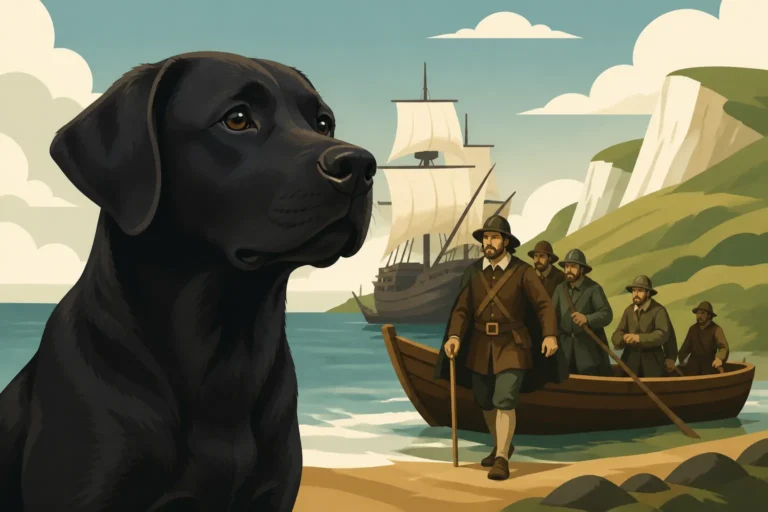
Labrador Retriever ancestors traveled from Newfoundland fishing boats to England aboard trading ships during the early 19th century.

Nineteenth century cod fishermen in Newfoundland relied on sturdy St. John’s water dogs as hardworking crew members.

Basque, Portuguese, Irish, and English working dogs bred in Newfoundland starting in the sixteenth century to form the St. John’s Water Dog.

Labrador Retrievers originated on the island of Newfoundland as working St. John’s Water Dogs, not from the Labrador region.

The extinction timeline of the St. John’s Water Dog and its vital role as an ancestor of the Labrador Retriever.

The St. John’s Water Dog physical traits, working temperament, and history along the rugged Newfoundland coast.

St John water dogs worked on icy Newfoundland coasts, helping fishermen haul lines and nets in brutal conditions.