How a Labrador’s Energy Changes at Three
Labrador energy levels at three years old, including behavioral myths, extended adolescence, and genetic differences.
Is this the right one for you?
Origins and temperament, size and coat, what living with one is actually like, and how it compares to the breeds people weigh against it.
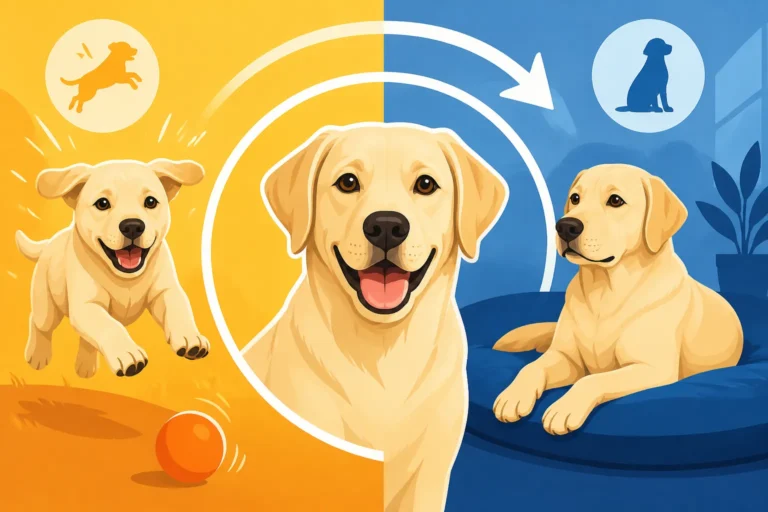
Labrador energy levels at three years old, including behavioral myths, extended adolescence, and genetic differences.
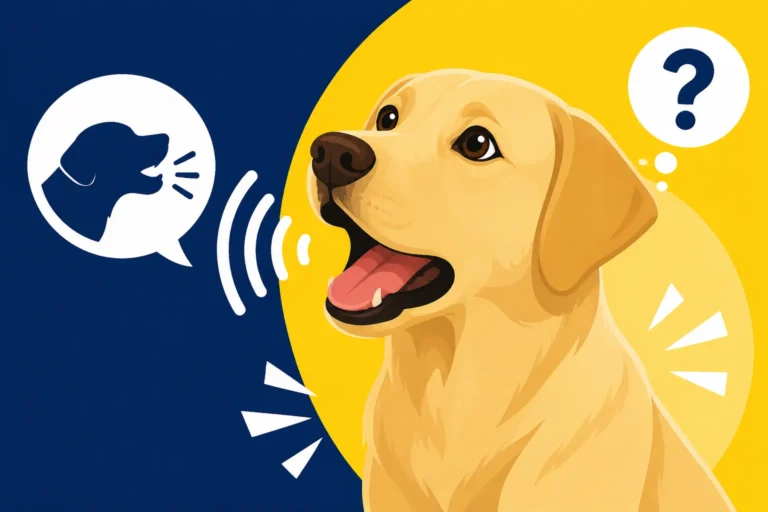
Labrador Retriever vocalization patterns, common reasons behind their sounds, and practical strategies to manage excessive barking.

Labrador retriever aggression triggers, including fear and medical issues, explained with behavior factors and signs.
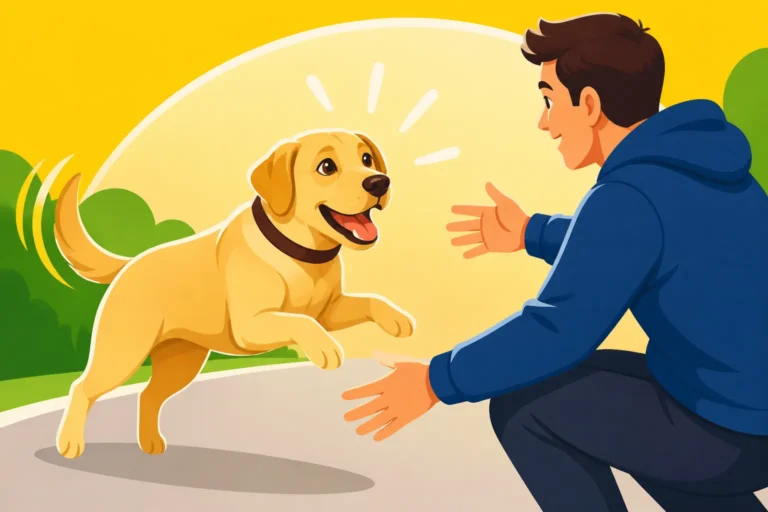
Labrador greeting behavior involves high energy, strong scent detection, and genetic friendliness toward new people.

Labrador Retriever temperament and soft mouth traits explain why these friendly dogs are not traditional guard dogs.
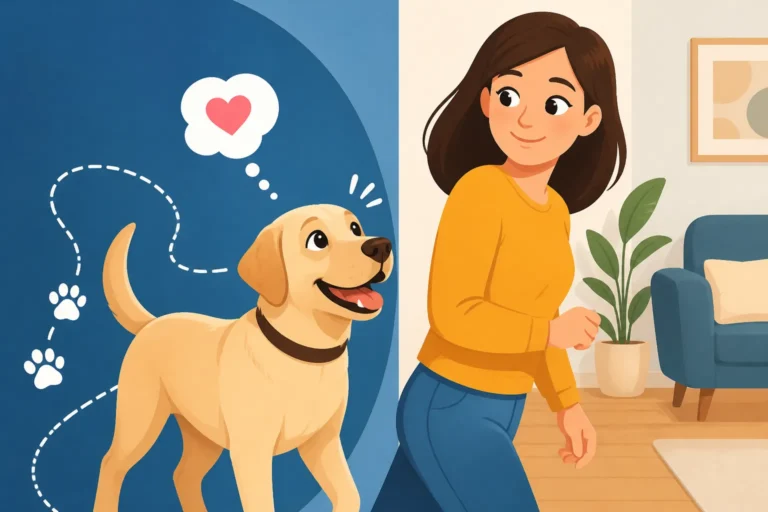
Labrador Retriever history, working background, and pack instincts explain why this affectionate dog breed follows owners everywhere.
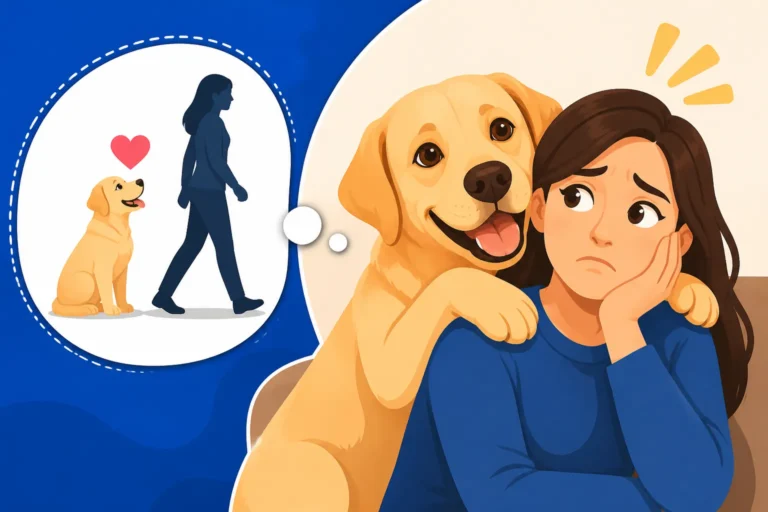
Labrador clinginess stems from their historical working partnership and deep genetic predisposition for constant human companionship.
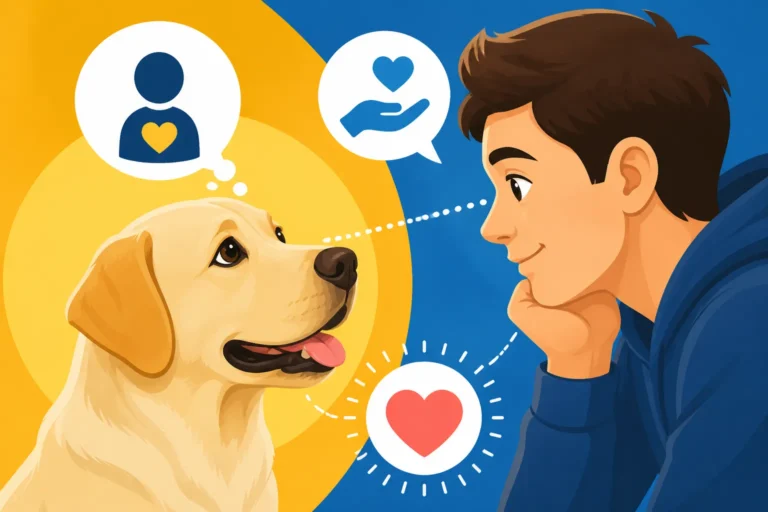
Labrador Retrievers read human cues because centuries of selective breeding for collaborative fishing work shaped their intelligence and bond.

Labrador working intelligence rankings, obedience learning speed, and problem solving abilities explained using Dr. Stanley Coren categories.
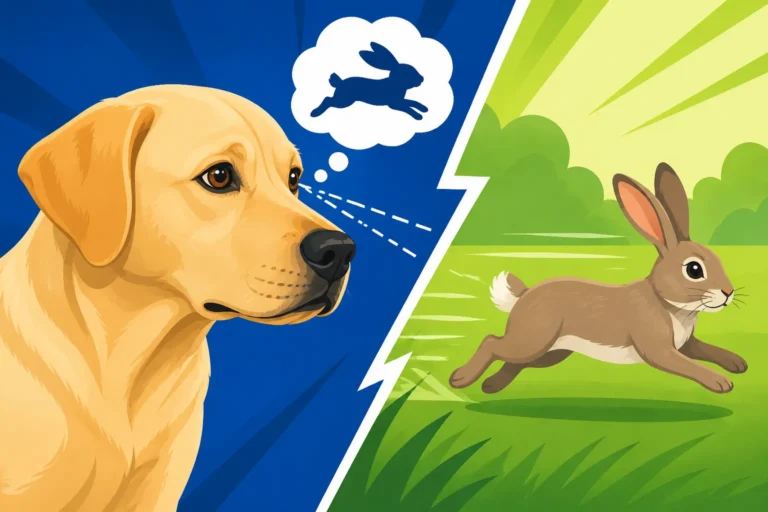
Labradors possess a specific prey drive focused on chasing, retrieving, and carrying objects rather than killing.