Why a Labrador Coat Is Water Resistant
Labrador water resistance relies on a dense woolly undercoat and a coarse outer coat of guard hairs that shed moisture instantly.
The daily stuff, done right.
Feeding amounts by life stage, coat and skin routines, dental and nail care, exercise needs, and what changes as they age.
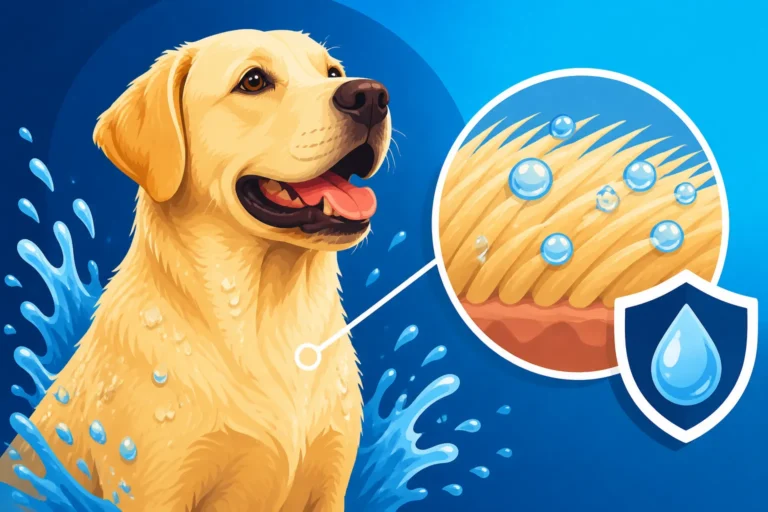
Labrador water resistance relies on a dense woolly undercoat and a coarse outer coat of guard hairs that shed moisture instantly.

Labrador seasonal coat blowing causes heavy shedding twice yearly from their insulating undercoat and protective outer coat.
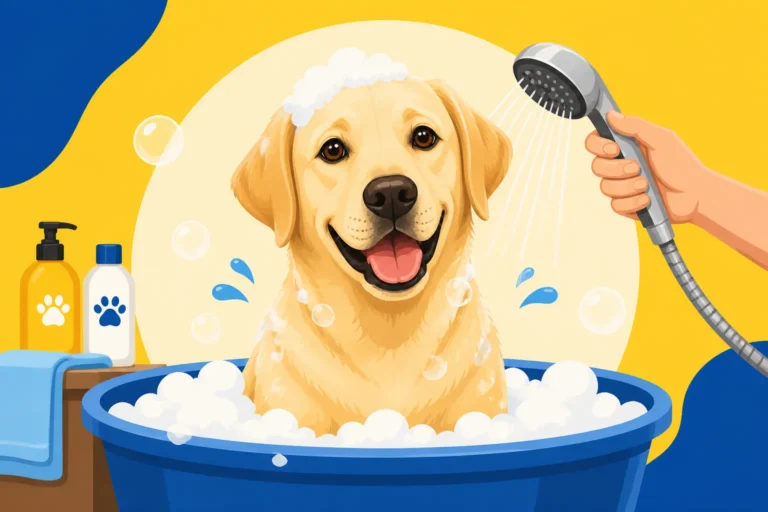
Bathing a Labrador Retriever involves soaking a water-resistant double coat and rinsing thick undercoat fur to remove trapped shampoo residue.
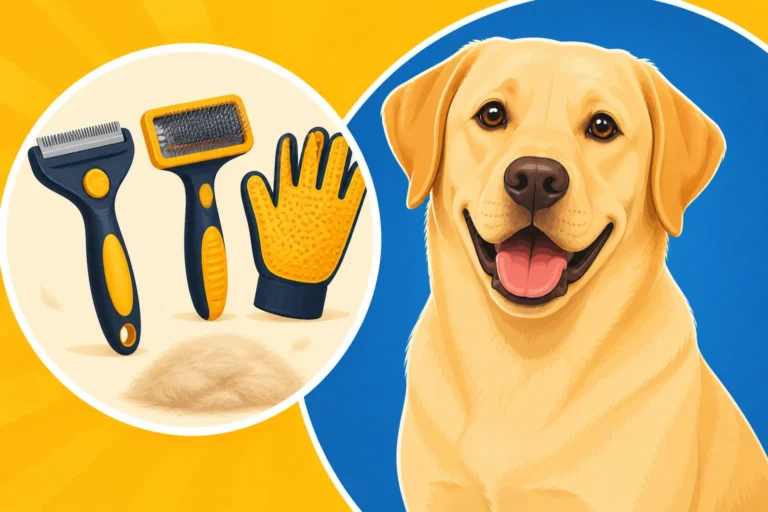
Labrador owners learn effective deshedding tools and techniques to manage heavy seasonal coat blows and thick double coat shedding.
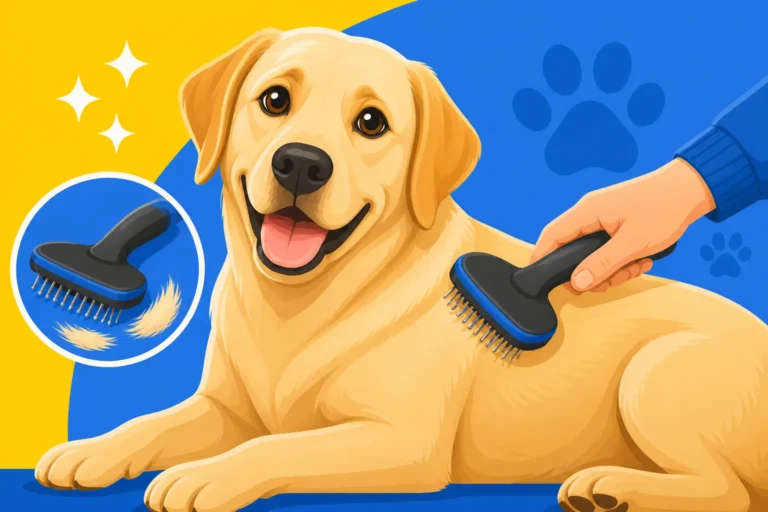
Regular brushing of a Labrador coat distributes natural oils, prevents dry skin, and strengthens your bond with your dog.
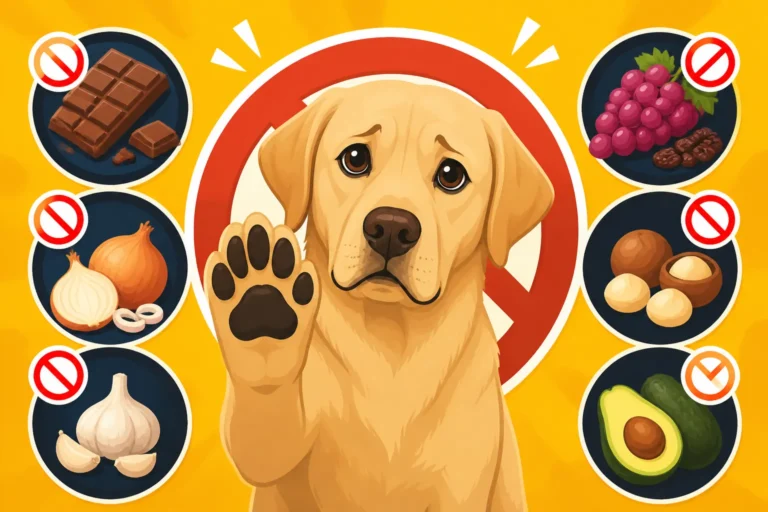
Common household foods toxic to Labradors include chocolate, grapes, raisins, onions, and garlic, which cause severe health risks.
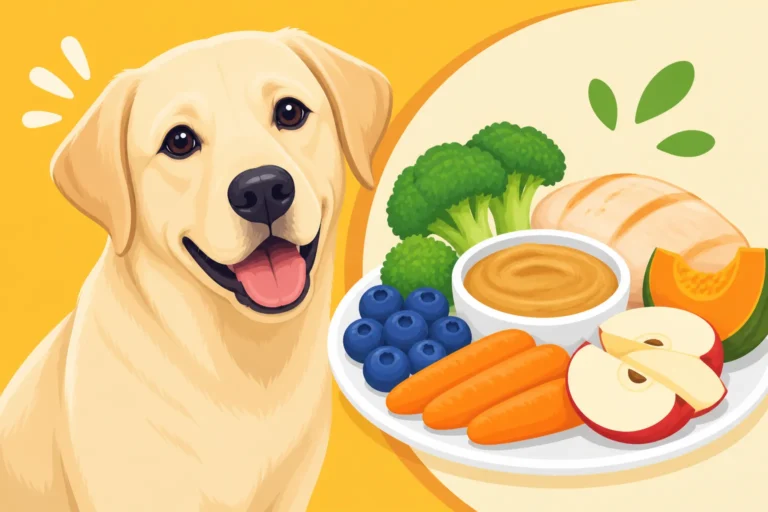
Safe human foods for Labradors and proper portion control help you treat your dog without causing diarrhea, vomiting, or long-term health problems.
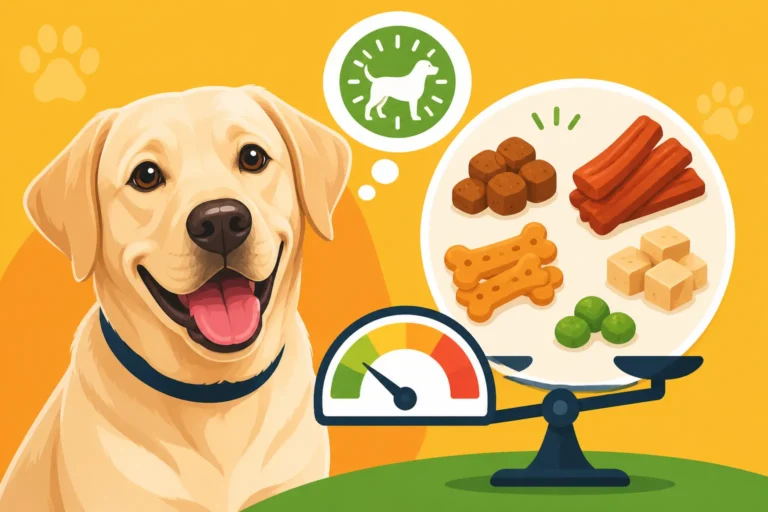
Labrador daily calorie budgets and the POMC gene mutation explain why weight management and proper treat portions protect dogs from obesity.
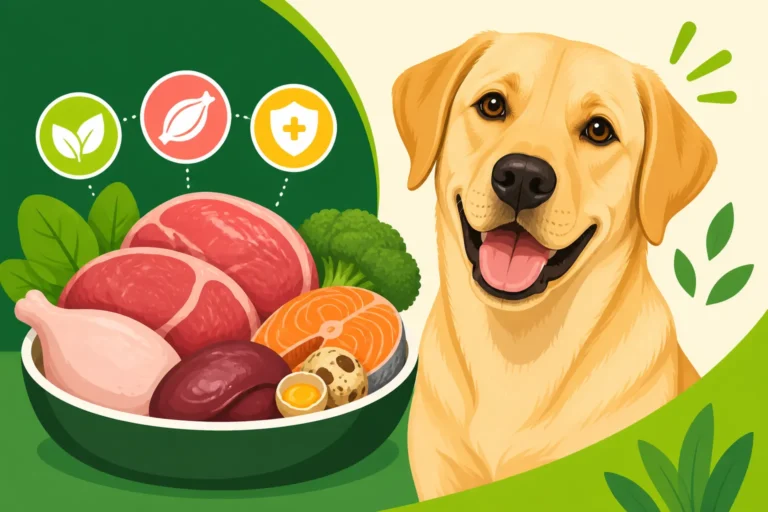
Fresh and raw feeding for Labradors provides an overview of ancestral diets, potential benefits, and important nutritional considerations.
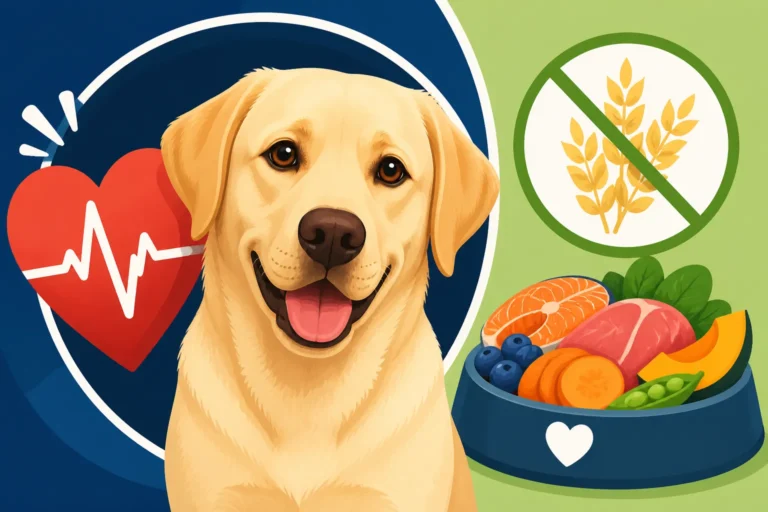
Grain-free diets and their connection to Dilated Cardiomyopathy in Labradors, explaining ingredient replacement risks and canine heart health.