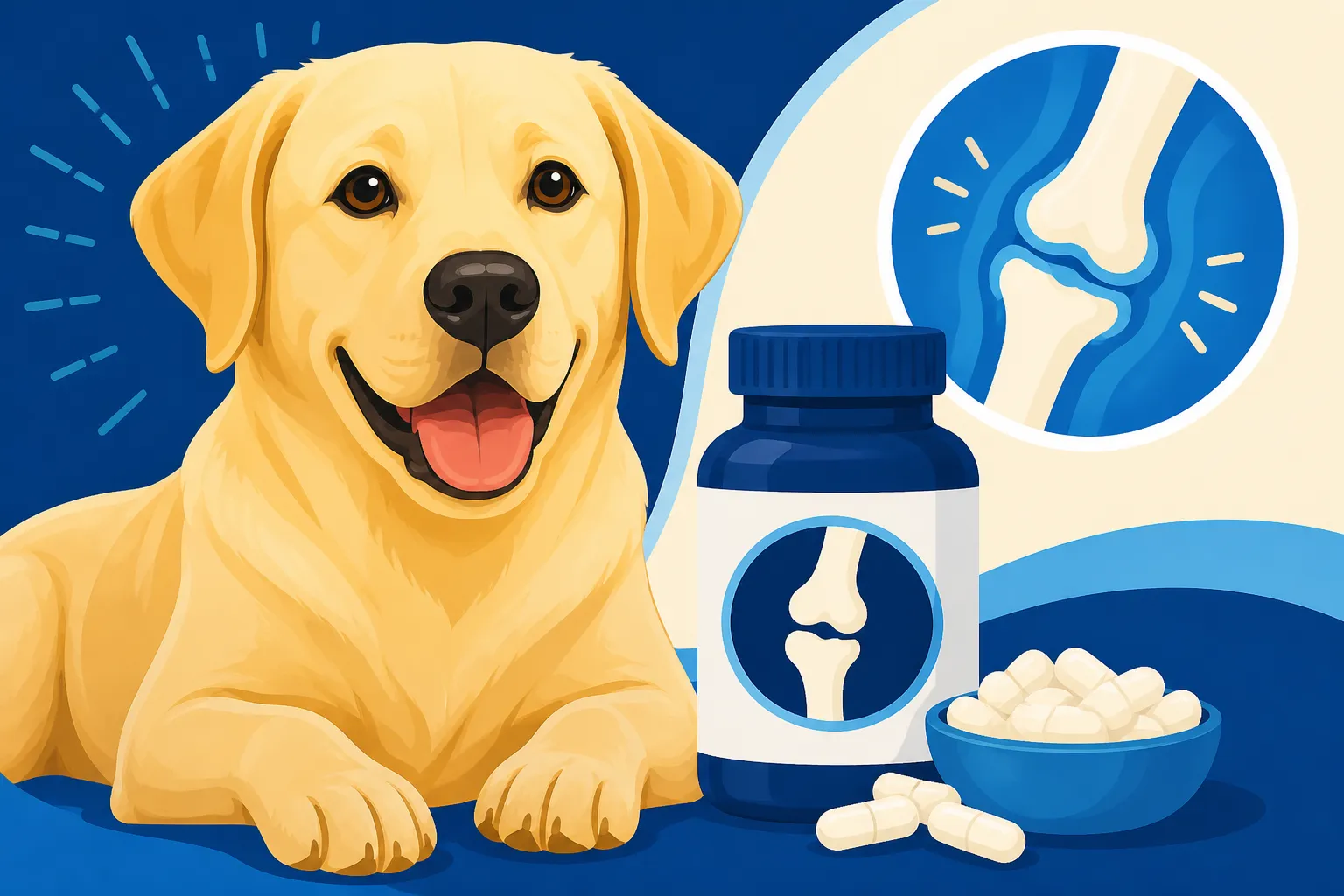
Glucosamine Doses for a Labrador
It’s heartbreaking to watch our beloved Labradors start to slow down, isn't it? One day they’re leaping through fields, the next they hesitate before jumping into the car or climbing the stairs. As they age, joint pain can become a real challenge, and for many of us, glucosamine is one of the first things we consider to help ease their discomfort. But figuring out the right glucosamine dose for your Labrador can feel like navigating a maze, leaving you wondering if you're giving too little, too much, or even the wrong kind. This guide is here to unravel the mystery, providing you with a clear understanding of glucosamine, how it works, and how to work with your vet to find the optimal dosage to keep your furry friend as comfortable and active as possible.
Understanding Glucosamine and Chondroitin for Your Labrador
When we talk about joint health in our Labradors, glucosamine and chondroitin are almost always part of the conversation. These aren't just trendy supplements; they're compounds that naturally occur in your dog's body and play a crucial role in maintaining healthy joints. As our Labs get older, or if they have predispositions to certain joint issues, their bodies might not produce enough of these compounds, leading to wear and tear that manifests as discomfort or pain.
What Are Glucosamine and Chondroitin?
Think of glucosamine as a building block. It’s an amino sugar that's a key component in the formation and repair of cartilage, the protective cushion between bones in a joint. Without sufficient cartilage, bones can rub against each other, causing pain and inflammation. Chondroitin, often paired with glucosamine, is another naturally occurring substance found in cartilage. Its job is to help retain water in the cartilage, keeping it elastic and shock-absorbent, and it can also inhibit enzymes that break down cartilage. Together, they form a powerful duo for joint support.
For our Labradors, who are known for their playful energy and often a predisposition to joint problems like hip and elbow dysplasia, these compounds are especially relevant. They’re constantly putting stress on their joints, whether it’s during a vigorous game of fetch, a swim in the lake, or just bounding around the house. Maintaining healthy cartilage is paramount to their comfort and mobility throughout their lives. When their natural production starts to wane, or if their joints are under extra strain, supplementation can offer much-needed support.
How Do They Support Joint Health?
The magic of glucosamine and chondroitin lies in their ability to support the structure and function of healthy joints. Glucosamine helps stimulate the production of proteoglycans and collagen, which are essential components of healthy cartilage. It’s like providing the raw materials for the body to repair and rebuild. Chondroitin, on the other hand, acts like a sponge, drawing water into the cartilage. This not only keeps the cartilage hydrated and resilient but also helps with nutrient transport to the cartilage cells, which lack a direct blood supply. This moisture also acts as a shock absorber, protecting the joint from impact.
Beyond their structural roles, these supplements are also believed to have anti-inflammatory properties, which can be a huge relief for Labs suffering from stiff, painful joints. While they aren't painkillers in the traditional sense, by supporting cartilage integrity and reducing inflammation, they can help improve overall comfort and mobility. Many owners report a noticeable difference in their dog's willingness to play, jump, and enjoy daily activities once these supplements are consistently given. It’s about more than just pain relief; it’s about supporting the long-term health of their joints so they can continue to live their best lives.
Signs Your Labrador Might Benefit
It's natural to wonder if your Labrador is actually experiencing joint pain or just "slowing down" as part of aging. Labradors are famously stoic, and they can be masters at hiding discomfort. However, there are several subtle (and not-so-subtle) signs that your beloved companion might be experiencing joint issues and could benefit from glucosamine supplementation. One of the earliest indicators is a general reluctance to engage in activities they once loved. Maybe they hesitate before jumping into the car, or they're slower to get up after a nap. They might stop jumping on the couch or seem less enthusiastic about walks.
You might also notice changes in their gait or posture. A slight limp, stiffness, especially after rest, or even an unusual way of sitting or lying down can all be red flags. Perhaps they start favoring a leg, or their back end seems weaker when they try to push off. Keep an eye out for any whining or groaning when they move, or even a sudden snap or growl if you touch a particular area. These are all signs of discomfort. Other clues can include a decreased range of motion, muscle loss in affected limbs, or even licking at specific joints. If you notice any of these changes, especially if your Labrador is getting older, discussing glucosamine and other joint support with your veterinarian is a crucial first step. Early intervention can make a significant difference in their quality of life. For more detailed insights, you might want to read Arthritis Signs in a Seven-Year-Old Labrador.
Determining the Right Glucosamine Dosage for Your Labrador
Once you and your veterinarian decide that glucosamine is a good option for your Labrador, the next big question is, "How much should I give?" This isn't a one-size-fits-all answer, and getting the dosage right is vital for both effectiveness and safety. It's truly a conversation to have with your vet, as they can take into account your dog's specific health, age, weight, and existing conditions.
General Guidelines and Weight-Based Dosing
Typically, glucosamine dosage for dogs is calculated based on their body weight. A common starting guideline is roughly 20 mg of glucosamine per pound of body weight, given daily. So, for a Labrador that weighs, say, 70 pounds, you'd be looking at a starting dose of around 1400 mg per day. However, many veterinarians recommend an "initial loading dose" for the first 4-6 weeks, which is often higher—sometimes double the maintenance dose—to help build up the levels in their system more quickly. After this initial period, you typically drop down to the maintenance dose.
It's important to remember that these are just general rules of thumb. Your vet might suggest a different approach based on the severity of your Labrador's joint issues. They might advise starting with a lower dose and gradually increasing it, especially if your dog has a sensitive stomach, or they might recommend a higher dose if your Lab is experiencing significant discomfort. Always follow your vet's specific instructions, as they have the best understanding of your dog's individual needs. What works for one Lab might not be ideal for another, and consistency is key once you establish a routine.
Common Forms and Their Concentration
Glucosamine supplements come in various forms, and understanding the differences can help you make an informed choice with your vet. The most common types you’ll encounter are Glucosamine Hydrochloride (HCl) and Glucosamine Sulfate. Glucosamine HCl is often considered more potent because it contains a higher percentage of pure glucosamine compared to Glucosamine Sulfate. Chondroitin sulfate is almost always found alongside glucosamine, and sometimes you'll also see Methylsulfonylmethane (MSM), which is another compound known for its anti-inflammatory properties and ability to support connective tissue.
It’s crucial to read the label carefully to see the exact amount of each active ingredient per serving. Some brands might list the total "joint blend" amount, rather than breaking down the individual components. This is where comparing products can get tricky. To illustrate, let's look at a typical comparison:
| Ingredient | Common Forms | Typical Daily Dose for 70lb Lab (Maintenance) | Key Benefit |
|---|---|---|---|
| Glucosamine | HCl, Sulfate | 1000-1500 mg | Cartilage repair & formation |
| Chondroitin | Sulfate | 800-1200 mg | Cartilage elasticity, shock absorption |
| MSM (Methylsulfonylmethane) | N/A | 500-1000 mg | Anti-inflammatory, pain relief, connective tissue |
Note: These are general guidelines. Always consult your veterinarian for specific dosage recommendations tailored to your Labrador.
When you're shopping for supplements, whether it’s on Chewy, Amazon, or directly from a specialist pet store, make sure the product clearly states the milligrams of each active ingredient. This transparency helps ensure you're getting a quality product and can accurately dose your Labrador. Some fresh food companies like Ollie also formulate meals with joint-supporting ingredients, which can complement a supplement regimen.
Factors Influencing Dosage
Beyond basic weight, several other factors can influence the ideal glucosamine dosage for your Labrador. Age is a significant one; older Labradors with more advanced arthritis might require a higher or more consistent dose than a younger dog just starting to show mild signs. The severity of their condition also plays a huge role. A Labrador with a confirmed diagnosis of severe Labrador Hip and Elbow Dysplasia might need a more aggressive regimen than one with only mild, age-related stiffness.
Their activity level and overall health are also important considerations. A highly active working Labrador might put more strain on its joints and therefore benefit from robust support. Conversely, a less active dog or one with other health issues (like kidney disease or diabetes) might need a carefully monitored dosage, as some supplements can interact with other medications or put stress on organs. Your vet will also consider any other joint supplements or medications your Labrador is already taking, to ensure there are no adverse interactions or over-supplementation. It's a nuanced process, and it really emphasizes why your veterinarian is your best partner in this journey to keep your Labrador comfortable and moving well. Adjusting the dosage over time, based on your dog's response, is also common practice to Slowing Joint Decline in an Older Labrador.
Choosing a Quality Glucosamine Supplement
The market is absolutely flooded with glucosamine supplements for dogs, and it can feel overwhelming trying to pick one that's truly effective and safe for your Labrador. From powders to pills to yummy chews, the options seem endless. Just like with our own supplements, quality really does matter when it comes to giving your furry friend the best support for their joints.
What to Look for in a Supplement
When you're sifting through options, the first thing to scrutinize is the ingredient list. You want to see clear indications of glucosamine (ideally HCl, as it's generally more concentrated), chondroitin, and often MSM. Beyond just listing the ingredients, look for the amounts of each active component per dose. Vague terms like "proprietary blend" without specific milligrams per ingredient are a red flag. Reputable manufacturers will be transparent about their formulations.
Another critical factor is third-party testing or certifications. Organizations like the National Animal Supplement Council (NASC) stamp products that meet certain quality standards, ensuring what's on the label is actually in the bottle and that the product is free from harmful contaminants. Seeing the NASC seal can provide a lot of peace of mind. Consider the source and purity of the ingredients as well. Some supplements use human-grade ingredients, which can be a good indicator of overall quality. Finally, check reviews and ask your vet for specific brand recommendations. They often have experience with what works well for their patients.
Pills, Chews, or Liquids?
The form of the supplement can greatly impact how easily you can administer it and, importantly, if your Labrador will actually take it!
- Pills/Tablets: These are often the most concentrated and cost-effective per dose. However, many Labradors, despite their food drive, can be wary of taking pills directly. You might need to hide them in a treat, a dollop of peanut butter, or a piece of cheese. If your Lab is a master at spitting out pills, this might not be the most stress-free option.
- Chews: These are incredibly popular because they're often formulated to be palatable, like a treat. Many Labs will gobble them right up, making daily dosing a breeze. The downside can be that they sometimes contain fillers or extra calories, and the active ingredient concentration might be lower per chew, meaning you need to give more. It's also easy for a food-obsessed Labrador to see them as just another treat and beg for more, so careful portion control is still essential.
- Liquids/Powders: These can be mixed directly into your Labrador's food. This is often a great option for picky eaters or for dogs who can sniff out a pill a mile away. Liquids are usually easy to measure accurately, and powders can be sprinkled over wet or even dry kibble. Just ensure your dog finishes all their food to get the full dose.
The best form really depends on your individual Labrador's preferences and how easily you can integrate it into their daily routine without a wrestling match! Consistency is paramount, so choose the form that makes daily dosing sustainable for you both.
Integrating Supplements into Your Labrador's Routine
Once you’ve chosen a quality supplement, consistent administration is key. Glucosamine and chondroitin aren’t like painkillers that work immediately. They work by building up in your dog's system over time, supporting joint health gradually. It can take several weeks, sometimes even a month or two, before you start to notice significant improvement in your Labrador's mobility and comfort. Patience is definitely a virtue here.
It's generally recommended to give joint supplements with food to minimize any potential stomach upset, especially when starting a new regimen. If you're using chews, simply incorporate them into their mealtime or as a special treat after a walk. For pills, consider using a pill pocket or hiding it in a small portion of wet food. If you're mixing a powder or liquid into their food, ensure they eat their entire meal to get the full dose. Regularly observing your Labrador and keeping a small journal of their activity levels, stiffness, and any changes can be incredibly helpful. This allows you to track their progress and provide valuable feedback to your vet during follow-up appointments. Remember, Joint Supplements That Help a Labrador are most effective as part of a comprehensive approach to joint care, including diet and appropriate exercise.
Potential Side Effects and When to Consult Your Vet
While glucosamine is generally considered very safe for dogs, just like any supplement or medication, there's always a possibility of side effects. Most Labradors tolerate it well, but it's important to know what to look out for and when to pick up the phone and call your vet. Your Labrador's comfort and well-being are always the top priority, and understanding these aspects will help you be a more informed and proactive advocate for their health.
Mild Side Effects to Watch For
The most common side effects associated with glucosamine supplementation in dogs are usually mild and gastrointestinal in nature. These might include:
- Soft stools or diarrhea: This is often the most frequently reported issue. It can happen if the dose is too high, if your dog has a sensitive stomach, or if they're simply adjusting to a new supplement.
- Vomiting or decreased appetite: Less common, but some dogs might experience mild nausea or a temporary reluctance to eat, especially if the supplement is given on an empty stomach.
- Gas: An increase in flatulence can also be a sign of digestive upset as their system adjusts.
If you notice any of these mild side effects, try giving the supplement with a larger meal, or talk to your vet about temporarily reducing the dose to see if the symptoms subside. Often, a gradual introduction or a slight adjustment to the timing or amount can resolve these issues completely, allowing your Labrador to continue benefiting from the joint support without discomfort.
When to Seek Veterinary Advice
While mild GI upset is usually manageable, there are times when a call to your veterinarian is absolutely necessary. You should contact your vet if:
- Side effects are severe or persistent: If your Labrador experiences severe vomiting, bloody diarrhea, extreme lethargy, or if mild symptoms don't improve within a few days of adjusting the dose.
- No improvement in symptoms: If, after the recommended loading period and several weeks on the maintenance dose, you see no noticeable improvement in your Labrador's joint pain or mobility, it's time to reassess with your vet. They might suggest a different supplement, adjust the dose, or explore other treatment options.
- Worsening symptoms: This is a clear indicator that something isn't right. If your Labrador seems more painful, stiff, or reluctant to move after starting glucosamine, stop the supplement and contact your vet immediately.
- Unusual reactions: Any other unusual or concerning symptoms that pop up after starting the supplement warrant a veterinary consultation.
- Interactions with other medications: Always inform your vet about all supplements and medications your Labrador is taking, even over-the-counter ones. Glucosamine can potentially interact with certain blood thinners or diabetes medications, so your vet needs the full picture to ensure safety.
Your vet is your best resource for troubleshooting and ensuring your Labrador receives the most appropriate and safest care. Don't hesitate to reach out if you have concerns.
The Importance of a Holistic Approach
It's vital to remember that glucosamine and chondroitin are supplements, not miracle cures. While incredibly beneficial for many Labradors, they work best as part of a holistic approach to joint health. This means looking at the bigger picture of your dog's well-being.
- Weight Management: This is perhaps the single most impactful thing you can do for your Labrador's joints. Even a few extra pounds put immense strain on their hips, elbows, and knees, exacerbating pain and accelerating joint degeneration. Maintaining a lean body condition is paramount. For more on this, check out Keeping a Labrador at a Healthy Weight.
- Appropriate Exercise: While vigorous, high-impact activities might need to be modified, regular, gentle exercise is crucial. Swimming, short walks on soft surfaces, and controlled leash walks can help maintain muscle mass around the joints, improve flexibility, and prevent stiffness without causing excessive impact.
- Supportive Environment: Making your home joint-friendly can also make a huge difference. Ramps for cars and furniture, orthopedic beds, and non-slip rugs can help reduce strain and provide comfort.
- Other Therapies: Your vet might also suggest other complementary therapies like physical therapy, cold laser therapy, acupuncture, or prescription anti-inflammatory medications, depending on the severity of your Labrador's condition.
By combining the right glucosamine dosage with these other supportive measures, you're giving your beloved Labrador the best possible chance to live a long, comfortable, and happy life, full of as much joyful movement as possible. Even as they become a Caring for a Senior Labrador, these steps will help them thrive.
Disclaimer
This article is for general informational purposes only and does not constitute professional advice. Laws, prices and regulations vary by location and change over time. Consult a qualified professional for guidance on your specific situation.