Why the Labrador Is Named After the Wrong Place
Many of us, when we hear "Labrador Retriever," immediately picture the vast, icy expanses of Labrador, Canada. It's a natural assumption, right? But here's a fun fact that might surprise you: our beloved Labs aren't actually from Labrador at all! This common misconception often leaves new owners scratching their heads, wondering how a breed could be so famously misnamed. This guide will clear up the historical mystery behind their name and trace the true origins of this remarkable dog.
The Naming Mystery: Why 'Labrador'?
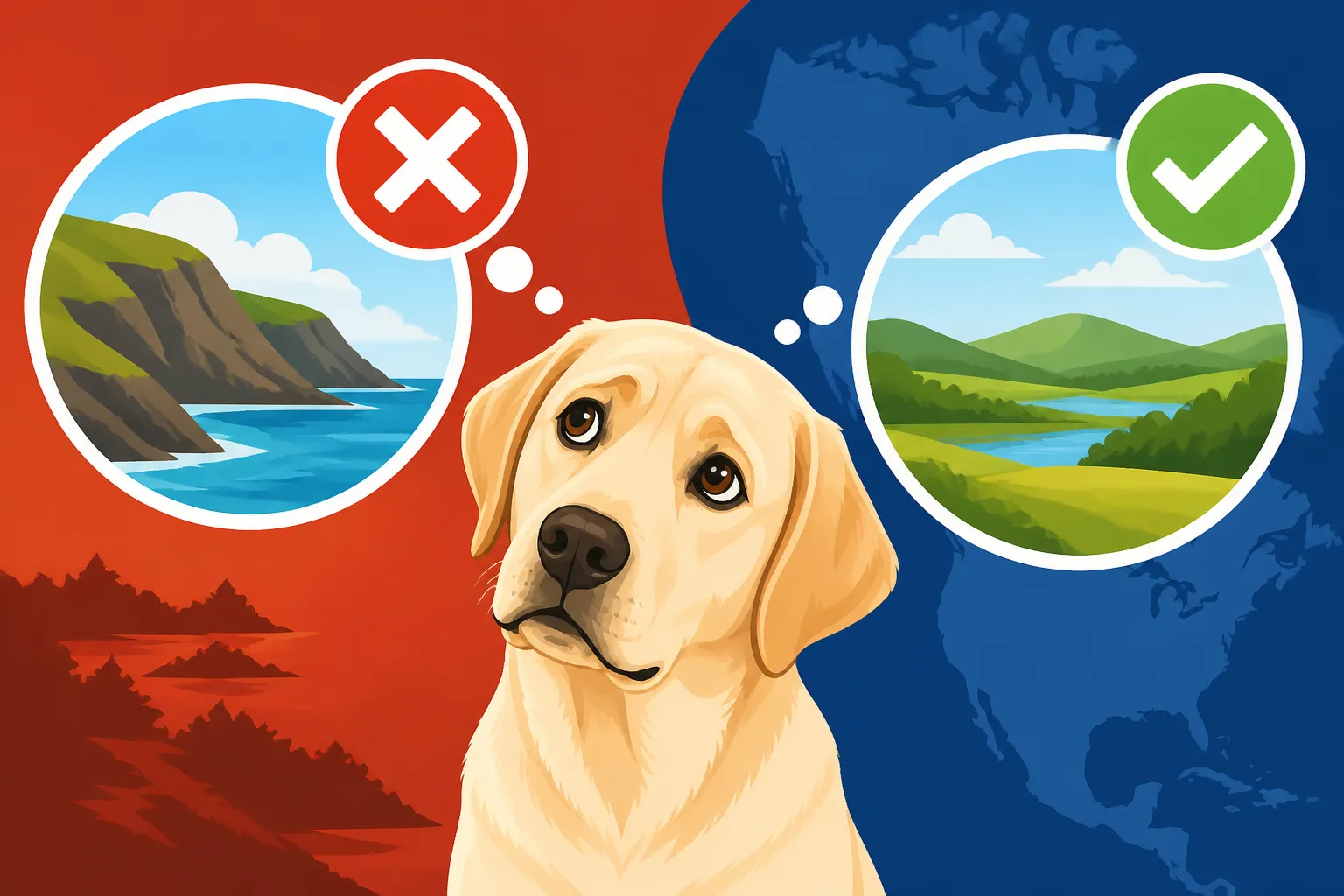
It's truly one of those quirks of history that can confuse anyone delving into the past of their canine companion. The Labrador Retriever, despite its enduring name, doesn't hail from the geographical region known as Labrador. This mainland portion of the Canadian province of Newfoundland and Labrador is indeed a vast and rugged territory, but it wasn't the birthplace of the breed. The confusion lies in a simple, yet significant, geographical misunderstanding that solidified centuries ago.
The Geographical Disconnect
The province of Newfoundland and Labrador is made up of two distinct geographical areas: the island of Newfoundland and the mainland region of Labrador. While they are politically linked today, their historical significance to the Labrador Retriever breed couldn't be more different. Newfoundland, the island, is where the breed's ancestors truly thrived and were developed. Labrador, on the other hand, a wild and sparsely populated area, had no direct hand in the formation or development of these working dogs.
Imagine telling someone your dog is named "Alaskan Malamute" but it actually came from Hawaii! That's essentially the scale of the naming mix-up here. The early ancestors of the Lab were deeply intertwined with the fishing communities of the island of Newfoundland, not the mainland. This distinction is crucial for understanding the breed's true heritage. It's a testament to how names can sometimes stick, even when they don't quite tell the whole story.
Initial Confusion and Mislabeling
So, how did this misnomer come about? It's likely a combination of factors, including geographical proximity and perhaps a bit of poetic license or simplification by early British visitors and writers. The island of Newfoundland is geographically close to Labrador, and both areas were part of British colonial interests. It's plausible that a general term was used to encompass dogs from this entire North American region, leading to "Labrador" becoming the shorthand.
Early descriptions of the breed or its ancestors by English nobility and sportsmen, who were the first to truly appreciate and import these dogs, may have played a role. It's possible they simply referred to the "Labrador dogs" as a catch-all for the retrievers coming from that general part of the world. Once a name gains traction, especially in print or aristocratic circles, it can be incredibly difficult to correct, even if it's geographically imprecise. The powerful image of a hardy dog from a northern, maritime region probably resonated, regardless of the exact island versus mainland distinction.
The True Ancestors: The St. John's Water Dog
To truly understand where the Labrador Retriever came from, we need to journey back in time to the 16th and 17th centuries, not to Labrador, but to the rugged coasts of Newfoundland. Here, a remarkable dog known as the St. John's Water Dog, or sometimes the Lesser Newfoundland, was a beloved and indispensable companion to the local fishermen. This dog, not the mainland region, is the true foundational ancestor of the Labrador Retriever.
Life in Newfoundland: Fishermen's Indispensable Companions
The St. John's Water Dog was bred and perfected by the hardworking fishermen of Newfoundland. These were not pampered pets, but vital members of the crew, designed for harsh conditions and demanding work. Their primary job was retrieving fish that had fallen out of nets, lines, or off hooks, and even retrieving lines in icy water. They were expert swimmers, capable of diving into freezing cold Atlantic waters without hesitation, thanks to their dense, water-repellent coats and strong, otter-like tails.
Imagine the sheer resilience and dedication required for such tasks day in and day out. These dogs weren't just retrieving; they were navigating choppy seas, braving frigid temperatures, and doing it all with a wagging tail and an eagerness to please. Their temperament was as crucial as their physical attributes – intelligent, biddable, and incredibly devoted to their human partners. This made them not just workers, but true companions in an often lonely and dangerous profession. You can read more about What the St. John's Water Dog Looked Like to get a better picture of these amazing dogs.
Physical and Temperament Traits of the St. John's Dog
The St. John's Water Dog shared many unmistakable characteristics with the modern Labrador Retriever. They possessed the same thick, short, double coat that was virtually waterproof, a trait essential for working in cold water. Their tails were thick at the base, tapering to a point, often described as an "otter tail" – perfect for steering in water. Their webbed feet were another adaptation for powerful swimming. The Labrador Otter Tail Explained is a fascinating read about this iconic feature.
Temperamentally, they were renowned for their intelligence, calm demeanor, and eagerness to please, which made them highly trainable. They also had what we now call a "soft mouth," a gentle grip that allowed them to carry delicate items like retrieved birds or fish without damaging them. This gentle nature, combined with their strong work ethic and love for water, made them ideal for retrieving. These foundational traits are what make Labradors such versatile and beloved dogs even today, whether they're working as gundogs or simply retrieving a favorite toy across the living room floor.
Crossing the Atlantic: From Newfoundland to England
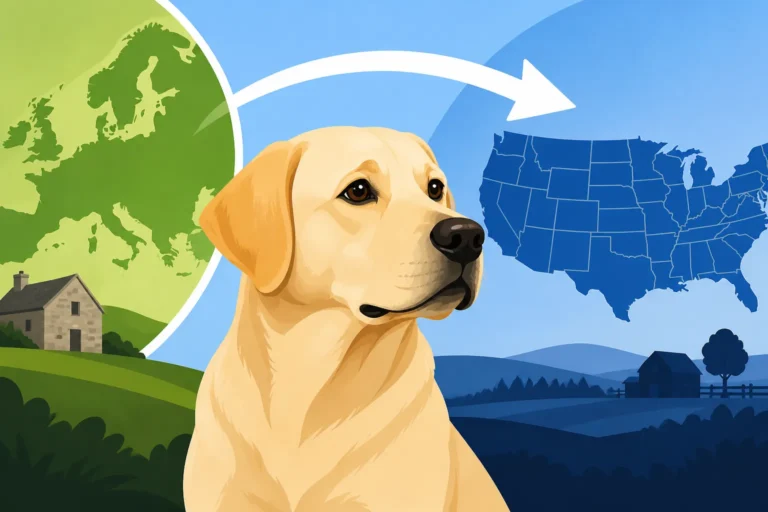
The story of the Labrador Retriever truly begins to take shape when these remarkable St. John's Water Dogs caught the eye of British noblemen and sportsmen visiting Newfoundland in the early 19th century. They recognized the incredible potential of these dogs, not just for fishing, but for game retrieving on their sprawling estates back in England. This marked a pivotal moment, as the dogs began their transatlantic journey, bringing their unique qualities to a new land where they would be refined into the breed we know and love.
British Nobility's Interest
During the early 1800s, British ships frequently traveled between England and Newfoundland, primarily for the rich fishing grounds. On these voyages, British gentlemen, particularly those with a keen interest in hunting and dog breeding, encountered the St. John's Water Dog. They were immediately captivated by these dogs' unparalleled retrieving abilities, their stamina, and their good-natured disposition. These qualities were exactly what they sought for their nascent gundog programs, where dogs were needed to retrieve fallen game birds quickly and efficiently, often from dense cover or water.
It was clear these weren't just any working dogs; they were exceptional. Their dense coats, powerful swimming, and inherent desire to carry items in their mouths made them stand out. The British, with their passion for developing specialized sporting breeds, saw the St. John's dog as a raw diamond waiting to be polished into the ultimate retriever. This interest sparked the first exports of these dogs from Newfoundland to the shores of Great Britain.
The Journey to Dorset
The port of Poole in Dorset, England, became a key entry point for these Newfoundlander dogs. Wealthy families, particularly the Earls of Malmesbury, were among the first to import and begin breeding them. Charles, 2nd Earl of Malmesbury, is often credited as one of the earliest and most influential proponents of the breed in England. He was deeply impressed by their working ability and began a focused breeding program to maintain and enhance their retrieving talents.
The dogs would travel by ship, often enduring long and arduous journeys across the Atlantic. Once in England, they found themselves in a very different environment, though their core purpose remained largely the same: to work alongside humans, primarily in the field. These initial imports were the literal foundation stock from which the modern Labrador Retriever would emerge, forever linking the rugged coast of Newfoundland to the manicured estates of England. To learn more about this specific journey, you might enjoy How Labradors Reached Poole in Dorset.
British Influence: Shaping the Modern Labrador
Once the St. John's Water Dogs arrived in England, they found a dedicated group of breeders who saw their potential and set about refining them into the specific type of retriever desired for British sporting pursuits. This period in the 19th century was critical, as it saw the careful selection and breeding that established the core characteristics of what we now recognize as the Labrador Retriever.
The Earl of Malmesbury's Role
The Malmesbury family played a pivotal role in the early development of the Labrador. The 3rd Earl of Malmesbury, in particular, was instrumental. He kept extensive records and continued the breeding program his father had started. It's said that he first referred to these dogs as "Labrador Dogs," possibly contributing to the initial misnomer, perhaps simply as a way to distinguish them from the much larger Newfoundland breed that shared their island origin. His dedication helped to solidify the breed's characteristics, focusing on their superior retrieving abilities, gentle mouth, and amiable temperament.
The Malmesbury dogs were highly prized among the sporting gentry for their efficiency and eagerness. Their reputation spread, and other enthusiasts began to seek out similar dogs. This early, focused breeding by influential figures like the Earl of Malmesbury ensured that the desirable traits of the St. John's Water Dog were preserved and passed down, forming a consistent line of what would become the Labrador Retriever. For a deeper dive into his contributions, see The Earl of Malmesbury and Early Labradors.
The Buccleuch Kennels and Breed Refinement
Another crucial chapter in the Labrador's history unfolded in Scotland, at the kennels of the Duke of Buccleuch and the Earl of Home. In 1880, the 6th Duke of Buccleuch and the 12th Earl of Home visited the 3rd Earl of Malmesbury, and were so impressed by his "Labrador dogs" that they were given some of the offspring to take back to Scotland. These dogs, coupled with existing St. John's stock they already had, formed the cornerstone of their own breeding programs.
The Buccleuch kennels, in particular, were meticulous in their breeding, aiming to produce a dog that excelled in all aspects of retrieving, particularly on land and in water. They focused on refining the breed's conformation, ensuring it was robust enough for demanding work but agile enough to move through various terrains. This collaboration and dedicated effort among these aristocratic breeders were essential in standardizing the breed's appearance and working capabilities. It laid the groundwork for the formal recognition that would follow. Learn more about their specific lineage contributions in The Duke of Buccleuch's Labrador Kennel.
Formal Recognition and Standardization
By the late 19th and early 20th centuries, the "Labrador Retriever" had gained a distinct identity and considerable popularity among British sportsmen. The time was ripe for formal recognition. In 1903, the Kennel Club in England officially recognized the Labrador Retriever as a distinct breed. This was a monumental step, marking its transition from a regional working dog to a recognized pedigree breed with its own standard.
This official recognition meant that breed characteristics – from coat type and color to temperament and conformation – were codified. Breeders now had a benchmark to work towards, ensuring consistency and preserving the qualities that made the Labrador so exceptional. The breed standard described the ideal Labrador, further solidifying its identity and differentiating it from its Newfoundland relatives. This formal acceptance propelled the Labrador Retriever onto the international stage, setting the course for its eventual popularity worldwide. Discover more about this significant milestone in When the Labrador Breed Was Formalized.
Why the Misnomer Stuck: A Legacy of Confusion
Despite its clear origins in Newfoundland, the name "Labrador Retriever" became ingrained in history. It's a testament to how often simplified labels, even if technically incorrect, can take hold and persist through generations. Understanding why this misnomer stuck helps us appreciate the journey of this beloved breed.
The Simplicity and Catchiness of the Name
One of the most powerful forces behind a name's endurance is its simplicity and how easily it rolls off the tongue. "Labrador" is concise, evocative, and easily distinguishable. Compared to a longer, more descriptive name like "Newfoundland Retriever" or "St. John's Water Dog," "Labrador" offered a clear, memorable identifier. In an era before instant communication and widespread geographical knowledge, a single, strong name could capture the essence of a hardy, northern dog, even if it wasn't precisely accurate.
Moreover, the area of Labrador itself had a mystique. It was perceived as a wild, untamed frontier, and associating a dog with such a rugged landscape could have inadvertently enhanced its image as a strong, resilient working animal. The brand recognition, if you will, was established early, making it difficult to alter later on. Even today, you'll find people searching for things like durable dog gear for their Labs on sites like Chewy, subconsciously connecting their robust dog to that hardy, wild image the name invokes.
Enduring Appeal Despite Inaccuracy
The fact that the name endured despite its geographical inaccuracy speaks volumes about the breed's own remarkable qualities. Once people encountered the Labrador Retriever – its unwavering loyalty, intelligence, eagerness to please, and incredible retrieving drive – the specific origin became less important than the dog itself. The name "Labrador" became synonymous with these traits, rather than a precise location.
The breed's success and rapid growth in popularity among sportsmen and then later as family pets solidified the name. As the Labrador Retriever spread across Britain and eventually to North America and beyond, the established name traveled with it. By then, the historical distinction between Newfoundland and Labrador was largely forgotten by the general public, overshadowed by the dog's growing reputation. It's a classic case of public perception shaping reality, at least when it comes to a name.
The Lasting Impact on Public Understanding
Even today, the misnomer continues to cause a gentle chuckle among breed enthusiasts and historians. It highlights how easily historical details can be conflated or oversimplified. Many new Labrador owners are genuinely surprised to learn their dog isn't from the mainland Labrador region. It’s a fun piece of trivia that connects them more deeply to their dog's heritage.
This enduring confusion serves as a reminder to always dig a little deeper when exploring the origins of things, whether it's a dog breed or a historical event. While the name "Labrador Retriever" is here to stay, understanding its true roots allows us to appreciate the incredible journey of this dog from a fishing boat in Newfoundland to one of the world's most beloved companions. And remember, when you're stocking up on supplies for your own amazing Lab, whether it's special food or chew toys from Chewy, you're part of a long tradition of caring for these incredible animals, regardless of their naming quirks.
Here’s a quick overview of the key geographical players in the Labrador's naming story:
| Feature | Newfoundland Island | Labrador (Mainland) |
|---|---|---|
| Location | Large island, easternmost part of Canada | Continental region, connected to Quebec |
| Breed Connection | True origin of the St. John's Water Dog, direct ancestor of the Labrador Retriever | Shares name with breed, but not its place of origin |
| Historical Role | Home to fishing communities and their essential working dogs | Historically inhabited by Indigenous peoples; vast, rugged wilderness |
| Why the Name? | Dogs from this general region were called "Labrador Dogs" by early British importers | Geographical proximity and general perception of the region as "northern" and "rugged" |
| Modern Status | Part of the Canadian province "Newfoundland and Labrador" | Part of the Canadian province "Newfoundland and Labrador" |
Disclaimer
This article is for general informational purposes only and does not constitute professional advice. Laws, prices and regulations vary by location and change over time. Consult a qualified professional for guidance on your specific situation.