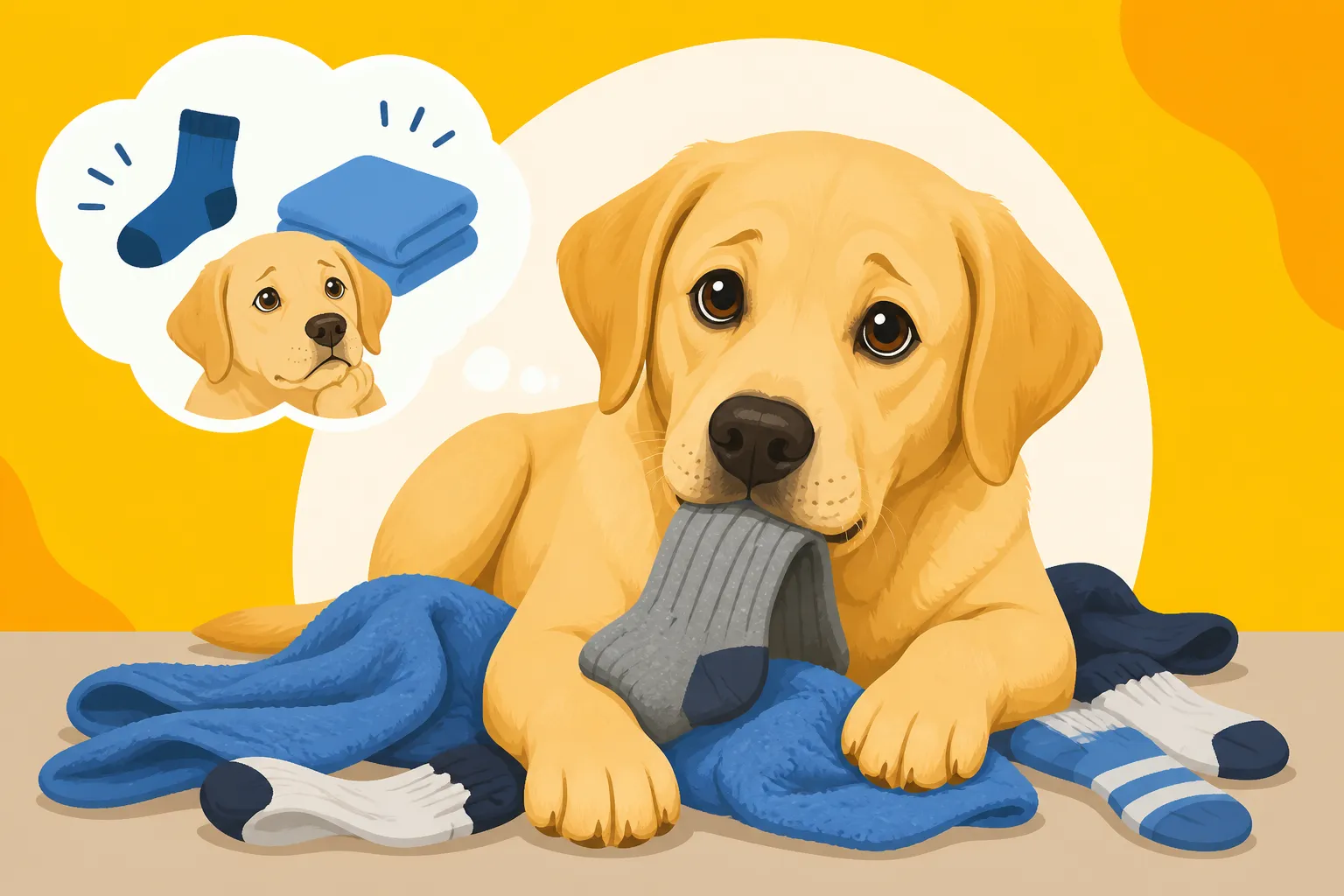
Why a Labrador Eats Socks and Towels
It's incredibly frustrating, isn't it? You walk into a room, only to find your favorite cashmere sock has been turned into a soggy, shredded mess, or your freshly laundered hand towel has vanished, only to reappear in pieces later. This isn't just about lost laundry; it's about worrying for your beloved Labrador's safety. This guide is going to dig deep into why your Labrador seems to have a penchant for eating socks and towels, exploring everything from puppy antics to underlying anxieties, and then, most importantly, arm you with practical strategies to manage and prevent this common (and often dangerous) behavior.
The Deep-Rooted Labrador Drive to Mouth and Chew
Labradors are renowned for their "soft mouths," a trait meticulously bred into them for retrieving game without damaging it. This soft mouth, however, also translates into an inherent, almost primal, need to carry, mouth, and yes, sometimes chew on things. It’s part of their genetic makeup, dating back to their origins as working dogs.
Puppyhood Exploration and Teething
When you bring home a Labrador puppy, it’s like welcoming a tiny, adorable, furry land shark into your life. Everything goes into their mouth. This isn't just mischief; it's a critical part of how they explore their world. Unlike humans who primarily use their hands to investigate, puppies use their mouths. They're trying to figure out textures, shapes, and what's edible versus what's not (a distinction they often fail to make with household items).
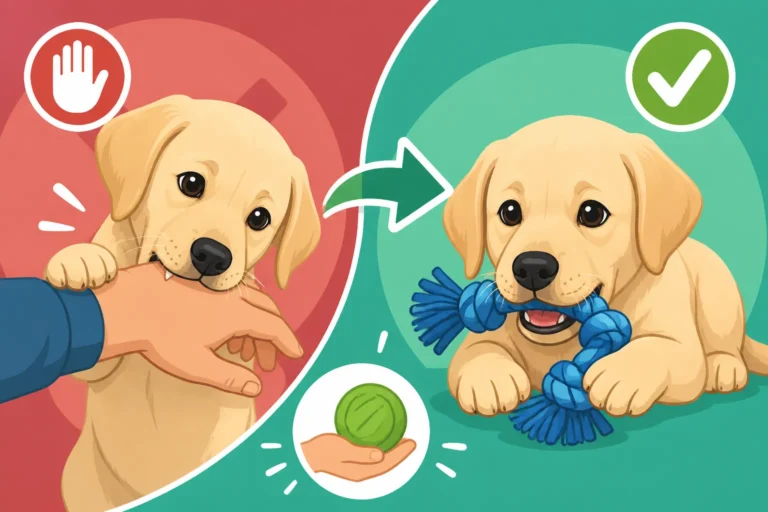
Add to this the discomfort of teething, and suddenly, those soft, pliable socks and towels become irresistible. Just like a baby gnawing on a teething ring, a puppy will seek out items that offer relief to their sore gums. Your laundry basket, brimming with soft, absorbent fabrics, becomes a goldmine of comfort. The problem arises when this natural exploratory and comfort-seeking behavior isn't properly redirected or managed, setting a precedent that can be hard to break as they mature. This early stage is crucial for guiding them towards appropriate chew items, which is why understanding Labrador Puppy Mouthing and How to Redirect It is so important.
Adolescent Chewing and Boredom
As your Labrador moves from puppyhood into the often-challenging stage of adolescence (roughly 6 to 18 months), the chewing can intensify rather than decrease. This isn't just teething anymore; it's often a manifestation of pent-up energy, boredom, or a lack of mental stimulation. Labradors are highly intelligent and energetic dogs, and if they're not given appropriate outlets for their energy and brains, they will find their own "jobs"—and those jobs often involve redecorating your home with shredded items.
Imagine a typical adolescent Labrador left alone for hours with nothing but a few ignored toys. The house is quiet, no one's engaging them, and boredom sets in. A sock, dropped carelessly, might become an impromptu game of "destroy the fabric monster." Or a towel left within reach becomes a satisfying target for their powerful jaws and problem-solving minds. This isn't malicious; it's simply a dog finding an outlet. This is a common phase, and understanding Labrador Chewing Through Adolescence can help owners navigate it with patience and the right strategies.
The Irresistible Allure of Your Laundry
It’s not just any item; it's often your items. There’s a specific cocktail of factors that makes socks, underwear, and towels particularly appealing to a Labrador. It goes beyond just the act of chewing.
Scent Connection and Comfort
Our laundry, especially worn items, carries our unique scent. For a dog, scent is everything. It's how they identify individuals, track, and feel connected to their pack. When your Labrador mouths or chews on a sock or towel that smells strongly of you, they're essentially self-soothing. It's like a child clinging to a parent's sweater or blanket when they're feeling anxious or missing them.
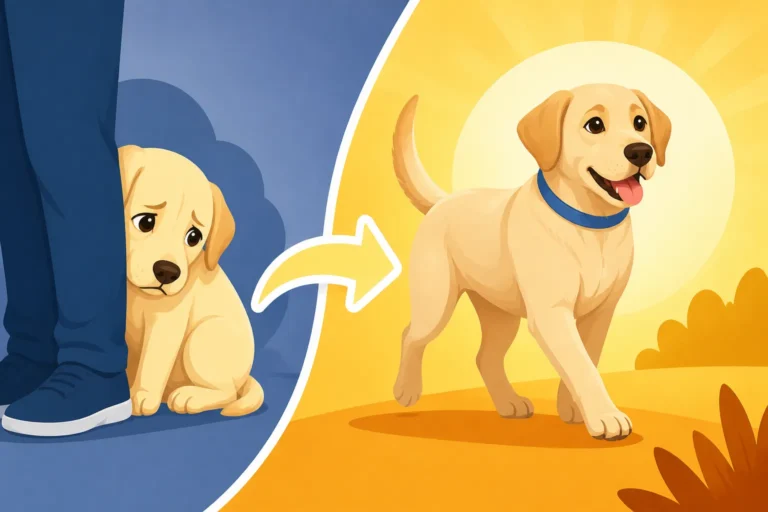
This scent connection can be particularly strong in dogs prone to separation anxiety. If your Labrador becomes distressed when you leave, chewing on your scented items can be a way to cope with that stress, a tangible connection to you that brings them comfort. They're not trying to be naughty; they're trying to feel safe. If you suspect your Labrador is struggling with being alone, delving into Separation Anxiety in Labrador Retrievers might offer more insights.
Texture, Shape, and Satisfying Rip-ability
Think about a sock or a towel. They're soft, pliable, and, crucially, they offer a satisfying "give" when chewed. They can be stretched, pulled, and eventually, gloriously ripped apart. This provides a sensory experience that some harder chew toys simply can't replicate. The act of tearing something apart can be incredibly fulfilling for a dog, mimicking behaviors they might engage in with prey in the wild.
The texture also feels good on their teeth and gums, especially if they have any mild discomfort or simply enjoy the tactile sensation. Furthermore, these items often hold interesting shapes when balled up or knotted, presenting a little challenge for your Labrador to unravel before they can get to the really good tearing action. It's a combination of physical satisfaction and a rudimentary puzzle.
Pica and Nutritional Deficiencies (Less Common but Possible)
While less common than behavioral reasons, sometimes a persistent urge to eat non-food items, known as pica, can be a sign of an underlying medical issue or nutritional deficiency. If your Labrador is not just chewing but actively ingesting large quantities of fabric, and this behavior is new or escalating, it's worth a trip to the vet.
A vet can rule out issues like gastrointestinal discomfort, parasites, or even neurological conditions that might lead to pica. While a complete, balanced diet should prevent nutritional deficiencies, extreme cases or malabsorption issues could theoretically lead a dog to seek out unusual items. Don't jump to conclusions, but if other methods fail and ingestion is common, professional medical advice is paramount. It’s critical to remember that Why Labradors Steal and Swallow Things can sometimes have serious consequences, requiring veterinary intervention.
The Risks of Fabric Ingestion
Beyond the annoyance of ruined laundry, the real danger of your Labrador eating socks and towels lies in the potential for medical emergencies. This isn't just a bad habit; it's a serious health hazard.
Foreign Body Obstruction
The number one concern when a dog eats fabric is a foreign body obstruction. Socks, towels, underwear – these items are not digestible. Once swallowed, they can get lodged anywhere in your Labrador's digestive tract, from the esophagus to the stomach or intestines. A partial obstruction might allow some food and water to pass, leading to intermittent vomiting, lethargy, and loss of appetite. A complete obstruction, however, is a life-threatening emergency, causing severe pain, persistent vomiting, and dehydration.
Signs of an obstruction can include repeated vomiting (especially after eating or drinking), abdominal pain (your dog might hunch or guard their belly), lethargy, loss of appetite, straining to defecate, or diarrhea. If you suspect your Labrador has swallowed a foreign object, do not wait. Immediate veterinary attention is crucial, as surgery is often required to remove the blockage. This is one of the scenarios that can lead to significant Labrador Emergency Vet Bills.
Choking Hazards
Before ingestion, a large piece of fabric can also become a choking hazard. A Labrador's strong jaws can tear off sizable chunks, which, if swallowed incorrectly, could block their airway. This is particularly frightening as it can happen very quickly and without warning.
A dog who is choking might paw at their mouth, gag, cough violently, or show signs of distress like difficulty breathing, blue gums, or collapse. Knowing basic dog first aid, including how to perform the Heimlich maneuver on a dog, can be life-saving in such a situation.
Other Complications
Even if a foreign body passes through the digestive system without full obstruction, it can still cause other problems. The rough texture of some fabrics can irritate the lining of the stomach or intestines, leading to inflammation or bleeding. Over time, chronic ingestion could contribute to nutrient malabsorption or persistent gastrointestinal upset. It's simply not something you want your dog to be doing, ever.
Prevention and Management Strategies
The good news is that with consistency, vigilance, and the right approach, you can significantly reduce or eliminate your Labrador's habit of eating socks and towels. It requires a multi-faceted strategy that addresses both the immediate behavior and the underlying reasons.
| Behavior Reason | Prevention Strategy | Management/Intervention |
|---|---|---|
| Puppy Teething/Exploration | Provide appropriate chew toys (safe, varied textures) | Redirect immediately to a designated chew toy. Use bitter sprays. |
| Boredom/Lack of Stimulation | Increase exercise, mental games, structured playtime | Implement puzzle feeders, regular training sessions, scent work. |
| Separation Anxiety | Gradual desensitization to departures, crate training | Use calming aids (vet-approved), leave "safe" toys, background noise. |
| Scent Connection/Comfort | Provide a designated "comfort" item (safe blanket/toy) | Wash laundry promptly, keep hampers covered, close closet doors. |
| Pica (Medical/Nutritional) | Keep all non-food items out of reach | Vet consultation to rule out underlying health issues/deficiencies. |
| Learned Behavior/Attention | Ignore unwanted behavior, reward desired alternatives | Consistent training, 'leave it' command, management of environment. |
Environmental Management: Make it Impossible
The easiest and most immediate way to stop your Labrador from eating socks and towels is to make them inaccessible. This might sound simple, but it requires diligent effort from everyone in the household.
- Secure Laundry Baskets: Don't use open-top hampers. Invest in sturdy hampers with secure lids that your Labrador can't open or knock over.
- Close Doors: Keep bathroom doors, bedroom doors, and closet doors closed at all times. If a family member tends to leave them ajar, gentle reminders or even childproof latches can help.
- Pick Up Immediately: Make a habit of picking up discarded clothing, towels, and shoes immediately. Don't leave items lying on the floor. This is a game-changer; if the item isn't there, they can't eat it.
- Child Gates: For puppies or adolescent Labs, consider using child gates to restrict access to certain rooms when you can't supervise directly.
This isn't about punishing your dog; it's about setting them up for success. If the temptation isn't there, the opportunity for the unwanted behavior disappears.
Redirection and Appropriate Chew Toys
Once you've managed the environment, the next step is to redirect your Labrador's natural chewing drive towards appropriate outlets. This means providing a variety of appealing, durable, and safe chew toys.
- Variety is Key: Dogs, just like people, can get bored with the same old toy. Offer a rotating selection of different textures and types: rubber chew toys, rope toys, puzzle toys, and appropriate natural chews (like bully sticks, if suitable for your dog and given under supervision). You can find a vast array of options on Amazon, making it easy to experiment and find what your Lab loves.
- Durability Matters: Labradors have powerful jaws. Flimsy toys will be shredded in minutes, potentially leading to ingestion of small pieces. Invest in high-quality, durable toys specifically designed for strong chewers. Look for brands known for their resilience.
- Interactive Chew Toys: Toys that dispense treats, like Kongs stuffed with peanut butter or plain yogurt and frozen, can keep your Labrador engaged for extended periods. This addresses both their chewing needs and provides mental stimulation. Puzzle Feeders That Slow a Greedy Labrador are fantastic for this purpose.
Whenever you catch your Labrador going for an inappropriate item, calmly take it away and immediately offer an approved chew toy. Praise them when they take the toy and start chewing on it. Consistency here is vital.
Addressing Underlying Behavioral Issues
If your Labrador's fabric eating seems tied to anxiety or boredom, a more holistic approach is needed.
- Increase Exercise and Mental Stimulation: A tired Labrador is a good Labrador. Ensure your dog is getting sufficient physical exercise each day – not just a potty break, but a real walk, run, or swim. Beyond physical activity, mental stimulation is equally important. Incorporate daily training sessions (even just 10-15 minutes), obedience drills, scent games, or interactive puzzle toys. Remember, Mental Work for a Bored Labrador can be just as tiring as a long run.
- Combatting Separation Anxiety: If your Labrador truly struggles when left alone, simply removing the items might not solve the underlying anxiety. You might see the behavior manifest in other destructive ways. This is a complex issue that often requires a gradual desensitization program, sometimes with the help of a professional dog trainer or veterinary behaviorist. Leaving them with a special, high-value chew toy (only given when you leave) can sometimes help associate your departure with something positive. Companies like BAXTER & Bella offer excellent online resources and training programs that can guide you through managing separation anxiety and other behavioral challenges.
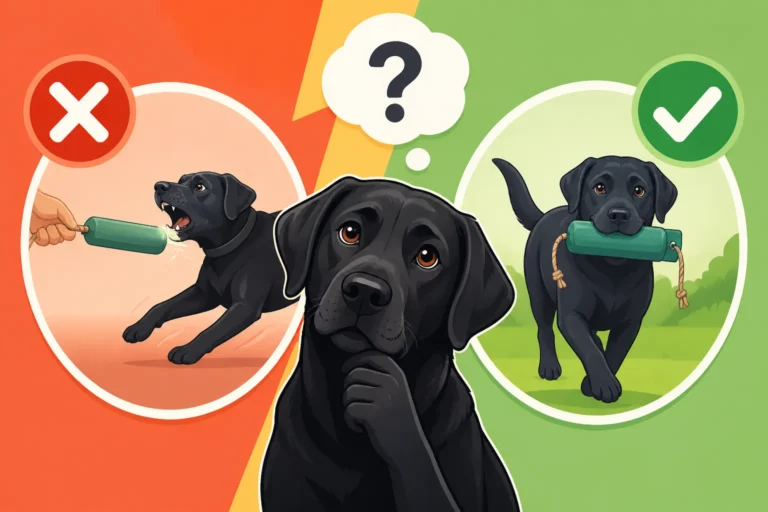
- The "Drop It" and "Leave It" Commands: These commands are incredibly useful life skills for any dog, but especially a Labrador who enjoys picking up inappropriate items. "Leave It" teaches them to ignore something tempting, while "Drop It" teaches them to release something they already have in their mouth. Practice these commands regularly with low-value items and gradually increase the difficulty.
When to Seek Professional Help
While many cases of fabric eating can be managed with consistent training and environmental control, there are times when professional intervention is necessary.
- Persistent Ingestion and Medical Concerns: If, despite your best efforts, your Labrador continues to ingest fabric and you're worried about obstructions, a trip to the vet is crucial. They can assess for medical pica, rule out nutritional deficiencies, or discuss procedures like prophylactic gastropexy if your Labrador is also at risk for bloat and will be undergoing surgery for another reason.
- Severe Anxiety or Aggression: If the fabric eating is part of a larger pattern of destructive behavior, excessive vocalization, or aggression when you try to take items away, a certified professional dog trainer or veterinary behaviorist can provide a tailored plan. They can help identify triggers and develop a comprehensive strategy for managing complex behavioral issues.
Don't feel ashamed or defeated if you need to call in the experts. Raising a Labrador, especially one with strong drives, is a journey, and sometimes, we all need a little extra guidance to ensure our furry companions are happy, healthy, and safe.
Disclaimer
This article is for general informational purposes only and does not constitute professional advice. Laws, prices and regulations vary by location and change over time. Consult a qualified professional for guidance on your specific situation.