Force Fetch and Whether a Labrador Needs It
Many Labrador owners, especially those new to the world of serious dog training or gundog work, often hear the term "force fetch" and immediately feel a knot of anxiety in their stomach. It sounds harsh, even cruel, and it brings up valid questions about whether such a method is truly necessary or appropriate for their beloved, eager-to-please Labrador. This guide aims to demystify force fetch, explain its origins and application, and help you understand if it's something you should ever consider for your own Labrador, or if more positive, modern alternatives are a better fit for your training goals.
Understanding Force Fetch: What It Is and Isn't
The term "force fetch" itself often conjures up images of harsh methods and unwilling dogs, leading to a lot of misunderstanding and debate within the dog training community. It's a method steeped in tradition, particularly in the gundog world, designed to create a perfectly reliable retrieve, but it's not simply about making a dog do something against its will.
The Core Concept Behind Force Fetch
At its heart, force fetch is a conditioning process designed to teach a dog that it must pick up an object, hold it steadily, and deliver it to the handler upon command, regardless of distractions or desire. It's about instilling absolute reliability in the retrieve. For many Labs, retrieving comes naturally – they live for it! But sometimes, even the most enthusiastic retriever might be distracted, drop a bird short, or become possessive. Force fetch aims to eliminate these inconsistencies by building a solid foundation where the dog understands that the retrieve is not optional. It’s a job to be completed, every single time. The goal is to create a dog that fetches because it understands the command, not just because it feels like it in that moment. It might sound a bit like breaking a dog's spirit, but proponents argue it's about building a deep understanding of a critical command that can actually reduce frustration for both dog and handler in high-stakes scenarios.
Why the Name "Force" Carries Controversy
The "force" in force fetch refers to the use of pressure, typically an ear pinch or toe pinch, to motivate the dog to perform the desired action (taking the object in its mouth) and then releasing that pressure the instant the dog complies. This pressure is then systematically applied and removed until the dog associates the command "fetch" (or "hold") with the act of retrieving, and more importantly, associates relief from pressure with compliance. Critics often argue that this method is aversive, can damage the dog's spirit, and might create a dog that retrieves out of fear rather than joy. There's a strong argument to be made that Labradors are so eager to please and so naturally inclined to retrieve that such a method is unnecessary. For a pet Labrador, many owners find the idea of using any physical pressure for training deeply uncomfortable, and understandably so. It's a method that requires impeccable timing, consistency, and a deep understanding of dog behavior to be executed correctly and humanely. When done poorly, it can indeed be detrimental.
When is Force Fetch Considered "Necessary" for a Labrador?
Deciding whether force fetch is "necessary" for your Labrador depends almost entirely on your goals for your dog. For the vast majority of pet owners, it's not a technique they'll ever need to consider. However, for specialized working roles, the answer can be different.
The Demands of Advanced Gundog Work
In the world of competitive gundog trials or professional hunting, a reliable retrieve is paramount. A dog that might drop a valuable bird, chew it, or refuse to pick it up in challenging conditions is simply not effective. For these high-level tasks, where thousands of dollars might be invested in training and breeding, handlers often turn to force fetch to ensure a retrieve that is 100% consistent and proofed against every distraction. Imagine a scenario where a duck falls into thick cover or deep, cold water. A naturally enthusiastic retriever might hesitate, but a force-fetched dog has been conditioned to complete the task without question. This training ensures that the dog performs consistently under pressure, fatigue, or challenging environmental conditions. It's not just about compliance; it's about making sure the dog can do its job effectively and safely, especially when handling delicate game. Training a Labrador for Gundog Work often involves a wide array of specialized skills, and for many, force fetch is considered a foundational piece of that advanced curriculum.
Addressing Persistent Retrieve Issues
Sometimes, even a Labrador with a strong natural retrieve can develop bad habits. Perhaps they mouth the retrieve excessively, drop it before reaching the handler, or get distracted and play with it instead of delivering. In these specific cases, force fetch can be used as a corrective measure to reinforce the correct behavior: picking up, holding, and delivering. It’s often a last resort for trainers who have exhausted other positive reinforcement methods to fix a critical retrieving flaw that prevents the dog from performing its intended job. For instance, if a dog habitually drops the bird at its feet, force fetch can teach the dog to maintain the hold until given the "release" command. It's about creating clarity for the dog regarding the exact expectations of the retrieve, ensuring that Teaching a Labrador to Drop It Reliably is done on the handler's terms, not the dog's.
Pet Labradors: Is It Really Essential?
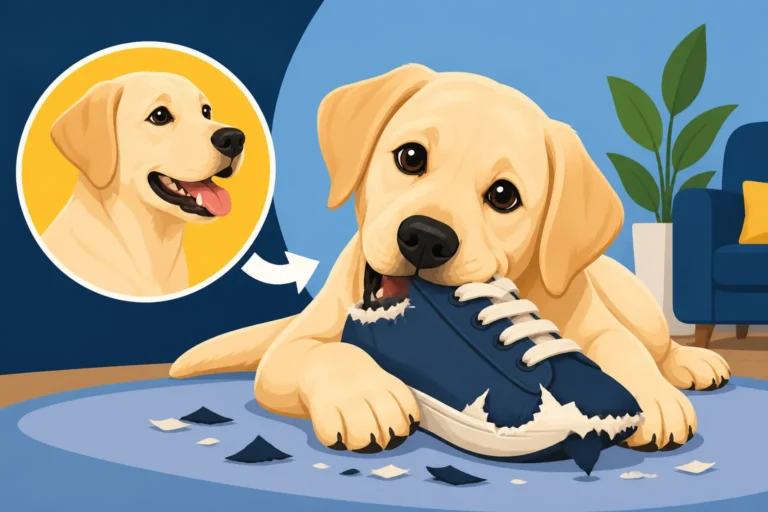
For the average family pet Labrador, force fetch is almost never essential. Your Labrador’s natural desire to please, paired with their inherent love of carrying things (a true Channeling a Labrador's Retrieving Drive trait!), means that a reliable retrieve can almost always be built using positive reinforcement. Teaching a dog to fetch and deliver toys can be a joyful, bonding experience that doesn't require any aversive techniques. Games like fetch, hide-and-seek with toys, and encouraging them to pick up and carry items like shoes (a common Labrador quirk, as seen in Why Labradors Love Carrying Shoes) can build a strong retrieve drive. If you're struggling with a pet Labrador dropping things or not bringing them back, focusing on high-value rewards, enthusiastic praise, and making the retrieve game incredibly fun will likely solve 99% of your problems. Many online platforms, such as BAXTER & Bella, offer comprehensive, positive-reinforcement based training programs that guide owners through building a strong retrieve without resorting to pressure-based methods. These programs focus on shaping behavior, building motivation, and proofing commands through engaging exercises, showing that Training a Labrador From Puppy to Adult can be accomplished without traditional force fetch.
Here's a quick comparison of the reasons someone might or might not choose force fetch:
| Aspect | Rationale for Using Force Fetch | Rationale for Avoiding Force Fetch |
|---|---|---|
| Primary Goal | Absolute, non-negotiable retrieve reliability (e.g., gundog). | Happy, enthusiastic retrieve as a form of play/bonding. |
| Dog's Role | Professional working dog, competitive athlete. | Family companion, general obedience. |
| Behavior Issue | Dropping game, chewing, refusing to pick up crucial items. | Occasional short drops, general distraction (easily fixed). |
| Handler Skill | Highly experienced trainer with precise timing and knowledge. | General pet owner, desire for positive-only methods. |
| Risk Potential | High if done incorrectly, can damage confidence. | Low, focus on building positive associations. |
| Alternatives | Limited for high-stakes work, but positive methods tried first. | Positive reinforcement, shaping, high-value rewards. |
The Force Fetch Process: A General Overview of the Steps
It's important to understand the steps involved in force fetch, not as a guide to perform it yourself without expert supervision, but to comprehend the process and why it's structured the way it is. This is a progressive system, building one layer upon the next.
Introducing the "Hold" Command
The very first step in force fetch is often teaching the "hold" command. The dog learns to simply hold an object in its mouth until released, without any fetching involved. This is usually taught while the dog is sitting beside the handler. The handler gently places an object (often a dowel or a specialized training bumper) into the dog's mouth and immediately gives the "hold" command. If the dog drops it, the object is replaced, and the command is repeated. Pressure (like the ear pinch) would be applied and released as the dog grasps and holds the object. The immediate release of pressure is key here, teaching the dog that holding the object stops the unpleasant sensation. This step is about conditioning the dog to accept and maintain possession of an object on command, establishing the foundation for a "soft mouth" and a steady retrieve.
The Ear Pinch Method and Its Purpose
The ear pinch (or sometimes a toe pinch) is the most recognizable and controversial element of traditional force fetch. Once the dog understands "hold," the trainer introduces the ear pinch before placing the object in the dog's mouth, while simultaneously giving the "fetch" command. The pressure is maintained until the dog actively takes the object into its mouth, at which point the pressure is instantly released. The dog quickly learns that the pressure stops the moment they comply with the "fetch" command. This repetition, hundreds of times, creates an ingrained response: "fetch" means pick up the object, and doing so immediately stops any discomfort. It’s critical that the pressure is just enough to motivate, not to cause pain or fear, and that the release is instantaneous upon the desired action. The purpose isn't to hurt the dog, but to create a clear consequence for non-compliance and an equally clear reward (relief) for compliance.
Graduating to Retrieving on Command
After the "hold" and "fetch" commands are solid with the ear pinch, the training progresses. The dog is then taught to walk out a short distance, pick up an object, and return it. This might start with the object directly in front of them, moving to slightly further distances, over low obstacles, and eventually in more complex, distracting environments. The trainer can still apply the pressure (or simulate it with a remote collar, if using advanced tools) if the dog hesitates or refuses to pick up the object, until the dog retrieves it reliably. The goal is to generalize the behavior so the dog retrieves any object, anywhere, every time they are given the command. For a dog that genuinely loves retrieving, this phase often sees the pressure fading away, as the dog willingly performs the action. Retrieving Games That Tire a Labrador are excellent ways to practice this willingness in a low-pressure environment, which is what most pet owners should focus on.
Ethical Considerations and Modern Alternatives to Force Fetch
The ethical debate around force fetch is ongoing and passionate. As dog training evolves, many trainers and owners are seeking methods that are equally effective but rely solely on positive reinforcement.
Balancing Efficacy with Humane Training
For many, the question isn't just "does it work?" but "at what cost?" While force fetch can be incredibly effective in creating a highly reliable retrieve, especially for working dogs, the potential for misuse or negative impact on a dog's temperament is a serious concern. A well-bred Labrador thrives on positive interaction and praise. Building a retrieve through gentle shaping, play, and reward-based methods often results in a dog that performs with enthusiasm and joy, which is what most owners desire. However, for a gun dog, where safety in the field and the successful retrieval of game is paramount, some argue that the precision and reliability gained from force fetch are indispensable. The balance lies in understanding the specific needs of the dog and the job, and then selecting the most humane and effective training approach. This is why Choosing a Trainer for a Labrador is so critical; finding someone whose philosophy aligns with your values is key.
Positive Reinforcement: Building a Reliable Retrieve Without Force
For pet Labradors, and even many working Labradors, a reliable retrieve can absolutely be built using solely positive reinforcement. This involves making retrieving the most rewarding activity possible. Start by making the act of picking up the object fun, rewarding even the slightest interaction with the item. When your Labrador brings something to you, celebrate it! Use high-value treats (think pieces of cooked chicken or cheese), enthusiastic praise, and more play. Gradually build duration (how long they hold it) and distance (how far they retrieve it). If they drop it too early, simply ignore the dropped item and walk away, teaching them that the game only continues when the item is delivered to hand. Brands like BAXTER & Bella provide comprehensive online training platforms that exemplify these positive reinforcement methods, guiding owners step-by-step through building a reliable retrieve from puppyhood to adulthood. Many people have found great success using these positive methods to teach their Labs a solid "come" command and a consistent retrieve, eliminating the perceived "need" for force. Even for specific behaviors like Fading Food Rewards With a Labrador, positive methods are far more effective in the long run.
Seeking Professional Guidance and Resources
If you are considering any advanced training technique, especially one as potentially impactful as force fetch, professional guidance is non-negotiable. Attempting force fetch without an experienced mentor can lead to psychological damage for your dog and a breakdown of trust. Look for trainers who are certified, have a proven track record, and are transparent about their methods. For those interested in gundog work, seek out reputable gundog trainers who can explain their philosophy and demonstrate their techniques. Ask questions, observe training sessions, and ensure that the methods align with your ethical boundaries. Sometimes, what a dog needs isn't "force," but simply clearer communication and more engaging motivation, something a skilled positive reinforcement trainer can provide. Online resources and forums, and even instructional videos on platforms like Amazon, can offer insights into different training philosophies, but should never replace hands-on guidance from a qualified professional. Before committing to a particular training path, it’s always worth exploring options such as Whether Board and Train Suits a Labrador, but again, only with a trainer whose philosophy you fully understand and trust.
Disclaimer
This article is for general informational purposes only and does not constitute professional advice. Laws, prices and regulations vary by location and change over time. Consult a qualified professional for guidance on your specific situation.