Why You Never Shave a Labrador
You might be looking at your shedding Labrador, especially as the warmer months approach, and thinking, "Wouldn't a shave just solve all our problems?" It's a really common thought, particularly when you're sweeping up tumbleweeds of fur every day or seeing your beloved companion panting in the heat. However, when it comes to a Labrador's unique double coat, reaching for the clippers is almost always a decision that leads to more issues than solutions. This guide will walk you through exactly why shaving a Labrador is generally not recommended and what you can do instead to keep them comfortable and their coat healthy.
Understanding Your Labrador's Magnificent Double Coat
Before we dive into why shaving is a no-go, let's really appreciate what makes a Labrador's coat so special. It's not just a single layer of fur; it's a marvel of natural engineering, perfectly adapted to their original role as retrieving dogs in icy waters. This fantastic fur is what we call a "double coat."
The Two Layers: Undercoat and Guard Hairs
Your Labrador's coat is made up of two distinct layers, each with its own crucial job.
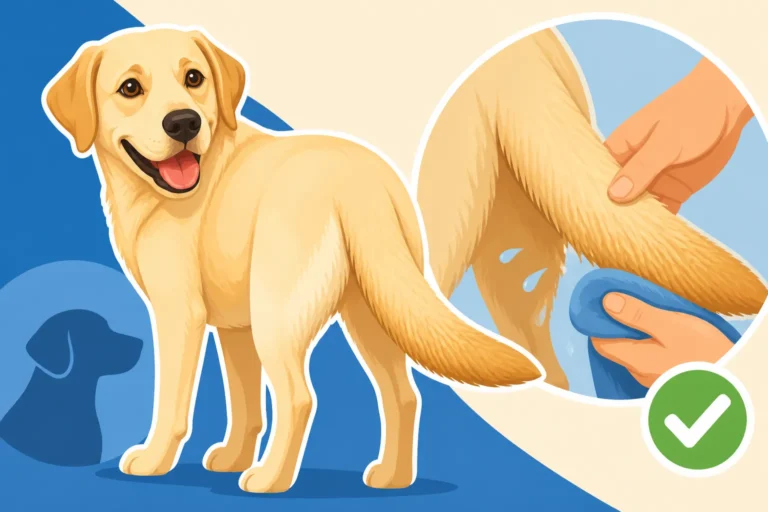
First, there's the undercoat. This is the soft, dense, downy layer closest to your dog's skin. Think of it like a very efficient thermal blanket. In cold weather, these hairs trap warm air against the body, keeping them toasty. In hot weather, it works in reverse: the undercoat sheds, creating a lighter, airy layer that allows air to circulate, keeping the skin cool and acting as insulation against the sun's intense rays. It's a natural air conditioning system, believe it or not! When you’re dealing with the massive amounts of fur during their seasonal "coat blow," it’s primarily this undercoat that’s coming out. If you want to learn more about this natural process, take a look at Labrador Shedding and How to Manage It.
Then, there are the guard hairs. These are the longer, coarser, and often glossier hairs that form the outer layer of your Labrador's coat. They are specifically designed to be water-resistant, almost like a natural raincoat. These hairs protect the delicate undercoat from getting wet and keep dirt, debris, and UV rays from reaching the skin. The guard hairs are quite tough and lie smoothly over the undercoat, contributing to that sleek, classic Labrador look. This outer layer is what gives a Labrador's coat its legendary ability to repel water, a critical feature for dogs bred to jump into freezing lakes.
The Critical Functions of the Double Coat
Both layers work in harmony to perform several vital functions that are essential for your Labrador's health and well-being.
One of the most important roles is thermoregulation. This means regulating their body temperature. As mentioned, the undercoat acts as insulation against both extreme cold and heat. It's a common misconception that shaving a double-coated dog will make them cooler. In reality, you're stripping away their natural defense against the sun and heat, making them more susceptible to overheating and sunburn. Imagine trying to stay cool in the desert without a hat or appropriate clothing; your Labrador's coat is their built-in sunshade and cooling system.
The guard hairs provide excellent protection from the elements. They deflect rain, snow, and ice, keeping your dog's skin dry. They also form a physical barrier against insect bites, allergens, and thorns or sharp objects encountered during outdoor adventures. Without this protective layer, your Labrador's skin is much more vulnerable to injury and irritation. For a deeper dive into the structure, check out Why a Labrador Coat Has Two Layers.
Why Shaving Harms, Not Helps: The Unexpected Consequences
Given how perfectly evolved your Labrador's coat is, it makes sense that interfering with it can lead to a host of problems. Shaving, despite its seemingly logical appeal, disrupts these natural functions in ways that are often detrimental.
Disrupting Natural Thermoregulation
The biggest reason not to shave a Labrador, especially for summer, is the severe impact on their ability to stay cool. When you shave off the undercoat, you remove the very system designed to regulate their temperature. The remaining guard hairs, if they even grow back properly, are not equipped to do the job alone.
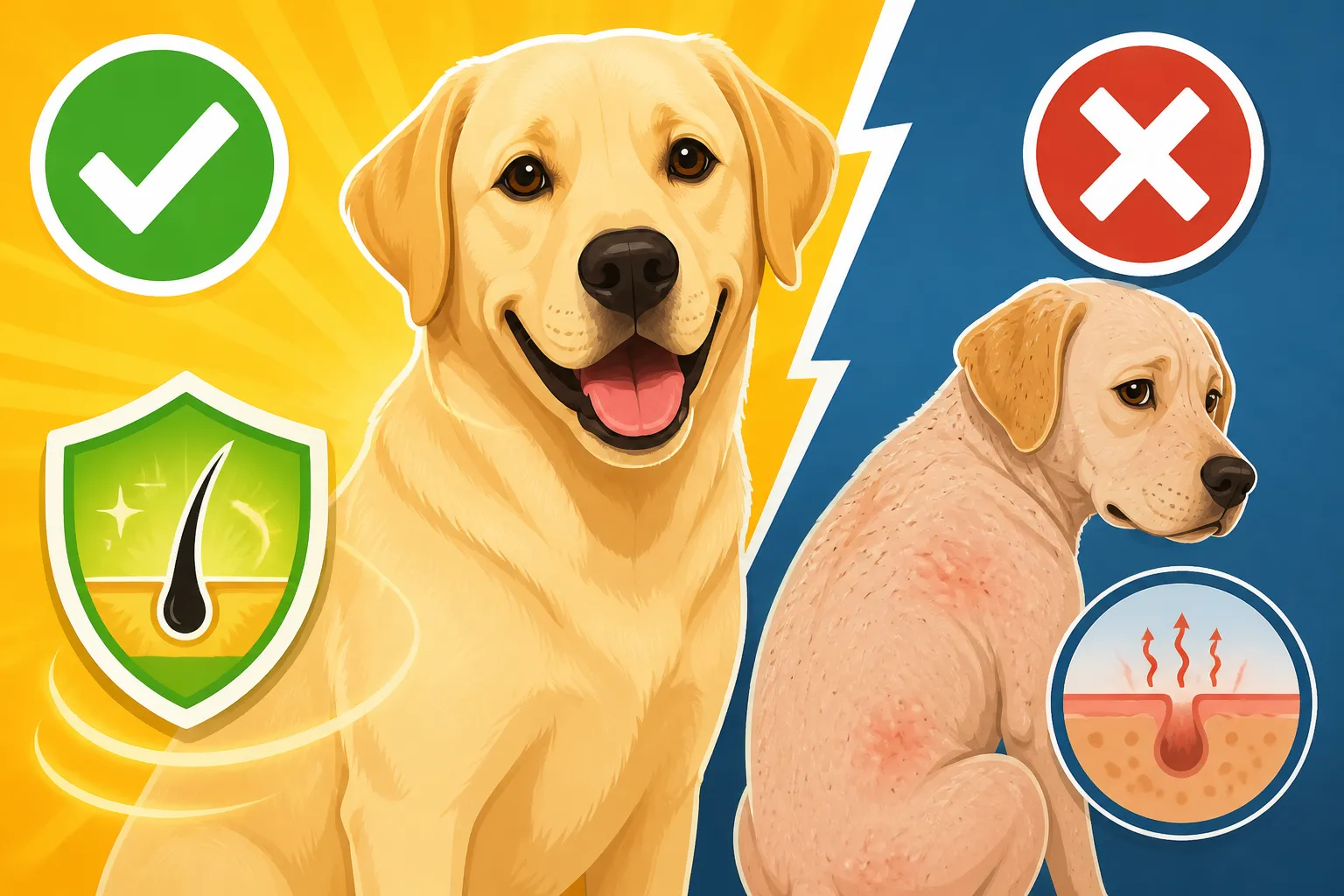
Without the insulating undercoat, your Labrador's skin is directly exposed to the sun. This doesn't just make them feel hotter; it significantly increases their risk of sunburn, which can be painful and even lead to skin cancer. Furthermore, the lack of airflow provided by the natural undercoat means heat gets trapped against their body, making them more prone to heatstroke. This is a serious, life-threatening condition for dogs, and ironically, shaving them to "cool them down" actually puts them at greater risk. Keeping a Labrador Cool in Summer details safer, more effective methods.
Irreversible Coat Damage and Unpredictable Regrowth
Another significant issue with shaving a Labrador is the damage it can cause to the coat itself, which might not be reversible.
When a double coat is shaved, the guard hairs and undercoat often grow back at different rates. The soft, dense undercoat usually grows back much faster and thicker than the slower-growing guard hairs. This can lead to what's sometimes called "clipper alopecia" or "post-clipping alopecia," where the coat grows back unevenly, patchy, or with a distinctly different texture. The beautiful, water-resistant guard hairs might never return to their original state, leaving your Labrador with a dull, cottony, and often coarser coat that is no longer effective at repelling water or insulating properly. This altered texture can also make them more prone to matting and skin issues down the line. It's a permanent change for many dogs, and something to consider deeply before acting on.
Increased Risk of Skin Problems
With their natural protection compromised, shaved Labradors are highly susceptible to various skin issues.
Direct exposure to sunlight, as mentioned, can cause painful sunburns. But it’s not just the sun. The exposed skin is an open invitation for insect bites, from mosquitoes to fleas and ticks. Without the barrier of their coat, these pests have direct access to the skin, increasing the risk of irritation, allergic reactions, and disease transmission. Additionally, environmental irritants, pollens, and allergens can more easily reach the skin, potentially triggering or worsening skin conditions like Labrador Hot Spots and Allergies. What was intended to be a helpful gesture can quickly turn into a vet visit for skin infections or severe itching.
It Doesn't Actually Stop Shedding
Here's the kicker: shaving your Labrador won't stop them from shedding. It just means the hairs they shed will be shorter and might be harder to see. The underlying biological process of shedding, where old hair follicles are replaced by new ones, continues regardless of whether the coat is shaved. In fact, by damaging the coat's natural growth cycle, you might even find that future shedding becomes more unmanageable because the undercoat grows back profusely without the guard hairs to keep it in check. You'll still be cleaning up fur; it just won't be long fur.
Managing Shedding and Heat Without the Clippers
So, if shaving isn't the answer, what should a responsible Labrador owner do to keep their dog comfortable and their coat healthy? The solution lies in consistent, proper care that works with their natural coat, not against it.
Consistent Grooming is Key
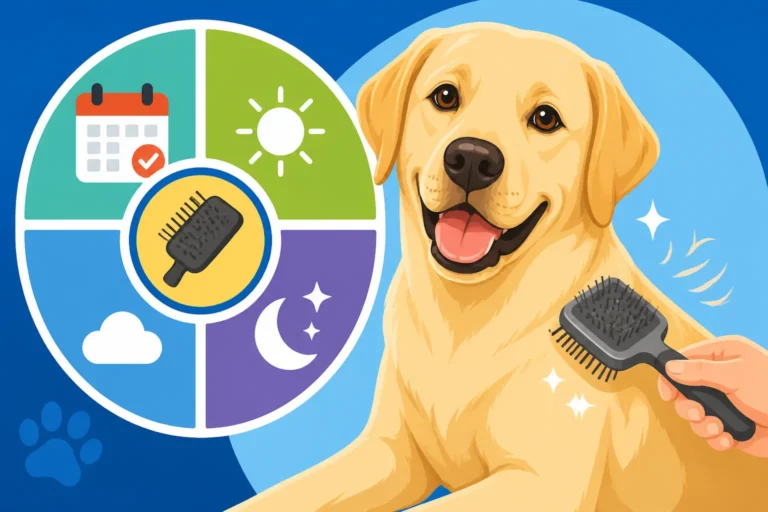
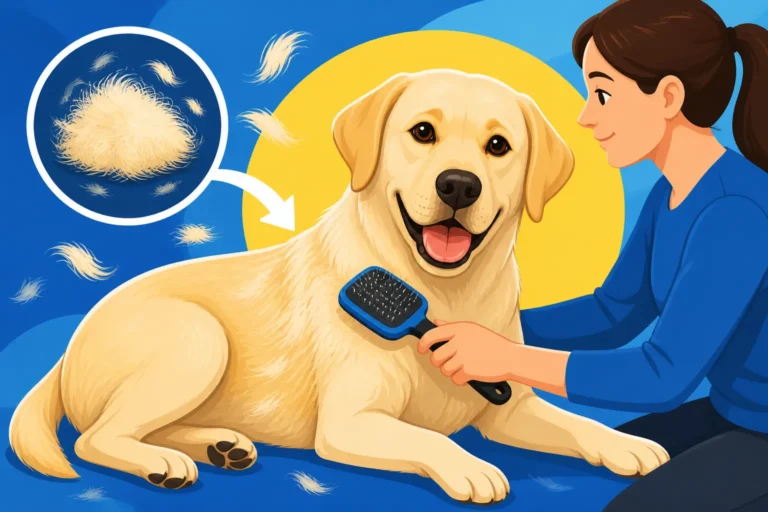
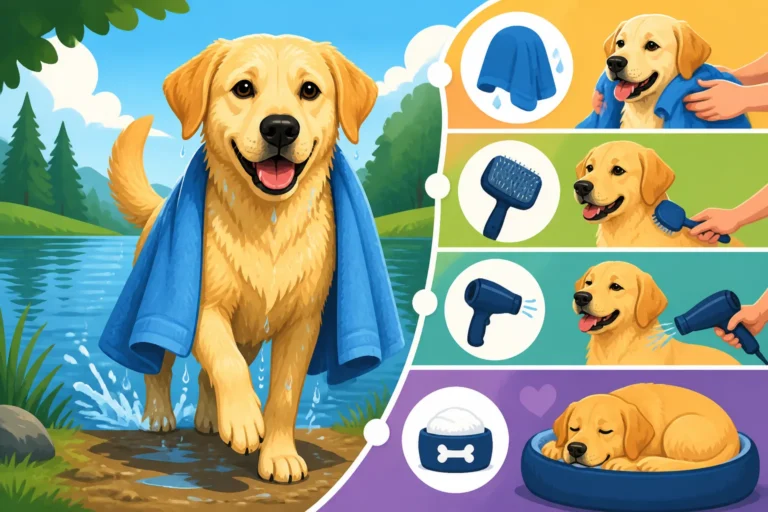
The absolute best way to manage shedding and maintain a healthy coat for your Labrador is through regular and thorough grooming. This means brushing, brushing, and more brushing, especially during their twice-yearly "coat blows."
Invest in the right tools. A good deshedding tool, like a rake or a shedding blade, can work wonders in removing the loose undercoat without damaging the guard hairs. Rubber curry brushes are also excellent for massaging the skin and bringing up loose fur. Brushing several times a week, and even daily during peak shedding season, will significantly reduce the amount of fur around your home and prevent matting in the undercoat. You can find a fantastic array of these tools on sites like Chewy, making it easy to stock up. For a detailed guide on techniques and tools, see How Often to Brush a Labrador.
Professional groomers can also be a huge asset. They have specialized tools and techniques, such as high-velocity dryers, that can blow out an incredible amount of loose undercoat, leaving your dog much lighter and more comfortable without ever touching clippers to their body.
Effective Cooling Strategies
Instead of shaving, focus on genuinely cooling your Labrador from the inside out and providing external relief.
- Hydration: Always ensure your Labrador has access to fresh, cool water. On hot days, consider adding ice cubes to their water bowl.
- Shade and Indoors: Limit outdoor exercise during the hottest parts of the day. Early mornings and late evenings are much safer. Provide ample shade in your yard or bring them indoors where it's air-conditioned.
- Water Play: Labradors famously love water! A kiddie pool in the backyard, a supervised swim in a lake, or even a damp towel draped over them can help lower their body temperature. Remember to always dry their ears thoroughly after swimming to prevent infections, as detailed in Labrador Ear, Paw and Nail Care.
- Cooling Gear: There are many excellent cooling vests, mats, and bandanas available that utilize evaporative cooling or gel technology. Platforms like Amazon offer a wide selection of these products that are far more effective and safer than shaving.
- Avoid Over-Exercising: Even on moderately warm days, an intense play session can quickly lead to overheating. Adjust their Exercise a Labrador Needs Each Day to account for temperature.
Nutrition and Overall Health
A healthy coat starts from within. The quality of your Labrador's diet plays a significant role in coat health and even the amount of shedding.
Feed a high-quality, balanced diet appropriate for their life stage and activity level. Look for foods with omega-3 and omega-6 fatty acids, which are crucial for skin and coat health. A high-quality diet, like those offered by companies such as Ollie, can also play a huge role in the health and integrity of your Labrador's coat, potentially even reducing excessive shedding by promoting stronger hair follicles. Consult your vet if you're unsure about the best diet for your specific dog. Proper nutrition can help minimize dry, brittle hair that breaks easily and contributes to shedding.
Regular vet check-ups are also important. Sometimes, excessive or unusual shedding can be a sign of underlying health issues, allergies, or parasitic infections. Your vet can rule out any medical causes and offer advice tailored to your Labrador.
When Shaving Might Be Considered (and Why It's Still Rare)
There are very, very few circumstances where shaving a Labrador might be considered, and these are almost exclusively medical, under strict veterinary guidance.
For instance, if a Labrador requires surgery, the area around the incision site will need to be shaved. This is a targeted shave for a specific medical purpose and is not a full-body clip. Similarly, in cases of severe skin disease, such as widespread fungal infections or aggressive hot spots that cover large areas, a vet might recommend shaving to allow topical medications to reach the skin effectively and promote healing. However, even in these situations, the decision is made by a veterinarian who weighs the benefits against the risks, and it's a temporary measure with the goal of coat regrowth. It's never for comfort, aesthetics, or to reduce shedding.
A healthy Labrador with a healthy coat does not need to be shaved. Their coat is a testament to thousands of years of natural selection, perfectly designed for their needs. Trust in nature's design, and use the right tools and techniques to support it, rather than disrupt it.
Shaving a Labrador: Myths vs. Realities
To summarize, let's look at some common myths about shaving a Labrador and the actual realities you'll encounter.
| Myth About Shaving a Labrador | Reality of Shaving a Labrador |
|---|---|
| "It keeps them cooler in summer." | Removes natural insulation, increases heat absorption and risk of heatstroke. |
| "It stops the shedding completely." | Does not stop shedding; only makes the shed hairs shorter and can damage the coat for future shedding. |
| "Their fur will grow back the same." | Often grows back patchy, dull, or with an altered, coarser, or cottony texture. |
| "It's good for skin health." | Exposes skin to sunburn, insect bites, environmental irritants, and increased allergy risk. |
| "It makes them cleaner." | Can lead to more skin problems and does not inherently make them cleaner than regular bathing and brushing. |
Ultimately, your Labrador's double coat is one of its most defining and protective features. By understanding its purpose and committing to regular, appropriate grooming, you can keep your Labrador comfortable, cool, and healthy, without ever needing to pick up those clippers.
Disclaimer
This article is for general informational purposes only and does not constitute professional advice. Laws, prices and regulations vary by location and change over time. Consult a qualified professional for guidance on your specific situation.