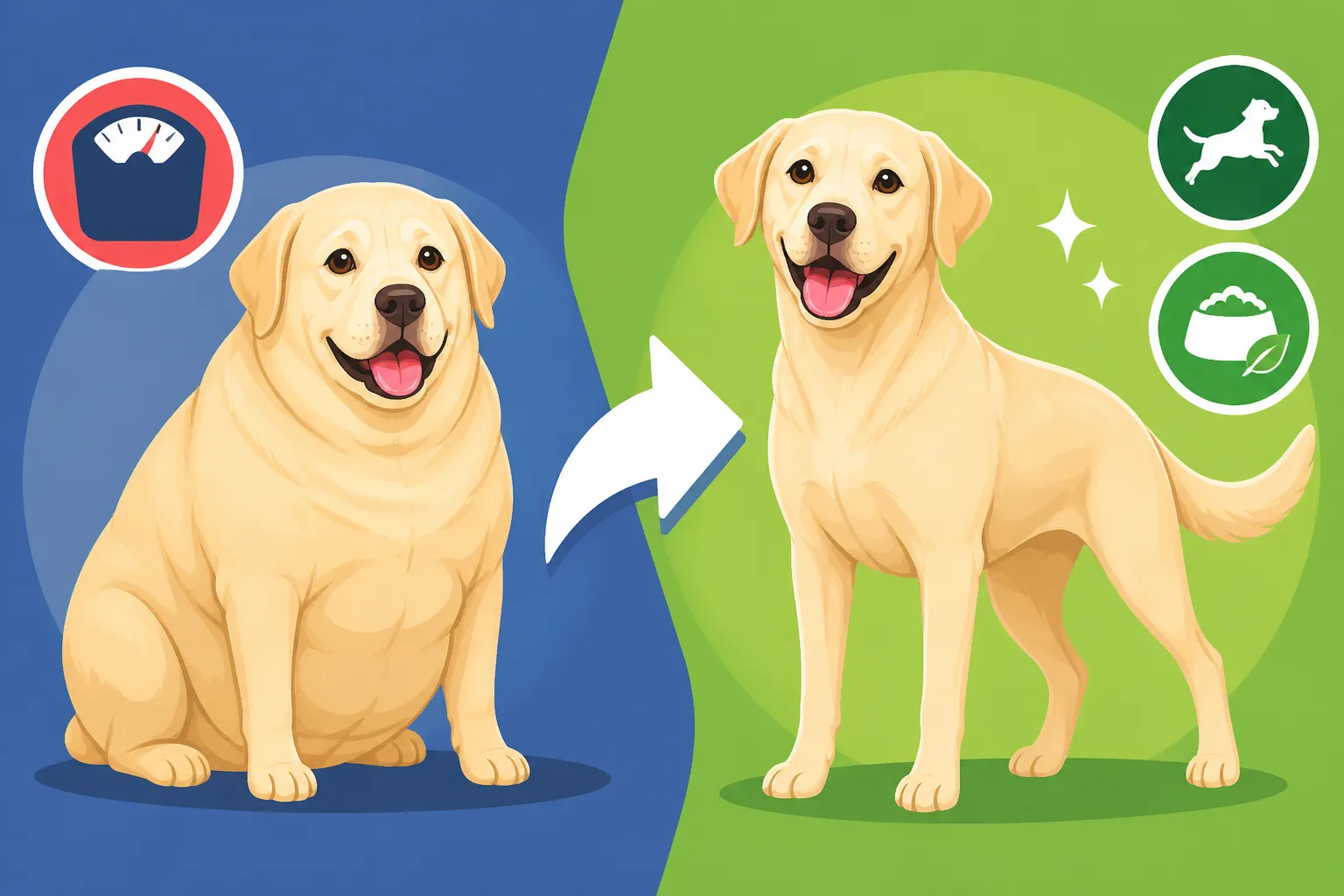
Getting Weight Off an Overweight Labrador
It’s a struggle so many of us Labrador owners know all too well: one minute you have a lean, energetic pup, and the next, you’re looking at a dog whose waistline has…expanded. Our beloved Labs are notorious food enthusiasts, and those extra pounds can creep on silently, often leading to a range of health issues that no one wants for their best friend. This guide is here to walk you through the practical, empathetic steps to help your Labrador shed those unwanted pounds and embrace a healthier, happier life.
Understanding Why Labradors Get Overweight
Before we dive into the "how," it's vital to understand the "why." It's easy to feel guilty when your Labrador is overweight, but it's rarely due to a lack of love. More often, it's a combination of their unique genetic makeup and our own well-intentioned habits. Knowing these factors can help us tackle the problem more effectively and with less self-blame.
Genetic Predisposition and Appetite
One of the biggest culprits behind Labrador weight gain is actually rooted in their DNA. Research has shown that a significant percentage of Labradors carry a specific genetic mutation – a deletion in the POMC gene. This particular gene plays a crucial role in regulating appetite and energy expenditure. Dogs with this mutation essentially have a "broken" off switch for hunger; their brains don't get the signal that they're full, even after eating a perfectly adequate meal. This is a very real, physiological reason why your Labrador might seem constantly hungry, always searching for crumbs, and never quite satisfied. It's not just a personality quirk; it's hardwired.
This genetic factor means that while other breeds might naturally regulate their intake, our Labs are often fighting an uphill battle against their own biology. You might feed your Labrador the exact same amount of food as your neighbor feeds their similarly sized dog of a different breed, yet your Lab still packs on the pounds. It’s an incredibly frustrating reality for many owners, as it feels like you're constantly battling a bottomless pit of hunger. Understanding that this isn't simply your dog being "greedy" can shift your perspective and help you approach their diet with more patience and a clearer strategy. It's a key reason why Why Labradors Gain Weight So Easily is such a common topic among us.
Lifestyle Factors and Unintended Overfeeding
Beyond genetics, our everyday habits play a huge role. We love our Labs, and showing that love often involves treats, table scraps, and perhaps a slightly too-generous scoop of kibble. A handful of treats here, a bite of dinner there, and suddenly, those calories add up alarmingly fast. Many owners simply aren't aware of the caloric density of common dog treats or how much human food really contributes to their dog's daily intake. That extra piece of cheese or leftover pasta might seem small to us, but for a 70-pound dog, it can be the equivalent of us eating an entire extra meal.
Another common factor is the "top-off" method, where we simply add more food to the bowl when it looks low, rather than strictly measuring portions. This can lead to significant overfeeding over time. Lack of consistent, appropriate exercise also compounds the issue. While Labradors are naturally active, many pet Labs don't get the consistent, high-energy outlets their bodies crave, especially those from show lines who might have a slightly lower inherent energy drive than their field-bred cousins. Without enough physical activity to burn off calories, and with that constant genetic push to eat, weight gain becomes almost inevitable. It's a silent creeping problem that can significantly impact Labrador Obesity and the Years It Costs.
Assessing Your Labrador's Current Weight
Before you embark on any weight loss journey, you need to know where you're starting from. Simply looking at your dog and saying, "Yeah, they look a bit chunky," isn't quite precise enough. We need a more objective way to evaluate their current body condition. This isn't about shaming; it's about gaining a clear understanding to set realistic goals.
The Rib Test and Waistline Check
One of the easiest and most effective ways to assess your Labrador's weight is through a simple physical check, often called the "rib test" and the "waistline check." First, stand over your dog and look down at their back. You should see a distinct, albeit slight, indentation at their waist, just before their hips. If your dog looks more like a sausage or a straight line from ribs to hips, they likely have too much fat covering their midsection.
Next, run your hands along your Labrador's sides. You should be able to easily feel their ribs beneath a thin layer of skin and muscle, almost like feeling the knuckles on your hand. You shouldn't be able to see their ribs, but you should definitely be able to feel them without having to press hard. If you have to really search or press deeply to find those ribs, your Lab is likely carrying too much weight. This hands-on method is often more accurate than just looking, especially with our fluffy Labs. It's a critical part of Feeling a Labrador's Ribs the Right Way.
Using a Body Condition Score Chart
Veterinarians often use a Body Condition Score (BCS) chart, which is a standardized system, usually on a 5-point or 9-point scale, to objectively assess a dog's fat reserves. A BCS of 3/5 or 4-5/9 is considered ideal. This chart evaluates not just the ribs, but also the waist, the tuck-up (the area between the rib cage and hind legs), and the presence of any fat deposits over the spine and tail base.
| Body Condition Score | Appearance | Palpation (Ribs) |
|---|---|---|
| 1 (Emaciated) | Ribs, lumbar vertebrae, pelvic bones, prominent | No discernible fat, severe muscle loss |
| 2 (Thin) | Ribs easily visible, top of vertebrae visible | Minimal fat, prominent bony structures |
| 3 (Ideal) | Ribs easily palpable, waist observed from above | Small amount of fat, ribs easily felt |
| 4 (Overweight) | Ribs palpable with difficulty, waist barely visible | Moderate fat, difficult to feel ribs |
| 5 (Obese) | Ribs not palpable, no waist, abdominal distention | Thick fat covering, heavy fat deposits over spine |
Note: Some systems use a 9-point scale, where 4-5 is ideal. The principles remain the same.
Your vet can help you accurately score your Labrador, and it's a great tool to visually track progress over time. For example, if your vet scores your Lab at a 7/9, you know you have a good amount of work to do. Keeping track of this score, perhaps alongside monthly weigh-ins, provides concrete data that simply looking in the mirror cannot. It's truly the best way of Checking a Labrador's Body Condition Score consistently.
Crafting a Diet Plan for Weight Loss
The cornerstone of any successful weight loss plan for a Labrador is diet. Remember that old saying, "you can't out-exercise a bad diet"? It's especially true for our food-motivated Labs. This isn't about starving them, but about smart, controlled eating that still provides all the necessary nutrients.
Choosing the Right Food
When your Labrador needs to lose weight, the type of food you offer becomes paramount. You'll want to look for specific "weight management," "light," or "senior" formulas. These foods are designed to be lower in calories, fat, and often higher in fiber, which helps your dog feel fuller without consuming excess energy. The increased fiber is a game-changer, as it aids digestion and helps that constantly hungry Labrador feel more satisfied. Read the labels carefully; look for ingredients that list whole proteins as the first few items, and be wary of excessive fillers or artificial ingredients.
Sometimes, a veterinary-prescribed diet might be necessary, especially if your Labrador has significant weight to lose or has underlying health conditions. These prescription diets are often even more strictly controlled in terms of calories and nutrients. You can often find a wide selection of these specialized foods on sites like Chewy, making it convenient to compare options and have them delivered right to your door. Discussing options with your vet is the best first step to ensure you're choosing a Weight Control Formulas for Labradors that’s appropriate for your individual dog's needs and health profile.
Accurate Portion Control
This is where many well-intentioned owners falter. Eyeballing amounts or just filling the bowl can lead to massive overfeeding. For successful weight loss, precision is key. You must measure your Labrador's food accurately, every single time. Forget the coffee scoop that came with the kibble bag; invest in a proper measuring cup or, even better, a digital kitchen scale. A scale ensures you're feeding the exact gram or ounce recommended, which can make a huge difference over weeks and months.
Your veterinarian can help you calculate a starting caloric intake based on your Labrador's ideal weight and activity level. This number will likely be less than what they're currently eating. Divide this daily allowance into two or three smaller meals to help manage hunger throughout the day. If your Labrador typically eats two cups twice a day, your vet might recommend reducing it to, say, 1.5 cups twice a day. Small changes, consistently applied, yield big results. It might seem like a hassle at first, but Using a Kitchen Scale for Labrador Portions can make a profound difference in hitting your weight loss targets.
Smart Snacking and Treat Management
Treats are often the silent calorie bombs in a Labrador's diet. It’s hard to resist those pleading eyes, but regular high-calorie treats can quickly sabotage even the most carefully measured meals. The good news is, you don't have to eliminate treats entirely! Instead, choose wisely. Opt for low-calorie, healthy alternatives like plain green beans, baby carrots, apple slices (without seeds), or cucumber. These offer crunch and satisfaction with minimal calories.
Another excellent strategy is to use a portion of your Labrador's daily kibble allowance as treats for training or rewards. This way, you're not adding extra calories, but simply reallocating them. If you buy packaged treats, look for those specifically labeled "low calorie" or "training treats" and check the nutritional information. Even small bites from an Ollie fresh food meal, if that's what your dog eats, can be used as high-value, pre-portioned treats within their daily calorie budget. Remember, all treats, no matter how small, must be factored into your Labrador's total daily caloric intake. This conscious approach to Low Calorie Treats for an Overweight Labrador is vital for steady progress.
Slow Feeder Bowls and Puzzle Toys
Labradors are champion eaters – often gulping down their meals in seconds. This rapid eating can lead to indigestion and, importantly for weight loss, doesn't give their brain enough time to register fullness. This is where slow feeder bowls and puzzle toys come into play. A slow feeder bowl has ridges and obstacles that force your Labrador to eat around them, significantly slowing down their mealtime. This simple change can make a huge difference in how satisfied they feel after eating.
Beyond slow feeder bowls, puzzle toys or interactive feeders can turn mealtime into a mental exercise. Instead of simply eating from a bowl, your Labrador has to work to get their kibble out, which not only slows them down but also provides valuable mental stimulation. You can find a vast array of these on Amazon or Chewy. Distributing their daily food ration across several puzzle toys throughout the day can keep them engaged and make them "earn" their meals, contributing to a more fulfilling and less frantic eating experience. This strategy can effectively address Slow Feeder Bowls for a Gulping Labrador and other issues related to rapid consumption.
Effective Exercise Strategies for an Overweight Lab
Diet is critical, but exercise is its essential partner in weight loss. For an overweight Labrador, simply letting them out into the yard isn't enough. We need intentional, consistent activity that's tailored to their current condition, avoiding injury while building stamina.
Starting Slow and Building Up
When your Labrador is overweight, their joints are under increased stress, and their cardiovascular system might not be as robust as it should be. Jumping straight into intense exercise is a recipe for injury or exhaustion. The key is to start slow and gradually increase duration and intensity. Begin with short, gentle walks on soft surfaces like grass, aiming for 10-15 minutes, two to three times a day.
Pay close attention to your dog during and after exercise. Are they panting excessively? Lagging behind? Showing signs of stiffness or pain? If so, ease back. Over time, you can gradually increase the length of walks, then introduce inclines, and eventually, light jogging or more active play. The goal is consistent, manageable activity that doesn't overtax their body. It’s particularly important to be mindful of existing or potential joint issues, as Exercising a Labrador With Bad Hips will require a much more controlled and often low-impact approach.
Types of Exercise and Enrichment
For Labradors, exercise isn't just about physical exertion; it's also about mental stimulation and tapping into their natural retrieving instincts.
- Walking: The most accessible exercise. Vary your routes to keep it interesting for both of you. Explore new neighborhoods, local parks, or even nature trails.
- Swimming: This is an absolute superstar for overweight Labradors. Swimming is low-impact, meaning it puts minimal stress on joints, yet it provides an incredible full-body workout. If you have access to a dog-friendly lake, pond, or pool, it's an ideal activity. Even short sessions of retrieving a floating toy in water can burn significant calories and build muscle without the pounding on their joints. Many Labs adore the water, making it a highly enjoyable form of exercise. Swimming as Exercise for a Labrador is a fantastic option, especially in warmer months.
- Gentle Fetch and Play: Instead of marathon fetch sessions, start with short bursts. Use soft toys to avoid excessive jarring. Encourage interactive play in the yard, but keep it brief and ensure they get rest in between.
- Scent Work and Puzzle Games: Beyond physical exercise, mental enrichment is crucial. Using puzzle feeders (as mentioned earlier) for meals, hiding treats around the house for them to sniff out, or enrolling in beginner scent work classes can be incredibly tiring for a Labrador's mind. These activities tap into their innate abilities and provide a fantastic outlet for their energy without putting strain on their body. Scent Work for a Labrador Indoors can be a lifesaver on rainy days or when physical exercise needs to be limited.
- Treadmill (Vet supervised): In some cases, especially for Labs with severe obesity or mobility issues, a veterinary-supervised underwater treadmill program can be incredibly beneficial. The buoyancy of the water supports their weight, allowing them to move more freely and build strength.
Remember, consistency is far more important than intensity. Daily moderate exercise will yield better results and keep your Labrador healthier than sporadic, intense bursts.
Overcoming Challenges and Staying Consistent
Losing weight is tough for anyone, human or dog, and it comes with its own set of challenges. Consistency is the secret sauce, but it often feels like an uphill battle, especially when you're dealing with a Labrador's legendary love of food.
Dealing with Begging and Food-Driven Behavior
This is perhaps the biggest hurdle for most Labrador owners on a weight loss journey. Our Labs have perfected the art of the puppy-dog eyes, the mournful sigh, the paw on the knee, the silent stare while you eat. It's incredibly difficult to resist, especially when you know they genuinely feel hungry due to their genetics. But giving in, even "just a little bit," undermines all your hard work.
Strategies to cope:
- Strict "No Human Food" Rule: Make it absolute. No exceptions. Educate everyone in the household.
- Redirection: When your Labrador begs, don't give food. Instead, offer a low-calorie veggie, a chew toy, or initiate a short play session. This changes their association with begging.
- Mealtime Management: Feed your Labrador their meal at the same time you eat. This way, they're eating too, which can make them less focused on your plate. After they've eaten, put them in their crate or a separate room with a puzzle toy to occupy them while you finish your meal.
- Increase Fiber: As mentioned, weight management foods often have more fiber, which can help them feel fuller.
- Acknowledge the Struggle: Understand that Why a Labrador Begs After Eating is a real phenomenon rooted in their breed traits. It's not your fault, but it is your responsibility to manage it consistently.
Family Buy-In and Environmental Control
For a weight loss plan to succeed, everyone in the household must be on board. This includes children, partners, housemates, and even regular visitors. One well-meaning person secretly slipping "just one" extra treat can completely derail progress. Hold a family meeting and clearly explain the new rules, the reasons behind them (health!), and the importance of consistency.
Environmental control is also key. Put away tempting food items, secure trash cans, and ensure your Labrador can't "counter surf" for forgotten snacks. If your Lab is prone to scavenging in the yard, be mindful of dropped food during BBQs or rogue fruit falling from trees. A truly food-driven Labrador will stop at nothing, so you need to be one step ahead.
Tracking Progress and Making Adjustments
Weight loss is rarely a straight line down. There will be weeks when the scale doesn't budge, or even goes up slightly. Don't get discouraged! Consistency over time is what matters.
- Regular Weigh-Ins: Weigh your Labrador weekly or bi-weekly, ideally at the same time of day and on the same scale (your vet's scale is best for accuracy). Record the weight in a journal or spreadsheet.
- Body Condition Score: Re-evaluate their BCS monthly. You might see changes in their body shape even before the scale shows a significant drop.
- Photos: Take monthly side and top-down photos. Sometimes, seeing the visual change over time is incredibly motivating.
- Adjusting the Plan: If your Labrador isn't losing weight at a healthy pace (typically 1-2% of their body weight per week, but consult your vet for the exact target for your dog), you may need to slightly reduce their caloric intake further or increase their exercise. Conversely, if they're losing too fast or seem overly hungry and miserable, you might need to make a slight upward adjustment. How Fast a Labrador Should Lose Weight is a conversation you should definitely have with your veterinarian.
When to Seek Veterinary Guidance
While much of your Labrador's weight loss journey will happen at home, professional veterinary guidance is absolutely crucial. They are your best resource for ensuring a safe and effective plan.
Initial Vet Check and Health Clearances
Before you make any drastic changes to your Labrador's diet or exercise routine, schedule a visit to your veterinarian. This initial check-up is paramount. Your vet will conduct a thorough physical exam, weigh your dog, determine their current Body Condition Score, and help you establish a realistic target weight.
More importantly, they can rule out any underlying medical conditions that might be contributing to weight gain or making weight loss difficult. Conditions like hypothyroidism (an underactive thyroid) or certain types of metabolic disorders can cause weight gain even with moderate food intake. Starting a new, restrictive diet without first checking for these issues could be ineffective or even harmful. Your vet can also perform blood tests to check for these conditions. This is an essential step in ensuring you approach their health holistically. It’s part of the Annual Routine Vet Spend for a Labrador.
Prescription Diets and Medical Interventions
In some cases, especially for Labs who are significantly overweight or have struggled with conventional diet plans, your vet might recommend a prescription weight loss diet. These diets are formulated to be extremely low in calories while still providing all essential nutrients, often with higher levels of protein and fiber to promote satiety and muscle mass. They are not available over-the-counter and require a veterinarian's authorization.
Beyond diet, your vet might discuss specific exercise limitations or recommendations based on your dog's joint health, especially if arthritis is present or suspected. For extremely rare and severe cases of obesity that don't respond to diet and exercise, a vet might even discuss medications designed to help with weight management, though these are typically a last resort and used under strict supervision. Always follow your vet's advice regarding these specialized approaches.
Regular Follow-ups and Monitoring
The initial vet visit is just the beginning. Regular follow-up appointments are vital to monitor your Labrador's progress, celebrate successes, and make any necessary adjustments to the plan. Your vet can accurately weigh your dog, reassess their Body Condition Score, and check for any adverse effects of the diet or exercise routine.
These check-ins also provide an opportunity to discuss any challenges you're facing, such as persistent begging, lack of energy, or plateaus in weight loss. They can offer new strategies, adjust calorie targets, or recommend alternative exercises. Think of your vet as your partner in this journey, providing expert guidance and support every step of the way. They can help ensure your Labrador is losing weight safely and effectively, improving their overall Labrador Lifespan and What Changes It significantly.
Conclusion: A Healthier, Happier Labrador Awaits
Helping your Labrador lose weight is a journey, not a sprint. It requires patience, consistency, and a deep understanding of their unique needs and challenges. While the process can be frustrating at times, remember that every pound shed contributes to a healthier, more comfortable, and ultimately longer life for your cherished companion. By focusing on a tailored diet plan, consistent and appropriate exercise, and unwavering commitment, you're not just reducing their waistline – you're enhancing their quality of life. Embrace the process, celebrate the small victories, and look forward to many more years of joyful companionship with your fit and thriving Labrador.
Disclaimer
This article is for general informational purposes only and does not constitute professional advice. Laws, prices and regulations vary by location and change over time. Consult a qualified professional for guidance on your specific situation.