Hot and Cold Weather Care for Labradors
Many Labrador owners often find themselves caught between their dog's boundless enthusiasm for the outdoors and the real worries that come with extreme temperatures. It's tough, because our Labs are so hardy and eager, they'll often push themselves far beyond what's safe, making it hard for us to know when they're truly at risk. This comprehensive guide aims to arm you with the knowledge and practical strategies you need to keep your Labrador safe, comfortable, and healthy, whether the mercury is soaring or plummeting.
Understanding Your Labrador's Natural Adaptations
It's easy to look at a Labrador and assume they're built for anything Mother Nature throws at them. And to a large extent, they are! Their history as working dogs in harsh environments means they come equipped with some incredible natural tools. But understanding these adaptations, and their limits, is the first step in ensuring their well-being in varying climates.
The Double Coat's Role
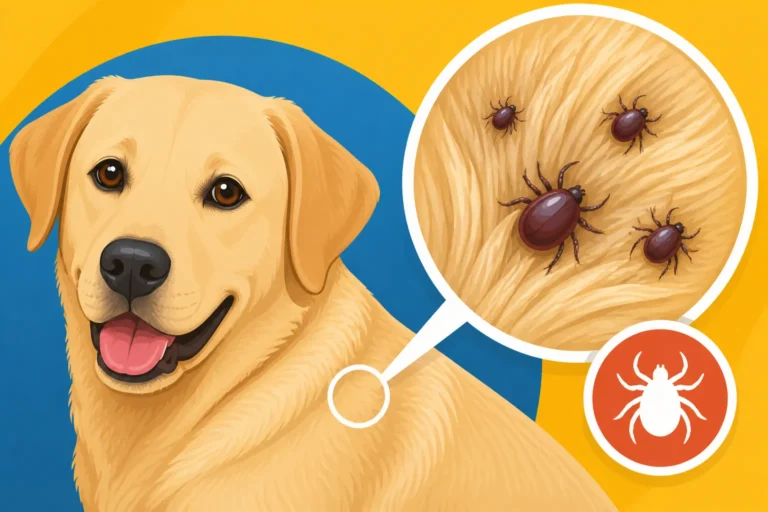
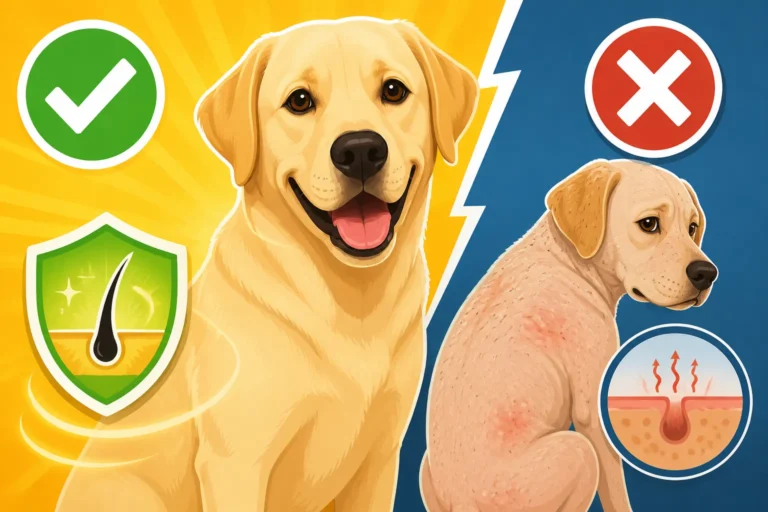
That beautiful, dense coat on your Labrador isn't just for show – it's a marvel of natural engineering. Labs boast a double coat, which consists of two distinct layers. The outer layer is made of coarse, straight guard hairs that are naturally oily and water-resistant. This is what gives them that sleek, almost wet-look when they emerge from the water, allowing moisture to bead up and roll off. Beneath this, they have a thick, soft, downy undercoat. This undercoat acts like a built-in insulated blanket, trapping a layer of air close to their skin.
In cold weather, this trapped air warms up, providing fantastic insulation against the chill. It's why many Labs can happily romp in the snow for quite a while without seeming to feel the cold. However, in hot weather, this same insulation can become a challenge. While the outer coat can provide some protection against direct sun, the dense undercoat can trap body heat, especially if there isn't good air circulation. This is why shaving a Labrador, while seemingly a good idea to "cool them down," is actually detrimental. It removes their natural insulation, exposes their sensitive skin to sunburn, and can even damage the coat's ability to grow back properly. Instead, regular brushing helps remove loose undercoat, allowing for better air flow. You can learn more about their unique fur structure by reading Labrador Coat Type in the Standard.
Labrador's Love for Water
If there's one thing almost universally true about Labradors, it's their unwavering passion for water. Puddles, ponds, lakes, oceans, even a sprinkler in the yard – if it's wet, they're probably in it. This isn't just a quirky preference; it's deeply ingrained in their retrieving heritage. Their webbed feet and otter-like tail are perfectly designed for swimming, making water a natural element for them.
In hot weather, this love for water can be a huge advantage. A supervised swim is an excellent way for your Lab to cool down and get some much-needed exercise without overheating on hot pavement. It provides a full-body workout that's easy on their joints, too. However, this natural inclination also comes with its risks. In cold weather, prolonged exposure to cold water can quickly lead to hypothermia, even for a robust Labrador. Their waterproof coat helps, but it's not foolproof, especially if they are staying still or the water is extremely frigid. Always consider the water temperature and air temperature before allowing a winter dip.
Beyond the immediate temperature concerns, their water adventures require a little extra care. Those floppy ears, while adorable, can trap moisture, making them prone to infections. It's crucial to give their ears a thorough cleaning and drying after every swim, especially if they've been in natural bodies of water. For a detailed guide on post-swim ear care, check out Drying a Labrador's Ears After the Lake.
Individual Variations and Health Considerations
While we often talk about Labradors as a monolithic group, the truth is that every dog is an individual. Factors like age, overall health, and even genetic lineage can significantly impact how well your Lab handles temperature extremes. A young, fit adult Labrador might shrug off conditions that could be dangerous for a senior dog or a puppy.
Puppies and older Labradors are generally more vulnerable. Puppies haven't fully developed their internal temperature regulation systems, and their smaller body mass means they can lose heat more quickly in the cold or overheat more rapidly in the sun. Senior Labs, on the other hand, may have underlying health conditions like arthritis, heart disease, or kidney issues that make them less able to cope with stress on their system. Medications some seniors take can also impact their ability to regulate temperature. For example, a Labrador with Labrador Arthritis in Middle Age might struggle more in cold, damp conditions, making warmth even more critical.
Obesity is another major factor. Overweight Labradors have an extra layer of fat that acts as additional insulation, making them much more susceptible to overheating in warm weather. Plus, carrying extra weight puts a strain on their cardiovascular system, exacerbating the risks of heatstroke. Conversely, a very lean or underweight Labrador might struggle to stay warm in the cold. This underscores the importance of maintaining a healthy body condition for your Labrador, not just for longevity but for their immediate comfort and safety. Keeping them at a Keeping a Labrador at a Healthy Weight is one of the best things you can do for their overall health. Always consider your specific dog's condition, not just the breed's general reputation, when planning for weather.
Keeping Your Labrador Safe in Hot Weather
Summer days are long, and the call of the outdoors is strong, but hot weather presents some serious risks for our Labs. Their boundless energy and eagerness to please mean they often won't stop until they literally can't go on, putting them at high risk for heat-related illness.
Preventing Overheating During Exercise
One of the biggest mistakes we make as Labrador owners is misjudging how quickly they can overheat, especially during exercise. Labs love to retrieve, run, and play, and they'll often ignore their body's signals of distress in favor of chasing that ball one more time. Unlike humans, dogs don't sweat efficiently through their skin; they primarily cool themselves by panting. When the air is hot and humid, panting becomes less effective, and their body temperature can rise dangerously fast.
The golden rule for hot weather exercise is to stick to the coolest parts of the day. Early mornings, just after sunrise, or late evenings, once the sun has truly begun to set, are your safest bets. Avoid midday walks or strenuous play sessions when the sun is at its peak. Even a seemingly mild 75-degree Fahrenheit day can be dangerous if the humidity is high or if your Lab is exercising vigorously in direct sunlight. Shorten the duration and decrease the intensity of walks and playtime. Instead of a long game of fetch, try a leisurely walk in a shaded park or a quick dip in a cool pond. For more guidance on appropriate activity levels, take a look at Daily Walk Length for a Labrador. If you are hiking, ensure you are well prepared for the conditions, as outlined in Hiking With a Labrador in Summer Heat.
Hydration and Cooling Strategies
Keeping your Labrador hydrated is paramount in hot weather. They should have constant access to fresh, cool water, both at home and when you're out and about. A large, sturdy water bowl should always be available indoors. When you're heading out for a walk, even a short one, always bring water specifically for your dog. Portable dog water bottles with attached bowls are incredibly convenient for this. You can find a fantastic selection of these, along with various cooling bowls designed to keep water cool longer, at retailers like Chewy.
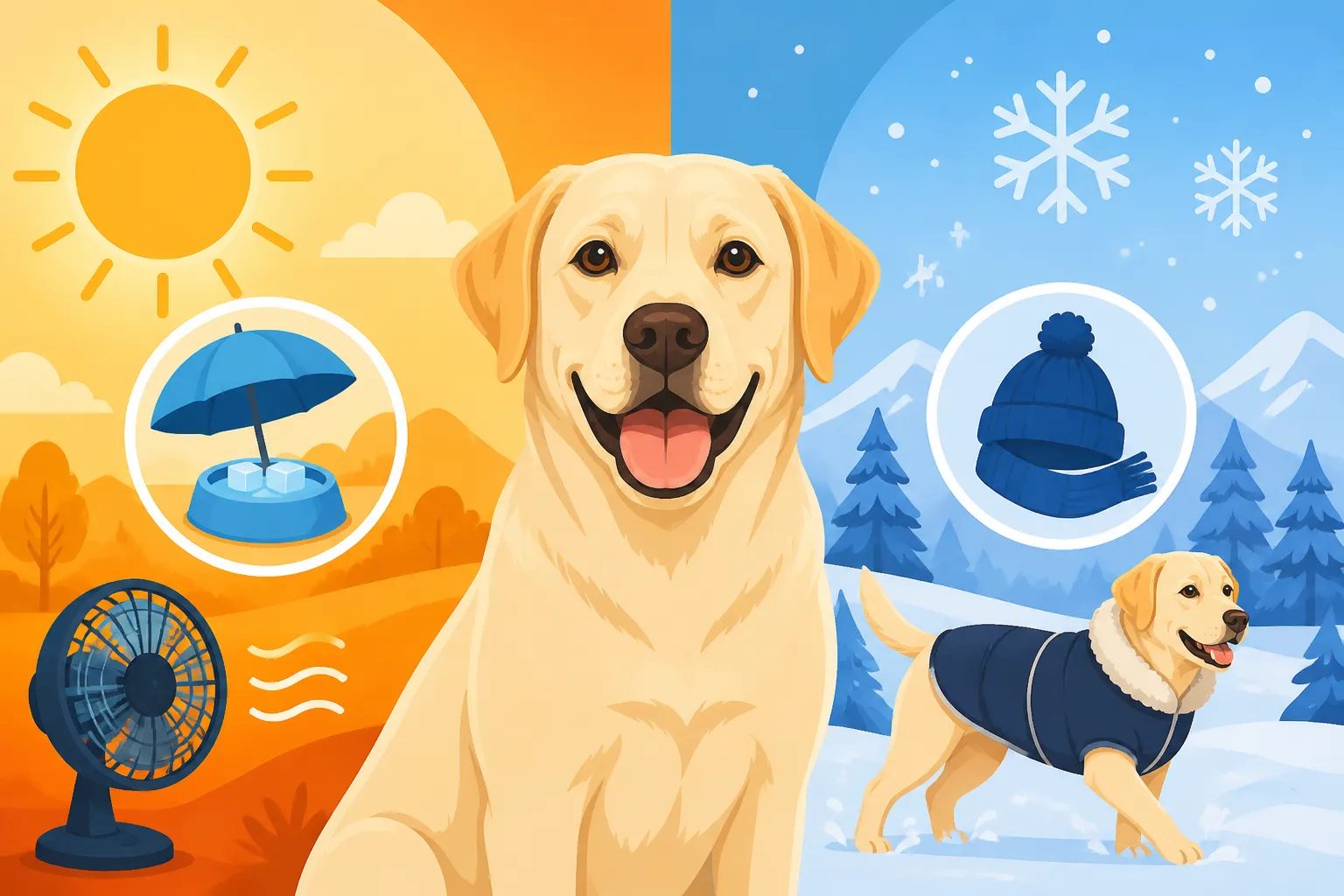
Beyond just drinking water, there are several ways to help your Lab cool down. A small kiddie pool filled with a few inches of water can be a paradise for a hot Labrador, allowing them to splash and lie down to cool their belly and paws. Damp towels laid over their back or a cooling vest can also provide relief by evaporating water from their fur, drawing heat away from their body. Cooling mats, often gel-filled, absorb body heat and provide a cool surface for them to lie on. These are readily available on platforms like Amazon and are a lifesaver for dogs who enjoy lounging indoors. Remember, the goal is gradual cooling, not shocking their system with ice-cold water.
Even their diet can play a small role in hydration. While not a substitute for fresh water, some owners find that incorporating fresh dog food, like that offered by Ollie, which typically has a higher moisture content than dry kibble, can contribute to their overall fluid intake.
Protecting Paws from Hot Surfaces
This is a frequently overlooked but critical danger: hot pavement. Asphalt, concrete, and even artificial turf can absorb and retain an incredible amount of heat, reaching temperatures that are far hotter than the ambient air. On a 77°F day, asphalt can reach 125°F, hot enough to cause burns in less than a minute. Imagine walking barefoot on a hot sidewalk in July – that's what your Labrador's paw pads are experiencing.
Paw pad burns are excruciatingly painful and can lead to infections and long recovery times. The simplest way to test if a surface is too hot for your dog's paws is the "seven-second rule": place the back of your hand on the pavement. If you can't hold it there comfortably for seven seconds, it's too hot for your Labrador's paws. You can find more specific information on this topic in Hot Pavement and a Labrador's Paws.
To protect their paws, plan walks for grassier areas or during the coolest times of day. Dog booties are an excellent solution for walks on hot surfaces if you absolutely must go out during warmer hours. Introduce them gradually and positively, as some Labs take time to get used to them. For everyday protection, paw balms can help moisturize and toughen paw pads, but they won't fully protect against extreme heat. Always check your Labrador's paw pads after walks in warm weather for any signs of redness, blisters, or tenderness. If you suspect a burn, flush the area with cool water and contact your vet immediately.
Protecting Your Labrador in Cold Weather
While Labradors are known for their resilience in colder climates, they are not immune to the dangers of winter. Their thick double coat offers excellent insulation, but there are limits, especially when temperatures plummet, winds pick up, or conditions become wet.
Safeguarding Against Hypothermia and Frostbite
Hypothermia occurs when your Labrador's body loses heat faster than it can produce it, causing their core body temperature to drop to dangerously low levels. While their double coat does a fantastic job of keeping them warm, prolonged exposure to extreme cold, especially when wet or in windy conditions, can overwhelm their natural defenses. Puppies, senior Labs, and those with certain medical conditions are at higher risk. Signs of hypothermia can include shivering, lethargy, weakness, cold ears and paws, and pale gums. As it progresses, they may become stiff, collapse, or lose consciousness. You can explore more about their cold tolerance in Whether Labradors Handle Cold Well.
Frostbite, on the other hand, is tissue damage caused by freezing. It most commonly affects extremities like ears, tail, and paw pads. Initially, the affected skin may appear pale, waxy, or bluish and feel cold and stiff to the touch. It can be quite painful, but sometimes the area is numb. As the tissue thaws, it may become red, swollen, and blistered, eventually turning black and sloughing off if the damage is severe.
For active, healthy adult Labs, a quick romp in the snow is usually fine. However, if they are going to be outside for extended periods, or if the temperature is truly frigid (below freezing with wind chill), a dog jacket or sweater can provide an extra layer of protection, especially for older or thinner Labs. When choosing one, look for waterproof, insulated options that cover their core. Amazon offers a vast array of dog coats, so you can find one that fits your Lab's specific needs and size. Remember, if you're cold, your Labrador probably is too, even if they aren't showing it immediately.
Winter Exercise Considerations
Just because it's cold doesn't mean your Labrador's need for exercise disappears! They still require physical and mental stimulation to stay healthy and happy. However, winter exercise demands careful consideration to prevent injury and exposure.
Shorter, more frequent outdoor sessions might be preferable to one long outing, allowing your Lab to warm up indoors between adventures. Focus on activities that keep them moving and generating their own body heat, rather than standing still. A brisk walk or a game of fetch in a snow-covered field (if safe) can be invigorating. Be mindful of slippery surfaces like ice and packed snow, which can lead to slips, falls, and injuries, especially to joints. This is a particular concern for Labs who might already be prone to conditions like Labrador Hip and Elbow Dysplasia or other orthopedic issues. Stick to cleared, salted (pet-safe!) pathways whenever possible.
On days when the weather is simply too harsh for outdoor play, prioritize indoor activities. Puzzle toys, interactive games, obedience training, or even a session of "hide and seek" with treats can provide valuable mental and physical stimulation. Exploring Mental Work for a Bored Labrador can give you some excellent ideas for keeping your Lab engaged when outdoor time is limited. Always monitor your Labrador for signs of discomfort or extreme cold during winter exercise, and head inside if they start shivering uncontrollably or lifting their paws frequently.
Paw Protection from Snow and Ice
Winter brings a unique set of challenges for your Labrador's paws. Snow and ice can accumulate between their paw pads, forming painful ice balls that can cause irritation and limping. More dangerously, sidewalks and roads are often treated with rock salt and chemical de-icers, which can be highly irritating or even toxic if ingested. These substances can dry out, crack, and burn their paw pads.
Using paw protection is incredibly important during winter. Dog booties are your best defense against ice, snow, and chemical irritants. As with hot weather booties, introduce them slowly and make it a positive experience. If booties aren't an option, a good paw balm or wax can create a protective barrier, moisturizing the pads and preventing cracks. You'll find many varieties suitable for winter protection, often with natural waxes, on sites like Chewy or Amazon. You can get specific advice on protecting their paws by reading Ice and Salt on a Labrador's Paws.
After every winter walk, it’s a good practice to thoroughly clean your Labrador’s paws. Wipe them down with a damp cloth to remove any salt, chemicals, or ice melt residues. Inspect their paw pads for any signs of redness, cracking, or irritation. Regular paw care, including trimming the hair between their pads to prevent ice buildup, is an essential part of Labrador Ear, Paw and Nail Care.
Recognizing and Responding to Weather-Related Emergencies
Despite our best efforts, sometimes accidents happen, or the weather turns unexpectedly. Knowing the warning signs of heatstroke, hypothermia, and frostbite, and how to react quickly, can be life-saving for your Labrador.
Heatstroke Symptoms and First Aid
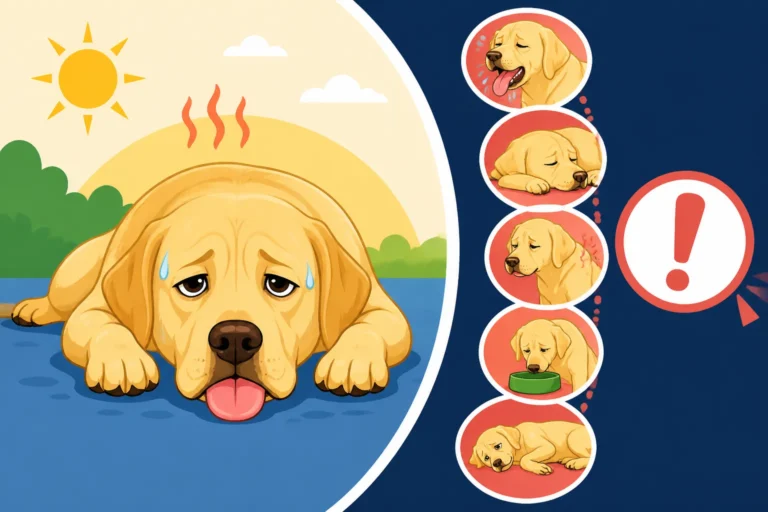
Heatstroke is a severe, life-threatening condition that occurs when a dog's body temperature rises to a critical level, often above 104°F (40°C). It can cause organ damage, brain injury, and even death if not treated immediately. Labradors, with their dense coats and high exercise drive, are particularly susceptible.
Common symptoms of heatstroke include:
- Excessive, relentless panting
- Profuse drooling (sometimes thick and ropey)
- Bright red gums or tongue
- Lethargy, weakness, or stumbling
- Vomiting or diarrhea
- Dizziness or disorientation
- Collapse or seizures
If you suspect your Labrador is suffering from heatstroke, immediate action is crucial. Time is of the essence. First, move your dog to a cooler, shaded area immediately. Begin to cool them down gradually with cool (not ice-old) water. You can apply cool, wet towels to their armpits, groin, and neck, or gently spray their body with a hose. Offer small amounts of cool water to drink, but don't force it. Use a fan to help with evaporative cooling. Do NOT immerse them in ice water, as this can cause their blood vessels to constrict, trapping heat inside their body and potentially leading to shock. Even if your Labrador seems to recover, it is imperative to get them to a veterinarian as quickly as possible. Internal damage may not be immediately apparent, and complications can arise hours later. For a more in-depth understanding, refer to Signs of Heatstroke in a Labrador.
Hypothermia and Frostbite Warning Signs
Recognizing the signs of hypothermia and frostbite can prevent serious complications. While Labs are tough, they can get into trouble quickly in truly harsh conditions, especially if they are wet or immobile.
Hypothermia symptoms include:
- Shivering (initially, then may cease as it worsens)
- Lethargy or weakness
- Stiffness
- Cold ears, paws, and tail
- Pale gums
- Stumbling or incoordination
- Collapse, shallow breathing, or unconsciousness in severe cases
Frostbite symptoms include:
- Affected skin appears pale, grey, or bluish
- Skin feels unusually cold and stiff to the touch
- Pain when the area is touched (though it may be numb initially)
- Swelling and redness as the area thaws
- Blisters
- Later, the affected skin may turn black and slough off
If you suspect hypothermia, immediately get your Labrador into a warm, dry environment. Wrap them in blankets or towels. You can use warm (not hot!) water bottles wrapped in towels and placed against their body (armpits, groin). Offer warm broth or water if they are conscious and able to drink. Do not use direct heat sources like hair dryers, which can cause burns. For frostbite, gently warm the affected area. Do NOT rub the frozen tissue, as this can cause further damage. Once the area is warm, keep it clean and covered.
In both cases, once first aid has been administered, it's vital to contact your veterinarian. Even if the symptoms seem to improve, internal damage from hypothermia or the full extent of frostbite may not be visible.
When to Seek Veterinary Care
The general rule of thumb when it comes to weather-related emergencies is: when in doubt, call your vet. It's always better to be overly cautious than to regret not seeking professional help. A quick phone call to describe your Labrador's symptoms can help your vet determine if an immediate visit is necessary.
Don't wait for symptoms to worsen or for your dog to seem "really sick" before seeking help for heatstroke or severe hypothermia. These conditions can progress rapidly and have lasting consequences. Even if your Labrador seems to recover after initial first aid, a veterinary check-up is crucial to assess for internal organ damage that may not be immediately obvious. This could include kidney failure, brain swelling, or blood clotting issues.
For minor paw irritations from heat or cold, you might manage at home with proper cleaning and protective balms. However, if you see blisters, deep cracks, severe limping, or any signs of infection, it's time for a vet visit. Having a well-stocked A First Aid Kit for a Labrador Retriever is useful for minor incidents, but it's not a substitute for professional medical attention in serious situations. Know your emergency veterinary clinic's location and contact number, and keep it handy. Preparedness can truly make all the difference.
Gear and Supplies for All Seasons
Having the right gear and supplies on hand can make a world of difference in keeping your Labrador comfortable and safe, no matter what the forecast brings. A little preparation goes a long way!
Essential Hot Weather Gear
When summer rolls around, your focus should be on cooling, hydration, and protection from the sun and heat. Here’s what you should consider for your Labrador:
- Portable Water Bottle and Bowl: Absolutely essential for any outing. There are many designs, from bottles with attached troughs to collapsible silicone bowls. Keeping them hydrated is step one. You can find a fantastic array of options on Chewy that are easy to carry.
- Cooling Mat or Vest: These can provide incredible relief. Cooling mats work by absorbing body heat or using gel to stay cool, giving your Lab a comfortable spot to rest indoors or in the shade. Cooling vests are worn by your dog and work via evaporative cooling when dampened.
- Paw Protection: As discussed, booties are ideal for walks on hot pavement, but even a good, protective paw balm can help.
- Shade Solutions: If you're out and about, a portable canopy or even planning your stops around natural shade is important. Never leave your dog in a parked car, not even for a minute with the windows cracked – car interiors heat up incredibly fast.
- Dog Sunscreen: For Labs with lighter noses, ear tips, or sparse fur, especially if they have allergies or scars, pet-safe sunscreen can prevent sunburn. Always choose a product specifically formulated for dogs.
Crucial Cold Weather Gear
When the temperature drops, the goal shifts to warmth, visibility, and protecting against harsh elements like ice and salt.
- Insulated Dog Coat or Sweater: For older, thin, or less active Labs, or simply for any Lab during prolonged exposure to extreme cold, a good waterproof and insulated coat is invaluable. Look for options that allow for full range of motion. Retailers like Amazon have a huge variety to choose from.
- Paw Booties or Balm: These are non-negotiable for winter walks. Booties offer comprehensive protection from ice, snow, and chemical de-icers, while balms create a protective barrier.
- Reflective Gear: Winter often means darker days and longer nights. A reflective vest, collar, or leash enhances your Labrador's visibility to drivers and pedestrians, adding a layer of safety.
- Pet-Safe De-icers: If you live in an area prone to ice, consider using pet-safe products on your own sidewalks and driveways to protect your Lab's paws and prevent ingestion of toxic chemicals.
- Indoor Comfort: Ensure your Labrador has a warm, draft-free place to sleep indoors, away from cold windows or doors. An orthopedic bed can also provide extra insulation and comfort for their joints.
Year-Round Preparedness
Beyond seasonal specific items, some things are essential for your Labrador's safety and well-being year-round, regardless of the weather.
- Up-to-Date ID and Microchip: This is critical. Should your Labrador ever get lost, especially during chaotic weather events, current ID tags and a registered microchip significantly increase the chances of their safe return.
- Emergency Contact Information: Keep your vet's number, the nearest emergency vet clinic's number, and a trusted contact person's number easily accessible.
- First Aid Kit: A well-stocked pet first aid kit should be a staple in every Labrador owner's home and car. This allows you to handle minor injuries or provide initial care during emergencies while you make your way to the vet.
- Regular Veterinary Check-ups: Maintaining your Labrador's overall health through regular vet visits ensures they are in the best possible condition to handle environmental stressors. These visits are also crucial for keeping up with their Labrador Vaccination and Parasite Schedule and addressing any health concerns that might make them more vulnerable to weather extremes.
Being prepared for all kinds of weather allows you and your Labrador to enjoy the changing seasons without unnecessary worry. Knowing you've taken proactive steps can bring immense peace of mind.
Disclaimer
This article is for general informational purposes only and does not constitute professional advice. Laws, prices and regulations vary by location and change over time. Consult a qualified professional for guidance on your specific situation.