Labrador Hip and Elbow Dysplasia
Few things are more heartbreaking for a Labrador owner than seeing their beloved companion struggle with pain and stiffness, especially when they're still in their prime. You brought them home, full of bouncy energy and endless enthusiasm, only to notice a slight hitch in their gait, a reluctance to jump into the car, or a general slowdown that seems far too early. This isn't just a physical challenge for your dog; it's an emotional one for you, filled with worry, guilt, and a desperate desire to make things right. This comprehensive guide is here to walk you through everything you need to know about hip and elbow dysplasia in Labradors, from understanding the conditions themselves to diagnosis, treatment, and how to give your best friend the most comfortable life possible.
Understanding Canine Hip Dysplasia in Labradors
Canine hip dysplasia (CHD) is a condition that sends shivers down the spine of most Labrador owners and prospective buyers, and for good reason. It’s a common, often debilitating, orthopedic disease that can significantly impact a dog's quality of life. But what exactly is it, beyond just "bad hips"?
What Exactly Is Hip Dysplasia?
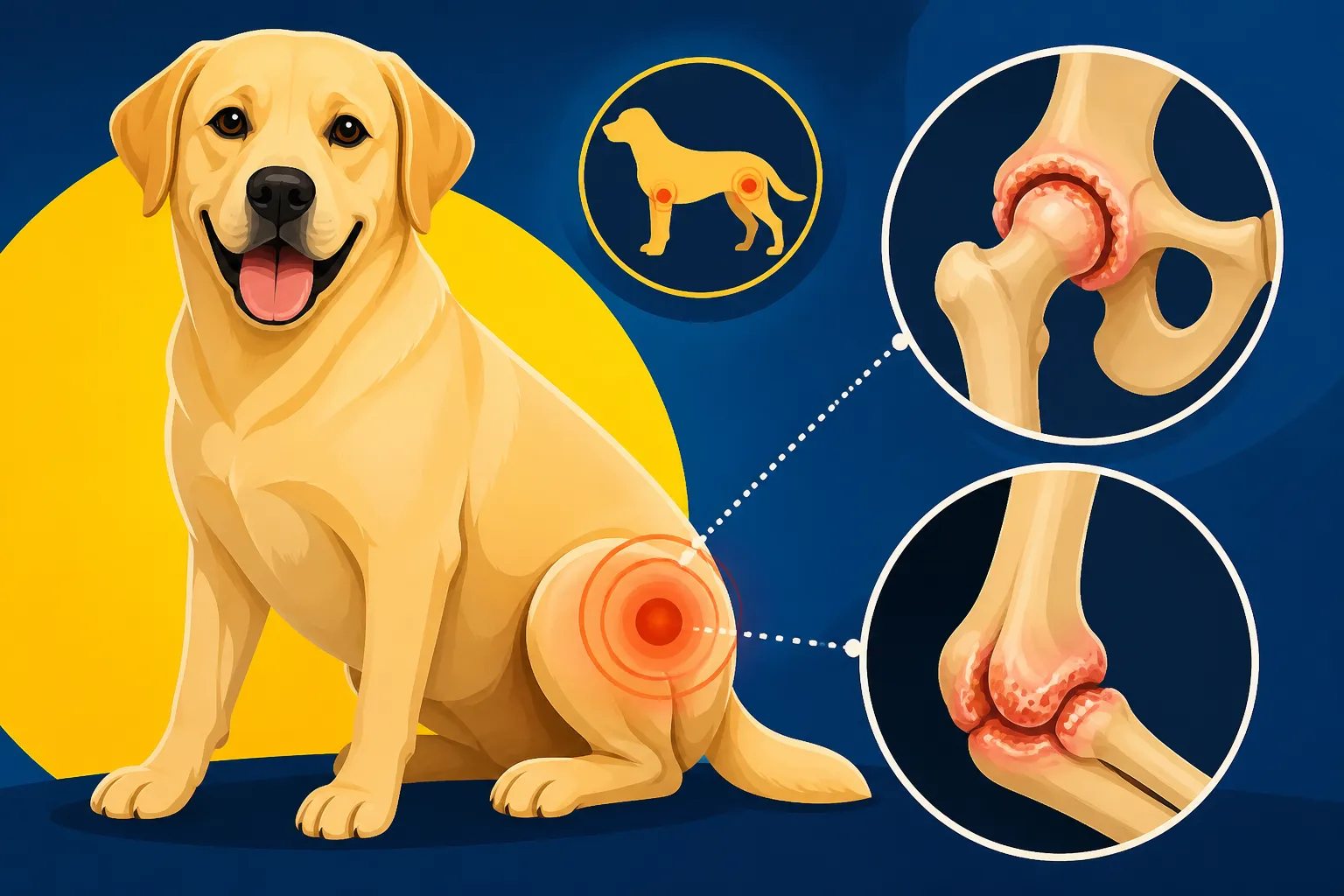
At its core, hip dysplasia is a malformation of the hip joint. Think of your dog's hip as a ball-and-socket joint. The "ball" is the head of the femur (thigh bone), and the "socket" is part of the pelvis, called the acetabulum. In a healthy hip, this ball fits snugly and deeply into the socket, allowing for smooth, friction-free movement. The bones are perfectly aligned, and the joint is supported by strong ligaments.
With hip dysplasia, this ideal fit goes awry. The socket might be too shallow, or the femoral head might be flattened or deformed. Instead of gliding smoothly, the ball and socket grind against each other. This poor fit leads to a condition called joint laxity, meaning the joint is loose and unstable. Over time, this constant friction and instability cause wear and tear on the cartilage, leading to inflammation, pain, and the development of degenerative joint disease, or osteoarthritis. You'll often hear about bone spurs forming as the body tries to stabilize the failing joint, but this only adds to the pain and restricted movement. It’s a developmental condition, meaning puppies aren’t born with it, but rather develop it as they grow, influenced by a complex mix of genetics and environment.
Genetic and Environmental Factors
It’s crucial to understand that hip dysplasia has a strong genetic component. Labradors, along with many other large and giant breeds, are genetically predisposed to the condition. It’s not caused by a single gene, but rather by multiple genes working together (what we call a polygenic trait), which makes breeding out the condition incredibly challenging. Even a puppy from two parents with excellent hip scores can, theoretically, still develop some degree of dysplasia, although the risk is significantly lowered. This is why reputable breeders put so much emphasis on generational health clearances – they're trying to stack the genetic deck in your puppy's favor.
Beyond genetics, environmental factors play a huge role in how and when hip dysplasia manifests. Rapid growth from overfeeding, especially with high-calorie puppy foods, can put undue stress on developing joints. Obesity, even in young dogs, significantly exacerbates the problem by adding extra load to already compromised hips. Excessive or inappropriate exercise during puppyhood, like repetitive jumping or long runs on hard surfaces, can also contribute. Furthermore, puppies constantly slipping and sliding on hard floors can damage their developing joints. It’s a heartbreaking reality that even with the best genetic background, poor early care can trigger or worsen the condition.
Recognizing the Early Signs of Hip Dysplasia
Labradors are famously stoic dogs, often hiding pain incredibly well, which can make early detection of hip dysplasia a real challenge. You might not see obvious limping right away, especially if both hips are affected equally. Instead, watch for more subtle cues. One classic sign is a "bunny hop" gait, where your Labrador moves both back legs together when running, rather than independently. They might show a reluctance to jump into the car, climb stairs, or even get on the couch – activities they once did with effortless joy. You might notice stiffness, particularly after they’ve been resting and then get up, or after a long walk.
As the condition progresses, you might observe lameness in one or both hind limbs, a decreased range of motion in their hips, or even a change in their sitting position, often preferring to sit with their legs splayed out to the side rather than tucked underneath them. Their activity level might decrease, or they might become less enthusiastic about their favorite games. If you gently touch their hip area, they might flinch or show signs of pain. Because Labs are so good at masking discomfort, it's vital to be observant and bring any changes, no matter how minor, to your vet's attention. If you're concerned about your Labrador's comfort level, understanding how to decipher subtle cues is essential, and our guide on Reading Pain in a Stoic Labrador offers even more insights into identifying discomfort in these resilient dogs.
Diagnosing Hip Dysplasia: What to Expect at the Vet
When you suspect your Labrador might have hip dysplasia, the first step is a thorough veterinary examination. Early and accurate diagnosis is key to managing the condition effectively and preserving your dog's quality of life.
Physical Examination and Palpation
Your veterinarian will start with a comprehensive physical examination. They’ll observe your Labrador's gait, looking for any signs of lameness, stiffness, or altered movement. They'll also feel and manipulate your dog’s hips, a process called palpation. During this, they'll check for signs of joint laxity, such as the Ortolani sign or Barden's sign, which are specific tests to feel if the femoral head "pops" in and out of the socket. They'll also assess for any pain response when the hips are extended or flexed, check muscle mass (often, dogs with hip dysplasia will have atrophy in their hind limb muscles due to disuse), and evaluate the overall range of motion.
It’s incredibly helpful for you to be open and honest with your vet about all the little things you’ve noticed at home, even if they seem insignificant. Details about when the symptoms appear, what makes them worse, and how your dog’s behavior has changed can provide crucial clues that assist in the diagnostic process.
Radiographic Screening: OFA and PennHIP
The definitive diagnosis of hip dysplasia relies on radiographs (X-rays). There are two primary methods for evaluating hip health in dogs: OFA (Orthopedic Foundation for Animals) and PennHIP. Both are invaluable tools, especially for breeders, but they have different methodologies and offer different types of information.
OFA certification involves taking specific X-ray views of the hips, typically with the dog sedated and positioned in a very precise way to ensure accuracy. These radiographs are then submitted to a panel of veterinary radiologists who evaluate them for signs of hip dysplasia. For final certification, dogs must be at least 24 months old, as their skeletal system needs to be mature. OFA grades hips as Excellent, Good, Fair (all considered normal), Borderline, Mild, Moderate, or Severe dysplasia. The goal for breeding dogs is typically Good or Excellent.
PennHIP is another method, often considered more sensitive for detecting hip laxity at a younger age. It requires three specific radiographs: a standard extended view, a compression view, and a distraction view. The distraction view, in particular, measures the degree of hip laxity, providing a quantitative score called a "distraction index." This index allows for a numerical assessment of how loose the joint is, and dogs can be screened as early as 16 weeks of age, giving breeders earlier insights into their dogs’ genetic predispositions. PennHIP results compare a dog’s laxity to other dogs of the same breed, indicating their risk of developing hip dysplasia. Understanding these screening methods is critical, and our guide on OFA and PennHIP Screening for Labradors delves deeper into the nuances of each. For anyone considering breeding, or simply wanting to ensure they get a puppy from the best possible stock, knowing what Health Clearances a Labrador Breeder Must Show is non-negotiable.
When Labrador Hip Dysplasia First Shows Up
The timing of hip dysplasia symptoms can be frustratingly variable. Some Labrador puppies might start showing subtle signs of discomfort or an abnormal gait as early as 6 to 12 months of age, when the joint laxity is more pronounced and beginning to cause inflammation. In these younger dogs, the condition might present as acute lameness after exercise. However, other Labs, even those with significant hip laxity, might not show any clinical signs until they are much older, perhaps 5 to 7 years old, when the secondary effects of osteoarthritis become severe enough to cause chronic pain.
The reason for this variation often depends on a combination of their individual pain threshold, the degree of joint laxity, their weight, activity level, and the development of compensating muscle strength. A very active dog might show signs earlier because they're putting more stress on the joints, while a less active dog might mask the signs for longer. It's a reminder that even if a young Labrador seems fine, careful management is still important, and understanding the typical When Labrador Hip Dysplasia First Shows Up can help owners stay vigilant.
Understanding Canine Elbow Dysplasia in Labradors
While hip dysplasia often gets more attention, elbow dysplasia is another significant orthopedic concern for Labrador Retrievers. It’s actually a more complex condition because it encompasses several developmental abnormalities of the elbow joint, rather than a single malformation.
The Complexities of Elbow Dysplasia
Canine elbow dysplasia is not a single disease but a syndrome resulting from the abnormal development of the elbow joint, which is comprised of three bones: the humerus (upper arm bone), the radius, and the ulna (lower arm bones). When these bones don't grow at the same rate, or if there are issues with cartilage and bone formation, it leads to incongruity and abnormal forces within the joint. This abnormal development can manifest as one or a combination of four distinct conditions:
- Fragmented Coronoid Process (FCP): This is the most common component. Small pieces of bone or cartilage break off the ulna, causing pain and inflammation.
- Ununited Anconeal Process (UAP): A growth plate that usually fuses with the ulna fails to do so, leading to an unstable bone fragment.
- Osteochondrosis Dissecans (OCD): A flap of cartilage separates from the surface of the humerus, again causing pain and inflammation.
- Elbow Incongruity: The three bones forming the elbow joint don't fit together perfectly, leading to uneven weight distribution and excessive pressure on certain areas.
All of these conditions lead to abnormal wear and tear, cartilage damage, and ultimately, degenerative joint disease (osteoarthritis) in the elbow, which can be incredibly painful and progressive.
Genetic Predisposition and Contributing Factors
Like hip dysplasia, elbow dysplasia is highly hereditary and polygenic, meaning multiple genes are involved. Labradors are particularly susceptible, along with other fast-growing, large-breed dogs. A responsible breeder will screen their breeding stock for elbow dysplasia to reduce the incidence, but again, because of the complex genetic nature, a "perfect" score doesn't guarantee a puppy will be free of the condition, only significantly lower the risk.
Environmental factors also play a crucial role. Rapid growth caused by overfeeding or diets too high in calories and calcium can put excessive stress on a puppy's developing joints, exacerbating any underlying genetic predisposition. Trauma to the joint, though less common, can also contribute. Perhaps most importantly, excessive, high-impact exercise during the crucial growth phases (typically up to 12-18 months) can trigger or worsen elbow dysplasia. Activities like jumping off high places, extensive running, or repeated fetching can be detrimental to delicate growing cartilage and bone. Careful management of a puppy’s diet and exercise is paramount in mitigating the risk.
Recognizing the Signs of Elbow Dysplasia
The signs of elbow dysplasia in Labradors often appear subtly at first and can be easily missed. Owners might observe forelimb lameness, which can range from mild and intermittent to severe and persistent. This lameness is often exacerbated after exercise or prolonged rest. You might notice your dog is stiff when they get up, or they might appear "lazy" or reluctant to play their usual games.
Other signs include a noticeable change in their gait, such as holding the affected leg slightly out from their body when they walk. They might shift more weight to their hind limbs to relieve pressure on the front. When you observe them sitting or lying down, they might keep the affected elbow slightly bent or rotated. Upon gentle palpation, your vet might detect pain, swelling, or even crepitus (a grinding sound or sensation) in the elbow joint. It's also common for both elbows to be affected, though one side might show more pronounced symptoms than the other, making it harder to spot a distinct limp. Any stiffness or lameness in a young, growing Labrador should always warrant a vet visit.
Diagnosing Elbow Dysplasia: What the Vet Looks For
Diagnosing elbow dysplasia requires a keen eye from your veterinarian and, usually, specialized imaging. Given the complex nature of the condition, a thorough approach is essential for accurate identification and subsequent management.
Clinical Examination and Gait Assessment
Your vet will begin by taking a detailed history from you, asking about your Labrador's activity levels, any changes in their gait, and when you first noticed the symptoms. They will then perform a comprehensive physical examination, paying close attention to the front limbs. They’ll observe your dog walking and trotting to assess their gait, looking for any lameness or an altered stance. Sometimes, a subtle head bob might be visible as the dog tries to shift weight away from the painful limb.
During palpation, the vet will gently manipulate your Labrador's elbow joints, checking for pain, swelling, or reduced range of motion. They might feel for crepitus, which indicates bone-on-bone friction. Comparing both elbows for symmetry in muscle development, swelling, and range of motion is also key. Because these signs can be similar to other forelimb issues, your vet's expertise in orthopedic examination is crucial in narrowing down the possibilities before moving on to imaging.
Radiographic Diagnosis of Elbow Dysplasia
Similar to hip dysplasia, radiographs are the primary diagnostic tool for elbow dysplasia. For official certification through organizations like the OFA, specific views of the elbows are taken, typically with the dog sedated to ensure proper positioning and minimize discomfort. These X-rays are then evaluated for signs of the various components of elbow dysplasia: FCP, UAP, OCD, and elbow incongruity.
OFA elbow grades are simpler than hips, typically categorized as "Normal" or "Dysplastic," with dysplastic elbows further graded as Grade I, II, or III, indicating increasing severity. It's important to remember that even with normal OFA elbows, a dog can still carry genes for the condition. In some cases, if radiographs are inconclusive or if the vet suspects specific components like FCP or OCD, more advanced imaging techniques such as CT scans or even diagnostic arthroscopy (a minimally invasive surgical procedure where a camera is inserted into the joint) might be recommended for a definitive diagnosis. Our in-depth look at Elbow Dysplasia in Labrador Retrievers provides additional detail on the specific types and grading of this condition.
The Frustration of Varied Onset and Progression
One of the most frustrating aspects of elbow dysplasia, for both owners and veterinarians, is the wide variation in when symptoms appear and how the disease progresses. While some Labrador puppies might exhibit clear signs of lameness and pain between 4 and 8 months of age, others might not show any overt symptoms until they are adults, or even seniors, when the secondary osteoarthritis has become quite advanced. This can lead to a period of intermittent lameness, where your dog seems fine one day and then sore the next, making it difficult to pinpoint the exact problem.
The initial signs might be dismissed as a minor sprain or just "growing pains." However, delaying diagnosis and intervention can allow the condition to worsen, leading to more significant and irreversible joint damage. This variability underscores the importance of prompt veterinary attention for any unexplained lameness or stiffness in a growing Labrador, as early diagnosis allows for earlier intervention and a better chance at managing the disease and slowing its progression.
Managing and Treating Dysplasia in Labradors
Receiving a diagnosis of hip or elbow dysplasia for your Labrador can be devastating, but it’s not a death sentence. While these conditions are largely incurable, they are absolutely manageable. The goal of treatment is to alleviate pain, improve joint function, and slow the progression of osteoarthritis, ensuring your dog maintains the best possible quality of life.
Conservative Management Strategies
For many Labradors, especially those with mild to moderate dysplasia, conservative management is the first line of defense. The cornerstone of this approach is strict weight management. Keeping your Labrador lean is arguably the single most impactful thing you can do. Every extra pound puts undue stress on compromised joints, exacerbating pain and accelerating joint degeneration. Our article on Labrador Obesity and the Years It Costs really drives home how crucial maintaining a healthy weight is for their long-term well-being.
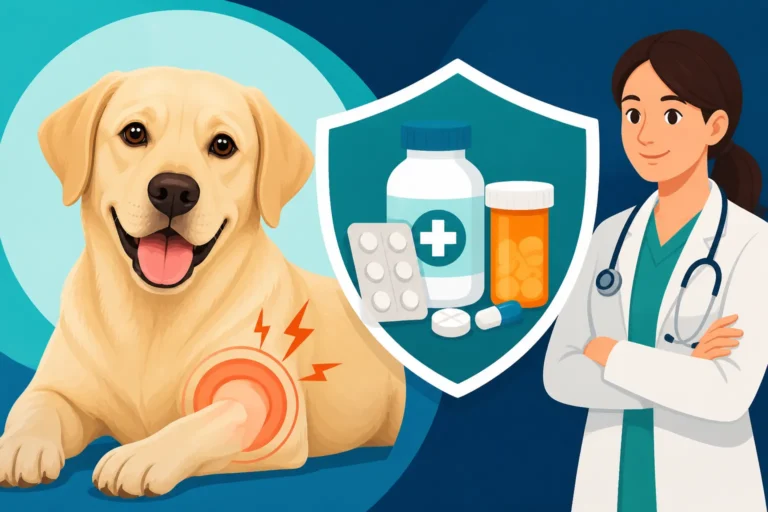
Controlled, low-impact exercise is also vital. Activities like swimming, which provides excellent muscle strengthening without jarring the joints, are ideal. Short, consistent walks on soft surfaces are better than long, strenuous hikes. Pain management typically involves prescription medications such as Non-Steroidal Anti-Inflammatory Drugs (NSAIDs) like Rimadyl, Previcox, or Galliprant, which reduce inflammation and pain. Other medications like gabapentin or tramadol might be used for neuropathic or more severe pain. Joint supplements containing ingredients like glucosamine, chondroitin, MSM, and omega-3 fatty acids can help support cartilage health and reduce inflammation, though their efficacy varies between individuals. Finally, physical therapy, including hydrotherapy, therapeutic exercises, and massage, can significantly improve muscle strength, range of motion, and overall comfort, as explored in depth in our guide to Physical Therapy for a Labrador With Bad Hips.
Surgical Interventions for Hip Dysplasia
When conservative management isn't enough to control pain and maintain function, or in cases of severe dysplasia, surgical intervention becomes an option. There are several surgical procedures for hip dysplasia, each suited to different situations and severities:
- Femoral Head Ostectomy (FHO): This procedure involves removing the "ball" portion of the femoral head. The body then forms a "false joint" of scar tissue, which can alleviate pain. It's often recommended for smaller dogs or those with severe muscle atrophy where a total hip replacement isn't feasible, and can be quite effective at pain relief, though it doesn't restore normal joint mechanics.
- Triple Pelvic Osteotomy (TPO) / Double Pelvic Osteotomy (DPO): These procedures are typically performed on younger dogs (under 10-12 months) with significant hip laxity but minimal existing osteoarthritis. The surgeon cuts the pelvis in specific places and rotates the segment containing the acetabulum to create a deeper socket, then plates it into position. This helps improve the fit of the femoral head in the socket.
- Total Hip Replacement (THR): Considered the gold standard for severe, debilitating hip dysplasia, THR involves replacing both the damaged femoral head and acetabulum with prosthetic implants. It offers the best chance for restoring near-normal, pain-free function. However, it's a major surgery, comes with significant costs (which can range from $4,000 to $7,000 per hip, or even more, in many regions), and requires a lengthy and dedicated recovery period. If you're weighing this option, our resource on the Cost of Hip Surgery for a Labrador Retriever can give you a clearer picture of the financial commitment involved.
Surgical Interventions for Elbow Dysplasia
Surgical options for elbow dysplasia are generally more complex due to the multifaceted nature of the condition, but they can be very effective at reducing pain and slowing the progression of arthritis. The choice of surgery depends on the specific component of elbow dysplasia identified:
- Arthroscopy: This minimally invasive procedure is very common for FCP and OCD. Small incisions are made, and a tiny camera and surgical instruments are inserted into the joint. The surgeon can then remove fragmented coronoid processes, OCD flaps, or address other soft tissue issues, often with a quicker recovery time than open surgery.
- Ulna Osteotomy: If elbow incongruity is the primary issue, a procedure involving cutting and shortening the ulna (one of the lower arm bones) might be performed. This aims to equalize the lengths of the radius and ulna, improving the joint's fit.
- Canine Unicompartmental Elbow (CUE) replacement or Total Elbow Replacement (TER): These are advanced, highly specialized procedures that are much less common than total hip replacements. CUE replacement involves replacing only one side of the elbow joint, while TER replaces both sides. They are reserved for severe, end-stage elbow dysplasia where other treatments have failed, and they come with significant costs and potential complications.
It’s crucial to understand that while surgery can dramatically improve a Labrador’s comfort and function, it doesn't always provide a "cure," especially for elbow dysplasia where post-surgical arthritis can still develop. The goal is always to improve quality of life.
Preventing and Living with Dysplasia
Living with a Labrador diagnosed with hip or elbow dysplasia means a lifelong commitment to their care, but it also brings immense rewards as you witness their comfort and happiness improve. Crucially, preventing or minimizing the risk of these conditions starts long before your puppy even comes home.
The Breeder's Role in Prevention
Choosing a reputable breeder is the single most important step you can take to prevent or significantly reduce the risk of hip and elbow dysplasia in your Labrador. Responsible breeders prioritize the health of their lines and are transparent about their screening practices. They will routinely perform OFA or PennHIP evaluations on all their breeding dogs, not just the parents, but often grandparents and other close relatives. They should be eager to show you the official certificates for these clearances. Don't just take their word for it; ask to see the physical documents or verify them on the OFA website. A reputable breeder understands that these clearances are not a guarantee against dysplasia but rather a tool to select dogs with the best possible genetic odds, thereby reducing the incidence in their puppies. To confidently choose a breeder, learning how to Verifying OFA Results a Labrador Breeder Shows is a vital skill.
A good breeder will also engage in genetic screening for other inheritable conditions relevant to Labradors. They understand that even with clearances, the polygenic nature of dysplasia means a small risk always remains, but their rigorous testing demonstrates their commitment to minimizing that risk for every puppy they place in a home.
Puppy Care for Joint Health
Once you bring your Labrador puppy home, diligent care during their crucial growth period can significantly impact their joint health, regardless of their genetic predisposition. One of the most critical aspects is controlled growth. This means feeding a high-quality, large-breed specific puppy food that is formulated to support slow and steady growth, not rapid weight gain. Avoid overfeeding at all costs, as excess calories lead to faster growth and more stress on developing joints. Keep your puppy lean, allowing you to easily feel their ribs without seeing them.
Equally important is appropriate exercise. While Labradors are energetic, forced or excessive high-impact exercise during puppyhood (up to 12-18 months) can be detrimental. Avoid long runs, repetitive jumping, or intense agility training. Instead, opt for short, frequent play sessions, controlled walks, and activities like swimming, which are low-impact and strengthen muscles without stressing joints. Our guide on Exercise Limits for a Labrador Puppy offers specific advice on what's safe and what to avoid. Additionally, ensure your puppy has good traction on floors, especially if you have slippery hardwood or tile, as constant slipping can contribute to joint instability. Consider runners or rugs in high-traffic areas.
Long-Term Care and Quality of Life
For Labradors living with hip or elbow dysplasia, long-term care is about proactive management and adapting to their needs to maintain their quality of life. Regular veterinary check-ups are essential to monitor their condition, adjust pain management protocols, and catch any new issues early. Your vet might recommend periodic X-rays to track the progression of arthritis.
Continuing strict weight management is non-negotiable for their entire life. Even a few extra pounds can significantly increase pain. Maintaining a consistent, low-impact exercise routine is also important to keep muscles strong and support joints without causing further damage. Consider home modifications like ramps for cars or beds, and provide orthopedic beds to support their joints while resting. Many pet insurance plans, like those offered by Healthy Paws, can be incredibly beneficial in covering the substantial costs associated with long-term medication, physical therapy, and potential surgeries for hip and elbow dysplasia, helping you focus on your dog's health rather than the financial strain. Understanding Whether Insurance Covers Labrador Hip Dysplasia is something every owner should look into, ideally before any signs appear.
Staying on top of pain management, whether through medication, supplements, or alternative therapies like acupuncture, will be an ongoing effort. It's an emotional journey for owners, requiring patience, dedication, and a deep understanding of your Labrador's stoic nature. But by providing consistent, thoughtful care, you can help your beloved Labrador live a comfortable, happy, and fulfilling life despite their diagnosis.
| Feature | OFA (Orthopedic Foundation for Animals) | PennHIP (University of Pennsylvania Hip Improvement Program) |
|---|---|---|
| Purpose | Evaluates hip and elbow conformation; certifies absence of severe dysplasia | Quantitatively measures hip joint laxity (looseness) |
| Age for Cert. | 24 months for final hip/elbow certification (preliminary at 4-23 months) | As early as 16 weeks of age |
| Radiographs | 1 extended-leg view for hips; specific views for elbows | 3 views: extended-leg, compression, and distraction |
| Assessment | Subjective evaluation by 3 radiologists; graded (Excellent, Good, Fair…) | Objective, quantitative Distraction Index (DI); numerical laxity measurement |
| Interpretation | Pass/fail system for breeding (Normal vs. Dysplastic) | DI score allows comparison within breed; risk assessment for OA |
| Cost | Typically lower per set of radiographs | Generally higher due to specialized training and equipment |
| Focus | Phenotypic evaluation (what hips look like) | Genetic predisposition (how loose the hips are) |
Disclaimer
The information provided in this article is for educational purposes only and is not intended to be a substitute for professional veterinary advice, diagnosis, or treatment. Always seek the advice of your veterinarian or other qualified animal health provider with any questions you may have regarding a medical condition.