What Makes a Labrador Coat Repel Water
One of the most remarkable things about our beloved Labradors is their incredible ability to bound into a lake, shake off, and emerge surprisingly dry. It's almost like they have their own built-in wetsuit! If you've ever wondered what gives them this unique superpower and how to properly care for such a specialized coat, you're not alone. This guide will dive deep into the fascinating mechanics behind your Labrador's water-repellent coat and share practical tips for maintaining its health and function.
The Magic of the Double Coat: A Labrador's Natural Wetsuit
Your Labrador’s ability to repel water isn't some happy accident; it's a testament to centuries of selective breeding that honed their natural instincts for water retrieving. Their coat is specifically designed for tough conditions, whether that's icy rivers or thick underbrush. It’s not just one layer of fur doing all the work; it's a dynamic, two-part system that functions like a natural, highly efficient wetsuit. This double-coat system is truly a marvel of canine evolution, allowing them to withstand elements that would send many other breeds shivering.
The Guard Hairs: Your Labrador's First Line of Defense
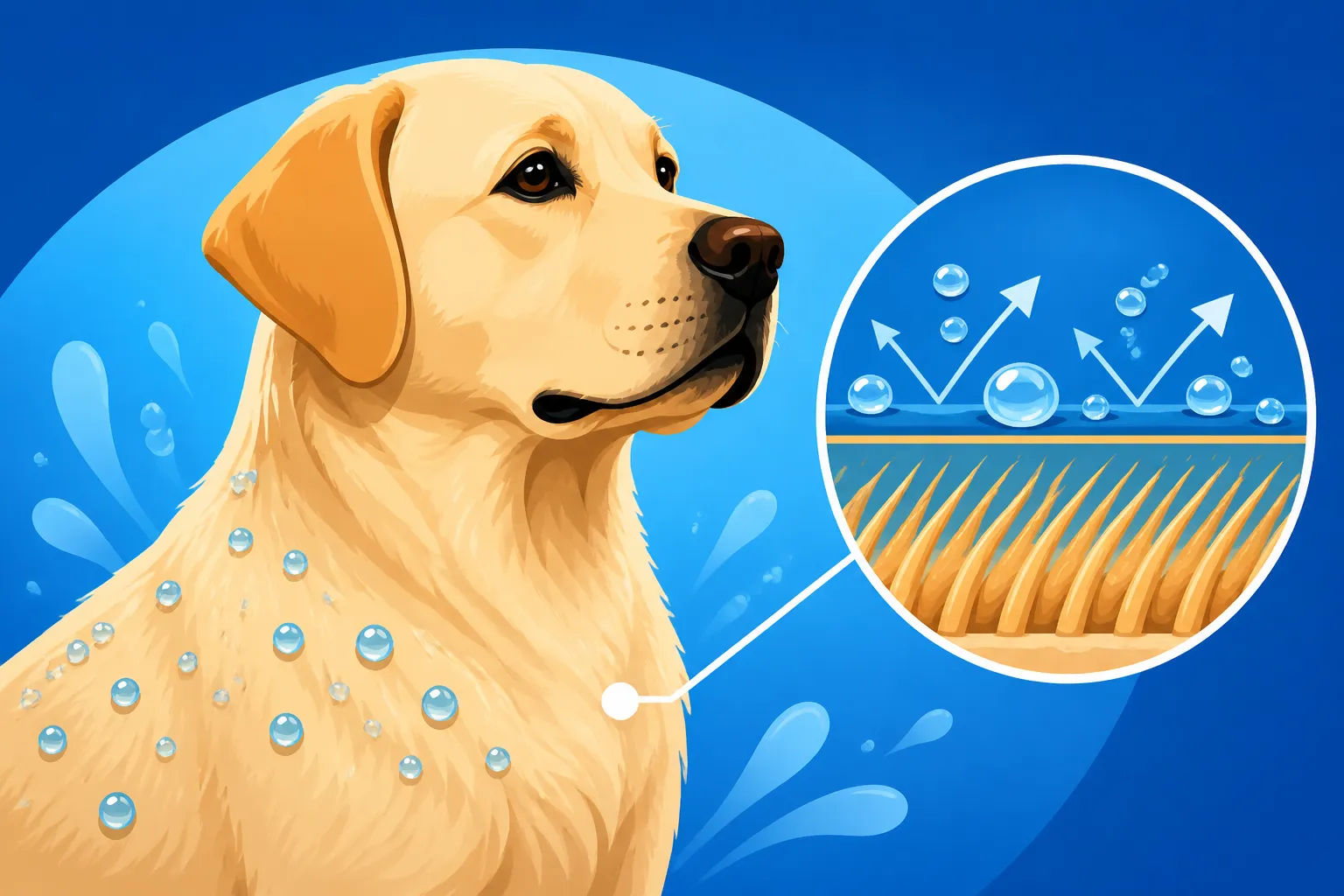
Think of the guard hairs as the outer shell of your Labrador’s protective gear. These are the longer, coarser, and straighter hairs you see and feel on the surface of their coat. They lie relatively flat against the body, forming a tight, interwoven mat that acts as the initial barrier against moisture. When water hits your Lab's coat, these guard hairs are the first to encounter it. Their texture and arrangement cause water to bead up and run off, much like rain rolling off a well-waxed car.
This isn't just about keeping them dry; it's about core temperature regulation. Imagine your Labrador plunging into a chilly pond to retrieve a fallen duck. If those guard hairs didn't do their job, the icy water would soak straight through to their skin, rapidly dropping their body temperature. Instead, these guard hairs ensure that most of the water simply slides away, preventing it from ever reaching the sensitive skin beneath. This also means that mud and debris tend to stick to the outer layer, making it easier to clean them up after a romp in the park. You'll notice this effect yourself if you've ever tried to towel-dry a soaked Lab – the water seems to just sit on top of their fur, rather than deeply penetrate it, making the drying process surprisingly quicker than you might expect for such a dense coat.
The Undercoat: The Waterproof Insulation Layer
Beneath that formidable layer of guard hairs lies the true heart of your Labrador's water-repelling and insulating system: the undercoat. This layer is a world apart from the guard hairs – it's incredibly dense, soft, and woolly, almost like a thick duvet. Its primary job is to trap a layer of warm air close to your Labrador’s skin. This trapped air acts as a fantastic insulator, keeping them warm even when submerged in freezing water.
But the undercoat isn't just for warmth; it's also incredibly water-resistant. The sheer density of these fine, crimped hairs creates such a tight barrier that water finds it extremely difficult to penetrate. Instead of soaking in, water tends to get caught on the surface of the undercoat, unable to push through to the skin. This is why, even after a full-on swim, if you part your Labrador's fur, you'll often find their skin underneath is barely damp, if at all. This insulating layer is also what makes their coat feel so thick and plush, particularly in cooler months when their undercoat "blooms" to provide maximum warmth. During spring and fall, when they shed this heavy undercoat in what's known as a "coat blow," you’ll notice copious amounts of this soft, downy fur all over your house, signaling their body's adjustment to changing temperatures. If you've ever thought your vacuum cleaner was working overtime, you know exactly what I mean! This process is crucial for their comfort and health, allowing them to adapt seamlessly to seasonal shifts.
How the Layers Work Together for Optimal Protection
The real genius of the Labrador coat isn't just in each layer individually, but in how they flawlessly work in concert. The stiff, oily guard hairs form a protective canopy, deflecting the vast majority of water, dirt, and debris. They act like tiny, overlapping roof tiles, channeling moisture away from the body. Any water that manages to sneak past the guard hairs then encounters the incredibly dense, woolly undercoat. This undercoat is so tightly packed and fine that it forms a virtually impenetrable barrier, physically blocking water from reaching the skin while simultaneously trapping air for insulation.
Imagine it like this: the guard hairs are the waterproof outer jacket, and the undercoat is the thick, insulating fleece lining. Without one, the other wouldn't be nearly as effective. If the guard hairs were missing or damaged, the undercoat would get saturated faster, losing its insulating properties. If the undercoat wasn't there, the guard hairs alone wouldn't provide enough warmth or a strong enough barrier against persistent moisture. This synergy is what allows a Labrador to perform demanding retrieves in cold, wet conditions for extended periods without succumbing to hypothermia. It's a testament to their heritage as working dogs, designed by nature and selective breeding to excel in challenging environments. The density and thickness of their double coat also help to protect them from minor scrapes and scratches when running through brush, adding another layer of practical protection to their active lifestyles.
The Role of Natural Oils: Mother Nature's Waterproofing Agent
Beyond the physical structure of the double coat, there's another crucial element that gives your Labrador that famous water-repelling quality: natural oils. These oils are your Labrador's own organic waterproofing agent, working in tandem with the fur structure to create an almost impervious barrier against moisture.
Sebaceous Glands and Their Secretions
Just like human skin, your Labrador's skin is equipped with sebaceous glands. These tiny glands are located in the hair follicles and are responsible for producing sebum, a waxy, oily substance. In Labradors, these glands are particularly active, producing a good amount of this natural oil that coats each individual hair shaft. This sebum essentially "greases" the coat, giving it a slightly oily or waxy feel that you might notice if you run your hand through their fur.
This natural oil is hydrophobic, meaning it repels water. When water encounters these oil-coated hairs, it doesn't soak in; instead, it beads up and rolls right off. It’s the same principle that makes water slide off a duck’s feathers or a well-oiled rain jacket. This oily layer not only enhances the water-shedding capabilities of the guard hairs but also creates an additional barrier that prevents moisture from saturating the undercoat. It’s an essential part of their waterproofing system, without which their coat would quickly become waterlogged and ineffective as an insulator. This natural oil also plays a vital role in keeping their skin supple and healthy, preventing dryness and flakiness that could lead to discomfort or skin issues.
Spreading the Oils: The Labrador's Self-Grooming Habits
While the sebaceous glands are constantly producing these beneficial oils, it's your Labrador's natural behaviors that ensure they're properly distributed throughout the coat. Labradors are generally fastidious animals, and you'll often see them licking, nibbling, and rubbing themselves. These aren't just idle habits; they're essential self-grooming rituals that help spread the sebum evenly across their entire coat.
Think about it: after a swim, a Labrador instinctively shakes vigorously, but they'll also often take time to lick their flanks or rub against furniture (or you!). This isn't just drying; it's also about redistributing those vital oils. Even a good rolling session in the grass, much to our dismay as owners, can contribute to this natural process. The act of swimming itself can also help, as the water can sometimes assist in spreading the oils across the fur, ensuring a consistent layer of protection. This natural maintenance system means that, under normal circumstances, your Labrador is pretty good at keeping their own coat in top condition. However, this also highlights why too much human intervention, like excessive bathing, can actually be detrimental to their natural waterproofing.
The Balance: Why Too Much or Too Little Oil is a Problem
While natural oils are fantastic for waterproofing, there's a delicate balance that needs to be maintained. Too much of a good thing, or too little, can disrupt the coat's natural function and lead to skin issues.
If you over-bathe your Labrador, especially with harsh shampoos, you risk stripping away these crucial natural oils. When these oils are gone, the coat loses a significant part of its water-repellent property. You might find that after a vigorous scrub, your dog’s fur feels much softer and less "oily" – which might seem nice to us, but it actually means their natural protection is compromised. A stripped coat will absorb water more readily, take longer to dry, and leave your Lab more susceptible to cold. Furthermore, stripping these oils can dry out their skin, leading to itchiness, flakiness, and even potential skin infections. It's a common frustration for owners who just want a clean-smelling dog, but sometimes less is more when it comes to bathing your Lab. On the flip side, while less common in healthy Labs, extremely dry skin or poor diet could lead to insufficient oil production, which would also diminish the coat's protective qualities and indicate an underlying health issue.
| Factor | Effect on Coat's Water Repellency | Potential Problems if Imbalanced |
|---|---|---|
| Guard Hairs | Deflects bulk water, forms barrier | Damaged/broken hairs reduce initial deflection, exposing undercoat more. |
| Undercoat | Physical barrier, traps insulating air | Thin/sparse undercoat allows water to penetrate, reduces insulation. |
| Natural Oils (Sebum) | Coats hairs, makes them hydrophobic | Too much: Greasy feel, potential for clogged pores if not distributed. Too little (due to over-bathing/poor health): Reduced water repellency, dry skin, itchiness, susceptibility to cold. |
Implications for Care: Maintaining That Waterproof Wonder
Understanding the science behind your Labrador’s amazing coat empowers you to provide the best care possible. It’s not just about aesthetics; it’s about maintaining their health, comfort, and natural abilities. Many common grooming practices can actually hinder their coat's performance, so it's essential to approach their care with their unique biology in mind.
The Importance of Appropriate Bathing
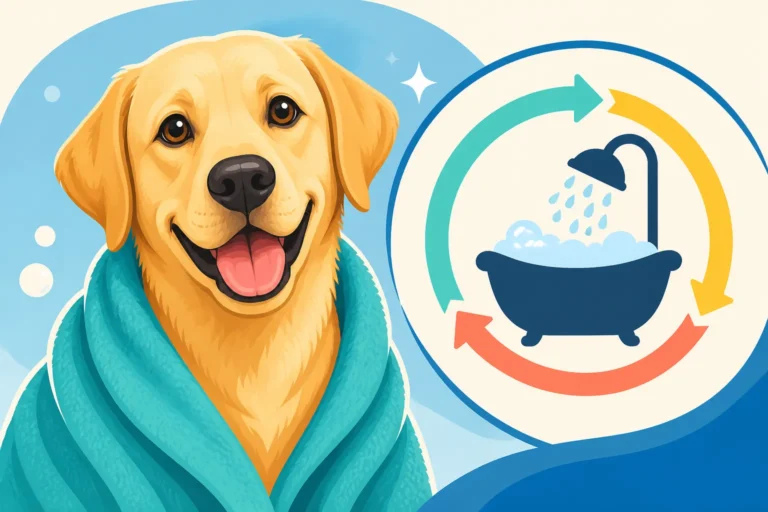
Given the vital role of natural oils, the cardinal rule for Labrador bathing is: don't overdo it! While it's tempting to want your Lab to smell perpetually fresh, frequent bathing can strip away the very oils that make their coat so effective. Aim to bathe your Labrador only when absolutely necessary – if they're genuinely muddy from a romp in the woods, rolled in something stinky, or if they have a specific skin condition requiring medicated shampoo.
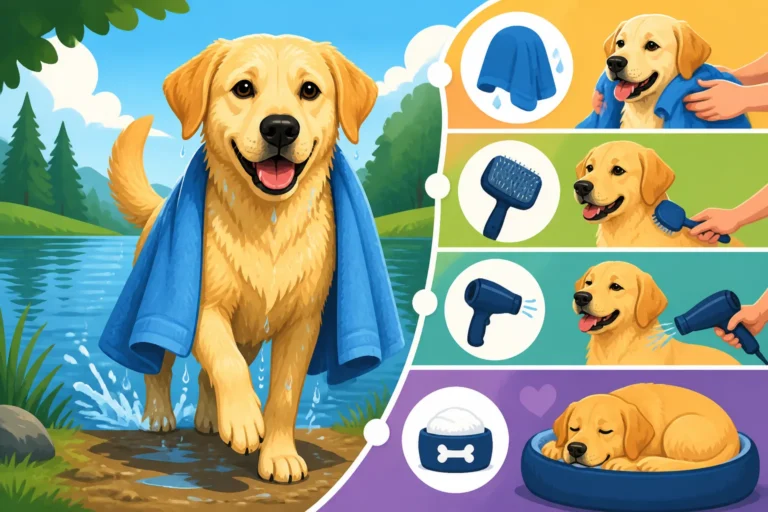
When you do bathe them, use a mild, dog-specific shampoo. Human shampoos are formulated for a different skin pH and can be too harsh for your Lab's delicate balance. Look for hypoallergenic or moisturizing formulas, especially if your Lab has sensitive skin. After shampooing, rinse thoroughly. And I mean thoroughly! Any leftover shampoo residue can irritate the skin and dull the coat. After a bath, a good towel dry and air drying is often sufficient. If you use a forced air dryer, be mindful of the heat. Remember, the goal isn't to make them smell like a perfume factory; it's to clean them without compromising their natural defenses. For Labs with Shampoo for a Labrador With Itchy Skin, your vet will likely recommend a specific therapeutic product and bathing schedule, which should always take precedence over general guidelines.
Grooming Tools and Techniques for a Healthy Coat
Regular brushing is paramount, even for a short-coated breed like the Labrador. This isn't just about removing loose hair; it's a critical step in maintaining coat health and distributing those essential natural oils. Brushing helps to spread the sebum from the skin down the hair shafts, enhancing its water-repellent properties and keeping the skin nourished.
During shedding seasons, which are typically spring and fall, your Labrador will experience what's known as a "coat blow." This is when they shed large amounts of their soft undercoat. At these times, you'll want to brush them even more frequently, sometimes daily, to help remove the dead undercoat. If you don't, this dead fur can mat, trap moisture, and lead to skin irritation. Tools like a good slicker brush, a rubber curry brush, or a deshedding tool like a Furminator can be incredibly effective. You can find many of these effective tools on platforms like Chewy or Amazon. Remember, always brush with the direction of hair growth, and be gentle, especially around sensitive areas. A common mistake many owners make is shaving their Labrador, particularly in summer. Please, please don't do this! Why You Never Shave a Labrador explains exactly why this practice is detrimental: it ruins the double coat's ability to regulate temperature, repel water, and protect from sunburn, and it can take years for the coat to grow back correctly, if ever. The best way to help them cool down and manage shedding is consistent, thorough brushing. This is also covered in detail in Brushing a Labrador's Coat and Deshedding Tools for a Labrador.
Supporting Coat Health from Within
A healthy coat isn't just about what you do on the outside; it starts from within. What you feed your Labrador plays a significant role in the quality of their skin and coat. A high-quality dog food that provides a balanced diet with good sources of protein and essential fatty acids is crucial. Look for foods where meat is the primary ingredient and avoid excessive fillers.
Some supplements can also be beneficial. Omega-3 fatty acids, often found in fish oil, are excellent for skin and coat health. They can help reduce inflammation, improve skin hydration, and contribute to a lustrous, healthy coat that produces those vital natural oils. Many owners swear by adding a daily dose of fish oil to their Lab's food. You can easily find high-quality fish oil supplements for dogs on Chewy or from brands like Ollie, which often includes beneficial fatty acids in their fresh food formulations. Before adding any new supplement to your Labrador's diet, it's always wise to chat with your vet to ensure it's appropriate for their specific needs and won't interact with any existing medications or conditions. A well-nourished Labrador from the inside out will naturally have a healthier, more functional, and more water-repellent coat. You'll often see the direct benefits reflected in their shiny fur and reduced shedding, as detailed in Fish Oil for a Labrador's Coat and Joints.
Beyond Water Repellency: Other Coat Benefits
While we often focus on the incredible water-repellent properties of a Labrador's coat, it offers so much more. This remarkable double coat is a multi-functional marvel, perfectly adapted to the varied tasks and environments Labradors were originally bred for, and it continues to serve them well in their modern lives as beloved companions.
Insulation Against Cold
The very same dense undercoat that helps repel water is also an exceptional insulator against cold. The fine, crimped hairs of the undercoat trap a layer of air close to your Labrador's body. This trapped air warms up from their body heat and acts like a natural thermal blanket, preventing heat loss. This is particularly crucial for a breed that was developed to work in the icy waters of Newfoundland, retrieving fishing lines and downed game.
This natural insulation allows your Labrador to comfortably tolerate colder temperatures and prolonged exposure to cold water, which is often a source of great joy for them! While it's still vital to practice Cold Water Safety for a Labrador and be mindful of extreme conditions, their coat provides a robust defense against hypothermia. This inherent warmth is also why they love to stretch out on cool tile floors in summer – they're just trying to regulate that internal thermostat! It's a reminder that their coat is designed for both wet and cold conditions, making them incredibly hardy dogs.
Protection from Elements and Debris
Beyond water and cold, your Labrador's sturdy double coat offers excellent protection against a host of other environmental factors. The coarse guard hairs form a protective shield that helps prevent minor scratches and scrapes from brambles, thorns, and rough terrain during their enthusiastic romps through fields or woods. Think of it as a built-in suit of armor!
This dense coat also makes it harder for dirt, burrs, and other small debris to penetrate down to their skin. Instead, these nuisances tend to get caught in the outer layer of the guard hairs, making them easier to brush out. While you'll still find plenty of leaves and twigs embedded after a particularly adventurous outing, the coat design means less direct irritation to their skin. This protective quality is a huge benefit for an active dog that loves to explore, dig, and roll around, allowing them to enjoy their natural instincts without constant worry about minor injuries or skin irritations.
Seasonal Adaptations and Shedding Cycles
The Labrador's coat isn't static; it's a dynamic system that adapts to the changing seasons. Twice a year, typically in spring and fall, Labradors undergo what is commonly known as a "coat blow." This is when they shed their entire undercoat in preparation for the upcoming weather. In spring, they shed the thick, heavy undercoat of winter to make way for a lighter, less insulating one for the warmer months. In fall, they shed their summer undercoat to grow in a denser, warmer one for winter.
This cyclical shedding, which is distinct from the year-round shedding of individual hairs, is a perfectly natural and essential process. It ensures your Labrador always has the appropriate level of insulation and protection for the prevailing climate. While it can be a nightmare for your vacuum cleaner – trust me, I've been there! – it's a sign of a healthy, functioning coat. Managing this intense shedding period with consistent brushing, as discussed in Labrador Coat Blowing in Spring and Fall, is key to keeping your home tidy and your Labrador comfortable. It also gives you a deeper appreciation for How Much a Labrador Sheds Year Round and how their bodies are perfectly attuned to the rhythms of nature.
Disclaimer
This article is for general informational purposes only and does not constitute professional advice. Laws, prices and regulations vary by location and change over time. Consult a qualified professional for guidance on your specific situation.