Routine After a Labrador Swims in the Lake
Ah, the blissful sight of your Labrador bounding into the lake, splashing, swimming, and retrieving with pure joy! It's one of the quintessential Labrador experiences, isn't it? But then they emerge, dripping, perhaps caked in a bit of lake bottom, and you're left wondering exactly what to do to prevent that exhilarating swim from turning into an itchy hot spot, a smelly ear infection, or a car full of damp dog funk. This guide is all about giving you a solid, practical routine to follow after your Labrador's lake adventures, ensuring they stay healthy, happy, and a little less mucky.
Immediate Post-Swim Care: Getting the Worst Off
When your Labrador first emerges from the water, usually with a triumphant shake that sends droplets flying everywhere, your first thought might be to just let them air dry. But from a health and cleanliness perspective, there are some really important steps you should take right away, even before you leave the lakeside. This initial phase is all about minimizing the transfer of lake gunk and giving your dog a good once-over.
The Shake-Off and Initial Towel Down
Every Labrador knows the glorious full-body shake-off. It’s their natural way of shedding a good portion of the water, and honestly, it’s quite effective at getting the surface wetness off. But as any Labrador owner will tell you, it's rarely enough. You'll still have a damp dog, especially that dense undercoat, and often, they've picked up some less-than-desirable hitchhikers from the lake.
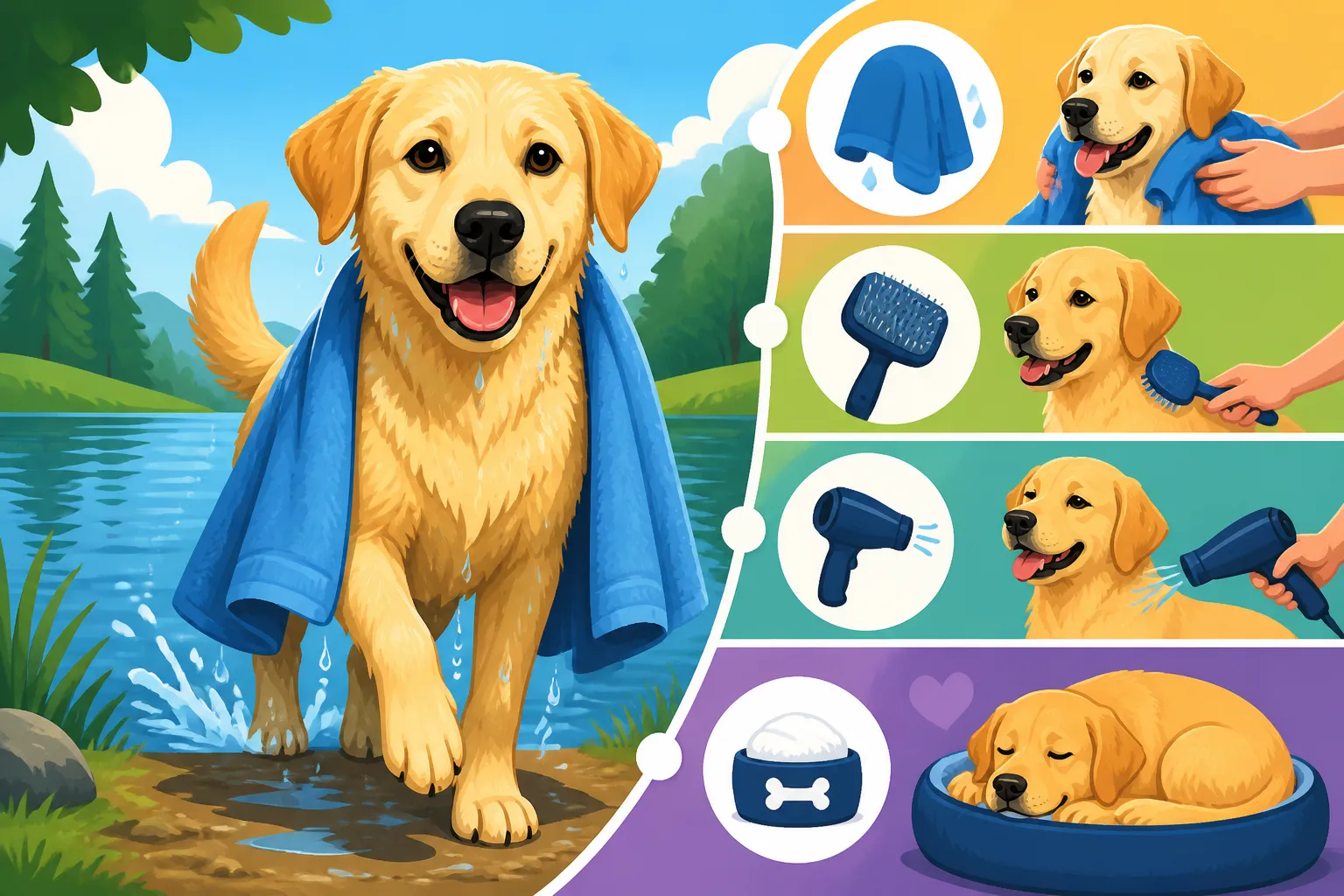
Immediately after their big shake, have a dedicated "lake towel" ready. This isn't your fancy bathroom towel; it's the one that's seen a hundred muddy paws and wet fur rubs. Start rubbing them down vigorously, paying special attention to their chest, belly, and legs. The goal here isn't to get them bone dry, but to remove as much surface water, loose dirt, and any obvious debris as possible. Think of it as pre-cleaning before the main event. This also helps prevent them from shaking off even more muck once they're in your car or house.
A good initial towel-down also prevents that distinct "wet dog smell" from really setting in, as much of that odor comes from water evaporating off their fur mixed with environmental particles. If you can get a good amount of the lake water off quickly, you're already winning the battle against the stink and protecting your car's upholstery from too much moisture and grime. It’s a small step that makes a huge difference in the grand scheme of post-swim cleanup.
Inspecting for Debris and Critters
This step is absolutely critical, especially if your Labrador loves diving into natural bodies of water like lakes, ponds, or even murky rivers. As much as we adore their enthusiasm, these places are rarely sterile. Once you've given them their initial towel-off, take a moment to really inspect their coat, paws, and ears.
Run your hands through their fur, feeling for any twigs, leaves, burrs, or small stones that might have gotten tangled in their dense double coat. Labradors have a thick undercoat that's great for insulation but also fantastic at trapping debris. Pay close attention to areas like their armpits, groin, and the long feathering behind their legs, as these are common spots for things to hide. I've found everything from stubborn stickers to tiny pebbles lodged uncomfortably close to the skin after a particularly enthusiastic romp.
Beyond plant matter, you'll also want to keep an eye out for any unwelcome guests. Ticks love to grab onto passing fur, and wet fur can make them harder to spot. Leeches, though less common, can also attach themselves in warmer, stagnant waters. A quick visual inspection, coupled with a thorough run-through with your fingers, can save you a lot of trouble later. This preventative check is a cornerstone of Caring for a Senior Labrador too, as older dogs might be less tolerant of hidden irritants.
Hydration and Calming Down
After a good swim, especially on a warm day, your Labrador might be dehydrated. Even though they've been in water, they've likely expended a lot of energy. It's not uncommon for Labradors to accidentally ingest some lake water while swimming and playing, but you still want to offer them fresh, clean drinking water as soon as they're out and you've completed the initial towel-down and check.
Having a portable water bowl and a bottle of fresh water on hand is always a smart idea when you're out with your Labrador, whether at the lake or on a hike. Allowing them to rehydrate helps replenish their system and can even aid in flushing out any minor amounts of lake water they might have swallowed. It's a simple act of care that's often overlooked in the excitement of post-swim chaos.
Furthermore, a few minutes of quiet hydration can help calm your Labrador down before you load them into the car or head home. An over-excited, wet dog can be a handful, potentially shaking off more water or muddying up your vehicle. Giving them a moment to drink and decompress allows their heart rate to come down a bit, making the journey home much more pleasant for everyone involved. Sometimes, a short walk on the leash away from the water's edge can also help transition them from play mode to travel mode.
Thorough Cleaning at Home: The Must-Dos
Once you're back home, the real work begins. This is where you focus on truly cleaning your Labrador to prevent common post-swim issues like skin irritations and infections. Don't skip these steps, even if your dog looks "clean" – invisible contaminants can be the most troublesome.
Rinsing the Coat: More Than Just Water
While the initial towel-off got rid of the obvious dirt, lake water contains a cocktail of microorganisms, algae, pollutants, and who-knows-what-else that you don't want sitting on your Labrador's skin or in their coat. A thorough rinse is absolutely essential, and often, it's more important than a full shampoo bath.
Think of it this way: a quick dip in the shower or with a garden hose (temperature permitting!) can wash away residual lake water and any microscopic irritants before they have a chance to dry and cause problems. Use lukewarm water and make sure you rinse every part of their body, from their neck down to their toes. For many Labradors, especially those who swim frequently, a rinse without shampoo is sufficient most of the time. You don't want to over-bathe them with shampoo, as this can strip their natural oils and lead to dry, itchy skin.
However, if the lake water was particularly murky, smelled bad, or if your Labrador has sensitive skin, a gentle, hypoallergenic dog shampoo might be a good idea. Lather it in well, ensuring it penetrates their thick double coat, and then rinse even more thoroughly than you think necessary. Any shampoo residue left behind can also cause irritation. When choosing a shampoo, look for products specifically designed for sensitive skin or those with soothing ingredients. You can find a wide range of options, from everyday essentials to specialized formulas, at popular online retailers like Chewy or Amazon. Remember, the goal is to cleanse, not to strip. For a deeper dive into bathing techniques, check out Bathing a Labrador Retriever.
Ear Care: Preventing Infections
This is perhaps the most critical step for Labradors after a swim. Their beautiful, floppy ears are designed to hang down, which unfortunately creates a warm, moist, dark environment perfect for bacteria and yeast to flourish – especially when water gets trapped inside. Left unchecked, this can quickly lead to painful and recurring ear infections. Trust me, you do not want to deal with a severe ear infection; they're uncomfortable for your dog and costly to treat. Labrador Ear Infections and Swimming happen all too often.
Once your Labrador is out of the water, and ideally after the initial rinse, gently lift each ear flap and inspect the inner ear. Use a soft towel or a cotton ball to carefully wipe away any visible water or debris from the outer ear canal. Then, and this is key, use a veterinarian-approved ear cleaning solution. You can often find these at pet stores or online at sites like Chewy or Amazon. Never use cotton swabs deep inside the ear canal, as this can push debris further in and potentially damage the eardrum.
Apply the solution as directed – typically a few drops or a small squirt into the ear canal – then gently massage the base of the ear for 20-30 seconds. You’ll hear a squishing sound, which means the solution is working its way in. After massaging, let your Labrador shake their head (have that towel ready again!). This helps dislodge wax and debris. Finally, use a clean cotton ball or soft cloth to wipe out any visible discharge. Repeating this process for both ears every time your Labrador swims can drastically reduce their risk of infection.
Paw and Pad Health Check
Your Labrador's paws take a beating during a lake adventure. Running over uneven terrain to get to the water, swimming, and then running back can lead to minor cuts, abrasions, or even foreign objects getting lodged between their paw pads. Neglecting their paws can lead to discomfort, limping, and secondary infections.
After the rinse and ear care, sit your Labrador down and meticulously examine each paw. Spread their toes apart and look closely at the pads themselves, as well as the skin between the pads. Are there any visible cuts, scrapes, or punctures? Are there burrs, thorns, or small pieces of gravel stuck in the fur or skin? Use tweezers if necessary to carefully remove any foreign objects. This is also a good time to ensure their nails aren't excessively long, which can contribute to paw problems over time.
If you find any minor cuts or abrasions, clean them gently with warm water and a mild antiseptic solution designed for pets. You can apply a pet-safe balm to their paw pads if they appear dry or cracked, which is especially important if they’ve been on rough surfaces. Some owners find that a little bit of coconut oil or a specialized paw butter works wonders. This diligent paw care helps keep your Labrador comfortable and ready for their next adventure.
The Drying Process: Crucial for Skin Health
Getting your Labrador thoroughly dry is just as important as cleaning them. A damp coat, especially in a thick-furred breed like a Labrador, creates a breeding ground for yeast and bacteria, leading to uncomfortable skin conditions.
Towel Drying Techniques
Even after a good shake and initial rub-down, your Labrador's double coat holds a surprising amount of water. Effective towel drying involves more than just a quick rub. You want to work into the coat, not just on the surface.
Start by squeezing excess water from their fur, particularly around the legs and tail. Then, using clean, dry towels, gently but firmly rub their coat against the grain. This helps to lift the undercoat, allowing the towel to absorb moisture from deeper layers. Don't be afraid to use multiple towels; a truly wet Labrador can soak through several! Pay extra attention to their chest, belly, and the areas behind their ears, which tend to stay damp longer.
The goal here isn't necessarily to get them completely dry, but to remove enough moisture so that air can circulate and finish the job more efficiently, without leaving them clammy. You'll likely notice the towel picking up a surprising amount of residual dirt even after a rinse, which underscores the importance of this step.
Air Drying vs. Forced Air Dryers
For many Labradors, especially in warmer weather, a thorough towel dry followed by air drying in a warm, draft-free area is perfectly acceptable. They'll finish drying naturally within a few hours. However, if you have a very thick-coated Labrador, or if it's cooler outside, air drying alone might not be sufficient or quick enough, which can lead to problems.
Forced air dryers (specifically designed for pets, not human hair dryers on high heat) can be incredibly helpful. These dryers push air through the coat without using extreme heat, effectively blowing water out rather than just evaporating it. This method gets the undercoat dry much more quickly and helps prevent matting in some longer-coated breeds (though less common for Labs) and, critically, skin issues. If using a forced air dryer, always keep the nozzle moving and monitor the temperature to ensure your dog isn't getting too hot.
Never use a human hairdryer on its hottest setting directly on your dog's skin, as it can easily cause burns. The heat tolerance for dogs is much lower than for humans. If you don't have a pet dryer, stick to towel drying and ensure they have a warm, indoor spot to finish drying completely.
Ensuring Complete Dryness
The real trick is ensuring complete dryness, especially deep within their dense undercoat and in body folds. This is where many owners unintentionally fall short, and it's precisely why issues like hot spots often crop up.
After towel drying, and even if you've used a forced air dryer, give your Labrador a final, detailed inspection. Run your fingers through their fur again, feeling for any damp patches. Pay particular attention to:
- Armpits and Groin: These areas are prone to moisture retention.
- Under the Tail: Often overlooked, but a common spot for dampness.
- Ears: Re-check behind and inside their ear flaps.
- Paw Pads: Ensure no dampness lingers between the toes.
If you still find damp spots, continue to towel dry or use a pet dryer on a cool setting. Consider keeping them in a well-ventilated, warm room for a few hours. Resist the urge to let them lie on cold, damp surfaces while they're still drying. A comfy, dry dog bed is ideal. Inadequate drying is one of the main culprits behind conditions like Hot Spots and Allergies in Labradors, which can turn a fun swim into weeks of discomfort and vet visits.
Post-Swim Health Considerations and Prevention
Beyond the immediate cleaning and drying, it's wise to keep an eye on your Labrador for a day or two after a lake swim. Proactive monitoring can catch potential issues before they become serious.
Watching for Skin Irritations and Hot Spots
Even with the best post-swim routine, some Labradors are simply more prone to skin irritations. The change in water chemistry, residual pollen, or even just the prolonged dampness can sometimes trigger a reaction.
Keep an eye out for any signs of discomfort:
- Excessive scratching or licking: If your Labrador is constantly bothering a particular spot, investigate.
- Redness or inflammation: Part the fur and look at their skin. Any unusual pinkness or angry red patches warrant attention.
- Damp, matted fur: This can be the first sign of a hot spot forming, where the skin becomes inflamed and develops a bacterial infection, often creating a moist, painful lesion.
- Odor: A yeasty or foul smell emanating from a specific area of skin can indicate an issue.
If you notice any of these signs, especially a developing hot spot, it's best to contact your veterinarian. Early intervention can prevent a minor irritation from escalating into a severe infection that requires antibiotics and significant discomfort for your dog. Prevention truly is the best medicine here, by ensuring thorough cleaning and drying every time.
Monitoring for Waterborne Illnesses
While we hope our Labradors are swimming in clean, pristine waters, the reality is that many natural bodies of water can harbor various bacteria and parasites. These can cause gastrointestinal upset or more serious systemic diseases.
Symptoms to watch for after your Labrador has been swimming in natural water include:
- Diarrhea or vomiting: Especially if it's persistent or accompanied by blood or mucus.
- Lethargy: Unusual tiredness or lack of energy.
- Loss of appetite: Refusing food or eating much less than usual.
- Fever: Can be indicated by a warm nose, lethargy, or a rectal temperature check.
- Changes in urination: More frequent, painful, or discolored urine could indicate problems like Leptospirosis, which is often contracted through contaminated water or soil.
Parasites like Giardia are common culprits in contaminated water and can cause chronic diarrhea. It's always a good idea to discuss common waterborne risks with your vet, especially if your Labrador is a frequent swimmer. They might recommend specific vaccinations, like the Leptospirosis vaccine, which can protect against some serious diseases. Lyme and Lepto Shots for Labradors are definitely worth considering depending on your local environment. If your dog exhibits any concerning symptoms, don't hesitate to reach out to your vet for advice.
General Comfort and Rest
Finally, after all the excitement of swimming and the thorough post-swim routine, your Labrador will likely be tired and ready for some serious rest. Provide them with a comfortable, clean, and dry place to relax. This might be their favorite dog bed, a cozy corner with a blanket, or their crate.
Ensure the area is free from drafts but also well-ventilated. A tired, relaxed Labrador is a happy Labrador. This period of rest allows their body to recover from the physical exertion and helps them settle down after an invigorating outing. It also gives you peace of mind knowing you've done everything you can to keep them healthy and comfortable after their beloved lake swim.
Regular adventures are fantastic for a Labrador's physical and mental well-being, but taking these extra steps ensures those adventures remain joyful, healthy experiences for years to come.
| Step | Action | Why It's Important |
|---|---|---|
| Immediate Post-Swim | ||
| 1. Initial Shake & Towel Down | Encourage a good shake, then vigorously towel dry to remove surface water and loose debris. | Prevents mud/debris transfer, reduces initial "wet dog" smell, gets bulk water off. |
| 2. Inspect for Debris/Critters | Thoroughly check coat, paws, and ears for twigs, burrs, ticks, or leeches. | Crucial for preventing irritation, injury, and pest infestations. Early removal is key. |
| 3. Offer Fresh Water & Calm Down | Provide clean drinking water; allow time for rehydration and relaxation. | Rehydrates after exertion; helps calm an excited dog before travel; reduces accidental ingestion of more lake water. |
| At-Home Cleaning | ||
| 4. Rinse Coat Thoroughly | Use lukewarm water (and mild shampoo if very dirty) to rinse away lake residue, algae, and irritants. | Prevents skin irritation and bacterial/yeast growth from lake contaminants. Avoids over-shampooing natural oils. |
| 5. Clean & Dry Ears | Gently wipe outer ear, then use vet-approved solution to clean and dry the inner ear canal. | Prevents ear infections (otitis externa) caused by trapped moisture in floppy ears. |
| 6. Check & Clean Paws | Inspect pads and between toes for cuts, abrasions, or lodged foreign objects. Clean and moisturize. | Prevents paw injuries, infections, and discomfort. Maintains paw pad health for future activities. |
| Drying Process | ||
| 7. Towel Dry Deeply | Rub towels against the fur's grain, working into the undercoat; use multiple towels. | Removes significant moisture from the dense undercoat, reducing overall drying time. |
| 8. Ensure Complete Dryness | Air dry in a warm, ventilated space, or use a pet-specific forced air dryer on cool/low heat. | Critical for preventing hot spots, yeast infections, and other moisture-related skin conditions. Pay attention to body folds. |
| Post-Swim Monitoring | ||
| 9. Monitor Skin for Irritation | Watch for excessive scratching, licking, redness, damp spots, or unusual odors for 1-2 days. | Early detection of hot spots or other skin issues allows for quicker treatment and prevents worsening. |
| 10. Watch for Illness Symptoms | Observe for diarrhea, vomiting, lethargy, or appetite loss, indicating potential waterborne illness. | Prompt veterinary attention for symptoms of giardia, leptospirosis, or other infections contracted from lake water. |
| 11. Provide Comfort & Rest | Offer a clean, dry, comfortable resting spot in a quiet, warm area. | Allows physical recovery and mental decompression after exercise and grooming. Reinforces a positive experience. |
Disclaimer
This article is for general informational purposes only and does not constitute professional advice. Laws, prices and regulations vary by location and change over time. Consult a qualified professional for guidance on your specific situation.