Dental Chews That Work for Labradors
That unmistakable aroma of less-than-fresh dog breath, a hallmark of many a beloved Labrador, is more than just a minor inconvenience during cuddle time. It’s often the first, most obvious sign that something deeper might be brewing in your furry friend’s mouth, a silent battle against plaque and tartar that can lead to painful dental disease. This comprehensive guide will walk you through why dental care, particularly the smart use of dental chews, is so crucial for Labradors, helping you navigate the sometimes overwhelming world of oral health products to find what truly works.
Why Dental Health is Such a Big Deal for Labradors (and Their Humans!)
As Labrador owners, we know our dogs love to chew. It’s practically a job description for them! But sometimes, that chewing isn't quite enough to keep their pearly whites in top shape. Dental disease isn't just about bad breath; it's a genuine health concern that can impact their overall well-being, silently creeping up on them until it becomes a significant problem.
The Silent Threat: What Happens Without Dental Care
Imagine never brushing your own teeth. Yikes, right? It's pretty much the same for our Labradors. Without regular cleaning, food particles, bacteria, and saliva combine to form plaque on their teeth. If that plaque isn't removed, it hardens into tartar, which is that rough, yellowish-brown crud you might see accumulating, especially on the back teeth. Once tartar forms, you can't just brush it away at home; it requires a professional dental cleaning by a vet under anesthesia.
The real danger, though, lies beneath the gum line. Tartar and plaque can lead to gingivitis (inflammation of the gums) and, if left untreated, progress to periodontal disease. This is where things get serious. Periodontal disease causes irreversible damage to the structures supporting the teeth – the gums, bone, and ligaments. It's incredibly painful for your dog, even if they're stoic about it (and Labs are famously stoic!). Think about it: loose teeth, receding gums, chronic pain, and infections. These oral bacteria can even enter the bloodstream and spread to vital organs like the heart, kidneys, and liver, causing much more significant health issues down the line. It's a scary thought, but understanding this progression is the first step in prevention. For more on this, check out Labrador Dental Disease and Tartar.
Why Labradors Are Prone to Dental Woes
Our lovely Labradors, for all their wonderful qualities, often come with a few predispositions that make dental care even more vital. Their sheer enthusiasm for life, coupled with their powerful jaws and strong chewing instincts, means they put their teeth through a lot. While chewing can help, not all chewing is created equal. Some Labs might favor certain sides of their mouths, leading to uneven wear and plaque buildup elsewhere.
Also, many Labradors are famously food-motivated (understatement of the century, I know!). This means they might gobble down their kibble without much chewing action on each piece, or they might be less discerning about what they do chew on. Their breed standard gives them a "scissor bite" and strong, well-set teeth, which are great for retrieving, but don't inherently protect against plaque buildup, especially in those hard-to-reach areas. Regular vet check-ups are key to catching these issues early, and often, Routine Vet Spending on a Labrador includes dental assessments that can flag potential problems.
Understanding What Makes a Dental Chew "Work"
So, you're convinced dental health is important – great! Now comes the tricky part: wading through the sea of dental chews out there. They all promise sparkling teeth and fresh breath, but how do you know which ones genuinely deliver and, more importantly, are safe for your beloved Lab? It boils down to a few key factors: mechanical action, active ingredients, and overall safety.
Mechanical Action: The Scrubbing Power
The most straightforward way a dental chew helps is through its abrasive action, essentially scrubbing away plaque as your dog chews. Think of it like a mini toothbrush in their mouth. For a chew to be effective mechanically, it needs a specific texture and shape that allows it to rub against the tooth surface, disrupting plaque before it hardens into tartar.
The design of the chew plays a huge role here. Many effective dental chews have ridges, nubs, or an unusual shape that forces the dog to chew with different parts of their mouth, maximizing contact with various teeth. The texture should be firm enough to provide a scrubbing action but not so hard that it risks chipping or breaking a tooth – a common and painful problem, especially for powerful chewers like Labs. Size also matters; a chew that's too small might be swallowed too quickly, offering no benefit, while one that's too large could be awkward or even ignored. You want a chew that encourages sustained gnawing, allowing plenty of time for that all-important scrubbing to happen.
Active Ingredients: More Than Just a Scrub
While mechanical action is fundamental, many modern dental chews go a step further by incorporating active ingredients that support oral health. These aren't just for flavor; they're designed to help reduce bacteria, break down plaque, or even neutralize bad breath.
Common active ingredients you might see include:
- Enzymes: These can help break down plaque and prevent bacterial growth. For example, some chews contain glucose oxidase and lactoperoxidase, which interact to produce a natural antibacterial effect in the saliva.
- Antimicrobials: Ingredients like zinc chloride or hexametaphosphate (HMP) can help prevent tartar formation by binding to calcium in the saliva, thereby inhibiting plaque mineralization.
- Chlorophyll: Often added for its breath-freshening properties, chlorophyll can help reduce odors by neutralizing sulfur compounds in the mouth.
It’s important to remember that these active ingredients work best when they have sufficient contact time with the teeth and gums, which again emphasizes the importance of a chew that encourages thorough chewing rather than quick gulping. When you're Choosing Dog Food for a Labrador Retriever, you might already be looking at ingredients, and the same discerning eye should be applied to dental chews.
Safety First: Choosing the Right Chew for Your Lab
This is perhaps the most critical consideration. A dental chew is only good if it's safe for your Labrador to consume. The market is flooded with options, and not all are created equal. You need to be particularly careful with hard chews like antlers, bones, or even some very dense nylon toys. While they might seem indestructible, they can actually cause slab fractures on teeth, leading to painful infections and expensive vet visits. If you can’t easily indent the chew with your thumbnail, it’s probably too hard.
Another major safety concern is digestibility and choking hazards. Chews should be formulated to break down safely or be of a size and shape that minimizes choking risk. For our often food-driven Labs, anything they can quickly break off and swallow whole is a potential danger. Always supervise your Labrador when they're enjoying a dental chew. Beyond physical safety, consider the calorie content. Many dental chews can be surprisingly high in calories, and for a breed prone to weight gain like Labradors (read more about Why Labradors Gain Weight So Easily), this can quickly add up. Choose appropriate sizes and factor the calories into their daily food intake, especially if you're managing their weight. Treats That Fit a Labrador's Calorie Budget are always a good idea.
Top Contenders: Dental Chews Popular with Labrador Owners
With safety and efficacy in mind, let's dive into some of the types of dental chews that have proven popular and effective for Labradors. Remember, no single chew is a magic bullet, but combining a good chew with other dental care practices can make a huge difference.
VOHC-Approved Options: The Gold Standard
When it comes to dental chews, the Veterinary Oral Health Council (VOHC) seal of approval is like a beacon of trustworthiness. The VOHC is an organization that accepts products that meet pre-set standards of plaque and tartar reduction in dogs and cats. When a product carries the VOHC seal, it means it has undergone rigorous testing and has been scientifically proven to help control plaque and/or tartar. This takes a lot of the guesswork out of choosing.
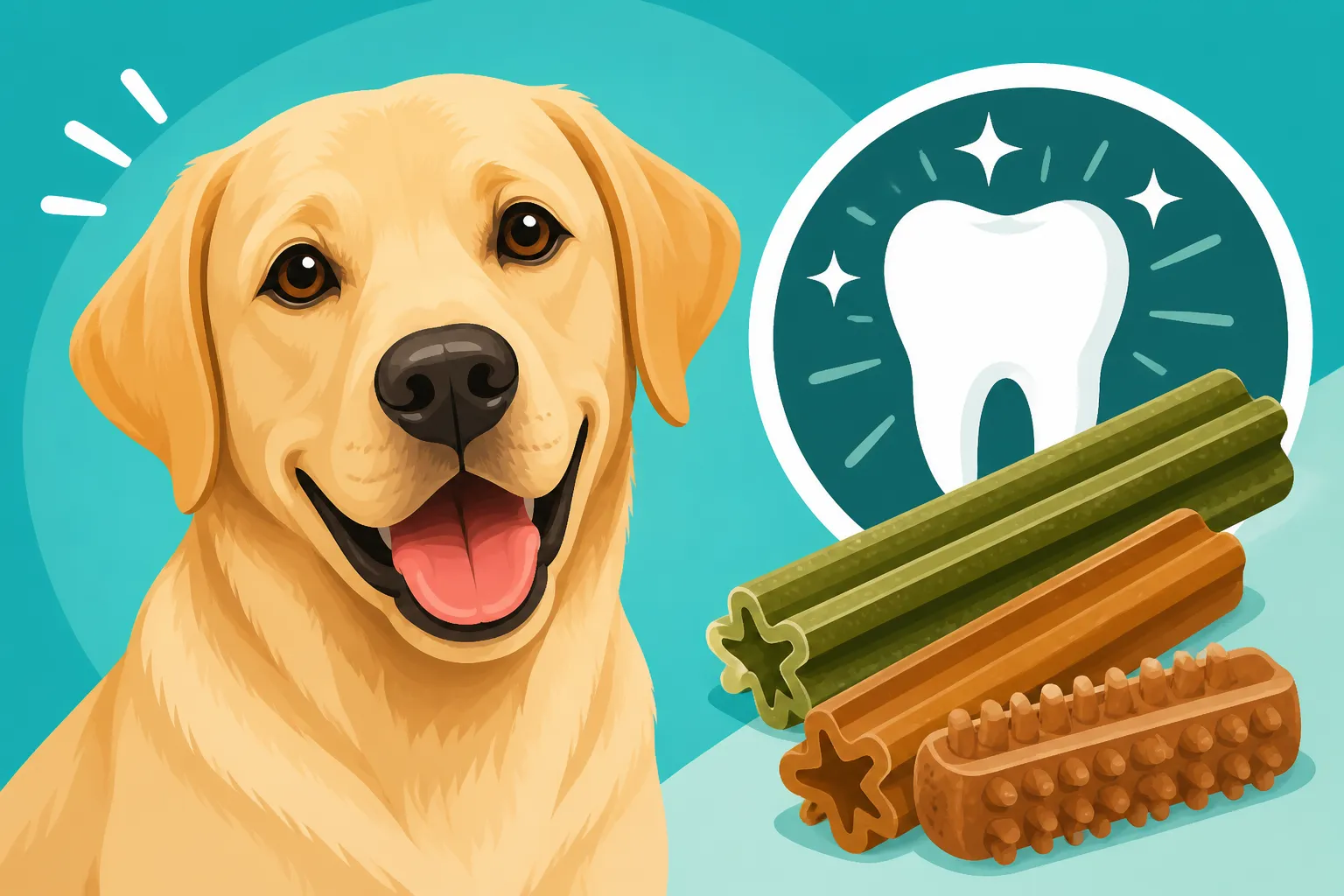
Many popular dental chews for large breeds, including those made by brands you’ll recognize, carry this seal. Think of options like Greenies, which are a long-standing favorite. They come in various sizes, including large and even 'jumbo' for our bigger Labs, and their unique texture and shape are designed for maximum tooth contact. Another excellent VOHC-approved option is Virbac C.E.T. VeggieDENT Chews, which are plant-based and formulated with a unique Z-shape to scrape away plaque. These are readily available at most pet supply stores and online retailers like Chewy and Amazon. Always look for the VOHC seal directly on the packaging when you're shopping.
| Feature | VOHC-Approved Chews | Considerations for Labs |
|---|---|---|
| Plaque Reduction | Scientifically proven | Effective for daily maintenance, not a cure for disease |
| Tartar Control | Scientifically proven | Helps prevent new buildup; won't remove existing tartar |
| Texture & Shape | Designed for scrubbing | Choose appropriate size for your Lab's jaw |
| Digestibility | Generally highly digestible | Still monitor for quick swallowing |
| Calorie Content | Varies; check packaging | Factor into daily intake to avoid Labrador Obesity and the Years It Costs |
| Cost | Moderate to higher | Often worth the investment for proven efficacy |
| Availability | Widely available at pet stores, online (Chewy, Amazon) | Look for the VOHC seal on the product |
Natural and Limited-Ingredient Choices
Some Labrador owners prefer a more "natural" approach to their dog's diet and care, extending this philosophy to dental chews. While fewer natural options carry the VOHC seal (due to the extensive testing required), many still offer good mechanical cleaning and can be excellent choices, provided you prioritize safety.
For example, bully sticks (or pizzle sticks) are a very popular natural chew. They are highly palatable for most Labs and offer a good, long-lasting chewing experience that helps scrape teeth. However, they can be calorie-dense and some can pose choking hazards if your Lab breaks off a large piece and tries to swallow it. Always supervise and remove small end pieces. Similarly, products like Yak Cheese Chews are very hard and long-lasting, but again, carry a risk of tooth fracture if your Lab is an aggressive chewer, so assess your dog's chewing style carefully.
Another category is single-ingredient vegetable-based chews. Certain brands focus on highly digestible ingredients like sweet potatoes or other starches. These can be good for Labs with sensitivities or owners looking for simpler formulations. Just be mindful of their texture; they need to be firm enough to provide some scrubbing but not too brittle that they shatter into sharp pieces. When considering these options, especially those without a VOHC seal, it's crucial to evaluate the chew's hardness and how your individual Labrador chews. Look for robust, reputable brands available on sites like Ollie or Chewy that clearly list their ingredients and manufacturing processes.
DIY and Budget-Friendly Alternatives
Let's be realistic: dental chews can add up, especially if you're dedicated to giving them regularly. But there are also some fantastic, budget-friendly, and often DIY alternatives that can contribute to your Labrador's oral health. The best "chew" for dental health, after all, is something that provides resistance and scrapes the teeth.
- Raw Carrots and Celery: These are crunchy, low-calorie, and provide some abrasive action. Many Labs enjoy the crunch! Just make sure they're cut into appropriate, choke-safe sizes. A whole large carrot can be a good chew toy, but small pieces might be swallowed too fast.
- Frozen Kongs or Puzzle Toys: While not strictly "chews," stuffing a Kong with plain yogurt, peanut butter (xylitol-free!), or mashed sweet potato and freezing it provides a long-lasting licking and gnawing activity that can clean the front teeth and stimulate saliva, which helps wash away food particles.
- Regular Toothbrushing: This is the absolute gold standard and the single most effective way to prevent dental disease. Nothing beats mechanical brushing with dog-specific toothpaste. If you can commit to even a few times a week, you'll see a massive difference. Our guide Brushing a Labrador's Teeth at Home has all the tips you need to get started.
- Water Additives: These are liquids you add to your dog's drinking water that contain ingredients designed to reduce plaque bacteria or freshen breath. While they won't replace brushing or professional cleaning, they can be a helpful addition to a comprehensive dental routine.
Combining these methods, especially brushing, with a high-quality dental chew means you're tackling plaque and tartar from multiple angles without completely breaking the bank.
Integrating Dental Chews into Your Lab's Routine
Okay, you've chosen your chew! Now, how do you make it a part of your Labrador's everyday life without it becoming just another treat that disappears in ten seconds flat? It's all about strategic integration and understanding that chews are just one piece of the puzzle.
How Often and When to Offer Dental Chews
Consistency is key when it comes to dental health. Ideally, a dental chew should be offered daily or at least several times a week to be most effective. Think about how often you brush your own teeth – it's a daily habit for a reason! For Labradors, giving them a chew after their main meal can be beneficial. This is when their mouth might have the most food residue, and the chew can help scrub it away before it adheres to the teeth.
However, moderation is also important due to the calorie content we discussed. If you're giving a dental chew every day, make sure to adjust your Labrador's regular food intake accordingly. For example, if your adult Labrador is eating two cups of kibble per day, and the dental chew adds 100 calories, you might reduce their kibble slightly. This ensures you're maintaining their ideal weight, which is crucial for their overall health and lifespan. Consider the specific advice in Labrador Puppy Feeding Amounts and Schedule and Cups Per Day for an Adult Labrador when calculating daily calories. Always supervise your Lab while they're enjoying their chew to prevent gulping or choking, especially if it's a new type of chew.
Dental Chews as Part of a Holistic Dental Plan
It's vital to view dental chews as a supplementary tool, not a standalone solution. They are excellent for managing plaque and tartar buildup between professional cleanings, but they cannot replace regular veterinary dental care or at-home brushing. Imagine trying to clean your house with just a broom; you also need a vacuum, dustpan, and a good scrub brush for the tough spots!
A truly holistic dental plan for your Labrador should include:
- Daily (or every-other-day) Toothbrushing: This is the most effective method, hands down.
- Regular Veterinary Check-ups: Your vet will assess your Lab's oral health during their annual physical exam and recommend professional cleanings when necessary. They can spot issues that you might miss. Our article on How Often a Labrador Needs Dental Cleaning offers more insight here.
- High-Quality Dental Chews: As discussed, choosing VOHC-approved chews or safe, effective natural options.
- Dental Water Additives or Oral Rinses: These can provide an extra layer of protection, particularly if your Lab isn't keen on brushing.
- Appropriate Diet: A quality kibble can help reduce plaque, though don't rely on "dental kibble" alone.
By combining these strategies, you're providing your Labrador with the best possible defense against painful and potentially dangerous dental disease, ensuring they keep that happy, healthy smile for years to come.
Troubleshooting: When Chews Aren't Enough (or Are Too Much)
Sometimes, even with the best intentions and the most highly-rated dental chews, things don't go exactly as planned. Your Labrador might turn their nose up at a particular chew, or you might notice digestive upset. Or, most frustratingly, you might still see significant plaque and tartar buildup despite your efforts.
If your Lab refuses a dental chew, don't despair! Every dog is an individual. Try a different flavor, texture, or even a different brand. Some Labs prefer a softer, more pliable chew, while others crave the challenge of a firmer one. Keep experimenting until you find something they truly enjoy and will spend time on. If a chew consistently causes stomach upset (vomiting, diarrhea, excessive gas), it's a clear sign that particular product isn't agreeing with them, and you should discontinue its use. Always introduce new chews gradually to see how your Lab reacts.
If, after consistent use of dental chews and at-home care, your vet still points out significant dental issues, it's a sign that the chews aren't providing sufficient cleaning for your dog's specific needs. This might mean your Lab has a genetic predisposition to faster plaque buildup, or perhaps their chewing style isn't optimized for the chews you're using. In such cases, your vet might recommend more frequent professional cleanings or a specialized prescription dental diet. Remember, dental chews are an aid, not a magic cure. The most important thing is to be observant, consistent, and proactive in your Labrador's dental care journey.
Disclaimer
This article is for general informational purposes only and does not constitute professional advice. Laws, prices and regulations vary by location and change over time. Consult a qualified professional for guidance on your specific situation.