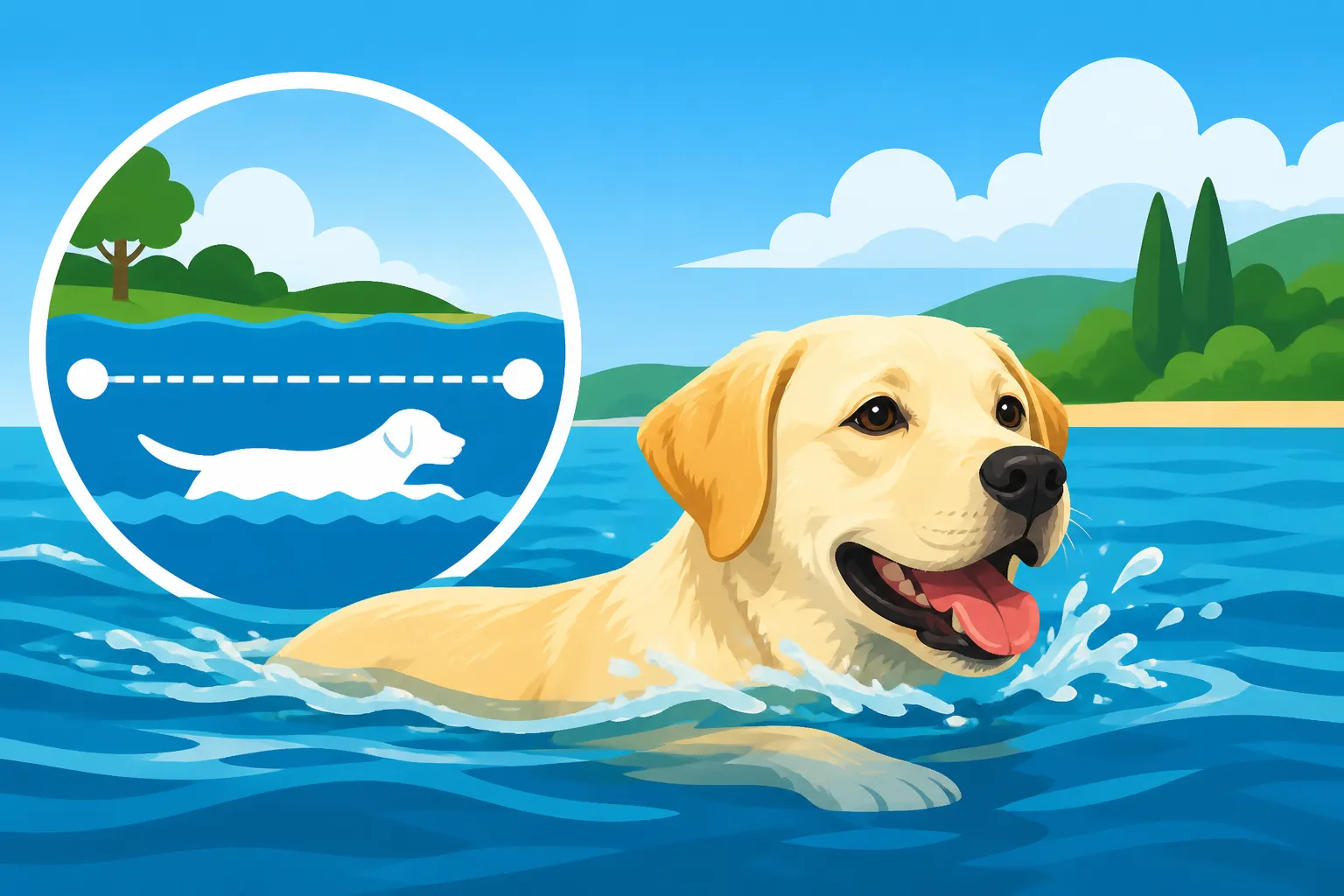
Swimming Distance for a Labrador
One of the greatest joys of owning a Labrador is watching them dive into the water with pure, unadulterated enthusiasm. But as much as they love to swim, it's natural to wonder how far is too far, or how to ensure their aquatic adventures are always safe and beneficial. This guide will help you understand the factors that influence how much swimming your Labrador can safely handle, and how to build their endurance thoughtfully, so they can enjoy the water for years to come.
Why Labradors Are Built for the Water
Labradors, true to their name and heritage, are practically synonymous with water. It's in their DNA, woven into their very being, from their "otter" tails to their webbed feet and water-resistant coats. This isn't just a charming trait; it's a testament to their history as working dogs, retrieving fishing nets and downed fowl from icy waters. Because of this, swimming isn't just fun for a Lab; it's often a deeply satisfying, instinctual activity that provides immense physical and mental benefits.
The Anatomical Advantages of a Water Dog
Think about your Labrador's physical attributes for a moment. That strong, tapered tail, thick at the base and tapering to a point, acts like a powerful rudder, guiding them effortlessly through the water. Their famously dense, double coat provides insulation, keeping them warm even in chilly lakes or oceans, while also repelling water to help them dry quickly. And those webbed feet? They're not just a quirk; they're like natural paddles, increasing surface area and propulsion. These features mean that swimming comes incredibly naturally to most Labradors, making it one of the best forms of exercise for them. It’s a full-body workout that's gentle on their joints, which is particularly beneficial as they age or if they have predispositions to conditions like Labrador Hip and Elbow Dysplasia.
The Benefits of Swimming for Labrador Health
Beyond just being fun, swimming offers a wealth of health benefits that are hard to match with land-based exercise alone. For starters, it's a fantastic cardiovascular workout, strengthening their heart and lungs without the concussive impact on joints that running or jumping can have. This makes it an ideal activity for Keeping a Labrador at a Healthy Weight, as it burns a lot of calories efficiently. It's also excellent for building and maintaining muscle mass, especially in the hindquarters, which can support joint health. Furthermore, the mental stimulation of swimming, especially if it involves retrieving toys or sticks, can be incredibly enriching. A tired Lab is usually a well-behaved Lab, and a good swim can provide that fulfilling mental and physical release. Just remember, even with all these benefits, it's not a free-for-all; moderation and careful observation are key.
Factors Influencing Safe Swimming Distances
While Labradors are natural swimmers, their capacity isn't unlimited. Just like humans, their endurance varies greatly depending on several individual and environmental factors. Ignoring these can quickly turn a fun outing into a dangerous situation. It's crucial to be mindful of your specific dog's condition and the conditions of the water itself before encouraging them to swim long distances.
Your Labrador's Age and Fitness Level
A young, energetic adult Labrador in peak physical condition will naturally be able to swim further and longer than a puppy or a senior dog. For puppies, it’s vital to understand that their growth plates are still developing, and too much strenuous activity, including prolonged swimming, can put undue stress on their growing joints. Labrador Puppy Health in the First Year emphasizes gradual introduction to exercise. Similarly, senior Labradors, while they might still love the water, will have reduced stamina and may tire more quickly. They might also be dealing with Labrador Arthritis in Middle Age or other age-related conditions that limit their physical capabilities. Always consult with your vet about appropriate exercise levels for puppies and senior dogs.
A Labrador who is regularly exercised on land will generally have better swimming endurance. If your dog primarily gets short walks, don't expect them to suddenly swim a mile. Their cardiovascular fitness needs to be built up. Conversely, a Labrador who is overweight will tire faster and put more strain on their joints while swimming, making shorter, more frequent sessions preferable.
Water Temperature and Environmental Conditions
The temperature of the water is a huge, often overlooked, factor. Even with their double coat, Labradors are susceptible to hypothermia in very cold water, or overheating in extremely warm water. Cold water saps energy quickly and can lead to muscle cramps. Conversely, swimming in warm, stagnant water on a hot day can increase the risk of heatstroke. Heat Tolerance in a Black Labrador discusses how darker coats absorb more heat, making these dogs even more vulnerable in hot weather.
Beyond temperature, consider the water itself. Is there a strong current in a river or ocean? Are there hidden obstacles like submerged logs or rocks? What about boat traffic? All these environmental conditions increase the physical demands and potential hazards of swimming, significantly reducing the safe distance your Labrador can manage. Lakes or calm, shallow rivers are generally safer for longer swims than open oceans with strong tides or fast-moving currents.
Health Conditions and Predispositions
Even seemingly healthy Labradors can have underlying conditions that impact their swimming ability and safety. We've already touched on hip and elbow dysplasia, but cardiac conditions, respiratory issues, or even a predisposition to Exercise-Induced Collapse in Labrador Retrievers can make strenuous swimming dangerous. Always ensure your Labrador has had appropriate health clearances from a reputable breeder and regular vet check-ups.
Furthermore, Labradors are prone to ear infections, especially after swimming. Their floppy ears can trap moisture, creating a perfect breeding ground for bacteria and yeast. This doesn't directly limit swimming distance, but it does mean diligent Drying a Labrador's Ears After the Lake and cleaning are essential post-swim. If your Lab is already prone to ear issues, you might need to limit water time or be extra vigilant.
Here's a quick comparison of factors:
| Factor | Ideal for Longer Swims | Limits Swimming Distance/Time |
|---|---|---|
| Age | Adult (2-7 years) | Puppy (<1 year), Senior (>8 years) |
| Fitness | Highly conditioned, lean | Sedentary, overweight |
| Health | No known orthopedic/cardiac issues | Dysplasia, heart issues, EIC |
| Water Temp. | Moderate (60-75°F / 15-24°C) | Very cold (<50°F), very warm (>80°F) |
| Water Type | Calm lake, slow river, shallow entry | Strong current, ocean waves, murky water |
| Gear | Life jacket for safety/support | No life jacket (increases effort) |
How to Introduce and Build Up Swimming Endurance
Getting your Labrador comfortable and confident in the water, and then slowly building their endurance, is a process that requires patience and positive reinforcement. Don't rush it; a bad early experience can create a lifelong aversion to water, which would be a shame for a breed that typically loves it so much.
First Steps: Positive Introductions and Shallow Water Play
For a puppy or a Labrador new to swimming, the first goal is simply to make the water a positive, fun place. Start in very shallow water, perhaps a kiddie pool in your yard or the gentle edge of a lake where they can easily stand. Bring their favorite buoyant toys – a classic tennis ball works, but there are also great water-specific toys available on platforms like Amazon or Chewy that are designed to float and be easily grabbed. Toss toys just a few feet into the water, encouraging them to wade in and retrieve. Keep sessions short, maybe 5-10 minutes, and always end on a high note. Praise them enthusiastically for any interaction with the water, even if it's just dipping their paws.
Never force your Labrador into the water. This can cause fear and anxiety, creating a negative association. Instead, lead by example; wade in yourself, make it look fun, and let them choose to follow you. A confident older dog can also be a wonderful role model for a hesitant puppy. Once they're happily wading and retrieving in shallow water, you can gradually move to slightly deeper areas where they have to paddle a bit.
Incorporating a Life Jacket for Safety and Confidence
Even the strongest swimmers can benefit from a life jacket, especially when you're just starting to explore deeper waters or longer distances. A good quality life jacket, easily found from brands like Chewy, provides buoyancy, reducing the effort your Labrador needs to stay afloat. This means they can swim longer without getting as tired, which is perfect for building endurance safely. It also provides a handle on their back, allowing you to easily guide them or pull them out of the water if they get into trouble or become fatigued.
For your Labrador's first few real swims, especially if they are venturing into water deep enough that their paws can't touch the bottom, a life jacket is highly recommended. It builds their confidence, allows them to focus on the retrieving game rather than simply staying afloat, and gives you peace of mind. As they gain strength and confidence, they might not need it for every swim, but it's always a good idea to have it on hand, particularly for open water or unknown environments. Life Jackets for a Labrador in Open Water provides more detail on selecting and using one.
Gradual Increase in Duration and Distance
Once your Labrador is comfortable and wearing a life jacket if needed, you can start to gradually increase their swimming time and distance. Think of it like a human training program: slow and steady wins the race.
- Start with Time: Instead of focusing on distance initially, focus on time. Begin with 10-15 minute swimming sessions, perhaps two to three times a week, combined with their regular land exercise.
- Observe and Adjust: Watch your Labrador closely for signs of fatigue (which we'll cover next). If they're clearly tiring after 10 minutes, stick to 10 minutes for a while before trying to extend.
- Increase Gradually: Add 5 minutes to each session every few days or once a week, depending on their response. Aim for 20-30 minute swimming sessions initially.
- Introduce Distance: Once they can comfortably swim for 20-30 minutes, you can start thinking about distance. This might involve throwing a toy further out, or swimming alongside you (if you're a swimmer too!). Start with short, clear distances and slowly extend them.
- Vary the Activity: Don't just make them swim laps. Incorporate retrieving games, short swims to different points on the shore, or even just floating and paddling alongside you. This keeps it fun and engages different muscles.
- Listen to Your Dog: Some Labradors might be able to swim for an hour or more once conditioned, while others may only manage 30-40 minutes comfortably. There's no magic number; it's all about your individual dog's capabilities. Remember, the goal is enjoyable, healthy exercise, not pushing them to their limits every time. This approach aligns with the principles of Exercise a Labrador Needs Each Day, ensuring a balanced fitness routine.
Recognizing When Your Labrador Needs a Break
Labradors are famously stoic, and their desire to please can sometimes mask their true level of fatigue or discomfort. It's up to us, as their guardians, to be vigilant and recognize the subtle signs that they've had enough. Pushing a Labrador too far in the water can lead to exhaustion, injury, or even life-threatening situations like drowning or secondary drowning.
Signs of Fatigue and Overexertion
Keeping a close eye on your Labrador while they're swimming is paramount. Here are some key indicators that they're tiring and need a rest:
- Slowing Pace: Their powerful, efficient stroke becomes slower, choppier, or less coordinated.
- Head Position: Their head might start to drop lower in the water, indicating they're struggling to keep it up.
- Lagging Behind: If they were swimming with you or retrieving confidently, they might start lagging or taking longer to reach the shore.
- Excessive Panting: While some panting is normal during exertion, excessive, labored panting after a short swim is a red flag.
- Reluctance to Re-enter Water: If they eagerly jump in initially but then hesitate or refuse to go back in after a short break, they're telling you they're tired.
- Whining or Whimpering: Some Labs might vocalize their discomfort.
- Shaking or Shivering: This can be a sign of exhaustion or early hypothermia, especially in cooler water.
- Changes in Demeanor: They might become less playful, more focused on getting out of the water, or seem disoriented.
If you observe any of these signs, get your Labrador out of the water immediately. Offer fresh water to drink (hydration is important, even while swimming!), let them rest in a cool, shady spot, and don't push them to swim again that day. Overexercising can lead to various issues, as explored in Recognizing When a Labrador Is Overexercised.
Preventing Hypothermia and Overheating
As mentioned earlier, water temperature is critical. Both hypothermia and overheating are serious risks.
- Hypothermia (too cold): In cold water, signs include shivering, lethargy, stiff muscles, pale gums, and cold to the touch skin (especially extremities). Always supervise in cold water and keep sessions very short. Consider a neoprene vest if swimming in truly chilly conditions, but generally, it's better to avoid prolonged exposure to very cold water. Remember Cold Water Safety for a Labrador when planning winter swims.
- Overheating (too warm): In warm water or hot weather, watch for excessive panting, drooling, bright red gums, wobbly legs, and disorientation. If you suspect overheating, get them to a cool, shady spot immediately, offer small sips of water, and apply cool (not icy) water to their paw pads, belly, and armpits. Seek veterinary attention immediately if symptoms are severe.
Post-Swim Care and Monitoring
After any swim, especially a long one, a bit of aftercare can go a long way in keeping your Labrador healthy and ready for their next adventure.
- Rinse Off: If they've swum in lakes, ponds, or the ocean, rinse them thoroughly with fresh water to remove any chlorine, salt, algae, or potential parasites.
- Dry Ears: This is crucial to prevent ear infections. Use a soft towel to gently dry the inside of their ear flaps and canals. You can also use an ear cleaning solution, readily available from pet supply retailers such as Ollie, specifically formulated to dry out the ear canal.
- Check Paws and Coat: Look for any cuts, abrasions, or irritations on their paw pads or between their toes. Check their coat for ticks or other hitchhikers, especially if swimming in natural environments.
- Rest and Hydrate: Provide plenty of fresh drinking water and ensure they have a comfortable, quiet place to rest and recover. Don't immediately launch into another strenuous activity.
- Monitor for Delayed Issues: In rare cases, dogs can develop secondary drowning, a delayed reaction to inhaling water, which can manifest hours after swimming. Watch for persistent coughing, difficulty breathing, lethargy, or confusion in the 24-48 hours following a swim. If you see these signs, contact your vet immediately.
By understanding your Labrador's capabilities, paying attention to the environment, and being diligent in both their training and aftercare, you can ensure that their love for swimming remains a safe and joyful part of their life.
Disclaimer
This article is for general informational purposes only and does not constitute professional advice. Laws, prices and regulations vary by location and change over time. Consult a qualified professional for guidance on your specific situation.