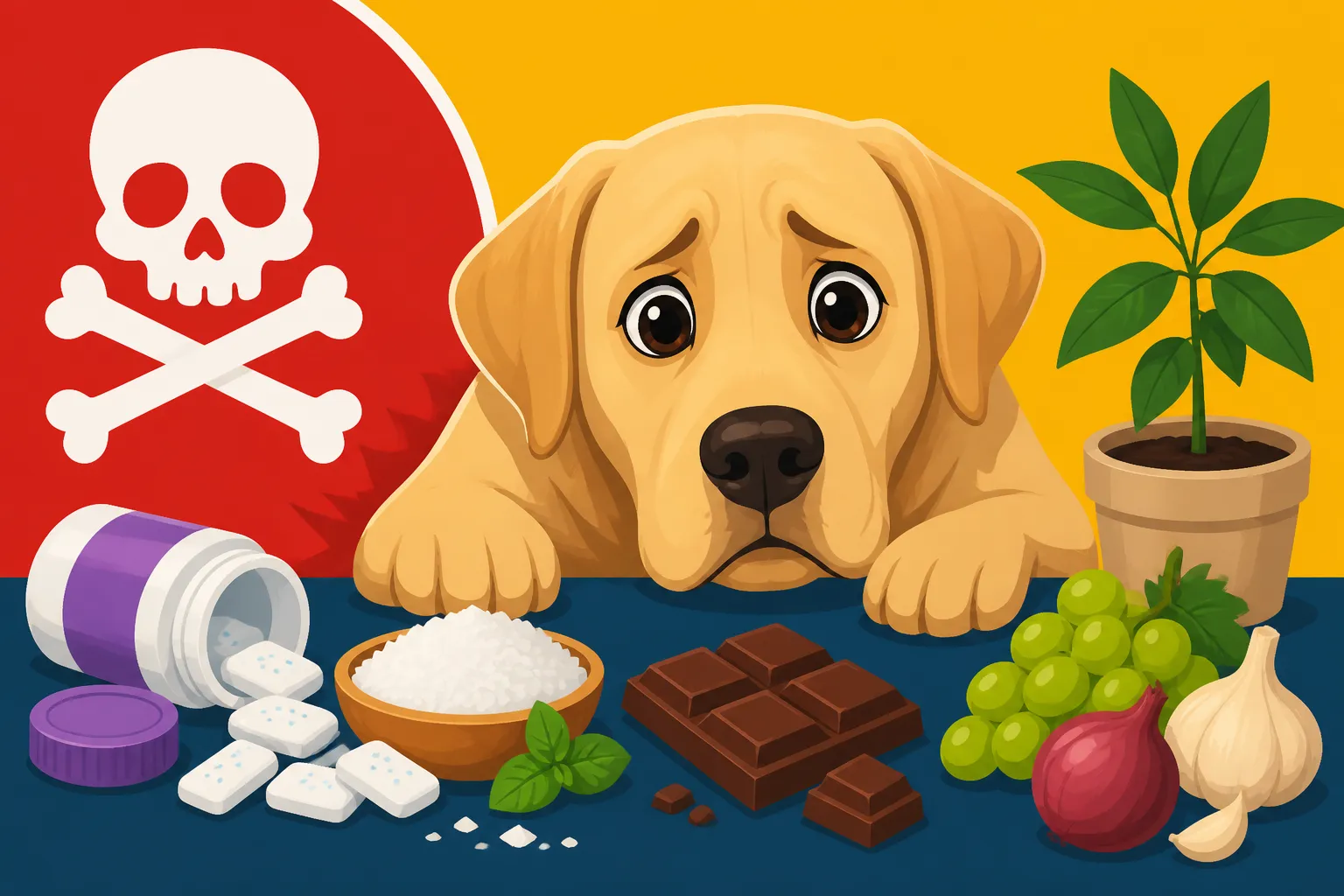
Xylitol and Other Poisons a Labrador Finds
Oh, the joys of sharing your life with a Labrador! They are truly wonderful companions, full of boundless energy, endless love, and, let's be honest, an insatiable curiosity that often leads their noses (and mouths!) into places they shouldn't be. Many of us have experienced that heart-stopping moment when our beloved Lab suddenly has something mysterious in their mouth, or worse, has already swallowed it. It’s a terrifying reality that our homes, filled with everyday items, can harbor serious dangers for our dogs. This guide is here to help you understand the most common household poisons your Labrador might encounter, how to recognize them, and what immediate steps you need to take to keep your furry family member safe.
The Sneaky Danger of Xylitol and How Labradors Find It
Among the many household hazards, xylitol stands out as a particularly insidious threat. It's an ingredient that has become increasingly common in human products, often lauded for its dental benefits and low-calorie nature. Unfortunately, for our canine companions, it's a potent poison, and a Labrador's strong drive to scavenge makes them especially vulnerable.
What is Xylitol and Why is it So Toxic to Labradors?
Xylitol is a sugar alcohol, a natural compound found in many fruits and vegetables. However, the xylitol used in consumer products is typically manufactured. For humans, it's absorbed slowly and has a minimal effect on blood sugar. For dogs, it's a completely different story. When a Labrador ingests xylitol, their body mistakes it for real sugar. This triggers a massive, rapid release of insulin from the pancreas. This surge of insulin then quickly removes actual sugar (glucose) from the dog's bloodstream, leading to a dramatic and life-threatening drop in blood sugar levels, known as hypoglycemia.
Imagine your Labrador, typically a robust and energetic dog, suddenly becoming weak, disoriented, and even collapsing. This rapid onset of hypoglycemia can happen incredibly quickly, sometimes within 10-15 minutes of ingestion, and can be fatal if not treated promptly. The amount of xylitol needed to cause this reaction is surprisingly small for dogs. Even a seemingly insignificant piece of gum or a small serving of a baked good containing xylitol can be enough to cause severe illness or death in a large breed like a Labrador. It's not just about the size of the dog, but their unique metabolic response that makes xylitol so dangerous.
Beyond hypoglycemia, higher doses of xylitol can lead to liver failure in dogs, which is an even more devastating and often irreversible condition. The exact mechanism for this liver toxicity isn't fully understood, but it highlights just how profoundly xylitol can disrupt a dog's internal systems. This dual threat of acute hypoglycemia and potential liver damage makes xylitol a top concern for any dog owner.
Common Household Products Containing Xylitol
One of the biggest challenges with xylitol is how widely it's used and often without clear labeling that screams "DANGEROUS FOR DOGS!" It's not just in obvious "sugar-free" items anymore. The most notorious culprits are sugar-free chewing gum and mints. Many of us casually leave our purses or backpacks on the floor, forgetting that a pack of gum could easily tumble out and become a tempting treat for a curious Labrador nose. A few sticks of gum could contain enough xylitol to cause a severe reaction in a large Lab.
Beyond gum and mints, xylitol can be found in a surprising array of products. Sugar substitutes like "birch sugar," "xylitol sugar," or "sugar alcohol" often contain it, used in baking or as a coffee sweetener. If you use a sugar substitute, be absolutely certain it's stored where your Labrador cannot possibly reach it. Certain brands of peanut butter, a favorite high-value treat for many dogs, have started adding xylitol to their ingredients, so always check the label before giving any to your dog. Even some chewable vitamins, certain medications, and toothpaste for humans contain xylitol. Think about how many times you've left your toothpaste tube uncapped on the counter – a quick lick for a nosy Lab could be disastrous.
It's crucial to be a label sleuth. Look beyond the "sugar-free" claims. The ingredient list might simply say "xylitol" or "birch sugar." If you're ever in doubt about a product you're bringing into your home, especially something food-related or dental, take the time to scan the ingredients. If xylitol is present, you need to treat that item as if it were pure poison for your Labrador and keep it securely locked away. Websites like Chewy or Amazon often list full ingredient panels for pet products, which can be a helpful resource for identifying safe options.
Immediate Steps if You Suspect Xylitol Ingestion
Time is absolutely critical when it comes to xylitol poisoning. If you even suspect your Labrador has ingested a product containing xylitol, do not hesitate. Call your veterinarian or the nearest emergency animal hospital immediately. This isn't a situation where you can wait to see if symptoms develop. By the time you notice your dog staggering or collapsing, their blood sugar could already be dangerously low.
Gather as much information as you can while you're on the phone. This includes the exact name of the product, the estimated amount your Labrador consumed, and your dog's approximate weight. If you have the packaging, grab it so you can read the ingredients list to the vet. They will need to know the concentration of xylitol in the product to assess the risk accurately. Do not try to induce vomiting at home unless specifically instructed by a veterinary professional. Inducing vomiting can sometimes worsen the rapid drop in blood sugar, making the situation even more perilous for your Labrador.
Your vet will likely advise you to bring your Labrador in right away. Treatment often involves blood tests to monitor blood sugar levels, intravenous fluids containing dextrose to counteract the hypoglycemia, and liver protectants if a higher dose was ingested. The quicker you get your Labrador professional help, the better their chances of recovery. Every minute counts in these situations.
Chocolate, Grapes, and Other Everyday Food Threats
Beyond the hidden dangers of xylitol, our kitchens are full of common human foods that, while delicious to us, pose serious health risks to our beloved Labradors. Their powerful noses and eager appetites mean they're often on the hunt for any dropped morsel or accessible snack, making accidental ingestion a constant worry.
The Different Types of Chocolate and Their Toxicity
Chocolate. It's a treat most of us adore, and for good reason! But for dogs, it's a truly toxic substance. The culprit is theobromine, a stimulant similar to caffeine, which dogs metabolize much more slowly than humans. This means theobromine stays in their system longer, building up to toxic levels. The severity of chocolate poisoning depends on the type of chocolate and the amount ingested relative to your Labrador's weight.
Generally, the darker and more bitter the chocolate, the more concentrated the theobromine. Baking chocolate and unsweetened cocoa powder are the most dangerous, containing the highest levels of the toxin. Dark chocolate and semi-sweet chocolate are also highly risky. Milk chocolate contains less theobromine, but a large enough quantity, especially for a smaller Labrador, can still cause issues. White chocolate, while technically chocolate, contains very little theobromine and is primarily a fat and sugar issue, usually leading to an upset stomach rather than true chocolate toxicity.
Symptoms of chocolate poisoning can range from mild gastrointestinal upset (vomiting, diarrhea) to hyperactivity, increased thirst, restlessness, and tremors. In severe cases, particularly with high-theobromine chocolates or large quantities, Labs can experience seizures, an irregular heartbeat, and even death. If your Labrador gets into chocolate, try to figure out what kind it was and how much they ate. Then, just like with xylitol, call your vet immediately. They'll advise if inducing vomiting is necessary and if further treatment, like activated charcoal or supportive care, is required. It's always better to be overly cautious when chocolate is involved.
The Mysterious Danger of Grapes, Raisins, and Currants
This one really stumps scientists and vets alike, because the exact toxic agent in grapes, raisins, and currants remains unknown. What we do know is that these seemingly innocuous fruits can cause acute kidney failure in dogs, and the severity is unpredictable. Some Labs can eat a few grapes with no ill effects, while others can suffer fatal kidney damage from just a single grape or raisin. This terrifying variability means there is absolutely no known safe amount.
Because we don't understand the mechanism, and because the outcome can be so severe, grapes, raisins, and currants should be considered absolute no-go foods for your Labrador. These items can pop up in unexpected places too, not just in fruit bowls. Think about trail mix, oatmeal cookies, muffins, fruitcake, or even grape jelly. A Labrador, ever the opportunistic scavenger, could easily snatch a dropped raisin from the floor or counter. Remember that a dried raisin is even more concentrated than a fresh grape, potentially increasing the risk. For more detailed information, you can always check out Grapes, Onions and Labrador Emergencies.
Symptoms of grape or raisin toxicity often start with vomiting, diarrhea, lethargy, and increased thirst within a few hours. As kidney damage progresses, your Labrador might show signs of abdominal pain, reduced appetite, and decreased urination. If you know or suspect your Labrador has eaten any amount of grapes, raisins, or currants, contact your veterinarian immediately. Early intervention, often involving inducing vomiting and aggressive fluid therapy, is crucial to try and prevent kidney damage.
Onions, Garlic, and the Allium Family
The entire allium family – including onions, garlic, chives, and leeks – contains compounds that can damage a Labrador's red blood cells, leading to a condition called hemolytic anemia. This means their red blood cells literally break down, reducing their ability to carry oxygen throughout the body. While garlic is often considered more potent than onions, all members of this family pose a risk.
The danger isn't just in raw form; cooked, dried, and powdered versions of these vegetables are also toxic. This is particularly problematic because onions and garlic are staple ingredients in so much of our human cooking. Think about the leftover spaghetti sauce, garlic bread, a savory stew, or even baby food that might contain onion powder. A Labrador with access to the kitchen counter or a low-sitting plate of food could easily ingest a dangerous amount.
Symptoms of allium poisoning can be delayed, sometimes taking several days to appear, which makes diagnosis tricky. Look out for signs like lethargy, weakness, pale gums, rapid breathing, an elevated heart rate, vomiting, diarrhea, and dark, reddish-brown urine. If you suspect your Labrador has consumed onions or garlic, even if it was a small amount or cooked into food, it’s best to call your vet. They may advise monitoring, blood tests to check for anemia, or treatments to support the red blood cells. To learn more about what your dog can eat, take a look at Human Foods Safe for a Labrador.
Other Common Foods to Keep Far Away
Our pantries and refrigerators hold more potential dangers than just chocolate and grapes. It's a good reminder that not all human food is dog-friendly, no matter how much those big Labrador eyes beg.
Avocado, while a superfood for us, contains a fungicidal toxin called persin. While persin is most harmful to birds and some large animals, it can cause gastrointestinal upset (vomiting, diarrhea) in dogs. The biggest risk with avocado for a Labrador is often the large pit, which can cause a choking hazard or intestinal obstruction. Make sure to keep avocados out of reach and dispose of pits securely.
Alcohol, in any form, is a central nervous system depressant for dogs, just like in humans, but dogs are much more sensitive to its effects. Even small amounts can lead to vomiting, diarrhea, coordination problems, central nervous system depression, tremors, difficulty breathing, and potentially coma or death. Never give your Labrador alcohol, and clean up any spills immediately. Leftover drinks at parties are a real risk.
Caffeine, found in coffee, tea, energy drinks, and even some medications, acts as a stimulant and can cause similar symptoms to chocolate toxicity. Think about those discarded coffee grounds in the trash or a forgotten teacup on a low table. Symptoms include restlessness, hyperactivity, vomiting, elevated heart rate, tremors, and seizures.
Macadamia nuts can cause temporary weakness, vomiting, tremors, and hyperthermia (elevated body temperature) in dogs. While usually not fatal, these symptoms are distressing. They are often found in cookies and other baked goods, so be cautious about leaving those around.
Lastly, raw yeast dough is a serious concern. If ingested, the warm, moist environment of your Labrador's stomach acts like an oven, causing the dough to rise and expand, leading to painful bloating and potentially a life-threatening condition called gastric dilatation-volvulus (GDV) or bloat. As the yeast ferments, it also produces alcohol, leading to alcohol poisoning. Bloat Symptoms in a Labrador Retriever is a good read if you're concerned about this condition. Any rising dough should be kept far from a curious Lab.
Household Hazards Beyond the Kitchen
While the kitchen might seem like the primary danger zone, many other areas of our homes and yards contain everyday items that can be extremely toxic to Labradors. Their inquisitive nature means they're constantly exploring, and without careful storage, they can easily get into trouble.
Medications: Human and Pet
One of the most common causes of accidental poisoning in dogs involves medications, both human and veterinary. We often think of prescription drugs as dangerous, but even over-the-counter medications can be incredibly harmful. Labs, with their tendency to snatch anything left out, can easily get into pill bottles, dropped pills, or even chew through packaging.
Common human medications that are highly toxic include NSAIDs (non-steroidal anti-inflammatory drugs) like ibuprofen (Advil, Motrin) and naproxen (Aleve). These can cause severe stomach ulcers, kidney damage, and even kidney failure in dogs. Acetaminophen (Tylenol) can lead to liver damage and red blood cell damage. Antidepressants, ADHD medications, heart medications, and even certain vitamins (especially those with iron) can cause a range of neurological, cardiovascular, or organ-damaging effects. It's not just about the adult strength versions either; children's chewable medications, often flavored and appealing, can be just as dangerous.
Even your Labrador's own medications can be dangerous if they get into more than the prescribed dose. An accidental overdose of their pain medication, antibiotics, or heartworm preventatives can have serious consequences. Always keep all medications, human and pet, in securely closed child-proof containers, preferably in a locked cabinet or on a very high shelf that your Labrador cannot possibly reach. Be vigilant about dropped pills, especially in carpeted areas, as a hungry Lab can sniff them out quickly.
Plants: Common Offenders in Homes and Yards
Our green companions, both indoors and out, can pose a hidden threat. Many common houseplants and garden varieties are toxic if ingested by dogs. A bored or curious Labrador, especially a puppy, might decide to chew on a leaf or dig up a bulb, leading to a trip to the emergency vet.
Among the most notorious indoor plants are lilies. While most famously lethal to cats, some varieties can cause severe gastrointestinal upset in dogs, and some can even affect the kidneys. Sago palms are extremely toxic, containing a potent toxin that can cause severe liver failure, neurological signs, and even death. Every part of the sago palm is poisonous, especially the seeds or "nuts."
In the garden, common offenders include azaleas and rhododendrons, which can cause vomiting, diarrhea, weakness, and heart problems. Oleander is another highly toxic plant that affects the heart. Tulip and daffodil bulbs, if dug up and ingested, can cause severe gastrointestinal upset, lethargy, and convulsions. Autumn crocus and English ivy are also on the list of plants to avoid. It’s a good idea to research any plants you bring into your home or garden to ensure they are pet-safe. Resources from organizations like the ASPCA have extensive lists of toxic and non-toxic plants.
Cleaning Products, Pesticides, and Other Chemicals
Our garages, sheds, and cleaning closets are often filled with potent chemicals designed to kill pests or clean tough messes. These products are, by nature, highly toxic and can be irresistible to a curious Labrador.
Antifreeze is particularly dangerous because it often has a sweet taste that appeals to dogs. Even a small amount can cause severe, irreversible kidney failure and death. Leaking car radiators, spilled containers, or even ice melt containing antifreeze can be a deadly trap. Always clean up spills thoroughly and store containers out of reach.
Rodenticides (rat and mouse poisons) are designed to be palatable to animals, making them extremely attractive to dogs. There are several types, but many work by causing internal bleeding (anticoagulants) or brain swelling. Snail and slug baits, often containing metaldehyde, are also highly toxic, leading to seizures, tremors, and hyperthermia. Insecticides, weed killers, and fertilizers used in the yard should also be stored securely and applied carefully according to package directions, keeping your Labrador away from treated areas until safe.
Common household cleaning products like bleach, detergents, drain cleaners, and oven cleaners are corrosive and can cause chemical burns to the mouth, esophagus, and stomach if ingested. Even milder products like glass cleaner or multi-surface sprays can cause irritation and gastrointestinal upset. Imagine your Labrador licking up a puddle of cleaner or chewing on a spray bottle! All chemicals should be stored in locked cabinets or on high, secure shelves. Keeping a well-stocked A First Aid Kit for a Labrador Retriever can be helpful for immediate, temporary measures before heading to the vet.
Prevention and Emergency Preparedness
Living with a Labrador means constantly being one step ahead of their boundless curiosity and impressive scavenging skills. Prevention is always the best medicine when it comes to poisons, but knowing exactly what to do in an emergency is equally vital.
Labrador-Proofing Your Home and Routines
The first line of defense against accidental poisoning is proactive Labrador-proofing. Take a walk through your home and yard, getting down to your dog's eye level to identify potential hazards. What's within nose-reach on countertops? What's easily knocked over? What's in an unlocked low cabinet?
Start with the kitchen. Secure all food items, especially those on our "no-go" list. This means putting them away in high cabinets, using child-proof locks on lower cabinet doors, or storing them in sealed containers that a determined Labrador can't open. Don't leave purses, backpacks, or grocery bags on the floor or on low chairs, as they often contain gum, medications, or other tempting items. Invest in sturdy, Labrador-proof trash cans that have secure lids or are pedal-operated, because as many of us know, Why a Labrador Raids the Trash is a real phenomenon! Consider a kitchen renovation to Labrador-Proofing a Kitchen if your current setup isn't cutting it.
Next, address medications. All human and pet medications must be stored in secure, child-proof containers and placed in locked cabinets or very high shelves. Be meticulous about dropped pills; if you drop one, find it immediately and dispose of it properly before your Labrador does. For plants, identify any toxic varieties in your home or garden. If you can't remove them, restrict your Labrador's access to those areas. For new Labrador owners, especially with puppies, remember that Labrador Puppy Health in the First Year is highly dependent on vigilance, as they are often the most curious and prone to mouthing everything.
Finally, tackle the garage, shed, and cleaning supplies. All chemicals – antifreeze, pesticides, fertilizers, cleaning solutions – must be stored in original, clearly labeled containers, preferably in a locked cabinet or on high shelving. After using any of these products, clean up spills immediately and thoroughly. Educate all family members, especially children, about what foods and items are dangerous for your Labrador and reinforce the "don't feed the dog from the table" rule. Consistent supervision, particularly when guests are over or in new environments, is key.
What to Do in a Suspected Poisoning Emergency
Despite your best efforts, accidents can still happen. Knowing what to do in those terrifying moments is crucial. Your absolute first step, no matter what you think your Labrador ate, is to call for professional help immediately.
- Call your veterinarian or an animal poison control center: Do not wait for symptoms to appear. The quicker you act, the better the prognosis. Have the product name, estimated amount ingested, and your Labrador's weight handy. Keep the ASPCA Animal Poison Control Center or Pet Poison Helpline numbers saved in your phone.
- Do NOT induce vomiting unless instructed: While inducing vomiting is sometimes recommended, it can be dangerous or even counterproductive in certain situations (e.g., if your dog ingested something corrosive or a substance that causes rapid onset of symptoms like xylitol). Only induce vomiting under explicit veterinary guidance.
- Gather information: Collect the packaging of the suspected poison, any vomit your dog may have produced, and any leftover remnants of what they ate. This information will be invaluable to your vet.
- Follow instructions precisely: The veterinary staff or poison control expert will give you specific instructions. Listen carefully and follow them to the letter. Don't try to self-diagnose or treat based on internet searches.
- Know your emergency vet: Have the address and phone number of the nearest 24-hour emergency veterinary hospital readily available. In an emergency, you don't want to be fumbling for this information.
Remember, a Labrador’s boundless enthusiasm for food means they are often capable of eating far more than we imagine. The goal is to get professional help as quickly and efficiently as possible.
The Value of Pet Insurance and Emergency Funds
When a poisoning emergency strikes, the financial burden can be as overwhelming as the emotional stress. Treatment for ingested toxins can involve diagnostics (blood tests, X-rays), induced vomiting, activated charcoal administration, intravenous fluids, anti-nausea medications, liver protectants, hospitalization, and even surgery in some cases. These costs can quickly add up, often reaching hundreds or even thousands of dollars. Thinking about Labrador Emergency Vet Bills is sobering, but necessary.
This is where pet insurance can be a literal lifesaver. A good pet insurance policy can cover a significant portion of emergency veterinary care, allowing you to make medical decisions based on what's best for your Labrador rather than solely on your ability to pay. Different policies have different deductibles, reimbursement percentages, and coverage limits, so it's wise to research your options.
Even with pet insurance, having an emergency fund specifically for your Labrador is highly recommended. Many policies have waiting periods before certain coverages kick in, and you'll always have a deductible and co-pay. An emergency fund provides a cushion for these immediate costs and for any care not covered by insurance. Understanding How Big an Emergency Fund a Labrador Needs can help you plan for these unexpected events. Setting aside even a small amount regularly can make a huge difference during a crisis. Ultimately, both pet insurance and a dedicated savings account offer peace of mind, ensuring that when the unthinkable happens, you're prepared to give your beloved Labrador the best possible chance at recovery.
| Toxin Category | Common Sources | Primary Danger to Labradors | Key Symptoms to Watch For | Urgency of Vet Visit |
|---|---|---|---|---|
| Xylitol | Sugar-free gum, mints, some peanut butters, sugar substitutes, dental products | Rapid, severe drop in blood sugar (hypoglycemia), potential liver failure | Weakness, disorientation, vomiting, tremors, seizures, collapse | EMERGENCY – Immediate Vet Visit |
| Chocolate | Dark chocolate, baking chocolate, cocoa powder, milk chocolate | Theobromine toxicity, stimulant effects | Vomiting, diarrhea, hyperactivity, tremors, seizures, heart problems | High – Immediate Vet Visit |
| Grapes/Raisins | Fresh grapes, raisins, currants, trail mix, baked goods | Acute kidney failure (mechanism unknown) | Vomiting, diarrhea, lethargy, increased thirst, decreased urination | EMERGENCY – Immediate Vet Visit |
| Allium Family | Onions, garlic, chives, leeks (raw, cooked, powdered) | Red blood cell damage (anemia) | Lethargy, weakness, pale gums, rapid breathing, dark urine | High – Prompt Vet Visit (symptoms can be delayed) |
| Human Meds | Ibuprofen, acetaminophen, antidepressants, prescription drugs | Organ damage (kidney, liver), neurological issues, heart problems | Vary widely based on medication, but often include GI upset, lethargy, neurological signs | EMERGENCY – Immediate Vet Visit |
| Antifreeze | Car coolant, some ice melts | Severe kidney failure | Vomiting, lethargy, "drunk" appearance, increased thirst/urination, eventually kidney shutdown | EMERGENCY – Immediate Vet Visit |
| Rodenticides | Rat/mouse poison (baits) | Internal bleeding, neurological damage, kidney failure | Lethargy, bruising, bleeding from orifices, seizures, incoordination | EMERGENCY – Immediate Vet Visit |
Disclaimer
This article is for general informational purposes only and does not constitute professional advice. Laws, prices and regulations vary by location and change over time. Consult a qualified professional for guidance on your specific situation.