Exercising a Labrador With Bad Hips
It's heartbreaking to watch your beloved Labrador, usually a whirlwind of joyful energy, start to slow down, hesitate on stairs, or show discomfort after a romp. When your vet delivers the news that your Lab has hip dysplasia, it can feel like a life sentence for their exercise routine, leaving you wondering how to keep them happy and healthy without causing more pain. This guide is here to reassure you and provide clear, actionable advice on how to safely exercise a Labrador with bad hips, ensuring they can still enjoy their life to the fullest.
Understanding "Bad Hips" in Labradors
Receiving a diagnosis of hip dysplasia can be a scary moment for any Labrador owner. It’s important to understand what this condition entails and how it impacts your dog's ability to move, as this knowledge forms the foundation for managing their exercise safely and effectively. It’s not just a vague "sore hip" – it's a specific anatomical issue with significant implications.
What is Hip Dysplasia?
At its simplest, hip dysplasia means the hip joint hasn't formed correctly. Instead of the ball (femoral head) fitting snugly and smoothly into the socket (acetabulum) of the pelvis, it's loose or malformed. Imagine a round ball trying to sit in a shallow, irregularly shaped cup – it doesn't fit well, it slides around, and over time, this friction and instability cause wear and tear. This misalignment leads to inflammation, pain, and eventually, degenerative joint disease or osteoarthritis, which is essentially arthritis forming in that joint. Labradors are particularly prone to this condition due to their genetics and rapid growth rate, making conditions like Labrador Hip and Elbow Dysplasia unfortunately common in the breed.
How Hip Dysplasia Affects Movement and Exercise
The impact of hip dysplasia on a Labrador's movement can vary greatly, from subtle stiffness to severe lameness. When the hip joint isn't stable, the surrounding muscles try to compensate, often becoming tight and sore themselves. This can lead to an altered gait, where your Lab might take shorter strides, shift their weight, or even bunny hop to reduce pressure on the painful joint. Over time, because they're not using their hind legs effectively, the muscles in their hindquarters can actually start to atrophy, making the problem worse. Meanwhile, their front end might overdevelop as they compensate, leading to secondary issues in their shoulders and elbows. Every step can be a challenge, and high-impact activities become painful, accelerating the joint degeneration.
Recognizing the Signs of Hip Pain
Sometimes, a Labrador's stoic nature can make it difficult to tell when they're in pain. They often try to hide discomfort, especially if they're eager to please or have a high pain tolerance. However, there are common signs of hip pain you should watch out for. You might notice a reluctance to jump, climb stairs, or even get up from a lying position. They might "bunny hop" when running, using both back legs simultaneously, or their gait might appear stiff, especially after rest or vigorous activity. Other signs include a decreased range of motion in their hips, a noticeable limp, or a general reduction in their activity levels. You might also observe muscle loss in their hindquarters or an unusual posture when standing or sitting, such as a "cow-hocked" stance where their hocks are turned inward. Paying close attention to these subtle cues can help you intervene early and adjust their exercise routine. More detailed information can be found in Labrador Hip Dysplasia Signs and Onset.
Principles of Safe Exercise for Labradors with Hip Dysplasia
When it comes to exercising a Labrador with bad hips, it's not about stopping activity altogether; it's about smart, controlled, and low-impact movement. The goal is to maintain muscle mass, flexibility, and a healthy weight without aggravating the already compromised joints. Think of it as a marathon, not a sprint, for their long-term well-being.
Prioritizing Low-Impact Activities
High-impact activities, like jumping off furniture, chasing balls at full speed on concrete, or repetitive hard landings, put immense stress on already vulnerable hip joints. Instead, focus on activities that minimize jarring and sudden twists. The best exercises are those that allow for fluid movement without excessive weight bearing or sudden force. Swimming is often hailed as the gold standard, as it provides a full-body workout without any impact on the joints. Walking on soft, even surfaces like grass, sand, or packed dirt is also preferable to pavement. The idea is to keep those muscles working and joints moving through their range of motion in a gentle, supportive way.
Consistency Over Intensity
It’s tempting on a good day to let your Labrador run wild, especially if they seem to be feeling better. However, this "weekend warrior" approach can quickly lead to setbacks, pain, and inflammation. Instead, strive for consistency with short, regular exercise sessions. For example, instead of one long, strenuous walk once a day, aim for two or three shorter, gentle walks. This keeps the muscles warm, lubricated, and stronger without pushing the joints past their tolerance threshold. It helps maintain blood flow and prevent stiffness that can set in with prolonged inactivity. A routine helps your dog's body adapt and allows you to better gauge their comfort levels over time.
Warm-up and Cool-down Routines
Just like human athletes, dogs with joint issues benefit immensely from a proper warm-up before exercise and a cool-down afterward. A warm-up might involve 5-10 minutes of slow, gentle leash walking on an even surface to get the blood flowing and muscles pliable. This prepares the joints for more active movement, reducing the risk of strain. Similarly, a cool-down allows the body to gradually return to a resting state. After exercise, a slow walk or even gentle stretching (if your vet or physical therapist has shown you how) can help prevent muscle soreness and stiffness. Think about how good it feels to stretch after a workout – your Lab feels the same way! These routines become even more critical during colder weather, as cold muscles and joints are more prone to injury.
Recommended Exercises and Activities
The good news is that having bad hips doesn't mean your Labrador has to become a couch potato. Many enjoyable and beneficial activities can keep them happy, stimulated, and physically fit. The key is adaptation and mindful participation.
Water-Based Activities
When a Labrador with hip dysplasia enters the water, it's often like watching a new dog emerge. The buoyancy of the water takes the weight off their joints, allowing them to move freely and strengthen their muscles without the impact of gravity. Swimming is an incredible full-body workout, building hindquarter strength, improving cardiovascular health, and increasing range of motion in the hips. Look for local dog-friendly pools, lakes with gradual entries, or even consider professional canine hydrotherapy. Hydrotherapy involves specialized underwater treadmills or pools where a therapist guides your dog through exercises, often a fantastic option for targeted muscle building under supervision. Just be sure to rinse and thoroughly dry their ears after each swim to prevent infections, as detailed in Drying a Labrador's Ears After the Lake.
Controlled Leash Walks
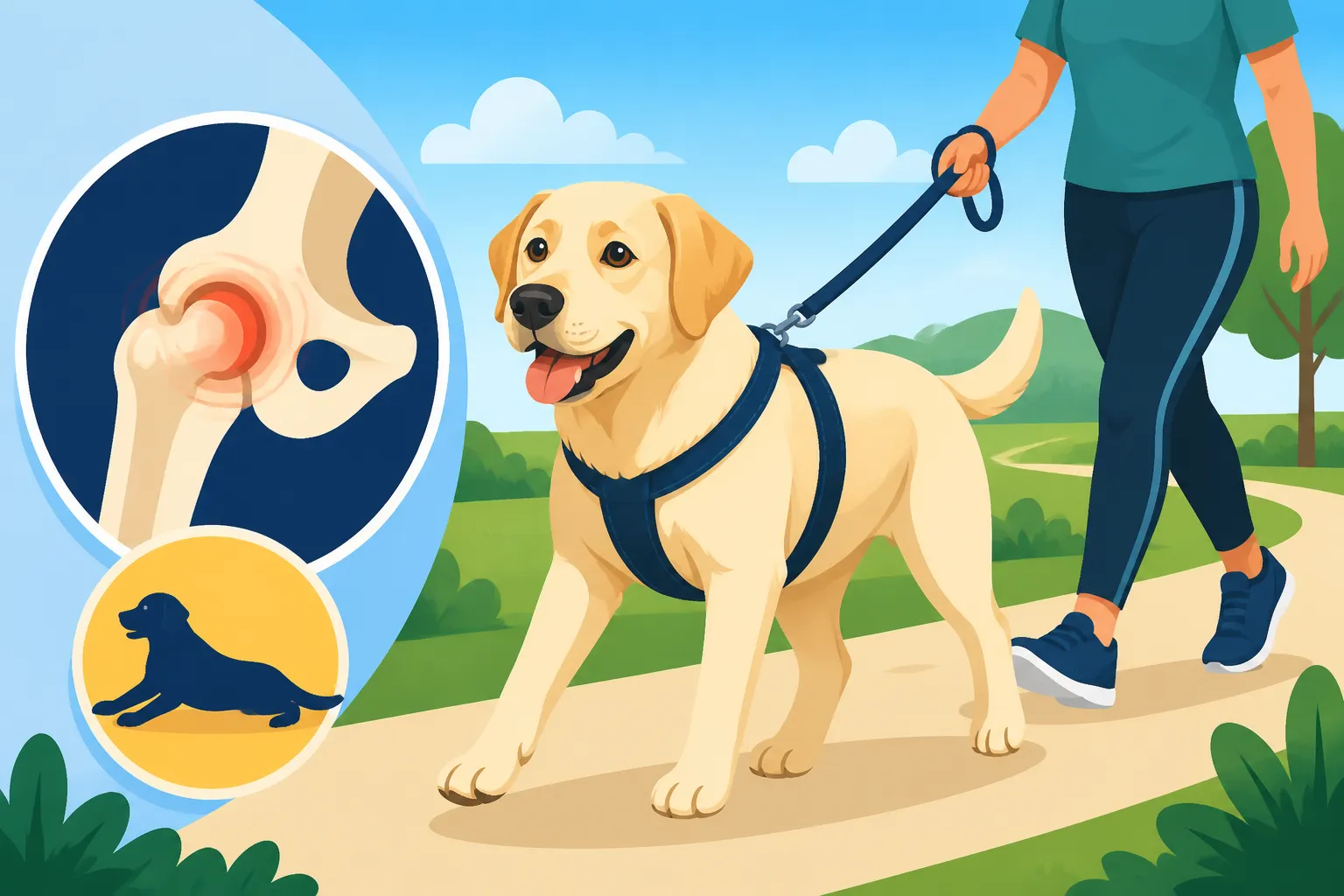
Daily walks are still vital for mental stimulation and gentle exercise, even with bad hips. The emphasis here is on "controlled." Use a comfortable harness that distributes pressure evenly, and keep walks relatively short, perhaps 15-20 minutes, two to three times a day. Choose flat, soft surfaces like grassy parks or dirt trails. Avoid pavement, steep hills, or uneven terrain that could cause a misstep or excessive strain. Pay attention to your Labrador's cues – if they start to lag, limp, or show signs of discomfort, it's time to head home. The pace should be brisk enough to get their heart rate up a little, but not so fast that they're jolting or bouncing. Think of it as a steady, flowing movement.
Gentle Play and Mental Stimulation
Not all exercise needs to be physical. Mental stimulation is incredibly important for Labradors, especially if their physical activity is limited. Gentle games that don't involve high-impact movements can still be very rewarding. Soft retrieves in a grassy yard, where you roll a favorite toy a short distance rather than throwing it, can satisfy their natural retrieving drive. Puzzle toys filled with treats or snuffle mats can keep their minds engaged, reducing boredom and helping to manage their infamous food drive. Brands like Chewy and Amazon offer a wide variety of these products. Scent work, where they use their powerful noses to find hidden treats or toys, is another fantastic, low-impact way to tire them out mentally. This type of engagement can also help with Channeling a Labrador's Retrieving Drive in a safe manner.
Avoiding Activities That Worsen Hip Pain
While it's important to keep your Labrador active, it's equally crucial to know which activities can exacerbate their hip pain and accelerate joint degeneration. These aren't necessarily "bad" activities for healthy dogs, but for a Labrador with hip dysplasia, they pose significant risks.
High-Impact Movements to Limit
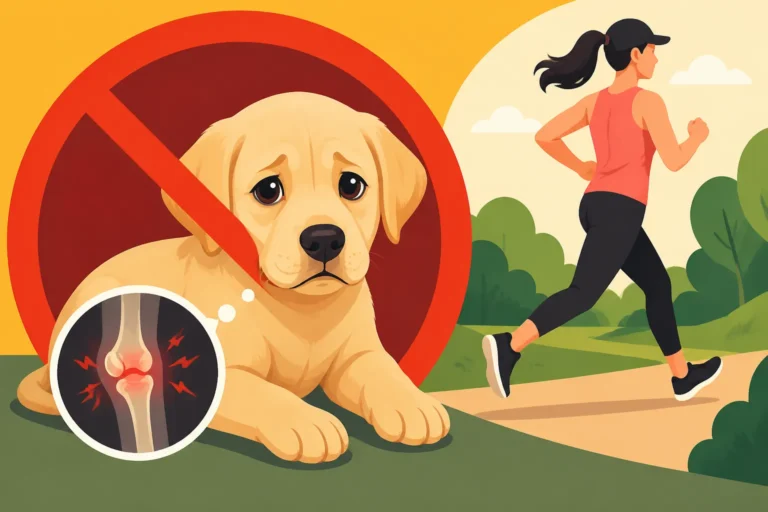
Any activity that involves jumping, twisting, or sudden stops and starts should be heavily restricted or eliminated altogether. This includes frisbee, agility sports (unless specifically adapted for joint issues and under expert guidance), leaping for a toy, or jumping on and off furniture. Running at full tilt on hard surfaces like asphalt or concrete creates intense concussive forces on the joints. Even enthusiastic play with other dogs that involves roughhousing, wrestling, or rapid direction changes can be detrimental. The repeated impact grinds the already compromised joint surfaces, leading to more inflammation and pain, and speeding up the development of debilitating arthritis. It’s tough to deny a Labrador these joys, but their long-term comfort depends on it.
Steep Inclines and Declines
Walking or running up and down steep hills or stairs can be incredibly challenging and painful for a Labrador with bad hips. Going uphill puts extra strain on the hip extensors, forcing them to work harder against gravity. Going downhill, on the other hand, creates significant impact and strain as the dog tries to control their descent. Even small steps or uneven terrain can be tricky. If stairs are unavoidable in your home, consider adding a ramp or helping your dog navigate them with a supportive sling. If you're out walking, stick to flat paths. While Physical Therapy for a Labrador With Bad Hips might introduce controlled incline exercises, these are done under strict supervision and are very different from free-running on steep ground.
Over-Exertion and "Weekend Warrior" Syndrome
One of the biggest pitfalls for owners of active Labradors with hip dysplasia is the temptation to overdo it on "good days." Your dog might seem fine, even enthusiastic, during an extended hike or a long session at the dog park. However, the true impact might not be evident until hours later or the next morning, when they wake up stiff, sore, and struggling to move. This phenomenon, often called "weekend warrior" syndrome, causes a flare-up of inflammation and pain, making subsequent days miserable for your dog. It's far better to err on the side of caution with shorter, more frequent, and consistently low-impact activities, even when your Labrador is feeling good. Listen to your vet's advice and understand your dog's personal limits, which might fluctuate day to day.
Supporting Your Labrador's Joint Health Beyond Exercise
While carefully managed exercise is paramount, it's just one piece of the puzzle when caring for a Labrador with bad hips. A holistic approach that includes diet, supplements, and a joint-friendly home environment can significantly improve their quality of life and slow the progression of the disease.
Weight Management
This is, arguably, the single most impactful thing you can do for a Labrador with hip dysplasia. Every extra pound your dog carries puts additional stress on their joints, exacerbating pain and speeding up cartilage degeneration. Maintaining a lean body condition is absolutely critical. This means precise portion control, a balanced diet, and avoiding excessive treats. Many Labradors are famously food-obsessed, and it's easy for them to pile on the pounds, as discussed in Why Labradors Gain Weight So Easily. Consult your vet to determine your Labrador's ideal weight and feeding plan. Using a kitchen scale to measure food accurately, rather than just a scoop, can make a huge difference. High-quality dog foods, like those found on Chewy or Ollie, often provide clear feeding guidelines based on ideal weight, but always cross-reference with your vet. Getting Weight Off an Overweight Labrador offers more detailed strategies for this challenge.
Joint Supplements and Medications
A variety of supplements and medications can help manage inflammation and support joint health. Common supplements include glucosamine, chondroitin, and omega-3 fatty acids (like fish oil). These are thought to help protect cartilage and reduce inflammation. Brands available on Amazon and Chewy often carry these, but it's crucial to choose reputable brands and discuss dosages with your vet. They can guide you on what supplements are best for your specific dog, or if prescription anti-inflammatory medications (NSAIDs) or other pain relievers are necessary, especially during flare-ups. Some vets may also recommend injections that help lubricate the joints. Remember, supplements aren't a cure, but they can be a valuable part of a comprehensive management plan. For more information on supportive options, see Joint Supplements That Help a Labrador.
Creating a Joint-Friendly Home Environment
Your home environment can be either a source of stress or comfort for a Labrador with hip dysplasia. Slippery floors, like hardwood or tile, make it difficult for them to get traction, leading to slips and falls that can cause pain or injury. Lay down rugs or carpet runners in high-traffic areas. Consider ramps for getting onto couches, beds, or into the car, eliminating the need for jumping. An orthopedic dog bed provides much-needed support and cushioning for their joints while they rest, preventing pressure points and stiffness. Products like these can be found on Amazon. Make sure food and water bowls are easily accessible, perhaps elevated slightly if bending down is difficult. Small changes can make a huge difference in their daily comfort and mobility, helping with Slowing Joint Decline in an Older Labrador.
| Activity Type | Recommended for Hip Dysplasia | Avoid/Limit for Hip Dysplasia |
|---|---|---|
| Water-Based | Swimming, Hydrotherapy, Walking in shallow water | |
| Walking | Controlled leash walks on soft, even surfaces (grass, dirt) | Long walks on pavement, steep hills, uneven/rocky terrain |
| Play | Gentle retrieves (rolled balls), Puzzle toys, Scent work | Jumping, intense fetching, agility, rough play with other dogs |
| Home Environment | Ramps for furniture/car, Orthopedic beds, Rugs on slippery floors | Jumping on/off furniture, Stairs without assistance |
| General | Short, frequent sessions; Consistent routine; Warm-up/Cool-down | "Weekend warrior" over-exertion, sudden bursts of activity |
Caring for a Labrador with bad hips is a journey that requires patience, observation, and a willingness to adapt. By understanding the condition, prioritizing low-impact activities, and creating a supportive environment, you can ensure your beloved companion continues to live a full, happy, and comfortable life, tail wags included.
Disclaimer
This article is for general informational purposes only and does not constitute professional advice. Laws, prices and regulations vary by location and change over time. Consult a qualified professional for guidance on your specific situation.