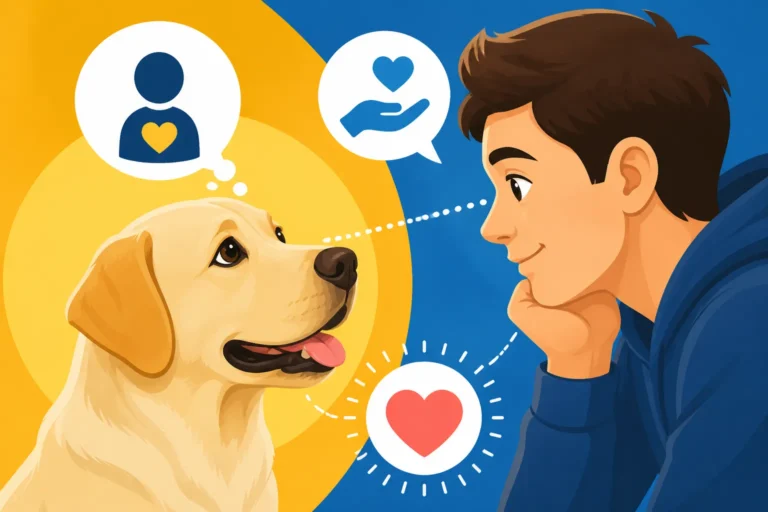
How Affectionate Labrador Retrievers Are
One of the most heartwarming joys of sharing your life with a Labrador Retriever is their boundless capacity for affection. If you've ever felt a 70-pound furry shadow follow you from room to room, or had a wet nose nudge your hand for attention, you know exactly what I mean. This guide dives deep into just how affectionate Labradors are, exploring the roots of their loving nature, the many ways they show it, and how to nurture this incredible bond.
The Labrador's Innate Drive for Connection
Labradors weren't just born to retrieve; they were born to connect. Their entire history and genetic makeup are steeped in the desire to work closely with humans, and that strong bond inevitably translates into a deep, palpable affection for their people. It's not just a cute trait; it's fundamental to who they are.
Bred for Partnership, Not Solitude
Originating as working dogs alongside Newfoundland fishermen, early Labradors were indispensable companions. They didn't just fetch fish from icy waters; they were part of the crew, living and working in close quarters with their human counterparts. This meant they needed to be inherently biddable, eager to please, and deeply attuned to human communication. This historical context solidified their natural inclination towards partnership rather than solitary tasks. They thrived on interaction, praise, and being a valuable member of a team.
This history has imprinted on the breed a profound need for companionship. A Labrador isn't content to be an outdoor-only dog or left alone for excessively long periods. They truly want to be wherever you are, participating in whatever you're doing. Whether you're cooking dinner, watching TV, or even just doing laundry, don't be surprised to find your Labrador curled up nearby, perhaps with their head on your foot, simply soaking up your presence. They view themselves as an integral part of your family, and their affection is a direct reflection of this deep-seated desire for belonging and collaboration. This is a big part of Labrador Temperament and Personality.
The "Soft Mouth" and Gentle Nature
One of the most famous traits of the Labrador Retriever is their "soft mouth," a characteristic that allowed them to retrieve game birds without damaging them. But this trait extends far beyond just picking up a duck; it speaks volumes about their gentle disposition. A soft mouth isn't just about how they hold things; it’s an indicator of their overall carefulness and sensitivity. You'll often see this gentleness in how they interact with children, how they take treats delicately from your hand, or how they carry a treasured toy around the house without ever damaging it.
This inherent gentleness forms the bedrock of their affection. They're not prone to roughhousing in a way that could accidentally hurt you, especially when they're showing love. Instead, you'll experience tender licks, careful nudges, and a general awareness of your person that speaks to a deeper sensitivity. This means that when a Labrador expresses affection, it's typically a warm, reassuring experience, rather than an overwhelming or clumsy one (though they certainly can be clumsy in other contexts!). It makes them wonderful family dogs, capable of being loving companions to everyone from toddlers to seniors. If you’re interested in Why Labradors Have Soft Mouths, there's more to learn!
Their Unconditional Tail Wags
There’s nothing quite like the joyful, full-body tail wag of a Labrador Retriever. It's more than just a wag; it's a declaration of pure, unadulterated happiness and affection directed squarely at you. Whether you've been gone for five minutes or five hours, the greeting is often the same: a wildly thumping tail that can clear a coffee table, a wriggling body, and an eager face just bursting with delight at your return. This isn't a calculated response; it’s a spontaneous, honest outpouring of love.
This unconditional enthusiasm is a cornerstone of their affectionate nature. They don't hold grudges, they don't play hard to get, and their love isn't something you need to earn day after day. It's simply there, a constant, unwavering presence that brightens even the most mundane moments. That tail wag is a symbol of their optimism and their joy in simply being with you, a truly comforting thought after a long or difficult day. It's a constant reminder that, to your Labrador, you are the most important person in the world, and that kind of steadfast affection is truly a gift.
How Labradors Show Their Love (It's More Than Just Cuddles)
While a good cuddle session is definitely on a Labrador's agenda, their affection manifests in a myriad of ways, some subtle, some hilariously overt. Understanding these different expressions can help you appreciate the depth of your bond even more.
The Persistent "Follow Me" Syndrome
If you own a Labrador, you're likely familiar with the "Velcro dog" phenomenon. You get up to grab a snack, and there they are. You head to the bathroom, and they're waiting patiently (or impatiently!) outside the door. You move from the living room to the bedroom, and your furry shadow is right on your heels. This isn't just curiosity; it's a profound desire to be close to you, to participate in your life, and to feel connected. It's their way of saying, "I want to be wherever you are, because you are my world."
This constant accompaniment, while sometimes a tripping hazard, is a clear sign of deep affection and attachment. They want to know what you're up to, to offer comfort if you're sad, or just to share the quiet moments. It’s their way of showing devotion, ensuring they’re always within reach should you need them (or, more likely, should they need a head scratch). It’s endearing, if occasionally inconvenient, and truly highlights how much they value your presence. If you've ever wondered Why a Labrador Follows You Everywhere, it really comes down to this deep connection.
Leaning, Licking, and Lap-Dog Dreams
Despite their substantial size, many Labradors firmly believe they are lap dogs. They'll try to wedge themselves onto your couch beside you, or even attempt a full-on lap sit, gazing up at you with soulful eyes. This physical closeness is another key way they express affection. The gentle lean against your legs when you're standing, the persistent nudges for a petting session, or the attempt to rest their head on your shoulder are all overt declarations of love.
And then there are the licks! A Labrador's lick isn't just about hygiene; it’s often a big sloppy kiss, a sign of comfort, and a way to bond. While some people might find it a bit much, for a Labrador, it’s a pure expression of their adoration. It’s a sensory way for them to connect, to show you they care, and sometimes, to simply tell you they’re happy. These physical gestures, from leaning to licking, are all part of their rich language of love, reinforcing that they crave contact and closeness with their favorite people. Just be ready with a towel if your Lab is a particularly enthusiastic licker!
The Gift of the "Found" Object
One of the most charming ways a Labrador shows affection, stemming directly from their retrieving heritage, is by presenting you with objects they've "found." This could be anything from a favorite chew toy, a crumpled piece of paper, a shoe, or even a remote control. They’re not necessarily asking you to play fetch (though that’s often a bonus); they are bringing you a gift, sharing their treasures, and engaging you in a moment of connection. It's their unique interpretation of "I thought of you."
This behavior, a hallmark of their breed, is a sweet and often comical display of their loving nature. They often approach with soft eyes, a gently wagging tail, and the object carefully held in their "soft mouth." It’s a reminder of their historical purpose – bringing things back to their human partners – now adapted to show personal devotion. My own Lab often brings me a specific, slightly grubby tennis ball when I arrive home, holding it with such pride. It's not about the ball; it's about the gesture. This habit is intertwined with Why Labradors Carry Things in Their Mouths.
Nuances in Labrador Affection: Individual Differences
While Labradors are generally known for being affectionate, it's important to remember that every dog is an individual. Just like people, they have unique personalities, and how they express and receive affection can vary. It’s never a one-size-fits-all situation.
Personality Variations in a Litter
Even within the same litter, you’ll find puppies with distinct personalities. Some might be bolder and more outgoing from day one, readily seeking attention and interaction, while others might be a bit more reserved, preferring to observe before engaging. These early personality traits often carry through to adulthood and influence how they display affection. A more confident Lab might be the first to greet you with an enthusiastic jump and a shower of licks, while a shyer one might prefer to quietly lean against your leg or nudge your hand.
It’s crucial to respect these individual differences. Don't force a less overtly affectionate Labrador into situations that make them uncomfortable. Instead, learn to read their specific cues and appreciate their unique ways of showing love. A dog that doesn't demand constant physical contact isn't necessarily less loving; they just express it differently. Understanding these nuances helps build a stronger, more trusting relationship, allowing their natural affection to blossom on their own terms.
The Impact of Early Socialization
A Labrador's environment and experiences during their formative months play a huge role in shaping their affectionate responses. Labrador Puppy Socialization Windows are critical for teaching them how to interact positively with the world. Puppies exposed to a wide variety of people, sounds, and other dogs in a positive way are more likely to grow into well-adjusted, confident adults who are comfortable expressing affection. A well-socialized puppy learns appropriate ways to greet, to be handled, and to enjoy human companionship.
Conversely, a Labrador who missed out on crucial early socialization might be more timid or wary, which can sometimes be mistaken for a lack of affection. They might be slower to warm up to strangers or even some family members, and their displays of love might be more understated. It's not that they can't be affectionate, but rather that they might need more time, patience, and positive reinforcement to feel safe enough to open up. A good breeder will emphasize early socialization, and you, as the new owner, should continue that important work.
How Age and Training Influence Display
A Labrador's affectionate behavior can also evolve throughout their life. A bouncy, exuberant puppy might display affection through frantic wiggles, playful nips, and boundless energy. As they mature into an adult, their affection might become a bit more refined – perhaps a calm head on your lap, a gentle nudge, or simply resting near you. Caring for a Senior Labrador means understanding that their energy levels drop, and with it, perhaps the intensity of their physical displays of affection. They may still love you just as much, but show it in quieter, more settled ways.
Training also plays a significant role. A well-trained Labrador understands boundaries and appropriate behavior. While their natural inclination is to jump up and shower you with love, consistent training can teach them to greet politely, to offer a paw instead of a leap, or to settle calmly beside you. This doesn't diminish their affection; it simply channels it into more manageable and socially acceptable forms. A Labrador that knows commands like "off" or "settle" can still be incredibly loving, but without overwhelming visitors or knocking over small children.
When Affection Becomes Overwhelm: Managing a Clingy Labrador
While a Labrador's affection is a joy, sometimes their intense desire for proximity can cross into "clingy" territory, or even hint at underlying anxiety. It's important to differentiate between genuine affection and behaviors that might indicate stress or a lack of confidence.
Understanding the Line Between Love and Anxiety
It’s truly wonderful to have a dog who adores you and wants to be close. However, there’s a fine line between a lovingly devoted Labrador and one who is genuinely struggling with separation anxiety. A truly affectionate Labrador will happily hang out in another room or settle down when you're busy, perhaps checking in periodically. They’re secure in your return and confident in their environment. In contrast, a Labrador experiencing Separation Anxiety in Labrador Retrievers might panic when you leave, barking excessively, becoming destructive, having accidents, or even injuring themselves.
One clear sign of separation anxiety versus mere clinginess is the dog’s emotional state when you prepare to leave, and their reaction when you return. A dog with separation anxiety will often show signs of distress as soon as you pick up your keys or put on your coat. Their greetings upon your return might be overly frantic, almost as if they were convinced you'd never come back. If you notice these more extreme behaviors, it's crucial to address them seriously, possibly with the help of a professional trainer or vet behaviorist. True affection should feel comforting, not distressful for your dog.
Setting Healthy Boundaries
Even with the most affectionate Lab, healthy boundaries are essential for both your sanity and their well-being. Allowing a Labrador to have constant, unrestrained access to you can inadvertently teach them that they can't cope without you. This can make them more prone to anxiety when you inevitably have to leave them alone. It’s not about pushing them away; it’s about teaching them independence and self-soothing skills. For example, if your Labrador follows you everywhere, you might practice giving them a chew toy or a puzzle feeder (Chewy has some great options!) in their bed or crate while you briefly step into another room.
This teaches them that being separate from you is not a scary event and that they can be content on their own. Encourage them to settle in their own space, whether that's a cozy bed or a crate, even when you're home. Reward them for calm, independent behavior. You can still have plenty of cuddle time, but it should be on your terms and not dictated by their every demand for attention. Remember, a dog who is confident being alone for reasonable periods is a happier, healthier dog in the long run.
Providing Appropriate Outlets for Connection
Sometimes, what looks like excessive clinginess is simply a Labrador's high demand for interaction and engagement that isn't being fully met. Labradors are intelligent, active dogs with a strong desire to "work" and interact with their humans. If their needs for mental stimulation and physical exercise aren't being satisfied, they might try to get your attention through constant proximity. This is why daily exercise, whether it's long walks, games of fetch, or swimming, is so vital.
Beyond physical activity, engaging their minds is key. Activities like obedience training, scent work, puzzle toys, or even just regular play sessions can help channel their energy and desire to connect in positive ways. If your Labrador is constantly nudging your hand, perhaps they're not just asking for pets, but asking for a job, a game, or some focused interaction. Providing these outlets helps them feel fulfilled and less reliant on constant physical contact as their sole source of connection. This can also help reduce behaviors like excessive barking or destructive chewing born of boredom or anxiety.
Building a Deeper Bond: Beyond Just Petting
While petting is lovely, true affection and a deep bond with your Labrador are built on a foundation of shared experiences, trust, and mutual understanding. It's about more than just giving them attention; it's about active engagement.
Shared Activities and Training
Labradors thrive on having a purpose and working alongside their humans. Engaging in shared activities is a fantastic way to deepen your bond and reinforce their natural affection. This could be anything from daily walks where you explore new scents together, to more structured activities like obedience classes, agility, or even Gundog Training Costs for a Field Labrador. The act of learning and achieving something together strengthens the connection, builds mutual respect, and satisfies their innate desire to please.
Training isn't just about teaching commands; it's a conversation you have with your dog. It teaches them what you want, builds their confidence, and gives them a sense of purpose. When your Labrador successfully performs a retrieve or a "stay," and you reward them with praise and a tasty treat, you're not just reinforcing the behavior; you're reinforcing the bond. These shared triumphs and efforts are far more meaningful than passive petting, fostering a partnership built on understanding and joy. If you're wondering Training a Labrador From Puppy to Adult, this principle is key.
Consistent Routines and Quality Time
Dogs, especially Labradors, find comfort and security in routine. A predictable schedule for meals, walks, play, and quiet time helps them feel safe and understood. This consistency creates a stable environment where their affection can flourish without anxiety. Knowing when to expect their walk, when they'll eat, and when they'll have dedicated time with you fosters trust and deepens their attachment. They learn to rely on you, which strengthens the emotional connection.
Quality time doesn't necessarily mean hours of intense activity. It can be as simple as a quiet evening cuddle on the couch, reading a book while they nap at your feet, or a slow, sniffing walk around the neighborhood. It's about being fully present and engaged with them, even if for short bursts. Putting away distractions and truly focusing on your Labrador during these moments communicates that they are valued and important. These small, consistent acts of shared presence accumulate over time, solidifying an unbreakable bond of affection and trust.
The Role of Positive Reinforcement
Positive reinforcement, which involves rewarding desired behaviors, is the most effective and humane way to build a strong, affectionate relationship with your Labrador. Instead of punishing them for what you don't want, you actively teach and reward them for what you do want. This could be praising them for calmly lying at your feet, giving them a treat for politely greeting a visitor, or simply offering a joyful "good dog!" when they respond to their name.
This approach creates a positive association with interacting with you. Your Labrador learns that being close to you, listening to you, and engaging in appropriate behaviors brings good things – praise, treats (Chewy has a wide selection of healthy, motivating treats!), and loving attention. This builds their confidence and encourages them to offer more of these desired behaviors, including their affectionate overtures. It teaches them that you are a source of comfort, joy, and positive experiences, reinforcing their natural inclination to be loving and connected.
Addressing Common Misconceptions About Labrador Affection
While Labradors are widely known for their loving nature, there are a few common misunderstandings about how their affection truly manifests. It's important to clarify these to have realistic expectations and a deeper understanding of the breed.
Are They Always Friendly with Strangers?
One widespread belief is that Labradors are universally friendly to every single person they meet, instantly showering them with affection. While it's true that most Labs are generally outgoing and amiable, it's a misconception to think they are always friendly with all strangers. Just like people, Labradors can have preferences, or be wary of certain individuals or situations. A well-socialized Labrador will typically be polite and accepting of strangers, but might not necessarily offer the same enthusiastic, tail-wagging greeting to everyone they encounter as they would to their own family.
Factors like early socialization, individual personality, and even a stranger's demeanor can influence a Labrador's reaction. Some Labs might be naturally more reserved, preferring to observe from a distance before approaching. Others might be a bit cautious if a stranger approaches too quickly or in an intimidating manner. It's important to respect your Labrador's cues and not force interactions. While they're generally not known for being guard dogs, they are alert and protective of their families. Understanding Labradors With Strangers means recognizing that while they are usually amiable, they are not obligated to be best friends with everyone.
The Myth of the "Aggressive" Labrador
It's extremely rare for a Labrador Retriever to display genuine aggression, especially towards humans. Their breed standard emphasizes a good-natured temperament, and reputable breeders work hard to maintain this. When instances of aggression are reported in a dog identified as a Labrador, it's often due to specific circumstances, a lack of proper socialization, fear, pain, or being in a dire situation (like a neglected rescue). It's almost never a characteristic of the breed itself.
Any dog, regardless of breed, can exhibit aggressive behaviors if they are raised improperly, abused, or suffering from a health issue that causes pain or fear. Therefore, it's a myth to suggest that a truly aggressive Labrador is a common or inherent trait. If a Labrador shows uncharacteristic aggression, it's a serious issue that needs immediate veterinary attention to rule out pain or illness, followed by consultation with a certified professional behaviorist to address the underlying cause. True Labrador affection and their gentle nature are the hallmarks of the breed, making aggression a stark and abnormal contrast.
Affection vs. Attention-Seeking
Sometimes, what appears to be intense affection from a Labrador can actually be rooted in attention-seeking behavior. A Labrador might nudge your hand, paw at you, or even bark repeatedly, not purely out of a desire to show love, but because they've learned these actions get a reaction from you – even if that reaction is telling them "no." While all dogs seek attention, an imbalance can develop if they don't have enough appropriate outlets for their energy and mental engagement.
It’s crucial to distinguish between genuine, calm affectionate overtures and demanding, attention-seeking behaviors. You can encourage the former by rewarding those quiet moments of closeness, while gently redirecting the latter. For example, if your Lab is pawing at you for attention, you might ignore it until they offer a calm sit or lie down, then immediately reward that behavior. This teaches them that calm, polite requests for attention are more effective. It's not about denying them love, but about teaching them good manners and that your affection isn't always immediately available on demand.
Disclaimer
This article is for general informational purposes only and does not constitute professional advice. Laws, prices and regulations vary by location and change over time. Consult a qualified professional for guidance on your specific situation.