How Long a Labrador EIC Episode Lasts
Seeing your beloved Labrador suddenly wobble, stagger, and then collapse after a bout of strenuous exercise is absolutely terrifying. It's a moment of sheer panic, wondering if they're having a stroke, a heart attack, or something even worse. This guide is here to shed light on Exercise-Induced Collapse (EIC) in Labradors, specifically focusing on how long these episodes typically last and what you can do when it happens.
Understanding Exercise-Induced Collapse in Labradors
When a Labrador collapses, it's natural for your mind to race through all the worst-case scenarios. EIC, while frightening to witness, is a specific neurological condition that manifests under particular circumstances, and understanding it is the first step to managing it. It’s not about their heart failing or them running out of breath, which is often the first fear that grips us.
What an EIC Episode Looks Like in a Labrador
Imagine your energetic Labrador, full of zest, charging after a thrown bumper or joyfully retrieving in a field. Suddenly, usually after 5-20 minutes of intense activity, you notice something is off. The first signs are often a subtle weakness in their hindquarters. They might start to sway, their gait becoming wobbly and uncoordinated, almost as if they're drunk. This progression typically starts in the back legs and moves forward.
Within moments, this weakness can escalate. Their hind legs might buckle, causing them to drag their feet or even fall to their knees. In a full-blown episode, they can collapse completely, unable to stand or move their limbs effectively. It’s crucial to know that despite the dramatic collapse, dogs experiencing EIC are usually fully conscious and alert. Their eyes will track you, they might even try to wag their tail, and they don't appear to be in pain or distress, though they are often quite disoriented and confused. Their breathing and heart rate usually remain normal, which is a key differentiator from other critical conditions. You might notice them trying to stand up, only to have their legs give out from under them again. This is a classic presentation of what an EIC episode looks like in a Labrador.
The Genetic Roots of EIC
The reason some Labradors experience EIC while others don't boils down to genetics. EIC is caused by a specific mutation in the DNM1 gene. This gene is vital for the proper function of nerve cells, particularly in transmitting signals related to movement during high-intensity exercise. When a Labrador inherits two copies of this mutated gene (one from each parent), they are "affected" and predisposed to EIC. Dogs with only one copy are "carriers" and won't show symptoms themselves but can pass the gene on. You can learn more about The DNM1 Mutation Behind Labrador Collapse to understand the science in greater detail.
It’s not a defect in their cardiovascular system or a problem with their lungs. Instead, it’s a temporary dysfunction in their nerve impulses, specifically those controlling muscle coordination, that kicks in when certain metabolic demands are placed on their body during strenuous activity. This means that an EIC episode isn't a sign of poor fitness but rather a genetic predisposition activated by specific triggers. Understanding this can help alleviate some of the initial panic, knowing it's not a sudden heart attack.
The Typical Duration of an EIC Episode
When your Labrador collapses, one of the most pressing questions is, "How long will this last?" The good news is that EIC episodes are, by their nature, self-limiting and relatively brief.
How Long a Labrador EIC Episode Lasts
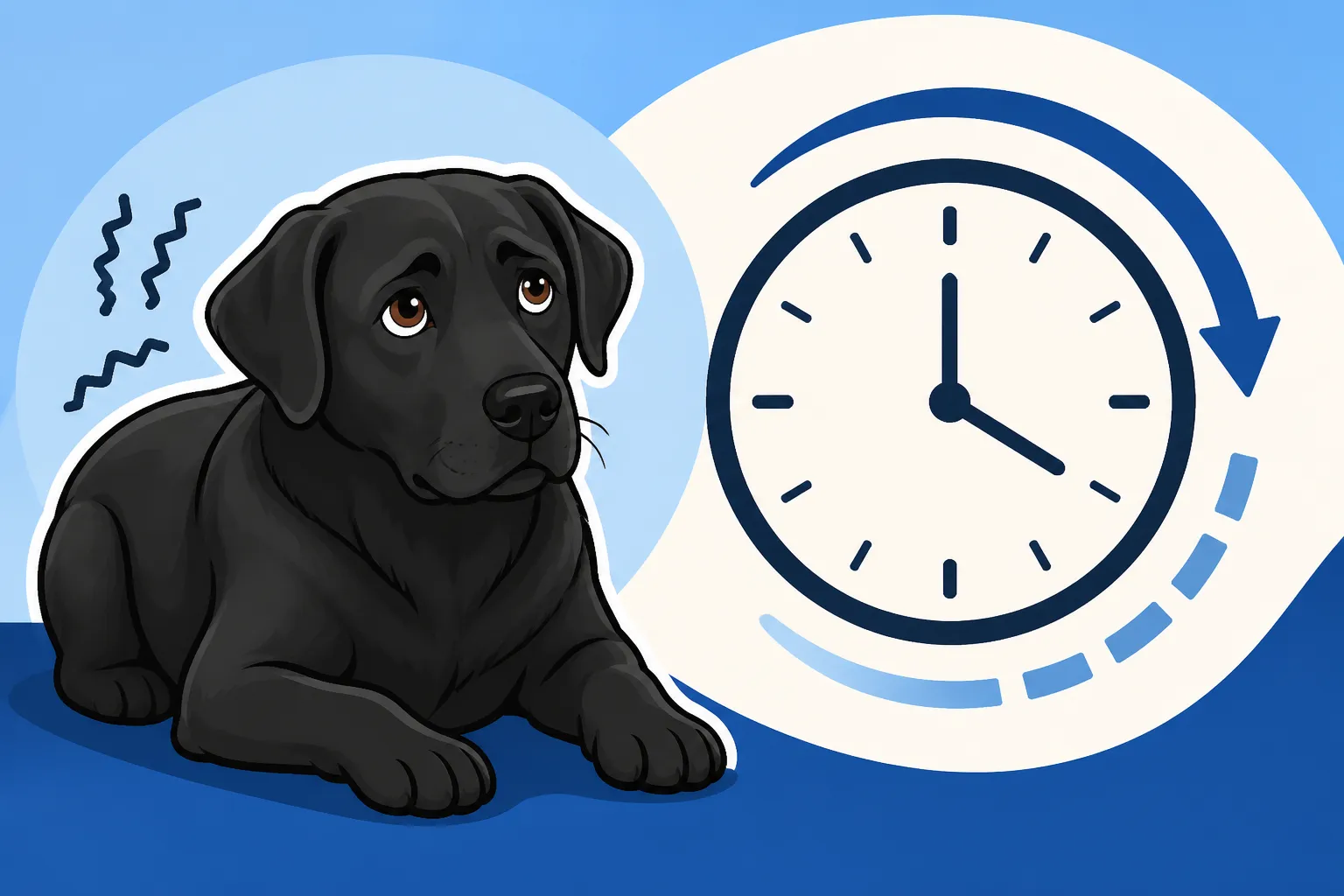
For most Labradors, an EIC episode typically lasts between 5 to 25 minutes. It’s rarely longer than that, and a quick recovery is one of the hallmarks of the condition. The most severe weakness usually occurs within the first 5-10 minutes after stopping the triggering exercise. During this time, your dog might be unable to stand or might struggle immensely, appearing almost paralyzed in their hindquarters.
Once the initial severity passes, you'll start to notice a gradual improvement. They might first be able to lift their head more easily, then manage to sit up, and finally, after about 15-25 minutes, they will usually be able to stand and walk again, albeit still a bit wobbly for a short period. The recovery is usually complete within 30 minutes, with most dogs returning to their normal selves within an hour. They often appear confused by the event but otherwise uninjured. It's a surprisingly rapid rebound given the dramatic nature of the collapse. You might even find them ready to play again, which, of course, you must prevent.
Factors That Can Influence Episode Length
While the 5-25 minute timeframe is a good general guideline, several factors can subtly influence how long an individual EIC episode might seem to last or how quickly your Labrador recovers.
- Intensity and Duration of Exercise: The more intense or prolonged the triggering activity, the more pronounced the episode might be, and recovery might feel slightly longer. A short burst of hard sprinting might cause a less severe episode than 20 minutes of continuous, high-arousal retrieving.
- Environmental Temperature and Humidity: Heat and high humidity are known exacerbating factors for EIC. Dogs are less efficient at cooling themselves in these conditions, which can lead to more severe and potentially longer-lasting episodes. Imagine trying to recover from exhaustion in stifling heat – it’s just harder on the body. This is why you must be extra vigilant on warm days. You can also explore What Triggers an Exercise-Induced Collapse Episode for a deeper dive into these environmental factors.
- Excitement Levels: Labradors are known for their high enthusiasm, and high levels of excitement or arousal are significant EIC triggers. Even if the physical exertion isn't extreme, the mental and emotional stimulation of a highly exciting activity (like a competitive training session or chasing a favorite toy with intense focus) can contribute to an episode, and a highly aroused dog might take a little longer to settle and recover.
- Individual Dog Variability: Just like people, every dog is an individual. Some Labradors might have milder episodes that resolve quicker, while others might experience more dramatic collapses with slightly extended recovery times, even when exposed to similar triggers. Monitoring your own dog’s unique response is key.
Immediate Actions During an EIC Episode
Witnessing an EIC episode is unsettling, but knowing what to do can make all the difference for your dog's safety and comfort. Your immediate actions should focus on ending the triggering activity and helping your Labrador cool down and relax.
What to Do While a Labrador Is Collapsing
Your primary goal is to safely stop the exercise and move your dog to a cool, quiet place. Here’s a step-by-step approach:
- Stop All Activity Immediately: As soon as you see the first signs of weakness – the wobbling, the uncoordinated gait – call your dog, gently guide them, or pick them up if they’re small enough. Stop whatever activity they are engaged in, whether it’s fetch, swimming, or a run.
- Move to a Cool, Shaded Area: Get your Labrador out of the sun and onto a cooler surface. If you're near water, resist the urge to put them in; they might struggle to swim and could be at risk of drowning. Instead, try to find a grassy or shaded spot.
- Offer Water and Help Them Cool Down: Once they are settled, offer them fresh, cool water. Don't force it, but make it available. You can also gently apply cool (not ice-cold) water to their paw pads, belly, and armpits. These are areas where dogs lose heat most effectively. A fan or air conditioning can also be beneficial if available. Crucially, distinguish this from heatstroke; while cooling is helpful, an EIC episode isn't primarily about overheating, though heat can exacerbate it. Knowing how to tell Telling EIC From Heatstroke in a Labrador is a crucial skill.
- Remain Calm and Provide Reassurance: Your dog is likely confused, not in pain, but your panic can add to their stress. Speak in soothing tones and gently stroke them. Avoid trying to force them to stand or walk before they are ready, as this can cause them to struggle and potentially injure themselves.
- Observe Closely: Pay attention to their breathing, gum color, and overall responsiveness. While EIC dogs remain alert, any signs of disorientation, extreme panting, or blue-tinged gums warrant immediate veterinary attention, as it could indicate a more serious, co-occurring issue or a misdiagnosis.
Post-Episode Care and Observation
Once your Labrador has recovered and is back on their feet, the immediate danger has passed, but vigilance is still important.
- Restrict Further Exertion: Even if they seem completely normal, do not allow them to engage in strenuous activity again for the rest of the day. A short, calm walk to relieve themselves is fine, but no more hard play or long runs.
- Monitor for Lingering Weakness: While most dogs recover fully, some might have residual mild weakness or stiffness for an hour or two. This is generally normal. If the weakness persists for several hours or worsens, it's time to contact your vet.
- Document the Episode: Make a note of what triggered the episode (type of exercise, duration, temperature, excitement level) and how long it lasted. This information will be invaluable for your veterinarian and for helping you identify patterns to prevent future occurrences. If you haven't already, this is a good time to consider Testing a Labrador for Exercise-Induced Collapse to confirm the diagnosis.
For managing future vet bills related to such conditions, a good pet insurance plan like those offered by Healthy Paws can be a real lifesaver, especially if you have a Labrador with a known health condition or one that is prone to emergencies.
Living With and Managing EIC
The diagnosis of EIC might feel daunting, but it doesn't mean your Labrador can't live a full, happy life. It simply means you need to be a more mindful owner, adjusting their routine to prevent episodes.
Preventing Future Episodes
Prevention is truly the best medicine when it comes to EIC. It's about understanding your dog's limits and recognizing the triggers.
- Modify Exercise Routines: The most effective way to prevent EIC episodes is to avoid the high-intensity, sustained exercise that triggers them. This doesn't mean no exercise at all! Instead of long, hard games of fetch or continuous sprinting, opt for shorter, more frequent sessions of moderate activity. Think gentle jogs, leisurely walks, or swimming in cool water for brief periods. Many EIC-affected Labradors can still enjoy activities like Whether an EIC Labrador Can Still Hunt or participate in other dog sports with careful management and shorter bursts of work. You need to understand their Exercise Limits for a Labrador Puppy as well, especially during their growth phase, as early overexertion can compound issues.
- Manage Environmental Factors: Be extra cautious on warm or humid days. Schedule walks and exercise for the cooler parts of the day, typically early morning or late evening. Ensure constant access to fresh water. If your Labrador is a keen swimmer, ensure the water isn't too cold, as extreme temperatures can also be a trigger for some dogs.
- Control Excitement Levels: Labradors are naturally enthusiastic, but try to keep their excitement in check during potentially strenuous activities. Teach them to "settle" and incorporate calm activities into their routine. This might mean having structured play rather than chaotic free-for-alls, or using training sessions to channel their energy rather than just letting them run wild.
- Use a Harness and Leash: During walks, using a well-fitting harness can give you better control and prevent sudden surges of excitement or pulling that could lead to an EIC episode. For a better understanding of how to manage daily life, consider reading Living With an EIC Affected Labrador.
Long-Term Outlook for EIC-Affected Labradors
The good news is that EIC is generally not a progressive or life-threatening condition when managed appropriately. Labradors with EIC can live long, fulfilling lives, often reaching their full Labrador Lifespan and What Changes It. The key is owner awareness and diligent management of exercise and environmental triggers.
It’s important to communicate your dog’s diagnosis with anyone who cares for them, such as pet sitters, dog walkers, or kennel staff, so they understand the necessary precautions. While EIC itself doesn't typically lead to other health complications, being prepared for potential veterinary needs is always wise. Comprehensive pet insurance from providers like Healthy Paws can help manage the costs associated with any unexpected health issues, giving you peace of mind. Regular veterinary check-ups are also vital to monitor their overall health, as Labradors, unfortunately, are prone to a range of conditions. For instance, knowing Which Labrador Conditions Show Up Most at the Vet can help you proactively discuss preventive care with your veterinarian.
Remember, an EIC diagnosis doesn't diminish your Labrador's wonderful spirit or their capacity for joy. It simply means you become an even more informed and attentive companion, ensuring they can continue to thrive safely by your side.
| EIC Episode Stages | Typical Duration | Owner Actions |
|---|---|---|
| Initial Weakness/Wobble | 1-2 minutes | Stop activity immediately, gently guide to a cool, shaded spot. |
| Full Collapse (Severe) | 5-10 minutes | Keep calm, ensure dog is safe and comfortable, offer water, begin gentle cooling. |
| Gradual Recovery | 10-15 minutes | Continue reassurance, observe for improvement (sitting up, attempting to stand). |
| Full Recovery | 20-30 minutes | Dog stands and walks, though possibly still wobbly. Restrict further exertion for the day. |
Disclaimer
The information provided in this article is for general informational purposes only and is not a substitute for professional veterinary advice. Always consult with a qualified veterinarian for any health concerns or before making any decisions related to your pet's care.