Telling EIC From Heatstroke in a Labrador
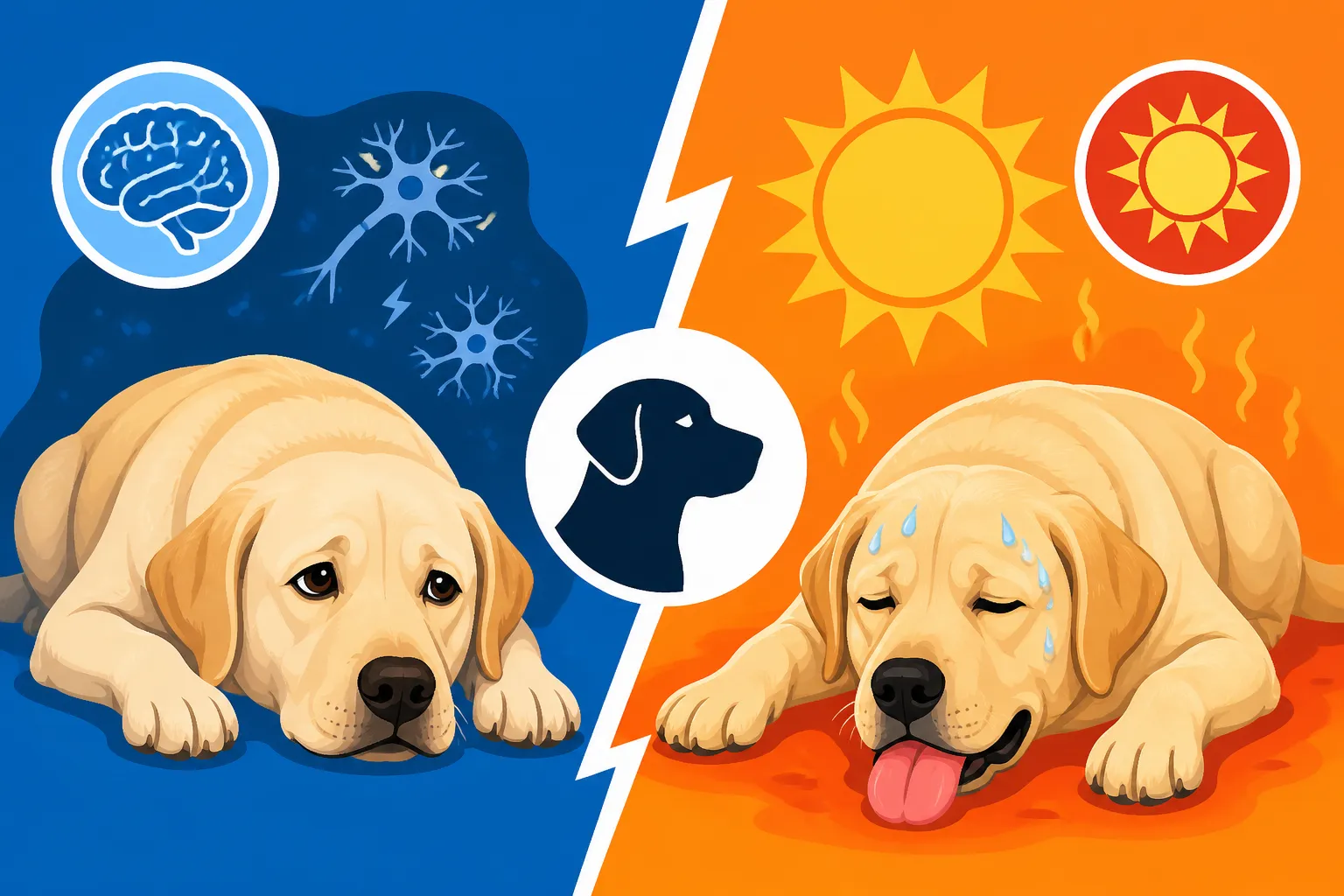
It’s a heart-stopping moment for any Labrador owner: your usually vibrant, energetic dog suddenly falters during a game of fetch or a lively hike. Their legs give out, they stumble, or they simply collapse. In that terrifying instant, your mind races, wondering if it's the dreaded Exercise-Induced Collapse (EIC) or something far more immediately life-threatening like heatstroke. Discerning between these two serious conditions quickly and accurately can be incredibly difficult, yet it's crucial for providing the right immediate care and potentially saving your beloved companion's life. This comprehensive guide will walk you through the distinct signs, triggers, and necessary actions for both EIC and heatstroke, empowering you to better protect your Lab.
Understanding Exercise-Induced Collapse EIC in Labradors
Exercise-Induced Collapse is a neurological disorder primarily affecting Labrador Retrievers, among other breeds. It’s a condition that often catches owners by surprise, especially those who aren't familiar with its unique presentation. Unlike a simple muscle cramp or fatigue, EIC involves a specific, often dramatic, loss of control over the hind limbs, and sometimes all four, after periods of intense physical activity or excitement.
What an EIC Episode Looks Like
When a Labrador is experiencing an EIC episode, the signs usually begin within 5 to 20 minutes of strenuous, high-arousal activity. Imagine a typical retrieving session where your Lab is full of gusto, running at top speed, bringing back the bumper, and then suddenly, their gait becomes wobbly. They might drag their hind legs, sway, or even completely collapse. Owners often describe it as their dog's legs turning to jelly. What’s critical to understand is that during this collapse, the dog typically remains fully conscious and alert. They’ll still be looking at you, their eyes clear, even attempting to move or stand, despite their body not cooperating.
The muscle weakness starts in the hind limbs, progressing forward, and in severe cases, can affect all four legs and even cause a temporary head bob. A key differentiating factor is that Labradors experiencing EIC usually don't show signs of pain or distress beyond the obvious frustration of not being able to move. Their breathing might be slightly labored from the exertion, but not excessively so, and their gum color usually remains healthy. The recovery time is generally rapid, with most dogs returning to normal within 5 to 30 minutes of resting. For a deeper dive into the visual presentation of an episode, you might find this article on What an EIC Episode Looks Like in a Labrador particularly helpful.
The Genetic Basis of EIC
EIC is not simply a matter of your dog getting too hot or being out of shape; it’s a genetic condition. It's caused by a mutation in the DNM1 gene, which is crucial for nerve signal transmission. This genetic predisposition means that certain Labradors are simply wired differently when it comes to processing intense physical activity. It's not a condition that develops over time due to poor training or care, but rather something your dog is born with. While environmental factors like heat and excitement can certainly act as triggers, the underlying problem is neurological, not thermal.
Understanding this genetic link is vital for prevention and management. Responsible breeders will perform genetic testing on their breeding stock to avoid passing on the DNM1 mutation. If you're considering a Labrador puppy, ask breeders about their Genetic Panels Worth Running on a Labrador and specifically for EIC clearance. Even if your dog has the gene, it doesn't mean they can't live a full, happy life; it just means managing their activity levels and avoiding known triggers. Knowing that it's a genetic issue helps owners reframe their approach to exercise, focusing on modifying intensity rather than simply avoiding warm days entirely, which is more relevant for heatstroke prevention. You can learn more about this specific mutation and its effects in The DNM1 Mutation Behind Labrador Collapse.
Recognizing the Dangers of Heatstroke in Labradors
Heatstroke is a far more immediate and life-threatening condition than EIC, even though both can lead to collapse. It occurs when a dog's body temperature rises to dangerously high levels, usually above 104°F (40°C), and they can no longer regulate their core temperature effectively. Labradors, with their dense double coats and enthusiastic nature, are particularly susceptible, especially during warm weather or intense activity.
Key Symptoms of Heatstroke
The symptoms of heatstroke are generally more severe and progressive than EIC. The first signs you might notice are excessive, rapid panting and profuse drooling. Your dog might seem restless, anxious, and begin to stagger or appear disoriented. Their gums can become bright red, indicating increased blood flow, and in more severe cases, they might turn pale or even bluish. As the condition worsens, vomiting and diarrhea are common, sometimes with blood. The dog's mental state rapidly deteriorates from restlessness to dullness, confusion, and eventually stupor or seizures.
Unlike EIC where the dog typically remains alert, a heatstroke victim often becomes unresponsive or collapses completely, often falling into a coma. Their body will feel hot to the touch, and if you can take their rectal temperature, it will be significantly elevated. This is a critical distinction: high body temperature is the cause and a primary indicator of heatstroke, whereas in EIC, body temperature might be slightly elevated from exertion but quickly normalizes with rest. If you suspect heatstroke, every second counts, and immediate intervention is paramount. This can be an incredibly frightening experience, and knowing the initial warning signs can make all the difference.
Environmental Factors and Triggers
Heatstroke is almost always directly linked to environmental conditions and excessive exertion in those conditions. The most common triggers include:
- High Ambient Temperature and Humidity: A hot, humid day prevents your dog from cooling down effectively through panting. Humidity makes it feel even hotter and hinders evaporative cooling.
- Lack of Shade and Water: Being outdoors without access to shade or fresh, cool water means your dog can't escape the heat or rehydrate.
- Confinement in Hot Spaces: The classic and most dangerous scenario is leaving a dog in a parked car, even for a "few minutes." Car interiors can heat up rapidly to lethal temperatures. Other confined, poorly ventilated spaces like garages or kennels can also be dangerous.
- Over-exertion: Even on moderately warm days, an overly enthusiastic Labrador might push themselves too hard, especially if they are unfit or overweight.
- Individual Susceptibility: Brachycephalic (short-nosed) breeds are at higher risk, but Labradors, particularly those with darker coats like black Labradors, can also be more susceptible to heat absorption. However, any Lab can suffer from it. Ensuring your Lab is kept cool in the summer is crucial, and you might find useful tips in Keeping a Labrador Cool in Summer.
It's important to remember that heatstroke can affect any dog, regardless of genetic predisposition, if the conditions are right. This is a critical distinction from EIC, which requires the specific genetic mutation. Vigilance and common sense regarding weather and activity levels are your best defenses against heatstroke.
Differentiating EIC and Heatstroke: A Practical Guide
When your Labrador suddenly collapses, panic can easily set in. However, taking a moment to observe key signs can help you determine the most appropriate and immediate course of action. While both conditions are serious, their underlying mechanisms and the first aid required are vastly different.
Key Distinguishing Factors
The most critical factor to assess is your dog's core body temperature. If you have a rectal thermometer, this is the time to use it. A dog with heatstroke will have a body temperature exceeding 104°F (40°C), often much higher, and it will remain elevated. A dog with EIC, on the other hand, might have a slightly elevated temperature due to exertion, but it will typically be below 104°F and will quickly return to normal with rest.
Another telling sign is the dog's mental state. Labradors with EIC usually remain bright, alert, and fully conscious, albeit frustrated by their inability to move. They'll look at you, their eyes clear, and they might even try to respond to commands. A heatstroke victim, however, will often appear disoriented, lethargic, mentally dull, or even unresponsive. Their gums might be bright red, tacky (from dehydration), or even pale/bluish if oxygenation is severely compromised. The progression of symptoms also differs: EIC symptoms are typically sudden collapse and rapid recovery with rest, while heatstroke symptoms often worsen progressively without intervention, involving more systemic distress like vomiting, diarrhea, and eventually seizures or coma.
Here's a quick comparison table to help you identify the differences:
| Feature | Exercise-Induced Collapse (EIC) | Heatstroke |
|---|---|---|
| Onset | Typically 5-20 min into intense exercise/excitement | Can be rapid, related to high temps/humidity/exertion |
| Body Temp | Normal to slightly elevated (under 104°F); normalizes quickly with rest | Dangerously elevated (over 104°F), persists without intervention |
| Consciousness | Alert, conscious, aware of surroundings | Disoriented, dull, unresponsive, comatose, or seizing |
| Pain/Distress | No obvious pain; frustration is common | Severe distress, anxiety, pain, potential vomiting/diarrhea |
| Gums | Normal pink color, moist | Bright red, tacky, or pale/bluish |
| Recovery | Often rapid (5-30 min) with rest; full recovery within hours | Requires aggressive cooling and vet care; can be fatal |
| Primary Cause | Genetic neurological disorder (DNM1 mutation) | Overheating due to environmental conditions and/or exertion |
Immediate Action and Veterinary Care
If you suspect EIC, the first and most important step is to immediately stop all activity and allow your Labrador to rest quietly in a cool, calm environment. Prevent any further excitement. Offer them water, but don't force it. The good news is that most dogs recover quickly from EIC episodes once the trigger is removed. While resting, keep a close eye on their breathing and overall demeanor. While a vet visit isn't always immediately necessary after a mild, resolved EIC episode, it's always wise to inform your veterinarian. If you have concerns about the severity or frequency of episodes, or if recovery isn't as quick as expected, a vet consultation is important. This article on What to Do While a Labrador Is Collapsing provides more specific steps.
However, if you suspect heatstroke, this is an absolute emergency. Time is of the essence. You need to initiate cooling measures immediately while en route to the nearest emergency veterinary clinic.
Immediate Heatstroke First Aid:
- Move to a Cooler Area: Get your dog into the shade or an air-conditioned space.
- Cool Water: Gently hose or sponge your dog with cool (not icy cold) water, focusing on the belly, armpits, and groin areas where large blood vessels are close to the surface.
- Fan: Use a fan or air conditioning to enhance evaporative cooling.
- Wet Towels: Place cool, wet towels over these areas, replacing them frequently as they warm up.
- Offer Water: Allow your dog to drink small amounts of cool water if they are conscious and willing. Do not force water.
- Seek Veterinary Care: This is paramount. Even if your dog seems to be improving, organ damage from heatstroke can be insidious. Call ahead to the vet clinic if possible, so they are prepared for your arrival.
The cost of emergency veterinary care for conditions like severe heatstroke can be substantial, often running into thousands of dollars for intravenous fluids, organ support, and hospitalization. This is where having pet insurance can be a real lifesaver, alleviating the financial burden so you can focus on your dog's recovery. Providers like Healthy Paws can help cover these unexpected emergency bills, ensuring your Labrador gets the critical care they need without you having to make impossible financial decisions.
Prevention and Management Strategies
Knowing the difference between EIC and heatstroke is crucial for crisis management, but prevention is always the best approach. Tailoring your Labrador's lifestyle to mitigate risks associated with both conditions can significantly improve their quality of life and longevity.
Preventing EIC Episodes
For Labradors diagnosed with EIC, or those known to carry the gene, prevention revolves around careful management of their exercise and excitement levels. The good news is that EIC is not a progressive disease, and with proper management, affected dogs can lead fulfilling lives.
- Genetic Testing: The most definitive way to know if your Labrador is at risk is through genetic testing. Breeders should perform Testing a Labrador for Exercise-Induced Collapse on their breeding stock to avoid producing affected puppies. If you adopted your dog and don't have this information, you can still have it done. Knowledge is power here.
- Moderate Exercise: Avoid high-intensity, continuous exercise sessions. Instead of long, strenuous fetch games, opt for shorter, more frequent play sessions with breaks. Activities that require sustained, high-arousal bursts, such as intense retrieving, agility, or competitive field trials, are common triggers.
- Manage Excitement: Intense excitement, even without extreme physical exertion, can trigger an episode. Try to keep your Lab calm during high-arousal situations, such as greeting visitors or anticipation of a favorite activity. This article on What Triggers an Exercise-Induced Collapse Episode can offer more insights.
- Avoid Heat and Humidity Triggers: While EIC is not heatstroke, hot and humid conditions can lower a dog's threshold for an EIC episode. Exercise during cooler parts of the day if your dog is affected, and always provide plenty of fresh water.
- Monitor Your Dog: Learn to recognize the subtle early signs of an impending EIC episode, such as a slight alteration in gait or a look of confusion. Immediately stop activity if you notice these.
- Consult Your Vet: Work closely with your veterinarian to develop a tailored exercise plan. They can provide guidance on appropriate activity levels and discuss any concerns you have about Living With an EIC Affected Labrador.
Avoiding Heatstroke
Preventing heatstroke is about vigilance and common sense, especially during warmer months. It applies to all Labradors, regardless of their genetic makeup.
- Timing is Everything: Walk and exercise your Labrador during the coolest parts of the day – early mornings and late evenings. Avoid mid-day sun, especially when temperatures are high.
- Hydration and Shade: Always provide access to fresh, cool water and ample shade when outdoors. Bring water with you on walks or hikes.
- Never Leave Your Dog in a Car: This cannot be stressed enough. Even on mild days, the interior of a car can quickly become an oven. Cracking windows provides minimal relief. It’s simply not worth the risk.
- Monitor Pavement Temperature: Pavement can get scorching hot, burning your dog's paw pads and increasing their body temperature. If it's too hot for your bare hand, it's too hot for their paws. Consider this advice on Hot Pavement and a Labrador's Paws.
- Recognize Early Signs of Overheating: Be aware of excessive panting, drooling, or a change in your dog's demeanor. If you see these signs, stop activity, seek shade, and offer water immediately.
- Avoid Over-exertion: Labradors love to please and will often push themselves beyond their limits. It's your responsibility to know their limits and enforce breaks, especially in warm weather.
- Consider Grooming: While you should never shave a Labrador's double coat, regular brushing, especially during shedding season, can help remove loose undercoat and improve air circulation.
- Weight Management: An overweight Labrador is at a much higher risk for heatstroke because fat acts as insulation, making it harder for them to cool down. Maintaining a healthy weight is vital for overall health and heatstroke prevention.
- Emergency Preparedness: Have your vet’s emergency number and the nearest 24-hour animal hospital contact readily available. Familiarize yourself with basic cooling techniques. Remember, having pet insurance like Healthy Paws in place can provide invaluable peace of mind should a heatstroke emergency occur, allowing you to focus solely on your Lab's care rather than the potentially crippling vet bills.
By understanding the distinct characteristics of EIC and heatstroke and implementing appropriate preventive measures, you can dramatically reduce the risk of your beloved Labrador experiencing either of these frightening events. Your attentiveness and proactive care are their best defense.
Disclaimer
The information provided in this article is for educational purposes only and should not be considered a substitute for professional veterinary advice. If your Labrador Retriever exhibits any signs of illness, collapse, or distress, seek immediate veterinary attention. Always consult with a qualified veterinarian regarding your pet's health and treatment options.