Whether Insurance Covers Labrador Hip Dysplasia
One of the most heart-wrenching concerns for any Labrador owner is the thought of their beloved companion developing hip dysplasia. This painful, often debilitating condition can lead to immense veterinary bills, leaving many families wondering if their pet insurance will actually step up and cover the costs. It's a valid and incredibly common worry, given how prevalent hip issues can be in our wonderful Labs. This comprehensive guide will help you navigate the tricky waters of pet insurance and hip dysplasia, explaining what to expect, what to look for, and how to best prepare for your Labrador's future health.
The Reality of Pre-Existing Conditions and Hip Dysplasia Coverage
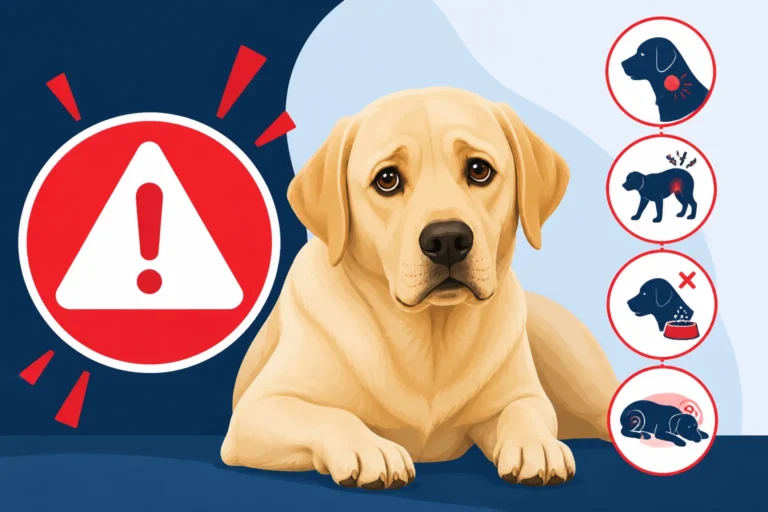
Hip dysplasia in Labradors is a topic that can send shivers down any owner's spine. It’s a condition where the hip joint doesn't form correctly, leading to a loose fit between the ball and socket. Over time, this causes wear and tear, pain, and eventually arthritis. Many of us have seen our once bouncy Labs slow down, struggle to get up, or even limp, and the immediate thought often jumps to their hips. This condition is genetic but can be exacerbated by environmental factors, and its treatment, which can range from pain management to complex surgeries, is notoriously expensive. Understanding how pet insurance companies view this condition is crucial, especially when it comes to the dreaded term: "pre-existing condition."
Defining Pre-Existing Conditions in Pet Insurance
When you sign up for pet insurance, one of the first things providers look for is any health issue your pet had before your policy began or before the mandatory waiting period ended. This is what's known as a pre-existing condition, and it’s the biggest hurdle for hip dysplasia coverage. If your Labrador showed any signs of hip discomfort, lameness, or had a veterinary diagnosis of hip dysplasia—or even symptoms related to it—before your policy's effective date and waiting periods were met, that condition, and often related conditions, will almost certainly be excluded from coverage. This isn't just about a formal diagnosis; it can be based on veterinary notes indicating limping, stiffness, or even observations by the vet during a routine check-up that suggest potential hip issues.
Imagine you adopt a six-month-old Labrador puppy, and a few weeks later, you notice a subtle bunny hop when he runs. You take him to the vet, and after X-rays, he's diagnosed with mild hip dysplasia. If you purchased pet insurance after you noticed that bunny hop or after the vet visit, it would be considered a pre-existing condition, and any future treatment for that hip dysplasia would likely not be covered. This is why timing is so incredibly important, a point we'll delve into more deeply later. It's a frustrating reality for many, as the signs of Labrador Hip Dysplasia Signs and Onset can be subtle in younger dogs and only become undeniable later, by which time it might be too late for insurance coverage.
Waiting Periods and Early Signs
Every pet insurance policy comes with waiting periods—a specific amount of time you have to wait after buying the policy before certain conditions become eligible for coverage. These can vary, but typically range from 14 days for accidents and illnesses to longer periods, often 6 months or even 12 months, for orthopedic conditions like hip dysplasia. This means even if your dog is perfectly healthy when you enroll, if hip dysplasia is diagnosed within that orthopedic waiting period, it will still be considered a pre-existing condition and won't be covered.
This is where the nuances get tricky. Some policies might have a waiting period waiver if your vet performs an orthopedic exam and deems your dog healthy within a certain timeframe after enrollment. Always read the fine print! If your Labrador puppy is showing early, subtle signs, perhaps a reluctance to jump, or if you feel something isn't quite right with their gait, it’s crucial to get it checked out by a vet before these waiting periods expire. If you wait, and those symptoms are noted in their medical records, even if it's not a full diagnosis, it can become a barrier to future coverage. Understanding Pre-Existing Conditions on a Labrador Policy is paramount to avoiding costly surprises down the road.
Understanding Different Types of Hip Dysplasia Coverage
Even when hip dysplasia is a new condition, meaning it developed after all waiting periods were met and there were no prior symptoms, the extent of coverage can vary significantly between insurance providers and policy types. It's not a one-size-fits-all scenario, and the devil is truly in the details of your specific policy.
The Bilateral Condition Clause
One of the most common and often misunderstood aspects of hip dysplasia coverage is how insurance companies treat "bilateral conditions." Hip dysplasia is typically considered a bilateral condition because it can affect both sides of the body, even if only one hip shows symptoms or is diagnosed first. Here's how it often works: if your Labrador develops hip dysplasia in one hip before your policy's waiting period ends or before enrollment, and that condition is deemed pre-existing, then if the other hip later develops hip dysplasia, it may also be excluded from coverage. The reasoning is that because it's a bilateral condition, the underlying predisposition was already present.
This clause can be a huge point of contention and frustration for owners. You might get one hip fixed, thinking the other is safe, only to find out later that the second hip's issues aren't covered due to this clause. It underscores the critical importance of getting pet insurance for your Labrador as early as possible, ideally before any orthopedic issues have a chance to manifest.
What to Look for in a Policy
Choosing the right pet insurance for your Labrador, especially with concerns like hip dysplasia in mind, means looking beyond just the monthly premium. You need a policy that offers robust coverage for accidents and illnesses, as hip dysplasia falls under the latter. Here are key elements to scrutinize:
- Waiting Periods: As discussed, pay close attention to the orthopedic waiting period. Shorter is better, but consistency in applying the "pre-existing" rule is key.
- Coverage Limits: Policies typically have annual limits (e.g., $5,000, $10,000, or unlimited). Hip dysplasia surgery can easily run into thousands of dollars per hip, sometimes $4,000-$6,000 or more for complex procedures like Femoral Head Ostectomy (FHO) or Total Hip Replacement (THR). An annual limit of $5,000 might not cover a single major surgery, let alone follow-up care or potential issues with the second hip. This is where a company like Healthy Paws stands out, as they are known for offering unlimited annual benefits on their policies, which can be a huge relief for expensive conditions like hip dysplasia.
- Deductibles: This is the amount you pay out of pocket before your insurance starts reimbursing you. Deductibles can be annual or per-incident. An annual deductible is generally more favorable if your dog has multiple issues or ongoing care for a single condition.
- Reimbursement Percentage: This is the percentage of eligible vet bills the insurance company will pay after you've met your deductible. Common percentages are 70%, 80%, or 90%. Opting for a higher reimbursement percentage means you'll pay less out of pocket, which can significantly ease the financial burden of managing Cost of Hip Surgery for a Labrador Retriever.
- Exam Fees: Some policies cover the cost of the veterinary exam when an illness or injury is diagnosed, while others do not. For an ongoing condition like hip dysplasia, regular check-ups are essential, so this can add up.
A thorough understanding of these factors will help you make an informed decision. While it might seem daunting, taking the time to compare policies now can save you immense stress and financial strain later.
Strategies for Ensuring Your Labrador's Hips are Covered
Knowing the potential pitfalls of pre-existing conditions and bilateral clauses, what steps can you take to maximize the chances of your Labrador's hip dysplasia being covered by insurance? The answer boils down to proactivity and responsible ownership.
Getting Insurance Early is Key
This cannot be stressed enough: enroll your Labrador in pet insurance as early as possible. The ideal time is when they are a young puppy, shortly after you bring them home. At this stage, they are least likely to have developed any signs of hip dysplasia or other genetic conditions that could be flagged as pre-existing. Most reputable breeders will not allow puppies to go to new homes before 8 weeks, and this is the perfect window to get a policy in place.
By enrolling a healthy puppy, you ensure that any future development of hip dysplasia, or other conditions that might arise years down the line, will be considered new conditions by your insurer. This approach effectively bypasses the pre-existing condition exclusions, offering you the best chance for comprehensive coverage. Think of it as investing in a financial safety net for your dog's entire life, starting from their earliest, healthiest days. For a young, vibrant Labrador puppy, anticipating their health needs from day one is part of being a responsible owner. Considering Labrador Puppy Health in the First Year is vital, and insurance plays a big role.
Health Clearances and Breeder Responsibilities
While insurance is your financial safety net, choosing a reputable breeder is your first line of defense against genetic conditions like hip dysplasia. A responsible breeder will conduct extensive health clearances on both parent dogs before breeding them. For Labradors, this absolutely includes screening for hip and elbow dysplasia through organizations like the Orthopedic Foundation for Animals (OFA) or the PennHIP program. These screenings evaluate the quality of the parents' joints and help breeders make informed decisions to reduce the likelihood of passing on these issues to their offspring.
When you're looking for a Labrador puppy, always ask to see the OFA or PennHIP certificates for both parents. A good breeder will be transparent and proud to show you these documents. They understand that Health Clearances a Labrador Breeder Must Show are non-negotiable for producing healthy puppies. While clearances don't guarantee that a puppy will never develop hip dysplasia, they significantly lower the risk. If a breeder avoids showing you these records or claims they're unnecessary, that should be a major red flag. Pairing a puppy from health-tested parents with early pet insurance enrollment offers the most robust protection for your Labrador. You can delve deeper into OFA and PennHIP Screening for Labradors to understand what those results mean.
Regular Vet Check-ups and Monitoring
Even with insurance and a great breeder, continuous vigilance is key. Regular veterinary check-ups are essential throughout your Labrador’s life. Your vet can often spot subtle signs of orthopedic issues long before they become severe. For example, during a routine physical exam, a vet might detect slight stiffness or a reduced range of motion in the hips, even if your dog isn't overtly limping. These early observations can lead to proactive management strategies, potentially delaying the progression of conditions like hip dysplasia.
If your vet notes any concerns in your Labrador's medical record, discuss them thoroughly. Sometimes, a "watch and wait" approach is taken for very minor, early signs. However, if those signs escalate, or if you notice changes like a refusal to climb stairs, difficulty getting up, or a decrease in activity, don't hesitate to seek veterinary attention. Early intervention, whether through physical therapy, medication, or lifestyle adjustments, can make a significant difference in your Labrador's quality of life. Knowing When Labrador Hip Dysplasia First Shows Up is important for prompt action.
Managing Costs Without Insurance Coverage
Despite our best efforts, sometimes hip dysplasia develops, and for various reasons, pet insurance may not cover it. Perhaps it was a pre-existing condition, or the policy limitations were too high for the cost of treatment. In these situations, facing the financial burden alone can feel overwhelming, but there are still viable options to consider.
Alternative Financial Options
The costs associated with treating hip dysplasia, especially surgical interventions like a Total Hip Replacement, can easily reach several thousand dollars per hip. When insurance isn't an option, exploring alternative financing is crucial:
- Veterinary Payment Plans: Many veterinary clinics understand the financial strain of major procedures and offer in-house payment plans or work with third-party financing options like CareCredit. These plans allow you to spread the cost over several months or even years, often with low or no interest if paid within a promotional period. Always discuss these options with your vet's office manager.
- Personal Savings or Emergency Fund: This is where being prepared beforehand truly pays off. Many pet owners choose to forgo traditional insurance in favor of building up a dedicated emergency fund for their pets. Saving a certain amount each month specifically for vet bills can provide a significant cushion. While it takes discipline, for those without insurance, this fund becomes critical. Learning about Setting Up an Emergency Fund for a Labrador is a wise move for any pet owner.
- Crowdfunding and Charitable Organizations: In cases of extreme financial hardship, online crowdfunding platforms (like GoFundMe) can sometimes help raise funds from sympathetic individuals. Additionally, some charitable organizations or breed-specific rescues offer assistance for veterinary care, though eligibility criteria can be strict and funds are often limited.
- Negotiating with Your Vet: While not always possible, sometimes vets are willing to discuss options or alternative, less costly treatments, especially if you have a long-standing relationship. It never hurts to have an open conversation about your financial limitations.
Supportive Care and Management
For Labradors with hip dysplasia, not all management requires expensive surgery. Many dogs can live comfortable lives with a combination of supportive care strategies, particularly if the condition is mild or if surgery isn't an option due to age, other health concerns, or financial constraints.
- Weight Management: This is paramount. An overweight Labrador puts significantly more strain on their already compromised joints, accelerating pain and degeneration. Keeping your Labrador at a lean, healthy weight is one of the most impactful things you can do to manage hip dysplasia. Your vet can help you determine an ideal weight and create a diet plan.
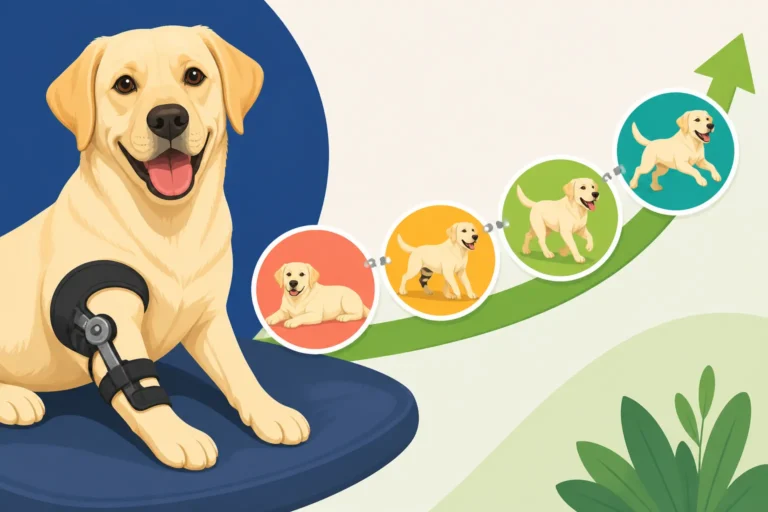
- Physical Therapy and Rehabilitation: Just like in humans, physical therapy can greatly improve mobility, reduce pain, and strengthen the muscles surrounding the hip joint. This might include exercises, hydrotherapy (swimming in a controlled environment), massage, and stretching. Many specialty vet clinics offer certified canine rehabilitation services. Physical Therapy for a Labrador With Bad Hips can make a world of difference.
- Joint Supplements: Glucosamine, chondroitin, MSM, and Omega-3 fatty acids are commonly used supplements that can help support joint health, reduce inflammation, and potentially slow the progression of arthritis. Always discuss these with your vet to ensure appropriate dosage and product quality. You can find more details on Joint Supplements That Help a Labrador to guide your choices.
- Pain Management: Your vet can prescribe anti-inflammatory medications (NSAIDs), pain relievers, or other therapies like Adequan injections to manage your Labrador's discomfort. The goal is to keep them as pain-free and mobile as possible.
- Lifestyle Adjustments: This means avoiding high-impact activities like jumping off furniture or excessive running on hard surfaces. Instead, focus on controlled, low-impact exercise like swimming (which is excellent for Labs!) or short, leashed walks on soft ground. Ramps or steps can help your Labrador access elevated areas safely.
Managing hip dysplasia is a long-term commitment, but with a multi-faceted approach, you can significantly improve your Labrador's comfort and quality of life, whether or not insurance is there to help with the major costs.
Here's a comparison of how different scenarios might impact your financial outlay for Labrador hip dysplasia:
| Scenario | Initial Cost (Policy/Savings) | Pre-Existing Coverage? | Cost of Surgery (e.g., THR) | Post-Op & Lifelong Care | Total Out-of-Pocket (Estimate) |
|---|---|---|---|---|---|
| Early Pet Insurance (Puppy) | Monthly premiums (e.g., $40-60) | Yes (if no prior symptoms) | Deductible + Reimbursement (e.g., 10-30%) | Deductible + Reimbursement | $500 – $3,000+ (major surgery) |
| Late Pet Insurance (Adult w/o prior symptoms) | Monthly premiums (e.g., $60-90) | Possibly (longer orthopedic waiting period) | Deductible + Reimbursement | Deductible + Reimbursement | $500 – $3,000+ (if accepted) |
| No Insurance, Dedicated Savings | Savings account contributions ($X/month) | N/A | 100% of Surgery Cost | 100% of Care Costs | $6,000 – $12,000+ (per hip) |
| No Insurance, No Savings | N/A | N/A | 100% of Surgery Cost | 100% of Care Costs | $6,000 – $12,000+ (per hip) + Interest on financing |
Note: Costs are estimates and can vary significantly based on location, vet, and specific procedures.
Disclaimer
The information provided in this article is for general informational purposes only and does not constitute veterinary, financial, or legal advice. Always consult with a qualified veterinarian for any health concerns regarding your Labrador Retriever and a licensed insurance professional for specific policy details and coverage questions. Pet insurance policies vary widely, and it is crucial to read and understand your specific policy terms and conditions, especially regarding waiting periods and pre-existing conditions.