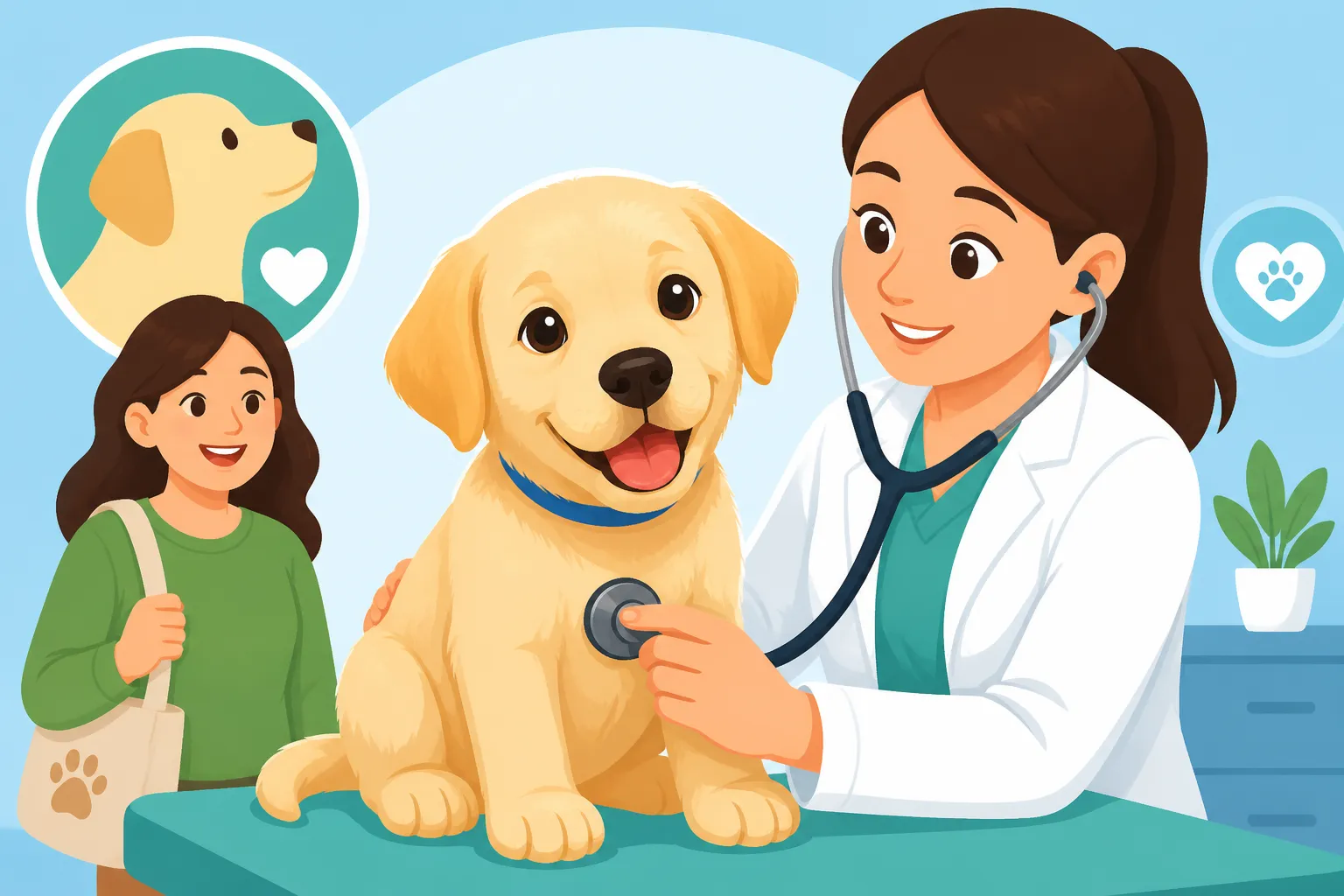
The First Vet Visit for a Labrador Puppy
Bringing home a rambunctious Labrador puppy is one of life's greatest joys, but amidst all the excitement, the thought of their first vet visit can feel a little daunting. You're suddenly responsible for this tiny, bundles of energy, and making sure they get off to the best possible start health-wise is paramount. This comprehensive guide will meticulously walk you through everything you need to know about your Labrador puppy's initial veterinary appointment, from preparation to what to expect, ensuring you feel empowered and informed.
Why That First Vet Visit Is Absolutely Essential for Your Labrador Puppy
It’s easy to get swept up in puppy cuddles and playtime, but that initial vet visit is so much more than just a formality. It’s the cornerstone of your Labrador’s long-term health and well-being, catching potential issues early and setting them up for a vibrant life. Neglecting this crucial step can lead to missed diagnoses, delayed vaccinations, and a world of preventable heartache down the line.
Establishing Care and a Baseline Health Check
Think of this first visit as your puppy's official introduction to their healthcare team. Your veterinarian will become a vital partner in your Labrador's life, and establishing a relationship early is key. They'll perform a thorough physical examination, which is incredibly important for assessing your puppy's overall health and development. This initial check-up helps the vet establish a baseline for your puppy's health, which can be invaluable for comparison during future appointments. They'll be looking at everything from their bright, curious eyes to their wiggling tail, checking for any congenital issues that might not be immediately obvious to an untrained eye. It’s also a fantastic opportunity to discuss your puppy's history, any concerns you might have, and start building that trusting relationship between you, your vet, and your furry friend.
Many new owners feel a bit overwhelmed by all the information thrown at them, especially if it's their first Labrador. Don't worry, your vet is there to help guide you. This initial examination includes checking for things like heart murmurs, umbilical hernias, correct bite alignment, and a proper gait. For a breed like a Labrador, which is prone to certain orthopedic issues, a careful assessment of their joints and overall structure, even as a tiny puppy, can provide early indicators or simply establish a healthy starting point. It's truly a foundational moment in their life.
Tackling Parasites and Kicking Off Vaccinations
One of the most immediate and critical aspects of the first vet visit is addressing parasites and initiating their vaccination schedule. Puppies are incredibly vulnerable to internal and external parasites, and often arrive home with a hidden burden. Hookworms, roundworms, whipworms, and tapeworms are common culprits, and left untreated, they can cause significant health problems, including poor growth, diarrhea, vomiting, and even anemia. Your vet will almost certainly ask for a fresh stool sample, so don't forget to bring one along! They’ll analyze it under a microscope to identify any lurking nasties and prescribe the appropriate dewormer.
Beyond deworming, vaccinations are a non-negotiable part of responsible puppy ownership. These vital shots protect your Labrador from a host of highly contagious and often deadly diseases, such as distemper, parvovirus, adenovirus (hepatitis), and parainfluenza. The first vet visit typically kicks off this series, with subsequent boosters scheduled over the next few weeks to ensure full immunity. It's a structured process, and your vet will outline the specific Labrador Puppy Vaccination Schedule for your region and puppy's individual risk factors. Missing these early shots can leave your puppy dangerously exposed, so adhering to the schedule is paramount, even if it feels like a lot of trips to the clinic. They're literally life-saving measures.
What to Expect During Your Labrador Puppy's Initial Vet Check-Up
Stepping into the vet's office with a brand-new puppy can feel like entering a whirlwind of new information and experiences. Knowing what’s coming can help ease both your and your puppy’s nerves. The first visit is typically a thorough process, covering everything from nose to tail, and aims to give your puppy the healthiest possible start.
The Comprehensive Physical Exam
During the physical exam, your vet will meticulously go over every aspect of your Labrador puppy. They'll start by observing your puppy's general demeanor, how they walk, and their energy levels. Then comes the hands-on part:
- Eyes and Ears: Checked for discharge, redness, infections, or any signs of Labrador Eye Conditions and Vision Loss or Labrador Ear Infections and Swimming.
- Nose and Mouth: Inspected for discharge, healthy gums, appropriate tooth eruption (puppies have sharp little needles!), and bite alignment. This is also a good time to ask about starting a routine for Labrador Dental Disease and Tartar.
- Coat and Skin: Examined for fleas, ticks, mites, dry patches, or any skin irritations.
- Lymph Nodes: Palpated to check for swelling, which could indicate infection.
- Heart and Lungs: Listened to with a stethoscope to ensure a strong heartbeat and clear breathing, checking for any murmurs or abnormal rhythms.
- Abdomen: Gently palpated to check for tenderness, organ size, and any abnormalities.
- Genitals and Rectal Area: Examined for proper development and any signs of irritation or infection.
- Legs and Paws: Assessed for lameness, proper joint development, and healthy paw pads. This is particularly important for Labradors, given their predisposition to conditions like Labrador Hip and Elbow Dysplasia.
- Temperature: Taken rectally, which can be a bit uncomfortable for a puppy but provides a crucial health indicator.
This thorough examination allows your vet to gain a complete picture of your puppy's health status and catch any issues early on. It also helps them identify any areas where you might need to focus your preventative care efforts, such as specific supplements or grooming routines for their coat and ears.
Vaccinations, Parasite Control, and Microchipping
Following the physical exam, your vet will proceed with the necessary preventative treatments.
- Vaccinations: As discussed, the initial rounds of core vaccinations (Distemper, Adenovirus, Parvovirus, Parainfluenza) will be administered. They might also discuss non-core vaccines like Leptospirosis, Lyme disease, or Bordetella, depending on your geographic location and your Labrador's lifestyle. These decisions are made in consultation with your vet based on risk assessment.
- Deworming: If a stool sample was provided and parasites detected, or even as a preventative measure, your puppy will receive an appropriate dewormer. This is often repeated in a few weeks to break the parasite life cycle.
- Flea and Tick Prevention: Your vet will recommend and administer the first dose of a suitable flea and tick preventative. This is crucial as these pests can transmit diseases and cause discomfort. There are many safe and effective Flea and Tick Products Safe for Labradors available, and your vet will help you choose the best one for your puppy.
- Heartworm Prevention: Depending on the puppy's age and your local prevalence, your vet might also start your puppy on Heartworm Prevention for a Labrador. Heartworm is a serious, potentially fatal disease transmitted by mosquitoes, and prevention is far easier and safer than treatment.
- Microchipping: This small, safe procedure is often offered during the first visit. A tiny microchip, about the size of a grain of rice, is inserted under the skin between your puppy's shoulder blades. If your Labrador ever gets lost, this chip, registered with your contact information, can be scanned by shelters or vet clinics, vastly increasing the chances of a happy reunion. It's a one-time procedure that offers invaluable peace of mind.
Preparing for the Big Day: What to Bring and Ask
That first vet visit can be a whirlwind, and it's easy to forget important questions or details in the moment. Being well-prepared will not only make the visit smoother but also ensure you get all the information you need to confidently care for your new Labrador puppy. Think of it as your first big parent-teacher conference for your furry child!
Gathering Essential Records and Supplies
Before you even step out the door, gather everything you'll need. This preparation minimizes stress and allows your vet to have a complete picture right away.
- Veterinary Records: If you got your puppy from a breeder or rescue, they should have provided you with a health record detailing any previous vaccinations, deworming, or vet checks. This is absolutely critical information for your new vet to continue their care without overlap or missed steps. Don't assume anything; bring every piece of paper they gave you.
- Breeder/Rescue Information: Note down the name and contact details of your breeder or rescue organization. This can be helpful if your vet has specific questions about the puppy's lineage or early environment. For example, some breeders perform Genetic Panels Worth Running on a Labrador, and those results are important for your vet to see.
- Stool Sample: A fresh sample, ideally collected that morning, is essential for parasite screening. Use a clean plastic baggie or a dedicated sample container provided by the vet.
- Current Food: Bring a small bag of your puppy's current food or at least note down the brand and specific formula. Your vet might discuss diet, feeding amounts, and give advice on how to properly transition your puppy’s diet, if necessary, as part of their Labrador Puppy Health in the First Year planning.
- Leash and Collar: Ensure your puppy is securely on a leash and wearing a well-fitting collar or harness. A nervous puppy can be an escape artist.
- Carrier (Optional but Recommended): For very young or anxious puppies, a comfortable carrier can make the trip less stressful and keep them safe in the waiting room.
- High-Value Treats: Small, soft, incredibly tempting treats can be a game-changer for distracting your puppy during exams or vaccinations, helping to create a positive association with the vet. Brands like Zuke's Mini Naturals or even bits of cooked chicken work wonderfully.
- Chew Toy: A favorite chew toy can also provide comfort and a distraction in the waiting room or during parts of the exam.
Your List of Questions and Concerns
This is your chance to pick your vet's brain. Write down every single question, no matter how small it seems. New puppy owners often have a million things on their mind, from house training to nutrition, and your vet is an invaluable resource.
Here are some common topics to cover:
- Feeding Schedule and Portion Sizes: How much should your Labrador puppy be eating, and how often? Is the food you’re giving them appropriate for their age and breed?
- Potty Training Tips: What’s the best approach to house training, especially for a breed known for its energy? You might want to ask about Crate Training a Labrador Puppy schedules and techniques.
- Socialization: What are the critical windows for Socializing a Labrador Puppy and what are the safest ways to introduce them to new experiences before all vaccinations are complete?
- Parasite Prevention: Confirm the schedule for deworming, flea, tick, and heartworm prevention.
- Puppy Behavior: Ask about common puppy behaviors like Labrador Puppy Mouthing and How to Redirect It and how to handle them effectively.
- Exercise Guidelines: How much exercise is too much for a growing Labrador puppy to protect their developing joints?
- Grooming: What’s the best way to care for their coat, ears, and nails?
- Warning Signs: What symptoms should prompt an emergency call or visit to the vet (e.g., lethargy, vomiting, diarrhea, loss of appetite)?
- Emergency Planning: Discuss what to do in case of an emergency and if your vet offers after-hours care. This is also an excellent time to consider pet insurance; providers like Healthy Paws can offer crucial financial support if unexpected medical needs arise.
- Future Costs: While the initial visit has a set cost, it's wise to understand the typical expenses involved in The First Year With a Labrador and What It Costs and beyond, including routine care and potential breed-specific health issues. This might even lead you to look into Pet Insurance for a Labrador Retriever sooner rather than later, to help with unforeseen veterinary bills.
Beyond the First Visit: Establishing a Lifelong Health Plan for Your Labrador
The first vet visit is just the beginning of a long and healthy journey with your Labrador. It sets the stage for ongoing care, preventative measures, and a strong partnership with your veterinary team. Consistent follow-up and proactive health management are key to ensuring your beloved companion thrives for years to come.
Follow-Up Vaccinations and Preventative Care Schedule
Your vet will outline a detailed schedule for follow-up vaccinations. Puppies typically receive a series of booster shots every 3-4 weeks until they are around 16 weeks old, to ensure they develop robust immunity. These boosters are just as important as the initial shots, as they complete the vaccination course and provide long-lasting protection. Missing a booster can compromise the effectiveness of the entire series, leaving your puppy vulnerable.
Beyond vaccinations, your vet will also discuss an ongoing preventative care schedule. This includes:
- Monthly Heartworm, Flea, and Tick Prevention: These medications are typically administered year-round to protect against common parasites. Your vet might recommend a specific brand or type, such as those from reputable manufacturers, considering your region's parasite prevalence and your Labrador's lifestyle.
- Regular Deworming: While initial puppy deworming is crucial, your vet may recommend periodic deworming even for adult Labradors, especially if they spend a lot of time outdoors, swimming in lakes, or interacting with other animals.
- Annual Wellness Exams: Once your Labrador is past puppyhood, annual wellness exams become the cornerstone of their preventative care. These visits allow your vet to catch any health issues early, update vaccinations, and discuss any changes in your dog's health or behavior. This proactive approach can make a huge difference in managing conditions like Labrador Arthritis in Middle Age or detecting early signs of Cancer in Labrador Retrievers.
Monitoring Your Puppy's Health and Behavior at Home
You are your Labrador's first and most important line of defense when it comes to their health. Being observant at home can help you spot potential issues early. Pay close attention to:
- Appetite and Thirst: Any sudden changes in eating or drinking habits could be a red flag.
- Energy Levels: While puppies are naturally energetic, a sudden drop in energy or lethargy should be noted.
- Urination and Defecation: Keep an eye on the frequency, consistency, and color of their urine and stool. Diarrhea, constipation, or straining are all reasons for concern.
- Breathing: Note any coughing, sneezing, or difficulty breathing.
- Gait and Movement: Watch for limping, stiffness, or reluctance to move. This is especially important for Labradors, given their propensity for joint issues; an early sign of discomfort should be investigated.
- Skin and Coat: Check for excessive scratching, redness, lumps, or bald spots.
- Behavioral Changes: Any sudden aggression, fear, or changes in personality could indicate pain or an underlying medical issue. Remember, Labradors can be quite stoic, so subtle changes can be important.
If you notice anything unusual or concerning, don't hesitate to call your vet. It's always better to be safe than sorry. Having a plan for these unexpected moments, perhaps through a pet insurance policy from a company like Healthy Paws, can alleviate the financial stress of emergency visits and allow you to focus solely on your Labrador's recovery. Early intervention is often key to a faster and more successful recovery.
The Importance of Socialization and Training
While not directly part of the medical visit, your vet will undoubtedly emphasize the importance of early socialization and training. A well-socialized and trained Labrador is a happy and healthy one, less prone to stress and behavioral issues that can impact their physical well-being. Attending puppy classes once your vet gives the all-clear after initial vaccinations is highly recommended. These classes provide controlled environments for your puppy to interact with other puppies and people, learn basic commands, and build confidence.
Consistent training, starting with basic obedience commands like sit, stay, and come, will build a strong bond between you and your puppy and make them a well-behaved member of your family and community. Furthermore, understanding appropriate Exercise a Labrador Needs Each Day will help prevent common joint problems as they grow. Remember, a tired Labrador is usually a well-behaved Labrador! Your vet is an excellent resource for recommendations on puppy classes, trainers, and advice on navigating challenges like Labrador Adolescence and its unique behaviors.
| First Vet Visit Checklist for Your Labrador Puppy | Purpose |
|---|---|
| All Previous Vet Records | Essential for continuity of care |
| Breeder/Rescue Contact Info | Reference for puppy's background |
| Fresh Stool Sample | Parasite screening |
| Current Food Type/Brand | Discuss diet, nutrition, and growth |
| Leash and Collar/Harness | Secure transport and control |
| Carrier (Optional) | Comfort and safety for nervous puppies |
| High-Value Treats | Positive reinforcement during exam/shots |
| Favorite Chew Toy | Distraction in waiting room |
| List of Questions | Ensure all your concerns are addressed |
| Plan for Payment/Insurance Info | Be prepared for costs; discuss options like Healthy Paws |
Disclaimer
This guide offers general information and is not a substitute for professional veterinary advice. Always consult with a qualified veterinarian for any health concerns or before making any decisions about your Labrador's medical care.