Cold Water Safety for a Labrador
There's nothing quite like watching a Labrador bound joyfully into the water, tail wagging, eyes alight with pure canine bliss. For these water-loving dogs, a dip in a lake, river, or ocean isn't just an activity; it's often a fundamental part of their being. However, this innate love for water can sometimes lead them into dangerous situations, especially when the temperatures drop. This comprehensive guide will walk you through the real risks of cold water exposure for your beloved Labrador and provide actionable steps to keep them safe, healthy, and happy year-round.
Understanding Your Labrador's Relationship with Cold Water
Labradors were quite literally bred for water work. Their ancestors, the St. John's water dogs, assisted fishermen in the icy waters off Newfoundland, retrieving nets and fish that escaped. This heritage means your Labrador is naturally drawn to water, often with an enthusiasm that can sometimes override their own safety.
The Labrador's Natural Instinct for Water
From their dense, water-repellent double coat to their distinctive "otter" tail and webbed feet, every part of a Labrador's anatomy screams "aquatic." This breed was designed to withstand chilly temperatures and spend significant time in the water, retrieving waterfowl or assisting fishing crews. This deep-seated instinct makes them incredibly eager to jump into any body of water they encounter, regardless of how cold it might be. They simply don't have the same inherent caution around water temperature that many other breeds might exhibit, or even that we humans do. You've probably seen your own Lab charge into a frosty stream in autumn, seemingly oblivious to the chill, driven by the sheer joy of the splash. This powerful drive, while endearing, also places a greater responsibility on us, their owners, to be vigilant and make wise decisions on their behalf.
Why Cold Water Poses a Unique Risk
While Labradors are equipped for cooler water, "cold" is a relative term, and extremely cold water can quickly become life-threatening. The most significant danger is hypothermia, a condition where the body loses heat faster than it can produce it, leading to a dangerously low core body temperature. Water conducts heat away from the body much more efficiently than air—up to 25 times faster. This means that even on a mild day, if the water temperature is low, your Labrador can get cold far more rapidly than you might expect.
Think about it: a seemingly refreshing dip on an autumn day could drop your dog's core temperature to dangerous levels in minutes. Beyond hypothermia, there's the "cold shock response," which can lead to involuntary gasping or hyperventilation upon sudden immersion in cold water. This can quickly cause a dog to inhale water, leading to secondary drowning. Additionally, colder temperatures can stiffen muscles, making swimming more difficult and increasing the risk of exhaustion, especially if your Labrador is already prone to conditions like Labrador Arthritis in Middle Age or has had previous injuries, like a TPLO operation. The ice itself presents a whole host of dangers, from sharp edges that can cut paws to the catastrophic risk of falling through thin ice.
Recognizing the Dangers of Cold Water Exposure
Knowing your Labrador's love for water is one thing, but understanding the specific signs of distress or injury caused by cold water is absolutely crucial for their well-being. Labradors are famously stoic, often masking discomfort until a condition becomes severe, which means you need to be extra vigilant.
Signs of Hypothermia in Labradors
The tricky thing about Labradors is their sheer grit; they often don't complain until they're really in trouble. This means that you, as their owner, need to be attuned to subtle changes that indicate they might be getting too cold. Initial signs of hypothermia can be subtle:
- Shivering: This is usually the first visible sign, and it can range from mild tremors to uncontrollable shaking.
- Lethargy or Weakness: Your normally energetic Lab might seem unusually subdued, sluggish, or unable to keep up.
- Stiff Muscles or Coordination Issues: They might stumble, walk stiffly, or seem uncoordinated. Their movements might appear slow or labored.
- Pale Gums: Check their gums. If they're paler than usual, it indicates poor circulation.
- Cold Skin to the Touch: Particularly on their ears, paws, and tail.
- Shallow Breathing or Slow Heart Rate: These are more advanced signs and require immediate attention.
- Collapse or Loss of Consciousness: This is a critical emergency, signaling severe hypothermia.
If you suspect your Labrador is experiencing hypothermia, even mild signs, it's vital to act quickly. Wrap them in warm blankets, get them to a warm environment, and contact your veterinarian immediately. Early detection can prevent a serious emergency, potentially saving you a trip to the ER vet and the associated costs, which even pet insurance like Healthy Paws might not fully cover if it's a recurring issue without preventative measures. Remember, understanding your dog's body language is key, and if you ever doubt, always err on the side of caution. If you're struggling to tell if your Lab is in pain or just tired, our guide on Reading Pain in a Stoic Labrador can offer deeper insights.
Other Cold Water-Related Injuries
Hypothermia isn't the only risk when your Labrador plays in cold water. Several other conditions can arise, some of which are unique to their anatomy and activity levels.
Limber Tail (Acute Caudal Myopathy)
This painful condition is often associated with intense swimming, especially in cold water. Limber tail, also known as "cold water tail" or "swimmer's tail," causes the tail to hang limp or extend horizontally for only a few inches before dropping down. It's a muscular injury that affects the base of the tail. Your dog will show signs of pain, reluctance to wag their tail, or difficulty sitting. While it usually resolves with rest and pain medication, it's incredibly uncomfortable for your dog. For a more in-depth look at this common Labrador ailment, check out our article on Limber Tail After a Labrador Swims.
Ice Hazards
Frozen bodies of water, even those that seem solid, are deceptive. Thin ice is a common culprit for dogs falling through, leading to drowning or severe hypothermia. Even if the ice holds, jagged edges can cause nasty cuts to paws and legs, which can become infected. Moreover, walking on rough ice can lead to cracked paw pads, which are extremely painful and slow to heal. Always assume ice is unsafe, especially if you live in areas with fluctuating winter temperatures, such as the Northeast or Midwest of the United States.
Strong Currents
Cold water often comes hand-in-hand with faster currents, particularly in rivers or coastal areas during stormy weather. A Labrador's powerful swimming ability can be no match for a strong undertow, and they can quickly be swept away, leading to exhaustion and drowning. This risk increases dramatically if they are already cold and their muscles are stiff. Even a strong swimmer can be overcome by an unexpectedly powerful current.
Frozen Paws and Frostbite
Just like humans, dogs can suffer from frostbite, especially on exposed areas like paw pads, ear tips, and tails. Prolonged exposure to extreme cold, particularly when wet, can cause ice crystals to form in tissues, leading to cell damage. Frostbite often isn't immediately apparent but can result in discolored skin, pain, swelling, and eventually tissue death. If you see your dog limping, favoring a paw, or excessively licking their paws after being in cold conditions, inspect them thoroughly. Prevention is key here: limit exposure, ensure immediate drying, and consider paw protection.
Practical Cold Water Safety Measures for Labrador Owners
Being proactive is the best way to safeguard your water-loving Labrador. It means making informed decisions, having the right gear, and knowing what to do in an emergency.
Assessing Water Conditions and Temperature
One of the most critical safety measures is developing a good "situational awareness" around water. Don't just look at the air temperature; consider the water temperature. A good rule of thumb is that if the water temperature is below 45-50°F (7-10°C), it's generally considered too cold for extended swimming for any dog, even a robust Labrador. This includes many lakes and rivers throughout late fall, winter, and early spring in temperate climates. For instance, in places like Lake Michigan or the Great Lakes region, water temperatures can remain dangerously cold well into June.
Always consider the "feels like" temperature, which includes wind chill. A cold breeze can significantly accelerate heat loss from a wet coat. If it's too cold for you to comfortably wade in without protective gear, it's definitely too cold for your Labrador to swim.
Regarding ice: never, ever trust ice. It's impossible to tell its thickness or stability from the shore, especially on natural bodies of water. The adage "if in doubt, stay out" applies perfectly. A Lab's weight, even a smaller female, is more than enough to break through thin ice, and extricating a struggling dog from icy water is extremely dangerous for both the dog and any human rescuer. Even if the ice seems thick, there could be hidden pockets of thin ice or open water underneath that are not visible.
Essential Gear and Preparedness
Having the right equipment and a plan in place can make all the difference in a cold water incident.
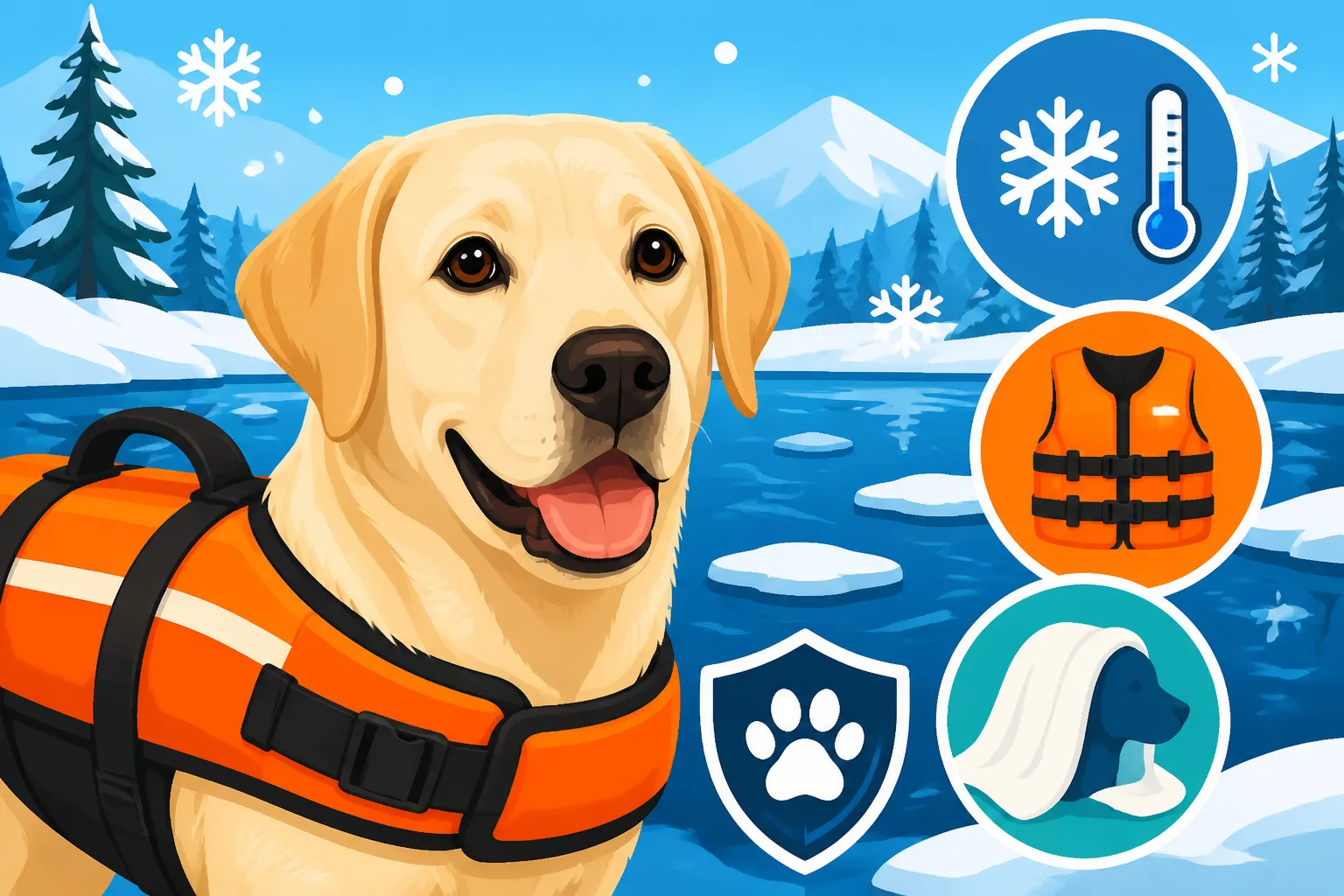
- Life Jackets (Personal Flotation Devices – PFDs): These are not just for weak swimmers! A well-fitting dog life jacket provides crucial buoyancy, helping your Lab stay afloat even if they become exhausted or disoriented in cold water. More importantly for cold water, many life jackets offer an extra layer of insulation, helping to slow down heat loss. Look for brightly colored options (like those from brands such as Outward Hound or Ruffwear) for high visibility, and ensure it has a sturdy handle on the back for easy retrieval from the water. Even for strong swimmers, a life jacket can make a huge difference in preventing fatigue, which is a big factor in cold water incidents. Consider how a quick accident could lead to an expensive emergency vet bill—proper gear, while an upfront cost, is an investment in their safety, which can also help keep your pet insurance premiums, like those from Healthy Paws, lower in the long run.
- Towels and Warm Blankets: Always keep several absorbent towels and perhaps a fleece blanket in your car, especially if you plan to be near water. Immediate and thorough drying after a cold swim is paramount for preventing hypothermia. The sooner you can get your Lab dry and wrapped up, the better.
- First Aid Kit: A basic dog first aid kit should always be on hand. It should include antiseptic wipes, bandages, medical tape, and perhaps some saline solution. Cold water activities can lead to cuts from ice or debris, so being able to clean and cover a wound quickly is important. For a comprehensive list of what to include, check out our guide on A First Aid Kit for a Labrador Retriever.
- Identification: Ensure your Labrador always wears a collar with up-to-date ID tags (including your phone number) and is microchipped. If they get swept away by a current, proper identification is their best chance of being returned to you.
Post-Swim Care and Emergency Response
Once your Labrador is out of the cold water, the critical period for preventing hypothermia begins.
Immediate Drying and Warming Up
Do not wait. As soon as your Labrador exits the water, immediately start toweling them off vigorously. Focus on their torso, head, and paws. If possible, have a warm, dry towel ready. Once mostly dry, wrap them in a blanket or second towel. Get them into a warm, sheltered environment as quickly as possible—your car with the heater on, or directly into your home. Avoid leaving them wet and exposed to cold air, even for a short time. This is especially true for their ears; neglecting them can contribute to conditions like How Often Labradors Get Otitis Externa. Our article on Drying a Labrador's Ears After the Lake provides more specific tips.
Checking for Injuries
Once they're warm and dry, take a moment to thoroughly check your Labrador for any injuries. Inspect their paw pads for cuts, cracks, or signs of frostbite. Check their ears for redness or discharge, and their body for any scrapes or bruises from underwater debris. Also, keep an eye out for signs of limber tail. If you notice any unusual limping, tenderness, or changes in their tail carriage, it's worth a call to your vet.
When to Seek Vet Care
If your Labrador exhibits any severe signs of hypothermia (such as persistent shivering, extreme lethargy, pale gums, shallow breathing, or collapse), or if they’ve been in icy water for more than a few minutes, seek emergency veterinary attention immediately. These situations are life-threatening and require professional intervention. Don't hesitate or try to warm them up too slowly at home; rapid, controlled warming is crucial, and that's best done under veterinary supervision.
Emergency vet bills can be substantial, often ranging from hundreds to thousands of dollars, depending on the severity of the situation and the treatments required. Having pet insurance, like a comprehensive plan from Healthy Paws, can provide immense peace of mind in these stressful situations, allowing you to focus on your dog's recovery without the added burden of overwhelming financial worry. Even a common issue like Labrador Bloat Risk and Deep Chests can become an urgent and costly emergency, so proactive planning and a good insurance policy are invaluable for any Labrador owner.
Training and Prevention Strategies
Beyond immediate safety measures, integrating certain training aspects and preventive habits into your routine can drastically reduce the risks associated with cold water for your Labrador.
Teaching Water Boundaries and Recall
Your Labrador's enthusiasm for water is undeniable, but it doesn't mean they should have free rein near every body of water, especially when conditions are questionable. Strong obedience training is your first line of defense.
- Reliable Recall: This is arguably the most crucial command for a water-loving dog. A rock-solid "come" or "here" command means you can call your Labrador away from the water's edge or out of dangerous currents when necessary. Start practicing recall in low-distraction environments and gradually introduce more tempting scenarios, always rewarding heavily. Remember, a Labrador's desire to retrieve can be overwhelming, so their recall needs to be stronger than their urge to chase a stick into freezing water. Our detailed guide on Labrador Recall and Working Off Leash offers excellent strategies for building this vital skill.
- "Leave It" and "Stay" Commands: Teaching your Labrador to ignore tempting distractions (like a floating stick) and to stay put at a distance from the water's edge can prevent them from entering hazardous areas. Practice these commands consistently and reward successful adherence, especially in high-distraction environments.
- Leash Discipline: When approaching unknown bodies of water or during cold weather, keeping your Labrador on a leash is simply the safest option. It eliminates the chance of them making an impulsive dash into dangerous conditions. A long line can offer a compromise, allowing some freedom while maintaining control.
Gradual Acclimation and Sensible Play
You don't have to eliminate water play entirely during cooler months, but it needs to be managed smartly.
- Avoid Sudden Plunges: Don't let your Labrador jump into cold water without prior acclimation. A sudden immersion can trigger the "cold shock response," leading to gasping and potential water inhalation.
- Short, Supervised Swims: If the water isn't dangerously cold (e.g., in the 50-60°F range) and the air temperature is mild, allow for very short, supervised swims. These should be brief dips, not extended play sessions. Watch for any signs of shivering or fatigue, and end the swim immediately if you notice them.
- Moderate Exercise: While Labradors need a lot of exercise, avoid prolonged, intense water retrieves in cold conditions. Exhaustion and cold are a dangerous combination, dramatically increasing the risk of hypothermia. Even a robust Labrador can get tired surprisingly quickly in cold water. Adjust exercise intensity and duration based on both air and water temperatures. This is especially important as your Labrador ages; an older dog might have a harder time regulating body temperature and recovering from exertion, which could impact their Median Labrador Lifespan in Veterinary Records.
- Know Your Dog's Limits: Every dog is an individual. Some Labradors might tolerate cold water better than others, but it's crucial not to push their limits. Factors like age, overall health, and body condition play a role. A lean Labrador might get colder faster than one with a bit more healthy insulation. This is another reason why maintaining a healthy weight for your Lab is so important, as discussed in Why Labradors Gain Weight So Easily.
By implementing these safety measures and being mindful of the conditions, you can still allow your Labrador to enjoy their natural love for water without putting their health and safety at undue risk.
Here’s a quick overview of water temperatures and precautions to consider:
| Water Temperature Range | Risk Level | Labrador Behavior & Precautions |
|---|---|---|
| Very Cold Water (< 45°F) | High | Avoid altogether. Even short contact is dangerous. Use extreme caution on banks near this water. |
| Cold Water (45-60°F) | Moderate | Very short, supervised dips only. Life jacket highly recommended for buoyancy and thermal layer. Immediate drying and warming post-swim are critical. |
| Cool Water (60-70°F) | Low-Moderate | Supervised swimming. Watch for shivering or fatigue. Still advise quick drying afterwards, especially if air is cool. |
| Warm Water (> 70°F) | Low | Generally safe for longer swims. Still supervise and watch for overheating (less common for Labs in water, but possible). |
Disclaimer
This article is for informational purposes only and is not a substitute for professional veterinary advice. Always consult with your veterinarian for any health concerns or before making any decisions about your Labrador's health or care.