What a Labrador Health Guarantee Should Cover
Bringing home a new Labrador puppy is an incredibly exciting time, full of dreams of adventures and cuddles. But amidst all that joy, there's often a quiet worry in the back of our minds: what if our new furry family member isn't healthy? It’s a completely normal concern, and a good health guarantee from a reputable breeder is designed to offer some peace of mind. This guide will meticulously break down what a comprehensive Labrador health guarantee should genuinely cover, helping you understand this vital document.
Understanding the Purpose of a Health Guarantee
When you're choosing a Labrador puppy, you're not just picking a cute face; you're investing emotionally and financially in a future companion. A health guarantee serves as a breeder's promise regarding the initial health and, crucially, the genetic soundness of your puppy. It's a testament to their breeding practices and their commitment to the welfare of the puppies they produce. Many first-time owners might see it as just another piece of paper, but understanding its true purpose can save a lot of heartache and expense down the road. It provides a structured pathway for recourse if specific, covered health issues arise, ensuring that you’re not left completely in the lurch.
What a Health Guarantee Isn't and Why That Matters
It’s crucial to understand what a health guarantee isn't. It's not a magical shield that prevents all future illnesses or accidents. For instance, if your Labrador decides to eat a rock or gets hit by a car, that's typically not covered by a breeder's health guarantee. These guarantees are specifically tailored to address issues that are present at the time of sale or those that develop later due to hereditary factors. They don't replace the need for vigilant, ongoing veterinary care, proper nutrition, or pet insurance. Many new owners, in their excitement, might overlook the specific language, assuming it covers everything. This misunderstanding can lead to significant disappointment if an unexpected, non-covered medical issue arises.
Furthermore, a health guarantee is not the same as pet insurance. While it offers some financial protection against specific breeder-related health problems, it won't cover general illnesses, injuries, or wellness visits. This is where a good pet insurance plan, perhaps from a provider like Healthy Paws, comes into play, offering a broader safety net for a wider range of unexpected health events throughout your Labrador's life. Think of the guarantee as addressing the breeder's responsibility for their product, while insurance addresses the owner's responsibility for ongoing care and unforeseen circumstances.
Why Reputable Breeders Offer Them
Ethical, responsible Labrador breeders pour their hearts, time, and significant resources into their breeding programs. They conduct extensive health clearances on parent dogs, carefully research pedigrees, and provide exceptional care to their puppies from birth. For these breeders, offering a health guarantee isn't just a formality; it's a reflection of their confidence in their breeding decisions and their dedication to the breed's health. They stand behind their dogs. It’s a way for them to show transparency and accountability, demonstrating that they're not just in it for the money, but for the betterment of the Labrador Retriever breed.
A strong health guarantee also builds trust with prospective puppy owners. It shows that the breeder cares about the long-term well-being of their puppies, even after they've left their home. They understand that unforeseen issues can sometimes arise, despite all precautions, and they are willing to take responsibility for them. If a breeder is hesitant or outright refuses to provide a written health guarantee, especially one that covers common genetic conditions in Labradors, it should be a significant red flag. This commitment to a guarantee is one of the hallmarks of a reputable Labrador breeder and sets them apart from backyard breeders or puppy mills. It's a clear signal that they prioritize health and ethics.
Key Elements of a Comprehensive Labrador Health Guarantee
A well-drafted health guarantee for a Labrador Retriever will specifically outline what conditions are covered, for how long, and what actions the breeder will take if a problem arises. Given the breed's predispositions, certain conditions should absolutely be included. This document isn't just about initial health; it's about safeguarding against the genetic lottery that sometimes even the best breeding practices can't entirely predict. You should scrutinize every clause to ensure it truly offers protection for the most common and costly issues associated with the breed.
Initial Health Check and Infectious Diseases
One of the first and most immediate aspects of any health guarantee should cover the initial health of your puppy upon arrival. This typically includes a clause requiring you to take your new Labrador puppy to a licensed veterinarian for a full check-up within a very specific timeframe, usually 48 to 72 hours. This initial vet visit is critical; it allows an impartial professional to assess the puppy's general health, check for parasites, and identify any immediate concerns. The guarantee usually states that if the vet finds any serious illness or infectious disease – such as parvovirus, distemper, or life-threatening internal parasites – within this initial period, the breeder will offer a replacement puppy or a refund.
It's important to understand the scope here. Minor issues like a common cold (kennel cough), mild intestinal worms, or minor umbilical hernias might be explicitly excluded or handled differently. The guarantee should clearly define what constitutes a "serious" illness. Pay close attention to the specific conditions mentioned and the procedure for notifying the breeder and submitting veterinary documentation. This initial phase is designed to confirm that you are receiving a puppy that is healthy enough to thrive in its new environment and doesn't carry any immediately apparent, severe illnesses from the breeder's premises. For more on ensuring your puppy starts strong, look into articles on topics like Labrador Puppy Health in the First Year.
Genetic and Congenital Conditions
This is perhaps the most critical part of a Labrador health guarantee, as it addresses the breed's known genetic predispositions. A strong guarantee will offer coverage for significant, debilitating genetic and congenital conditions that can severely impact a Labrador's quality of life and lead to expensive veterinary care. Key conditions to look for in the guarantee include:
- Hip and Elbow Dysplasia: These orthopedic conditions are regrettably common in Labradors. A good guarantee should cover severe forms of hip and elbow dysplasia, typically diagnosed by a certain age (often 24-26 months), and confirmed by accepted veterinary organizations like OFA (Orthopedic Foundation for Animals) or PennHIP. The guarantee should outline the required diagnostic process and who pays for it. For detailed information, you can read more about Labrador Hip and Elbow Dysplasia.
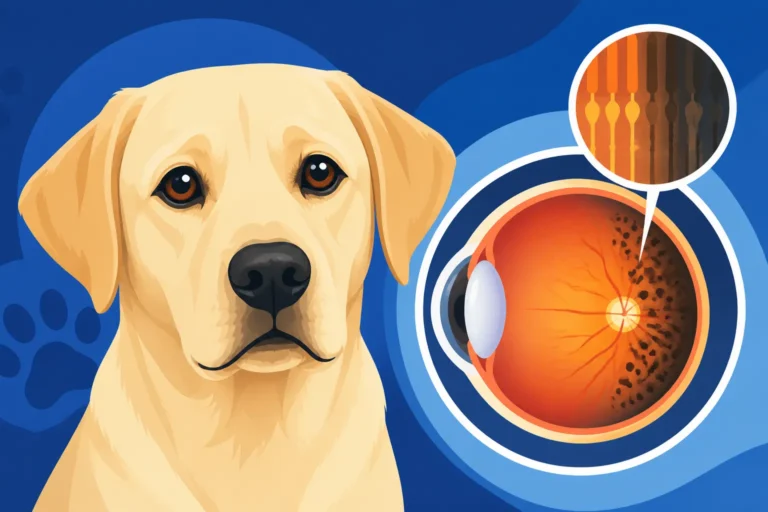
- Eye Conditions: Conditions such as Progressive Retinal Atrophy (PRA) or Retinal Dysplasia (RD) that can lead to blindness should also be covered if they are inherited. Reputable breeders perform regular eye certifications, and the guarantee should reflect a commitment to these clear lines. Learning about Labrador Eye Conditions and Vision Loss can help you understand these risks better.
- Heart Conditions: Severe, life-limiting congenital heart defects are sometimes covered.
- Other Hereditary Diseases: Depending on the lines, specific guarantees might include coverage for conditions like Exercise-Induced Collapse (EIC) or Centronuclear Myopathy (CNM). Given the availability of genetic testing, breeders should be transparent about these. You can find more information on specific conditions like Exercise-Induced Collapse in Labrador Retrievers and Centronuclear Myopathy in Labradors.
The coverage period for genetic conditions varies but often extends for one to three years, sometimes longer for specific conditions like severe hip dysplasia. The guarantee should specify the exact conditions covered, the diagnostic requirements, and the age by which a diagnosis must be made to qualify.
Conditions Excluded or Limited
Just as important as knowing what's covered is understanding what isn't. Health guarantees typically have specific exclusions or limitations. Common exclusions include:
- Accidental Injuries: As mentioned, if your Labrador suffers an injury due to an accident, the guarantee will not cover it. This is where a pet insurance plan like those offered by Healthy Paws can provide crucial financial assistance.
- Illnesses Due to Neglect or Improper Care: If your dog develops an illness or exacerbates a genetic condition due to lack of proper veterinary care, inadequate nutrition, or abusive treatment, the guarantee will likely be void.
- Obesity: Given that Why Labradors Gain Weight So Easily is a known challenge, obesity and its related health problems are almost always excluded from guarantees, as it's an owner-managed condition.
- Common Minor Ailments: Fleas, ticks, mild worms, or minor infections are usually not covered as they are part of routine pet ownership.
- "Normal" Breed Characteristics: Things like mild allergies (unless severe and genetically linked), or cosmetic issues that don't affect health, are typically excluded.
- Conditions Resulting from Early Spay/Neuter: Some breeders may include clauses regarding the timing of spay/neuter surgery, as early procedures have been linked to potential orthopedic issues in large breeds.
The guarantee should also clarify any limitations on remedies, such as a cap on reimbursement for vet costs or specific requirements for replacement puppies. Read these exclusions carefully to avoid surprises.
What to Look for in the Guarantee's Terms and Conditions
Beyond the list of covered ailments, the operational terms and conditions of a health guarantee are paramount. A guarantee is only as good as its enforceability and the clarity of its procedures. This section often contains the fine print that owners overlook, but it's where the rubber meets the road if a health issue arises. Without clear terms, you might find yourself in a dispute with no clear path forward.
Clarifying the Remedies and Recourse
This is where the rubber meets the road: what exactly will the breeder do if a covered condition is diagnosed? Common forms of recourse include:
- Replacement Puppy: Many guarantees offer a replacement puppy from a future litter. This often means you return the affected dog (sometimes with a requirement that you still pay for its care until it passes, or keep it, or surrender it back to the breeder) and wait for a new one. The guarantee should specify if the replacement is from a similar lineage, if it's of equal value, and who covers shipping costs, if any.
- Partial or Full Refund: Less common, but some guarantees may offer a partial or full refund of the purchase price. This might be contingent on returning the dog, or sometimes it's offered if you choose to keep the dog and manage its condition yourself.
- Reimbursement for Veterinary Costs: This is the rarest form of recourse and often comes with strict caps. A breeder might offer to contribute a certain amount towards diagnosis or treatment, usually not exceeding the original purchase price of the puppy.
The guarantee should explicitly detail the process for making a claim, including required veterinary documentation, second opinions, and timelines for communication. Understanding these options upfront helps manage expectations if you ever need to activate the guarantee. It’s also wise to consider that even with a replacement, the emotional bond with your existing dog remains, so this isn't always a straightforward solution for owners.
Buyer's Responsibilities and Obligations
A health guarantee is a two-way street. Breeders will almost certainly include clauses outlining your responsibilities as the puppy owner. Failing to adhere to these can void your guarantee, even if a covered condition arises. These commonly include:
- Timely Veterinary Care: You must provide regular veterinary check-ups, maintain vaccinations (including annual boosters for your adult dog), and administer parasite prevention as recommended by your vet. Proof of these visits and treatments is usually required.
- Proper Nutrition: Feeding a high-quality, appropriate diet is essential. Some breeders might even specify a certain type or brand of food (e.g., a large breed puppy food to support proper growth and joint development). Avoiding sudden growth spurts, particularly important for preventing conditions like How Fast Growth Damages a Labrador's Joints, is often implicitly or explicitly required.
- Limiting Strenuous Exercise in Puppies: Over-exercising a growing Labrador puppy can damage developing joints, exacerbating genetic predispositions to hip and elbow dysplasia. Many guarantees will explicitly state that puppies should not be involved in forced, high-impact exercise until their growth plates close, typically around 12-18 months of age.
- Spay/Neuter Timelines: As mentioned, some breeders may require you to delay spay/neuter until your Labrador is older to support hormonal development that contributes to joint health.
- Immediate Notification: If you suspect a covered health issue, you're usually required to notify the breeder immediately and provide all relevant veterinary records. Delaying this notification can sometimes void your claim.
Carefully review these obligations to ensure you can realistically meet them. They are designed to ensure the puppy receives the best possible care from day one, which is in everyone's best interest.
The Importance of a Written Contract
This might seem obvious, but it bears repeating: a health guarantee must be a formal, written contract. Verbal promises, no matter how earnest, are extremely difficult to enforce. A legally binding document protects both you and the breeder by clearly outlining expectations, responsibilities, and recourse.
The written contract should be signed and dated by both parties. It should include the full names and contact information of the buyer and seller, detailed information about the puppy (breed, date of birth, sex, microchip number, dam and sire registration numbers), the purchase price, and the specific terms of the health guarantee. This includes the conditions covered, the length of coverage, the exact remedies offered, the process for making a claim, and all buyer obligations and exclusions. Any ambiguities should be clarified and noted in writing before you sign the agreement and take your puppy home. This written clarity is your best defense against misunderstandings or disputes should any health issues arise with your beloved Labrador.
Beyond the Guarantee: What Else to Consider
While a health guarantee is a critical document, it's just one piece of the puzzle when ensuring your Labrador lives a long, healthy life. Proactive measures, thorough research, and a comprehensive approach to healthcare extend far beyond what any guarantee can cover. Thinking holistically about your Labrador's well-being means looking at everything from the breeder's practices to your own financial planning for potential veterinary expenses.
Breeder Transparency and Health Clearances
The very best health guarantee often comes from a breeder who has gone above and beyond to minimize the chances of health issues in the first place. This means full transparency regarding the health of their breeding dogs. Don't just rely on the guarantee as your sole protection; actively seek out breeders who are open about their practices. They should happily provide proof of Health Clearances a Labrador Breeder Must Show for the parent dogs.
This includes:
- Orthopedic Clearances: Certifications for hips and elbows (OFA or PennHIP) are paramount. Ask to see the actual certificates, and confirm they are valid and belong to the parent dogs. You can learn more about verifying these on sites like OFA and PennHIP Screening for Labradors.
- Eye Certifications: Annual eye exams by a board-certified veterinary ophthalmologist (CERF or OFA Eye Certification Registry) are crucial.
- Genetic Testing: With advancements in veterinary medicine, many genetic conditions prevalent in Labradors can be screened for. Breeders should test for conditions like EIC, CNM, PRA, and sometimes others relevant to their lines. Ask to see the results of these genetic panels for both parents. Understanding Genetic Panels Worth Running on a Labrador can help you know what to ask for.
- Open Communication: A transparent breeder will answer all your questions, allow you to visit their facility, and provide references. Their proactive approach to health is your first and best guarantee. For more tips on finding a good breeder, consider reading Finding a Reputable Labrador Breeder.
The Role of Pet Insurance
Even with the most comprehensive health guarantee and a transparent, responsible breeder, life happens. Labradors are energetic, curious, and sometimes prone to unexpected accidents or illnesses that have nothing to do with genetics or the breeder's responsibility. This is where pet insurance becomes an invaluable tool. A good pet insurance policy, like those offered by Healthy Paws, can cover a wide range of veterinary expenses that a breeder's guarantee simply cannot.
Consider this: a health guarantee might cover a genetic hip issue, but it won't cover a torn ACL from an enthusiastic game of fetch or an emergency surgery for gastric dilatation-volvulus (bloat), a serious condition that Labradors, with their deep chests, are at higher risk for (learn about Labrador Bloat Risk and Deep Chests). Pet insurance can step in for these unforeseen circumstances, covering accidents, unexpected illnesses, surgeries, medications, and sometimes even emergency care. While a health guarantee provides initial peace of mind regarding inherited conditions, pet insurance offers ongoing financial protection for the entire lifespan of your Labrador. It's truly a complementary service that offers a broader safety net. For a deeper dive into financial planning for your dog's health, check out Pet Insurance for a Labrador Retriever.
| Condition Type | Typical Guarantee Coverage | Pet Insurance Coverage |
|---|---|---|
| Initial Illness | Often 48-72 hours post-sale | Yes, after waiting period |
| Genetic Conditions | Specified conditions, 1-3 years | Yes, if not pre-existing |
| Accidents/Injuries | No | Yes |
| Unexpected Illnesses | No | Yes |
| Wellness Visits | No | Optional add-on |
| Obesity-Related Issues | No | No, typically excluded |
Disclaimer
The information provided in this guide is for general informational purposes only and does not constitute veterinary, legal, or financial advice. Always consult with a qualified veterinarian for any health concerns regarding your Labrador Retriever, and seek legal counsel for specific contract review. Pet insurance policies vary, and you should review policy details carefully.