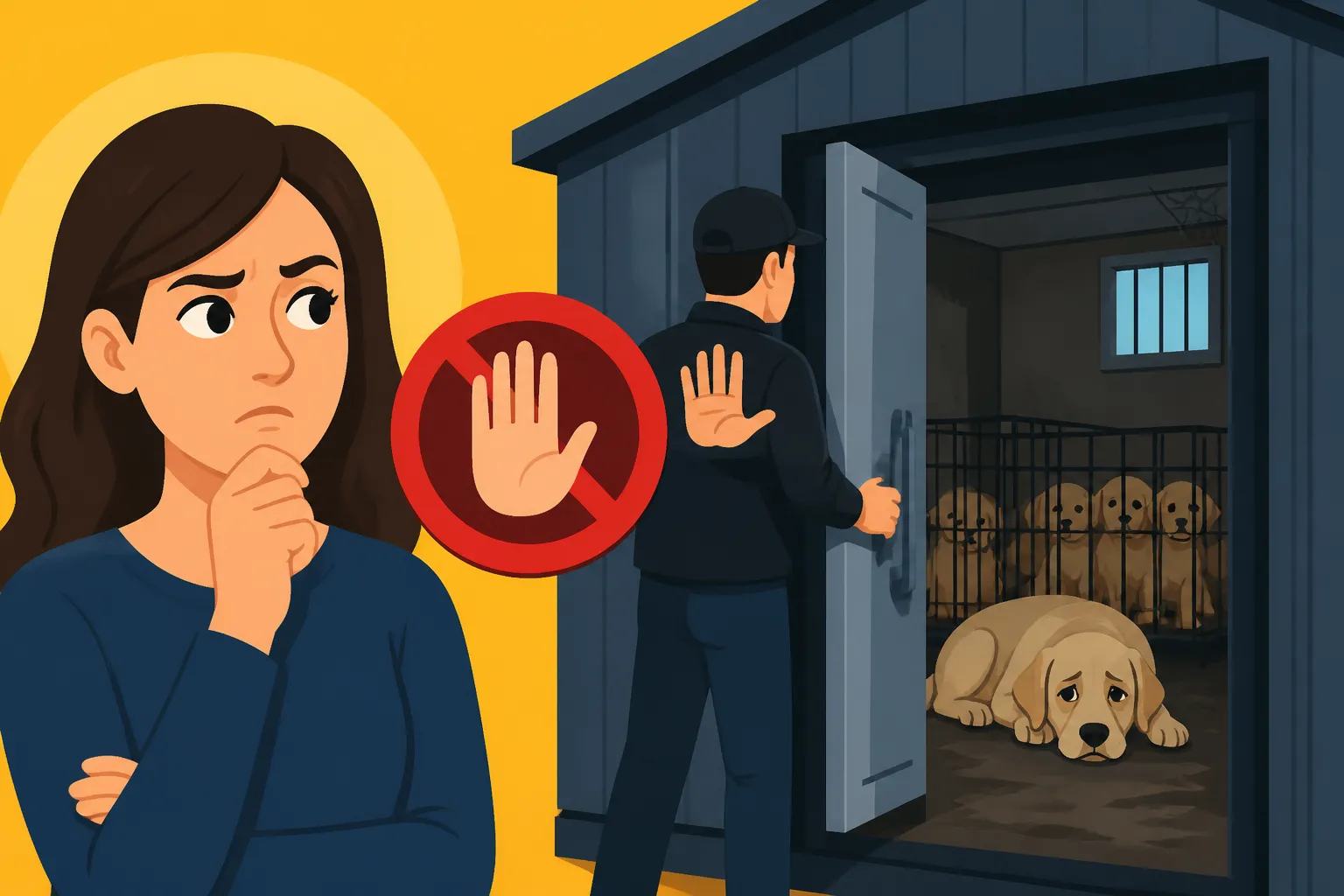
What a Breeder Who Will Not Let You Visit Hides
Oh, the excitement of bringing home a Labrador puppy! It’s a dream for so many of us, filled with visions of wagging tails and endless cuddles. But that dream can quickly turn into a nightmare when you encounter breeders who refuse to let you visit their facility or meet the puppy's parents. This frustrating experience leaves many prospective owners wondering if they're overthinking things or if there's a serious red flag waving right in front of them. This comprehensive guide will pull back the curtain on why some breeders shut their doors and reveal the potentially serious issues they might be trying to hide, helping you navigate this crucial step in finding your healthy, happy Labrador.
The Immediate Red Flag: Why No Visits Is a Huge Warning Sign
It’s easy to dismiss a breeder’s refusal to let you visit as simply being "too busy" or "protective" of their puppies. After all, everyone hears stories about puppy scams online. However, for a truly responsible Labrador breeder, inviting prospective owners to see their operation is a cornerstone of their integrity. When someone says no, it's often not about inconvenience; it's about control and concealment. This isn't just a minor inconvenience; it's a giant, flashing red light signaling that something is very wrong.
The Importance of Seeing the Parents and Environment
When you’re looking for a Labrador puppy, you're not just buying a cute face; you're investing in a future companion. And a huge part of that future depends on the puppy's genetics and early environment. A reputable breeder understands this and will be proud to show off where their puppies are raised. You should be able to meet the dam (mother) and, ideally, the sire (father) if he lives on-site. Observing the parents gives you invaluable insight into the temperament your puppy might inherit. Is the mother shy or outgoing? Calm or overly boisterous? Does she interact well with people? These are crucial indicators of the temperament your own puppy will likely develop.
Beyond the parents, the environment itself speaks volumes. Is it clean and safe? Are the puppies raised in a stimulating environment that allows for proper socialization, or are they confined to small, sterile cages? You want to see puppies being raised in a home-like setting, accustomed to household noises, and interacting positively with humans. This early exposure is vital for their development. If you can't see this, you have no way of knowing if the puppies are getting the foundational experiences they need to grow into well-adjusted adults. A lack of proper socialization early on can lead to serious behavioral issues down the line, often requiring significant time and expense to address, even if you decide to explore various Training a Labrador From Puppy to Adult options.
Health and Temperament Concerns in Unseen Settings
When a breeder doesn't allow visits, it severely limits your ability to assess the health of the puppies and the overall breeding program. What conditions are these puppies being born into? Are they in a cramped, unsanitary space where parasites and diseases spread rapidly? Puppy mills, notorious for their poor conditions, almost universally deny visitors because they have so much to hide. They often operate with minimal veterinary care, leading to puppies riddled with internal and external parasites, easily preventable infections, or even serious genetic health issues.
Imagine bringing home a puppy only to discover it has a severe case of giardia, kennel cough, or worse, a debilitating genetic condition like Labrador Hip and Elbow Dysplasia. While a comprehensive health guarantee from the breeder can offer some peace of mind, it’s far better to prevent these issues by choosing a transparent breeder from the start. These kinds of hidden health problems can quickly lead to sky-high vet bills and heartache. Even with pet insurance from providers like Healthy Paws, you'd still face deductibles, co-pays, and potential waiting periods before coverage kicks in, not to mention the emotional toll of dealing with a sick puppy. Beyond physical health, the temperament is equally at risk. Puppies raised in isolation or fear can develop severe anxiety, fear-aggression, or shyness, making it incredibly challenging to integrate them into a family home and to conduct proper Socializing a Labrador Puppy.
Lack of Transparency and Accountability
Transparency is key in responsible breeding. A breeder who denies visits is essentially operating without accountability. You can’t verify their claims about their dogs' living conditions, the health of the parents, or the care provided to the puppies. This lack of transparency can extend to other vital areas, such as proper Health Clearances a Labrador Breeder Must Show. Reputable breeders invest heavily in genetic testing and certifications (like OFA and PennHIP screenings) to ensure they are not passing on inheritable diseases. If they won't let you see their facility, what else are they being opaque about? Are they cutting corners on veterinary care, nutrition, or even the initial genetic testing?
A breeder who is genuinely passionate about the Labrador breed and committed to producing healthy, well-adjusted puppies will welcome scrutiny. They’ll understand that prospective owners need to feel confident in their choice and will see your questions and desire for a visit as a sign of your commitment to providing a good home. Their willingness to be open directly correlates with their confidence in their own practices. When they're hiding something, it's usually because it's detrimental to the puppies' welfare or the breed's integrity.
Common Excuses and Their Underlying Truths
You've probably heard a myriad of excuses from breeders who don't want you on their property. Some sound legitimate on the surface, designed to make you feel like you're being overly cautious or unreasonable. However, a deeper look often reveals a different story, one that usually prioritizes convenience or profit over the well-being of the puppies.
"Protecting Young Puppies from Disease" – A Valid Concern, But Easily Managed
One of the most common excuses you’ll hear is that they're protecting young puppies from infectious diseases, especially parvovirus, which can be devastating to unvaccinated pups. This is a genuinely valid concern, and any responsible breeder should be diligent about biosecurity. However, there's a huge difference between being cautious and outright refusing all visits.
A reputable breeder will have protocols in place. They might ask you to sanitize your hands and shoes, remove outdoor coats, or even wear disposable coverings. They might limit interaction with very young, unvaccinated puppies, perhaps allowing you to see them from a distance or meet the dam in a separate area before the puppies are old enough for their first vaccinations. They might schedule visits for when the puppies are slightly older, say 6-7 weeks, after their first round of shots. Some breeders might also designate a specific, clean area away from the main puppy-rearing space for initial meetings with the adult dogs. The key here is managed access, not a blanket refusal. If they claim biosecurity as an excuse, but offer no alternatives or solutions to allow you to see anything, it's a strong indicator they're using a legitimate concern to mask underlying problems like unsanitary conditions or an overwhelming number of dogs.
"Busy Schedule" or "Remote Location" – When Convenience Becomes Suspicion
Another frequently used excuse is a "busy schedule" or living in a "remote location" that makes visits inconvenient. We all lead busy lives, and responsible breeders are often dedicated individuals who juggle their dogs with jobs, families, and other commitments. However, making time for prospective puppy buyers is part of the job of a good breeder. They understand that selecting a puppy is a significant decision and requires effort from both sides. They should be willing to dedicate specific times for visits, even if it means scheduling them weeks in advance. If a breeder is too busy to show you their operation, one might question if they have enough time to properly care for and socialize multiple litters of puppies.
Similarly, while a remote location might mean a longer drive for you, it doesn't preclude visits entirely. Many excellent breeders live in more rural areas where they have space for their dogs. But distance isn't an excuse for absolute refusal. They should still be open to scheduling visits for serious buyers. If they claim remoteness as a barrier, but then offer to meet you halfway in a parking lot with a puppy, that’s an immediate deal-breaker. A puppy should never be purchased from the back of a van or in any neutral public location, as this is a common tactic used by unscrupulous sellers and puppy mills to hide their operations.
Avoiding Problematic Living Conditions
The stark truth behind many no-visit policies is simply that the breeder has something to hide about their living conditions. This could range from merely messy and unkempt to outright neglectful and abusive. You might find a breeder with too many dogs for the space they have, leading to overcrowding and poor hygiene. Imagine a dozen or more barking Labradors crammed into small runs, with no access to proper exercise or mental stimulation. These are the kinds of conditions that foster disease, stress, and behavioral issues in dogs.
Or, it could be a complete lack of dedicated facilities, with puppies being raised in sheds, garages, or basements without proper temperature control, lighting, or socialization. Such environments are detrimental to a puppy's physical and psychological development. They might not be getting enough human interaction, exposure to different sounds and textures, or the basic care needed for a healthy start in life. A breeder who isn't proud enough of their facilities to open their doors to you is a breeder you should immediately cross off your list. The well-being of the puppies is paramount, and without seeing where they come from, you're taking a blind leap of faith with potentially devastating consequences.
What a Reputable Labrador Breeder Does Offer
It's easy to get discouraged when encountering bad breeders, but rest assured, there are many ethical, responsible Labrador breeders out there who prioritize the health and temperament of their dogs above all else. Knowing what to look for in a good breeder can save you a lot of heartache and ensure you bring home a truly wonderful companion.
Openness and Invites for Prospective Owners
A reputable Labrador breeder will not only allow visits but will often encourage them. They want to meet you, get a sense of the home you can provide, and answer all your questions face-to-face. This interaction is a two-way street: you assess them, and they assess you. They understand that a good match between puppy and family is crucial for both the dog's future and your happiness. They will usually invite you to their home or a dedicated facility where the puppies are raised, allowing you to see the mother in her natural environment and observe how she interacts with her puppies. This firsthand experience is invaluable.
During your visit, you'll get to see the cleanliness of the facilities, the quality of care the dogs receive, and the overall temperament of the adult dogs. You'll observe if the puppies are clean, well-fed, playful, and engaging. A good breeder will typically have a well-organized schedule for Labrador puppy vaccination and parasite schedule and be able to discuss their approach to early neurological stimulation and socialization. They often have an established relationship with a veterinarian who can vouch for their practices. This open-door policy demonstrates confidence in their breeding program and a genuine commitment to their puppies' welfare.
Comprehensive Health Clearances and Pedigrees
Beyond showing you their dogs and facilities, responsible breeders are meticulous about documenting the health and lineage of their breeding stock. They won't just tell you their dogs are healthy; they'll show you the proof. This includes a complete set of Health Clearances a Labrador Breeder Must Show, especially for common Labrador issues like hip and elbow dysplasia, eye conditions, and certain genetic diseases like EIC (Exercise-Induced Collapse) or PRA (Progressive Retinal Atrophy). They should provide you with copies of OFA and PennHIP Screening for Labradors certificates, eye certifications from a veterinary ophthalmologist, and results from Genetic Panels Worth Running on a Labrador.
Furthermore, they will gladly share the pedigree of their puppies, which traces their ancestry back several generations. A pedigree isn't just a piece of paper; it’s a history of the dog’s lineage, often including titles for conformation, obedience, or field work, indicating that the ancestors were not just pets, but dogs proven in their abilities and structure. This documentation is vital because it helps predict the potential health and temperament of your future puppy. It’s an investment in the long-term well-being of your Labrador. If a breeder hesitates to provide these documents or gives vague answers, it's a huge cause for concern.
Ongoing Support and Communication
A truly dedicated breeder's relationship with you doesn't end when you take your puppy home. They see themselves as a lifelong resource. They'll want to stay in touch, answer your questions as your puppy grows, and celebrate your Labrador's milestones. This ongoing support is incredibly valuable, especially for first-time Labrador owners who might have questions about training, feeding, or health issues. They should be able to offer advice on things like Labrador Puppy Feeding Amounts and Schedule or how to deal with common puppy behaviors like Labrador Puppy Mouthing and How to Redirect It.
They will often have a clear What a Labrador Health Guarantee Should Cover in their contract, outlining their responsibilities if a genetic health issue arises, and they will want to know if one of their puppies develops an unexpected problem so they can learn from it and improve their breeding program. This level of commitment and communication indicates a deep care for their dogs and the families they go to, extending far beyond the initial transaction. This kind of breeder is a partner in your Labrador journey, not just a seller.
Actionable Steps When a Breeder Refuses a Visit
So, you’ve contacted a breeder, and they've given you the no-visit excuse. What should you do? It can be disheartening, but understanding your options and standing firm on your boundaries is crucial. Don't compromise on what you know is right for finding a healthy, well-adjusted Labrador.
Asking for Alternatives and Detailed Information
If a breeder outright refuses a visit, don't just accept it and move on immediately. Politely ask for alternatives. For example, inquire if they offer video calls where you can see the puppies and their environment in real-time. Ask if they can provide extensive, recent videos and photos of the dam, the puppies, and their living quarters. Ask for veterinarian references – a good breeder will have a vet who can attest to their practices and the health of their dogs. You should also be asking many Questions to Ask a Labrador Breeder to gather as much information as possible, such as what kind of stimulation the puppies receive, their daily routine, and what steps they take for early socialization.
A truly responsible breeder, even if genuinely unable to accommodate an in-person visit due to extraordinary circumstances (which should be rare and well-explained), will go to great lengths to provide transparency through other means. They might have an active social media presence showing their dogs and facilities, or even a website with virtual tours. They should be able to provide clear documentation of health clearances and pedigrees without hesitation. If they offer vague responses, seem annoyed by your questions, or simply state "no visits, period," then you have your answer.
Trusting Your Gut and Walking Away
Ultimately, if a breeder is unwilling to be transparent and provide satisfactory answers or alternatives to an in-person visit, you need to trust your gut feeling and be prepared to walk away. This can be hard, especially if you've fallen in love with a puppy's picture or been on a long waiting list. But remember, the initial charm of a puppy can quickly fade if you're faced with chronic health problems, significant behavioral challenges, or the realization that you inadvertently supported an unethical operation.
The emotional and financial toll of a puppy from a questionable source can be immense. Puppies from these situations are often far more expensive in the long run, even if their initial "sticker price" seems lower. You might spend thousands on vet bills, behavioral training, and simply trying to give a traumatized dog a normal life. Don't let the desire for a puppy override your critical judgment. There are other ethical breeders out there who will be happy to welcome you. Your patience and diligence now will pay off tenfold in the years to come with a healthy, happy, well-adjusted Labrador.
Exploring Reputable Alternatives
If you find yourself continually hitting roadblocks with breeders who refuse visits, it's time to broaden your search. Start by looking for breeders who are members of recognized national and local Labrador Retriever clubs, such as the Labrador Retriever Club, Inc. (AKC parent club). These clubs often have strict codes of ethics that members must adhere to, which typically include transparency and health testing. These breeders are usually dedicated to the breed standard and the health of their lines.
You might also consider adopting from a breed-specific rescue organization. Many wonderful Labradors, both puppies and adults, end up in rescue through no fault of their own. Rescues like Labrador Retriever Rescue of the Potomac or Lucky Lab Rescue & Adoption are committed to rehabilitating and rehoming Labradors, and they often have a thorough screening process for potential adopters, ensuring a good match. While you might not get to meet the "parents," rescue organizations often provide extensive information on the dog's known history, temperament assessments, and full veterinary care, including spaying/neutering, vaccinations, and microchipping. Plus, giving a loving home to a dog in need is an incredibly rewarding experience. When considering supplies for your new family member, whether from a breeder or rescue, online retailers like Chewy offer a vast selection of food, toys, and accessories. And for those interested in premium, fresh diet options, brands like Ollie deliver tailored meal plans right to your door, ensuring your Labrador gets a nutritious start.
| Red Flag (No Visit) Scenario | Potential Hidden Truths | Green Flag (Openness) Scenario | What It Indicates |
|---|---|---|---|
| "No visitors until puppies are picked up." | Unsanitary conditions, sick puppies, overwhelmed breeder | Scheduled visits from 6-8 weeks, controlled access | Emphasis on biosecurity, healthy environment, good socialization |
| "I'll meet you in a parking lot/neutral location." | Puppy mill, broker, or seller hiding their breeding location | Welcomes you to their home or dedicated facility | Proud of their operation, transparent practices |
| "I'm too busy for visits." | Prioritizes profit over puppy welfare, insufficient socialization | Flexible scheduling of specific visit times | Committed to matching puppies with suitable homes, good care |
| "My dogs are healthy, you don't need papers." | Skipping crucial health clearances (hips, elbows, eyes, genetics) | Provides copies of all health certifications and pedigrees | Ethical breeding, commitment to health of the breed |
| Vague answers to questions about puppy care or parentage. | Lack of knowledge, hiding poor practices, or irresponsible breeding | Detailed answers about routines, socialization, and lineage | Experienced, knowledgeable, invested in puppy development |
| Pushy sales tactics, wants money quickly. | High volume, quick turnover, not screening buyers | Thorough screening process for potential buyers, waitlists | Cares about finding the right home, responsible placement |
Disclaimer
The information provided in this article is for general informational purposes only and does not constitute veterinary or professional advice. Always consult with a qualified veterinarian or animal behaviorist for any health or behavioral concerns regarding your Labrador Retriever.