Channeling a Labrador’s Retrieving Drive
One of the most endearing — and sometimes challenging — aspects of living with a Labrador Retriever is their insatiable retrieving drive. It's the reason your shoes often end up on your bed, your mail becomes a 'gift' delivered to your lap, and every stick in the park is seen as a personal treasure. This powerful instinct can lead to frustration if not properly managed, but with understanding and a little guidance, it can become an incredible bond-building tool and a source of immense joy for both you and your furry companion. This comprehensive guide will help you understand, channel, and celebrate your Labrador's natural love for retrieving, turning potential mischief into magnificent partnership.
Understanding the Labrador's Innate Retrieving Drive
Anyone who has spent more than a few minutes with a Labrador quickly learns about their profound love for retrieving. It's not just a cute quirk; it's a deeply embedded instinct, a testament to centuries of selective breeding that shaped this remarkable breed. To truly channel this drive, we first need to appreciate its origins and understand what makes it tick.
A History of Purpose
Imagine rugged coastlines, icy waters, and hearty fishermen battling the elements. That's the backdrop against which the Labrador Retriever's ancestors, the St. John's Water Dogs, began their work. These dogs weren't just companions; they were indispensable partners, diving into frigid waters to retrieve nets, ropes, and most importantly, fish that had escaped the lines. They were bred for endurance, for their love of water, and for their ability to bring things back to their human handlers without damaging them. This heritage is still pulsing strongly in every Labrador today.
When British nobles and sportsmen discovered these incredible dogs in the 19th century, they saw their potential for a different kind of retrieval: game birds during hunting expeditions. They meticulously bred the dogs, enhancing their natural retrieving abilities and refining their temperament to create the Labrador Retriever we know and love. This history means that fetching isn't just a game for your Labrador; it's a reenactment of their ancestral duties, a deeply satisfying fulfillment of their very being. Understanding this deep-seated need helps us approach their antics with more empathy and strategic planning. You can read more about Where the Labrador Retriever Came From and What Labradors Were Bred to Do to truly grasp their working past.
The Soft Mouth and Instinct to Carry
Perhaps one of the most remarkable traits of the Labrador, directly tied to their retrieving drive, is their "soft mouth." This isn't just a poetic term; it refers to their ability to carry objects, including delicate game birds, without biting down hard enough to cause damage. This was crucial for hunters who needed their retrieved birds to be intact. In a pet home, this soft mouth translates into a dog who often loves to carry things, sometimes just for the sake of holding them.
You might notice your Labrador gently carrying their favorite toy, a soft blanket, or even a leaf they found on a walk, simply because the act of holding something in their mouth is inherently satisfying. It's not always about chewing; often, it's about the feeling of carrying, akin to their ancestors bringing back a prized catch. This instinct is why they might bring you a slipper or the remote control – it's their way of offering you something, sharing their "prize," or inviting you to engage in their favorite activity. It's a sweet gesture, even if the item isn't always convenient. Learning about Why Labradors Have Soft Mouths can offer even more insight into this unique trait.
More Than Just Fetch: The Drive to Work
While "fetch" is the quintessential Labrador game, their retrieving drive is actually much more profound than simple back-and-forth play. It's a deep-seated desire to work with a purpose, to perform a task for their human partner, and to feel useful. This isn't just about physical exertion; it's about mental engagement, problem-solving, and collaboration. A Labrador who is truly engaged in retrieving isn't just running; they are tracking, scenting, planning their route, and delivering.
This innate drive for purpose is why Labradors excel in so many working roles today, from search and rescue to assistance work, and of course, traditional gundog activities. When their retrieving drive is adequately channeled, it provides them with a profound sense of satisfaction and tires them out in a way that aimless running simply cannot. Without constructive outlets, this powerful energy can easily turn into frustration, boredom, and ultimately, unwanted behaviors. It's a reminder that beneath that goofy, lovable exterior is a highly intelligent and capable working dog.
Recognizing and Managing Unwanted Retrieving Behaviors
While the retrieving drive is wonderful, it doesn't always manifest in perfectly acceptable ways within a modern household. Many Labrador owners find themselves dealing with common, yet frustrating, behaviors that stem directly from this powerful instinct. Recognizing these behaviors for what they are – a misdirected drive – is the first step toward managing them effectively.
The "Everything Is a Toy" Phenomenon
Ah, the daily scavenger hunt for your missing items! If you live with a Labrador, you've likely experienced the sudden realization that your favorite shoe, the television remote, your child's plush toy, or even your mail has mysteriously vanished, only to be found gently placed on your dog's bed or proudly presented to you. For a Labrador, many household objects are seen as potential "retrieves." They aren't trying to be naughty; they're simply fulfilling their instinct to carry and bring things.
This behavior is often a bid for attention or an invitation to play. Your Labrador picks up an interesting item, brings it to you, and in their mind, they're initiating a game. If you react strongly – chasing them, shouting, or trying to snatch the item away – you inadvertently reinforce the behavior by making it a fun, engaging game for them. Instead, the key is to manage their access to tempting items and consistently redirect their attention to appropriate toys. Ensuring their environment is "Labrador-proofed" by putting valuables out of reach is paramount, especially when you can't supervise them directly.
Counter Surfing and Object Theft
Another common manifestation of the retrieving drive, especially when combined with their impressive food motivation, is counter surfing and general object theft. Your Labrador's powerful nose leads them to interesting smells, and their instinct to retrieve means they won't hesitate to "help themselves" to anything within reach, whether it's a freshly baked cookie cooling on the counter, a child's toy left on a coffee table, or even a sock dropped on the floor.
The issue here isn't just the loss of your items, but the potential danger to your dog. Many human foods are toxic to dogs, and small objects can become choking hazards or cause intestinal blockages, leading to costly emergency vet visits. This behavior is incredibly self-reinforcing – every successful retrieve (even if it's just a crumpled napkin) is a reward in itself. Addressing this requires a combination of strict management (nothing on counters, secure trash cans), consistent "leave it" training, and ensuring their retrieving needs are met with appropriate activities. For more on this, check out Labrador Counter Surfing and Food Theft.
Chewing and Destruction of Possessions
While distinct from pure retrieving, chewing often goes hand-in-hand with an unchanneled retrieving drive and a Labrador's natural oral fixation. A bored Labrador, or one whose need to carry and mouth objects isn't met, will find their own outlets. And often, these outlets are your furniture, shoes, or anything else they can get their jaws on. The act of chewing is stress-relieving and satisfying for dogs, especially for a breed like the Labrador with such a strong mouth-feel instinct.
When a Labrador has a powerful retrieving drive but no appropriate tasks or toys to engage it, that energy and oral focus can quickly turn destructive. They might pick up an item and then, out of boredom or frustration, begin to chew it to pieces. This is particularly prevalent during puppyhood and adolescence, when their energy levels are sky-high and their impulse control is still developing. Providing a wide variety of durable, interesting chew toys and puzzle toys is critical to prevent your belongings from becoming casualties. Understanding Labrador Chewing Through Adolescence can help you navigate this challenging phase.
Foundation Skills for Productive Retrieving
Before your Labrador can become the world's greatest retriever of acceptable items, they need to master some fundamental commands. These aren't just about manners; they're crucial for safety and for building a clear line of communication between you and your dog, turning their raw drive into a cooperative, joyful activity.
Building a Solid "Drop It" and "Leave It"
These two commands are the cornerstones of managing a Labrador's retrieving drive and are arguably among the most important behaviors you can teach. "Drop It" tells your dog to release whatever is in their mouth, while "Leave It" instructs them to ignore something altogether. Without these, every retrieve could turn into a frustrating game of chase, or worse, a dangerous situation if they pick up something harmful.
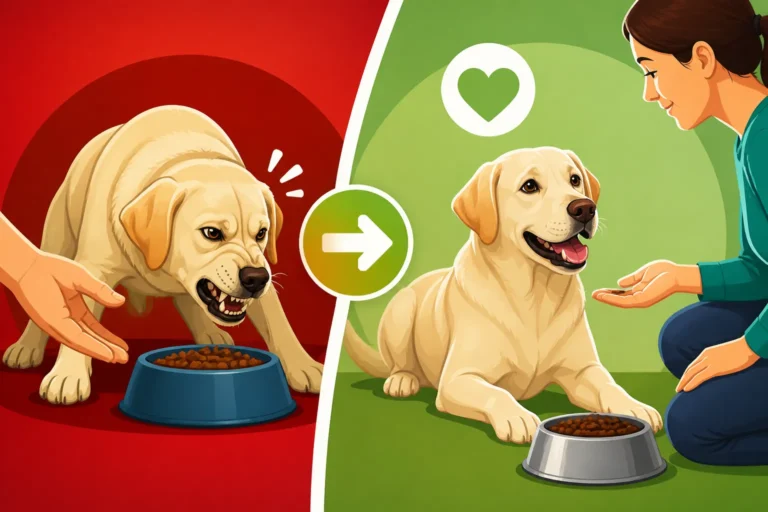
To teach "Drop It," start with something your dog likes but isn't obsessed with. Offer a higher-value treat right at their nose as they hold the item. The moment they open their mouth to take the treat, say "Drop It" and immediately give them the treat. Pick up the original item. Repeat many times, gradually extending the time they hold the item before you ask for the drop. The key is making the act of dropping incredibly rewarding. For "Leave It," place a low-value treat on the floor and cover it with your hand. When your dog tries to get it, keep your hand covered. The moment they look away from your hand, say "Yes!" or click, and give them a much better treat from your other hand, away from the original treat. Gradually uncover the treat, then place it on the floor without your hand, always rewarding for looking away. Practice these commands frequently, in various environments, until they are rock-solid. You can find detailed steps in Teaching a Labrador to Drop It Reliably.
Encouraging Appropriate Objects and Discouraging Inappropriate Ones
Once your Labrador understands "Drop It" and "Leave It," you can start to guide them toward retrieving only the items you want them to. This process is about setting clear boundaries and making the "right" choice much more rewarding than the "wrong" one. It requires consistency and a bit of foresight.
Begin by having a variety of designated dog toys readily available in accessible locations. When your Labrador picks up an appropriate toy, praise them lavishly, engage in a short game of fetch or tug, and offer a small treat. Make a big deal out of it! If they pick up an inappropriate item (like a shoe), calmly give your "Drop It" command, exchange the item for a toy, and then immediately reward them for engaging with the toy. Avoid scolding or chasing them for taking the wrong item, as this can inadvertently turn it into a fun game. For items you absolutely don't want them to touch, management is key: put them away and out of reach. Over time, your Labrador will learn that retrieving their toys brings positive interactions and rewards, while other items do not.
The Art of the Controlled Retrieve
Beyond simply fetching and dropping, the controlled retrieve introduces a level of precision and partnership that Labradors truly thrive on. This involves teaching commands like "Hold" and "Give," allowing your dog to carry an item for a specific duration and then release it on command, often directly into your hand. This is particularly useful if you have aspirations for formal gundog training or simply want a well-mannered retriever.
Start with a lightweight, easily held retrieve dummy or toy. Place it in your dog's mouth, gently closing your hands over their muzzle if needed to encourage them to hold it, and say "Hold." After a second or two, say "Give," and immediately offer a high-value treat as they release the item. Gradually increase the duration they hold the item, and then begin to introduce movement, asking them to hold it while walking a few steps. The goal is for them to understand they are holding the item for you, and that releasing it to you is the most rewarding action. Patience is paramount here, as this requires a significant amount of impulse control for a dog whose instinct is to run and drop. It transforms the retrieve from a chaotic free-for-all into a choreographed dance.
Fun and Engaging Retrieving Games for Pet Labradors
Once the foundation skills are in place, you can unleash the full potential of your Labrador's retrieving drive through a variety of games. These aren't just about exercise; they're about mental stimulation, strengthening your bond, and fulfilling their innate desire to work. Remember, a tired Labrador is usually a well-behaved Labrador!
Classic Fetch with a Twist
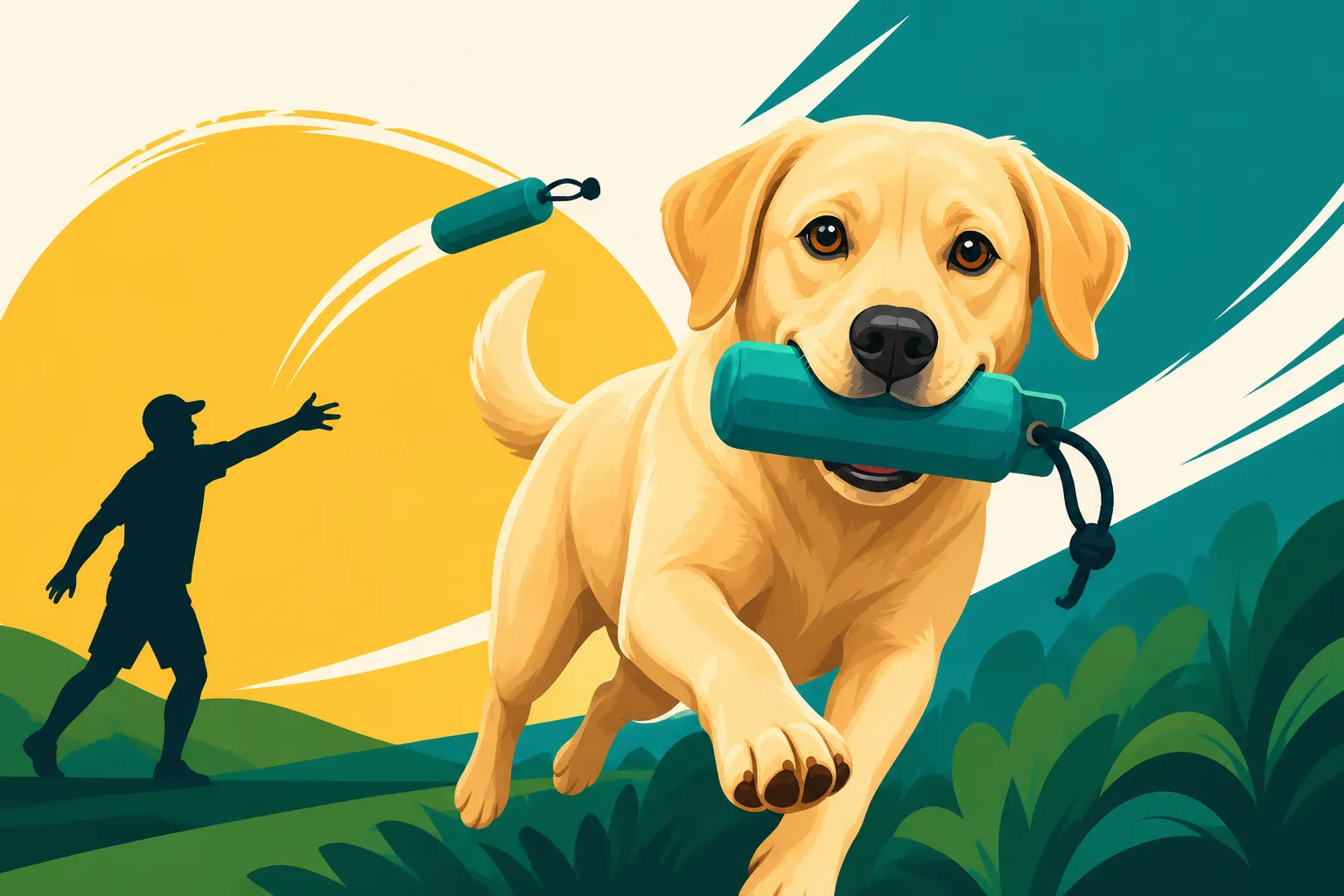
Fetch is the undisputed king of Labrador games, but it doesn't have to be just throwing a ball in the backyard. You can elevate classic fetch to make it more engaging and challenging, tapping deeper into their instincts. Vary the location: play in a large park, a wooded area, or even a safe, enclosed beach where they can run freely. Changing the environment keeps them mentally stimulated and helps generalize their retrieving skills.
Introduce different types of retrieve toys. While tennis balls are popular, try soft canvas dummies, rubber bumpers, or even floating toys if you're near water. Each material and shape offers a different tactile experience and challenge. You can also add complexity by throwing the retrieve into light cover, making them use their nose to find it. Or, try multiple retrieves: throw two or three dummies, allowing them to retrieve one at a time, building their memory and steadiness. Remember, it's not about endless repetition, but about quality engagement. While it might seem like How Much Fetch a Labrador Actually Needs is endless, variety is key to avoiding over-exertion and boredom.
Scent Work and Hide-and-Seek
Labradors possess an incredible sense of smell, and incorporating scent work into retrieving games can be incredibly enriching. It taps into another powerful natural instinct and provides fantastic mental stimulation that can tire them out more effectively than purely physical exercise. Hide-and-seek with their favorite retrieve toy is a wonderful place to start.
Begin by having your Labrador "sit-stay" (or have someone hold them) in one room while you "hide" their favorite toy in another, making it easy to find initially. Then, release them with an enthusiastic "Find it!" When they successfully retrieve the toy, praise them lavishly and reward them with a treat or a quick game of tug. Gradually increase the difficulty by hiding the toy in more challenging spots, under blankets, behind furniture, or even outside in taller grass. You can also introduce specific scents using essential oils on cotton swabs (be sure they are dog-safe and diluted) for more advanced "nose work" games. These activities build their confidence, problem-solving skills, and strengthen their focus on you. Scent Work for a Labrador Indoors offers more ideas for rainy days!
Water Retrieving (If Applicable)
For many Labradors, water isn't just a place to swim; it's an extension of their retrieving playground. Their webbed feet, otter tails, and water-resistant coats make them natural aquatics. If you have access to safe bodies of water – a clean lake, a quiet river, or even a dog-friendly pool – water retrieving can be an unparalleled way to channel their drive and provide excellent, low-impact exercise.
Always prioritize safety. Ensure the water is clean and free of strong currents, dangerous wildlife, or sharp objects. Start in shallow water where your Labrador feels comfortable. Throw floating toys (brightly colored ones are best) a short distance, gradually increasing the throw length as they gain confidence. Never force a dog into the water; make it a positive, rewarding experience. Always supervise closely and be mindful of water temperature and how long they've been swimming. Water retrieving is not only physically demanding but also mentally stimulating as they navigate the water and focus on their retrieve. After any water play, remember to thoroughly dry their ears to prevent infections. Water Retrieves for a Labrador in Summer has more tips for staying safe and having fun.
Structured Training and Advanced Retrieving Activities
For those looking to delve deeper into their Labrador's retrieving capabilities, structured training offers incredible opportunities. These activities move beyond casual games, providing specific goals, techniques, and often, a community of like-minded enthusiasts.
Introduction to Dummy Training
Dummy training is the formalized approach to retrieving, often serving as a gateway to gundog work or advanced obedience. It teaches your Labrador precision, control, and steadiness, transforming their raw enthusiasm into a disciplined art. You'll typically use specialized training dummies or bumpers, which are designed to mimic the weight and feel of game birds without harming animals.
Start with basic "marked retrieves," where your dog sees you throw the dummy. This builds their focus and desire. Gradually introduce "blind retrieves," where the dummy is hidden before your dog is sent, requiring them to use their nose and follow your hand signals. Steadiness, meaning the dog waits patiently until commanded to retrieve, is a key component, preventing them from breaking early. Some trainers use a controversial method called "force fetch" to ensure a reliable retrieve and delivery to hand, but this should only be undertaken with experienced professional guidance if you choose this path. Many online training platforms, such as BAXTER & Bella, offer comprehensive modules for teaching these skills at home, breaking down complex tasks into manageable steps for both you and your Labrador.
Exploring Canine Sports: Obedience and Field Work
If you find yourself and your Labrador loving dummy training, you might consider competitive canine sports. These arenas provide formal challenges that perfectly channel the Labrador's retrieving drive, intelligence, and desire to please. Obedience competitions test a dog's ability to perform a set of commands with precision and enthusiasm, often including retrieving articles. This structured environment further refines their focus and impulse control.
For the true retrieving enthusiast, field work, including hunt tests and field trials, is the ultimate expression of the Labrador's purpose. These events simulate hunting scenarios, requiring dogs to perform complex retrieves on land and water, demonstrating marking ability, scenting skills, and unwavering steadiness. They are incredibly demanding but immensely rewarding, pushing both dog and handler to their limits and celebrating the Labrador's natural gifts. Joining a local Labrador club or gundog training group can provide invaluable mentorship and a supportive community. Be aware that these activities can be a significant time and financial commitment; you can learn more about this in Gundog Training Costs for a Field Labrador.
Service and Detection Work Fundamentals
Beyond sports, the Labrador's incredible retrieving drive, coupled with their biddable nature, keen intelligence, and powerful nose, makes them exceptional candidates for various service and detection roles. From guide dogs for the blind to assistance dogs for individuals with disabilities, and scent detection dogs for law enforcement or conservation, Labradors perform life-changing work.
While becoming a working service or detection dog requires highly specialized professional training, the fundamental retrieving drive is the bedrock. A dog that loves to pick things up, carry them, and bring them back to a person is already halfway there. Tasks like retrieving dropped keys, opening doors, or finding specific scents all leverage this core instinct. It’s a testament to how profoundly impactful their natural abilities can be when honed for a greater purpose. For those interested in the incredible work these dogs do, exploring Labradors in Service and Detection Work can provide fascinating insights.
Essential Gear and Tools for Retrieving
Having the right equipment can make all the difference in channeling your Labrador's retrieving drive effectively and safely. From toys to training aids, a few key items can significantly enhance your training sessions and playtime.
Choosing the Right Toys and Dummies
Not all retrieve toys are created equal, especially for a powerful chewer like a Labrador. Durability is key; flimsy toys won't last five minutes. Look for toys made from tough rubber, reinforced canvas, or solid plastic. Consider the size of the toy – it should be large enough not to be a choking hazard, but small enough for your Labrador to comfortably carry. A variety of textures and shapes can keep things interesting.
Classic options include heavy-duty rubber balls, canvas training dummies (often called bumpers), and durable rubber frisbees. Brands like Kong, Chuckit!, and various gundog supply companies offer excellent options designed for repeated, enthusiastic retrieves. Investing in good quality toys will save you money in the long run and prevent your Labrador from ingesting potentially harmful pieces of shredded toys. When you're looking for a wide selection, online retailers like Amazon are a fantastic resource for finding everything from basic tennis balls to specialized training dummies, making it easy to compare options and read reviews. For more ideas on toys that can stand up to your Labrador's enthusiasm, check out Chew Toys That Survive a Labrador.
Long Lines and Leashes for Practice
While the ultimate goal might be reliable off-leash retrieving, getting there safely and effectively requires intermediate tools, especially for building a strong recall around distractions. A long line (a leash typically 15 to 30 feet long) is indispensable for practicing retrieves in open areas before your Labrador is fully reliable off-leash.
The long line allows you to give your dog the freedom to run and retrieve, while still maintaining a crucial safety connection. If they get distracted or decide not to bring the item all the way back, you can gently guide them in. It's also fantastic for building a solid "come" command during retrieving games, as you can reel them in if they hesitate. Always attach a long line to a well-fitting harness, not directly to their collar, to avoid neck injury if they hit the end of the line quickly. A standard 6-foot leash is also essential for teaching controlled retrieves in closer proximity and for general daily walks. Long Line Work to Build Labrador Recall delves deeper into how to use this tool effectively.
Positive Reinforcement Tools
Positive reinforcement is the most effective and humane way to train a Labrador, especially when working with their natural drive. It builds a stronger bond and ensures that retrieving remains a joyful activity. Key tools include a clicker, high-value treats, and your enthusiastic praise.
A clicker acts as a "marker" – a precise sound that tells your dog, "Yes! That's exactly what I want!" the moment they perform the desired behavior (e.g., picking up the dummy, bringing it back). Follow the click immediately with a reward. High-value treats, something truly irresistible like small pieces of cooked chicken or cheese, are crucial for motivating a food-driven Labrador. Vary your treats to keep them interested. Don't underestimate the power of your voice and physical praise – a happy tone, a belly rub, or a quick game of tug can be just as rewarding as a treat. The BAXTER & Bella online training program, for instance, heavily emphasizes positive reinforcement techniques, offering a structured approach to using these tools effectively for everything from basic obedience to advanced retrieving.
Common Challenges and Troubleshooting
Even with the best intentions and training, you might encounter some common challenges when channeling your Labrador's retrieving drive. These issues are often easily addressed with patience, consistency, and a slight adjustment to your approach.
The Labrador Who Won't Give Up the Item
It's a classic scenario: your Labrador proudly brings the ball back, wagging their tail, only to hold it just out of reach, or worse, turn it into a game of keep-away. This can be incredibly frustrating, especially if you're in a public park and trying to retrieve a slobbery toy. Often, this happens because they perceive you reaching for the item as an attempt to take it away permanently, or because they enjoy the chase that ensues.
To overcome this, avoid chasing or wrestling the item away. This often reinforces the behavior. Instead, use the "trade" method. Have an even higher-value toy or treat readily available. When your Labrador has the item, present the high-value reward and say "Drop It." The moment they release the original item to take the reward, praise them and let them enjoy the new item briefly. Once they reliably drop, you can introduce the "Give" command, making it clear that giving the item to you results in a reward. Practicing in a confined space, like a hallway or a small room, can also minimize their ability to run off with the item, making it easier to reinforce the correct behavior.
The Labrador Who Doesn't Bring It All the Way Back
Another common retrieve challenge is the Labrador who happily runs to the thrown item, picks it up, but then decides to parade around with it a distance away from you, dropping it just out of reach or wandering off to explore. They've completed part of the retrieve (finding and picking up) but missed the crucial "delivery to handler" step. This often indicates that the final delivery isn't as rewarding as the act of finding or carrying the item itself.
To fix this, make the "bring it all the way back to me" part the most exciting and rewarding segment of the retrieve. Start by playing in a smaller, enclosed area where they can't go far. When they pick up the item, enthusiastically call them back to you with an encouraging voice and open arms. The moment they are within reach, even if they haven't dropped it yet, offer a quick, high-value treat and lavish praise. Gradually, as they consistently come all the way to you, you can add the "Give" command and reward. Using a long line can also be helpful here; if they stop short, you can gently reel them in, making the retrieve to hand a non-negotiable part of the game. Always make the delivery a positive, cooperative experience.
Over-Arousal and Excessive Drive
While a strong retrieving drive is wonderful, occasionally a Labrador can become over-aroused or even obsessive about it. This might manifest as constant whining for fetch, difficulty settling down after a game, or becoming frantic when toys are present. This isn't ideal; a balanced dog needs to know when to work and when to relax. Excessive arousal can also lead to mistakes, injuries, or difficulty focusing on other commands.
If you notice your Labrador becoming overly fixated, it's time to incorporate more impulse control and calm activities. Integrate "sit" and "wait" commands before every retrieve, gradually extending the waiting period. Practice short bursts of retrieving, followed by a mandatory "settle" period where they lie down quietly. Mental games, like scent work or puzzle toys, can be used to tire them out without escalating their physical arousal. Teach an "off switch" by ending retrieving sessions calmly, putting toys away, and encouraging them to relax. Remember, the goal isn't to suppress their drive, but to teach them how to manage it, making them a more balanced and enjoyable companion.
| Retrieving Activity | Difficulty Level | Required Space | Key Benefits |
|---|---|---|---|
| Basic Fetch | Easy | Small-Medium | Physical exercise, reinforces recall |
| Scent Hide-and-Seek | Medium | Small-Medium | Mental stimulation, nose work, problem-solving |
| Water Retrieving | Medium | Large (water) | Low-impact exercise, breed-specific fulfillment |
| Dummy Training | Hard | Medium-Large | Precision, control, advanced obedience |
| Competitive Field Work | Very Hard | Large (varied terrain) | Ultimate skill demonstration, high mental/physical challenge |
Disclaimer
This article is for general informational purposes only and does not constitute professional advice. Laws, prices and regulations vary by location and change over time. Consult a qualified professional for guidance on your specific situation.