The Labrador Compliance Drop at Six Months
It's a familiar, often frustrating, experience for many Labrador owners: you spend months diligently training your adorable, eager-to-please puppy, and then, seemingly overnight, everything you taught them goes out the window. Around six months of age, many Labradors hit a challenging adolescent phase where their impeccable manners and recall suddenly disappear, leaving you wondering if you've done something wrong. This guide is here to assure you that you haven't, and to walk you through understanding and navigating this perfectly normal, albeit exasperating, "compliance drop" in your beloved Labrador.
Understanding the Adolescent Labrador's Brain
Just like human teenagers, adolescent Labradors undergo significant physical and neurological changes that directly impact their behavior and ability to focus. This isn't stubbornness, though it certainly feels like it sometimes! It's a complex developmental stage that requires patience, understanding, and a consistent approach to training.
Why Their Focus Seems to Vanish
The transition from a sweet, attentive puppy to an independent, sometimes rebellious adolescent is rooted deeply in your Labrador's brain development. During puppyhood, their world revolves around their immediate family unit, often their littermates and mother, and then their human family. They're wired to learn quickly and rely heavily on you for guidance and security. As they approach six months and beyond, however, their brains begin a process of "pruning," where neural connections that aren't frequently used are shed, and new ones are formed. This is coupled with a surge of hormones, mimicking human puberty, which can make them feel a sudden burst of independence.
This period also marks a critical stage for developing impulse control, or rather, the lack of it. A young Labrador might genuinely understand a command like "stay" or "come," but their surging hormones and immature frontal cortex (the part of the brain responsible for decision-making and impulse regulation) make it incredibly difficult for them to resist temptations. It’s not that they don’t know what you’re asking; it’s that their brain is screaming "chase that squirrel!" or "sniff that amazing scent!" far louder than your voice. Patience truly becomes a virtue during this time, as their brains are literally reconfiguring.
The World as a Giant Distraction
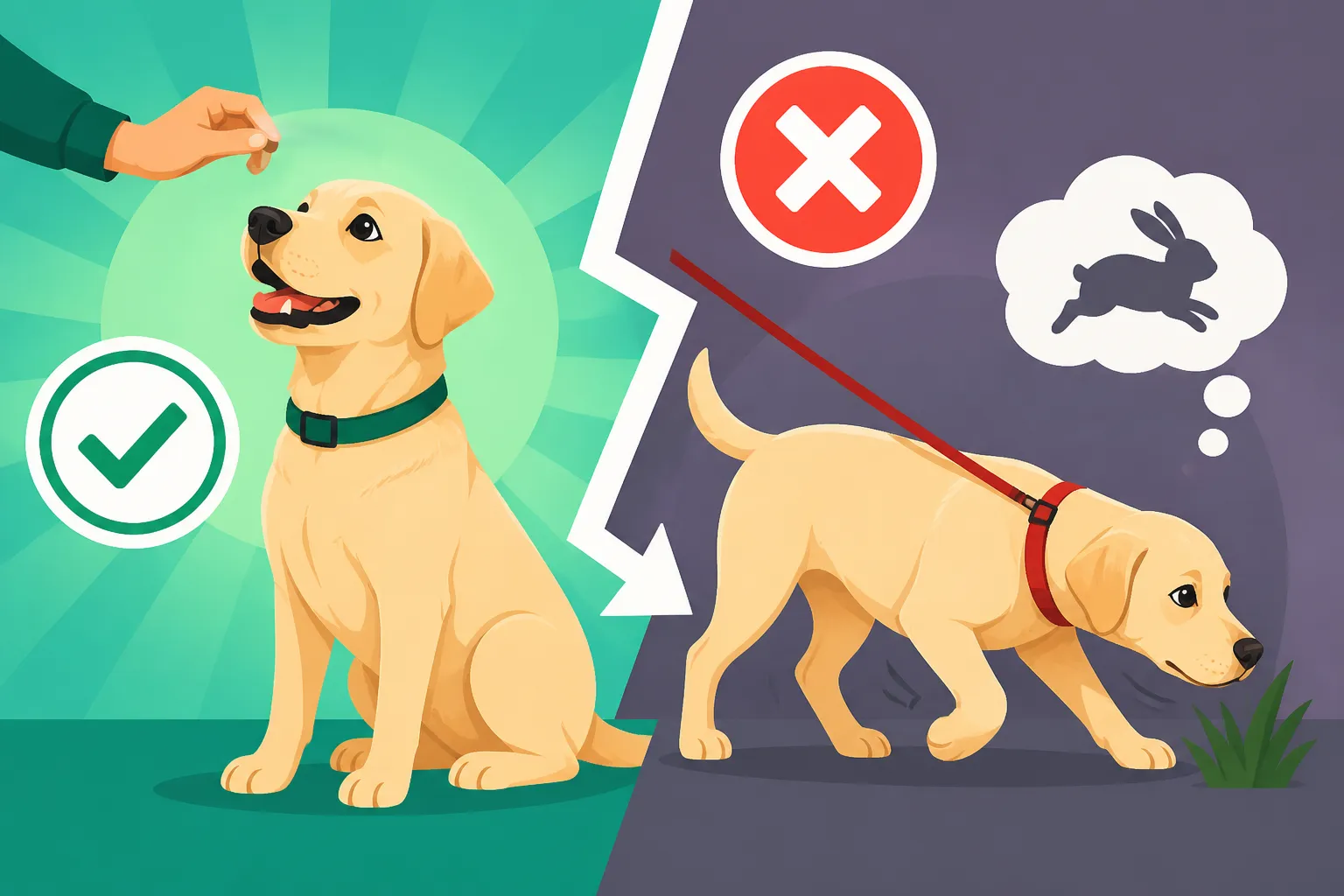
Before adolescence, your Labrador puppy's world was relatively small and manageable. They learned about their home, their yard, and perhaps a few safe walking routes. As they grow, their exposure to the world expands, and with it, their perception of what's interesting. Every new smell, sound, sight, and texture becomes an overwhelmingly compelling distraction, far more enticing than your requests. That distant dog barking, the leaf skittering across the pavement, or the faint scent of a rabbit trail can hijack their attention in an instant.
Labradors, with their incredible scent drive and boundless energy, are particularly susceptible to these environmental lures. They were bred to be retrievers, always alert to their surroundings, ready to spring into action. In adolescence, this natural drive can become amplified and misdirected. What was once a minor distraction for a younger puppy now becomes an insurmountable obstacle to your training efforts. They're not being defiant; they're simply responding to powerful, instinctual urges that their developing brains haven't yet learned to filter or override. It means you'll need to step up your game to compete with the allure of the great outdoors.
Recognizable Signs of the Compliance Drop
The "compliance drop" isn't a subtle shift; for many Labrador owners, it feels like an abrupt and disheartening regression. Behaviors you thought were mastered suddenly resurface, and new, frustrating habits can appear. Understanding these common signs can help you identify what's happening and tailor your response.
The Dreaded "Selective Hearing"
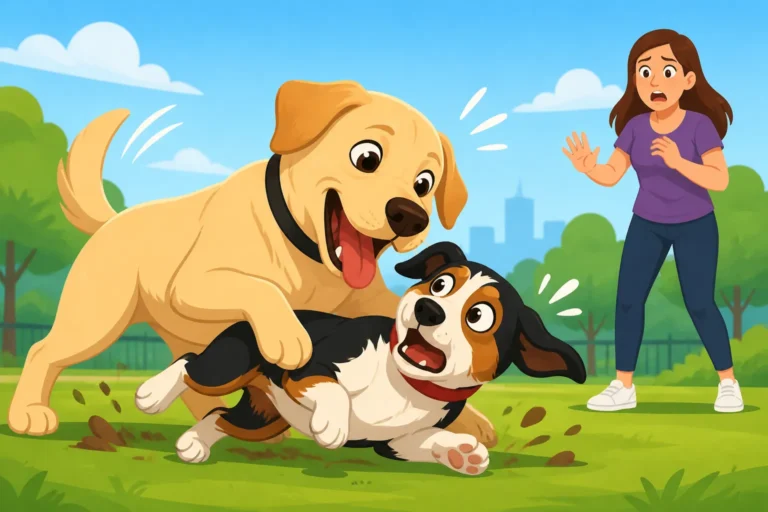
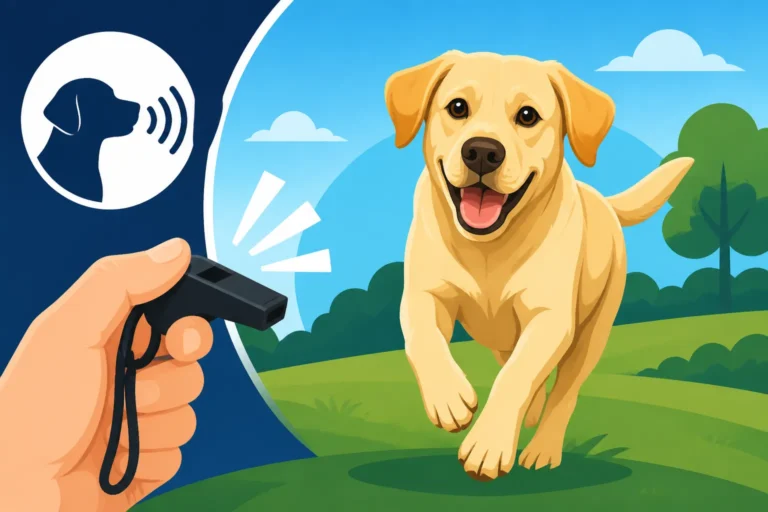
This is perhaps the most infuriating aspect of Labrador adolescence: the seemingly deliberate act of ignoring you, especially when you need them to listen most. Your once-reliable recall, which you meticulously built in the safety of your backyard, might now completely vanish the moment you unclip the leash at the park. You'll find yourself calling their name, over and over, with increasing desperation, while your Labrador remains blissfully oblivious, nose to the ground, or joyfully romping with another dog. It feels personal, like a betrayal of all your hard work.
This selective hearing isn't just limited to off-leash situations. You might find your Labrador ignoring you indoors when they're engrossed in a toy, or failing to respond to a "sit" command when a visitor arrives. Their developing confidence and a nascent sense of independence mean they're less reliant on constant check-ins with you. The world outside of you has simply become more interesting, more rewarding, and their impulse control isn't strong enough to override that immediate gratification. It can feel like they're actively choosing to disobey, but it's more about their inability to filter out distractions and prioritize your voice. For a deeper dive into building this vital skill, check out our article on Labrador Recall and Working Off Leash.
Regression in Leash Manners and Greetings
If you thought puppy leash pulling was bad, wait until you meet an adolescent Labrador on a walk! Their powerful bodies have developed, and they now possess the strength of a small horse, making walks a genuine struggle. A previously well-behaved dog can suddenly lunge, strain, and drag you down the street, seemingly forgetting every loose-leash lesson you taught them. They're excited, overstimulated, and their desire to reach that interesting smell or greet every passing dog or person overrides any previous training.
Similarly, polite greetings can regress into a jumping ruckus. Your Labrador, now much larger and heavier, might launch themselves at visitors or strangers with all the enthusiastic force of a small battering ram. What was cute as a puppy is now potentially dangerous and certainly annoying. They're simply overflowing with energy and excitement, and their adolescent brain hasn't quite figured out how to temper that enthusiasm with good manners. They just want to say hello in the most boisterous way possible, usually involving their entire body. We have a whole guide dedicated to this struggle in Leash Manners for a Powerful Labrador.
Increased Destructive Chewing and "Thievery"
While puppy teething is a distinct phase, many Labrador owners are surprised to find a resurgence, or intensification, of destructive chewing during adolescence. This isn't always about sore gums; it's often a manifestation of boredom, excess energy, anxiety, or simply exploring their world with their mouths. Furniture legs, shoes, remote controls, children's toys – nothing is safe from an adolescent Labrador who feels under-stimulated or anxious. Their powerful jaws are now fully developed, capable of causing significant damage in a short amount of time.
Beyond chewing, many adolescent Labradors become expert "thieves." Counter-surfing for unattended snacks, raiding laundry baskets for socks, or "borrowing" items off tables (especially if they get a positive reward like attention for it) becomes commonplace. This is often an attention-seeking behavior, or they've discovered that certain "stolen" items are self-rewarding, either through the act of chewing them or getting a rise out of their humans. It's a challenging phase that often feels like you're constantly policing their every move. To learn more about this specific challenge, take a look at Labrador Chewing Through Adolescence.
Strategies to Rebuild Engagement and Structure
Navigating the compliance drop successfully requires a shift in your approach. What worked for your puppy might not cut it for your boisterous teenager. The key is to re-engage their developing minds, make yourself more interesting than the environment, and provide consistent, clear boundaries.
Short, High-Impact Training Sessions
One of the biggest mistakes owners make during this period is trying to push through long, arduous training sessions. An adolescent Labrador simply doesn't have the attention span for it, and you'll both end up frustrated. Instead, pivot to short, frequent, and high-impact training bursts. Think 2-5 minutes, scattered throughout the day, in various locations. These brief sessions prevent boredom and allow you to capture their attention before they drift off.
The goal isn't just to practice commands, but to make training a fun, engaging game where you are the most exciting part of their world. Use playful tones, exaggerated movements, and always end on a positive note, even if it's just for a simple "sit." Break down any command that's regressed into its tiniest components. If "come" is a struggle, start by just rewarding them for taking one step towards you. Gradually build up the duration and distraction. Remember, consistency in these small moments adds up to significant progress over time. We've explored the benefits of this approach in Why Five Minute Sessions Work on a Labrador.
Elevating Rewards to Match Distractions
When your Labrador's world is bursting with exciting smells and sights, a boring piece of kibble just isn't going to cut it as a reward. You need to "level up" your reinforcement to compete with these powerful environmental distractions. This means bringing out the big guns: high-value treats that are irresistible to your dog. Think tiny pieces of cooked chicken, cheese, hot dogs, or commercially available soft, meaty training treats. Experiment to find what your Labrador goes absolutely wild for.
Don't be afraid to use these incredible rewards liberally during this phase. The idea is to create such a strong positive association with listening to you, even amidst distractions, that your requests become more rewarding than whatever else is vying for their attention. As they mature and their compliance improves, you can gradually start to fade these higher-value rewards, but for now, they are your secret weapon. Many owners find a wide variety of these high-value options available on platforms like Amazon, making it easy to keep a rotating selection to maintain interest. You can also use favorite toys or a quick game of fetch as a high-value reward for an especially motivated Labrador. Our article Treats That Motivate a Food-Driven Labrador offers more insights into choosing the best motivators.
Proactive Management and Environment Control
During adolescence, prevention is often better than correction. Trying to correct every single bad behavior will exhaust you and potentially damage your relationship with your Labrador. Instead, focus on proactive management to set them up for success and minimize opportunities for them to practice undesirable behaviors. This means puppy-proofing your home (again!), using crates and gates judiciously, and keeping them on a leash or long line in distracting environments.
For instance, if your Labrador is a notorious counter-surfer, clear your counters completely. If they chew furniture, restrict access to those areas or provide appropriate, irresistible chews. When guests come over, manage their greetings by having them on a leash or behind a gate until they're calm enough to greet politely. Management isn't a failure of training; it's a smart, temporary strategy that prevents bad habits from becoming ingrained while you continue to train and reinforce good choices. It gives their developing brains a chance to mature without constantly practicing the "wrong" things.
Targeted Training Techniques for Common Adolescent Challenges
Since much of the compliance drop manifests in specific areas like recall, leash manners, and chewing, a targeted approach is essential. Instead of broad strokes, focus on drilling down into these problem areas with dedicated techniques.
Bolstering a Bulletproof Recall
The disappearing recall is one of the most disheartening aspects of an adolescent Labrador. To rebuild it, you need to start from scratch, even if it feels like a step backward. Begin in a low-distraction environment, like your quiet backyard. Call your Labrador's name in a happy, enthusiastic tone, and the instant they turn their head or take a step towards you, mark the behavior with a "yes!" or a click, and reward them with a super high-value treat. Practice this "come game" many times a day.
Once they're reliably coming to you in low-distraction settings, gradually introduce mild distractions. This is where a long line becomes an invaluable tool. A 20-30 foot long line allows you to give your Labrador the illusion of freedom while maintaining control. Practice your recall on the long line in a park or open field. If they ignore you, a gentle reel-in on the long line reminds them, without punishment, that coming to you is the expectation. Always reward heavily when they respond. The key is to never call them if you can't enforce the command, especially during this phase. This helps build a positive association with coming when called. Learn more about this specific tactic in Long Line Work to Build Labrador Recall.
Refining Leash Skills and Polite Greetings
Dealing with a strong, pulling adolescent Labrador can make walks miserable. To regain control and teach them to walk politely, consistency is paramount. Try the "stop and go" method: the moment your Labrador pulls, stop dead in your tracks. Only move forward when the leash goes slack. This teaches them that pulling gets them nowhere, while a loose leash allows them to continue their walk. You can also change direction frequently; every time they pull, turn and walk the other way. This constantly forces them to pay attention to you.
For dogs who pull with all their might, a front-clip harness can be a game-changer. Unlike traditional harnesses that can encourage pulling by distributing pressure across the chest, a front-clip harness redirects their momentum to the side when they pull, making it less effective and more uncomfortable for them to drag you. Pair this tool with consistent training. For jumping greetings, teach a "four paws on the floor" rule. When a visitor arrives, have your Labrador on a leash. If they jump, quietly turn your back. The moment all four paws are on the floor, even for a second, immediately reward with a treat and soft praise. Be consistent, and ask visitors to participate by ignoring jumps and rewarding calm. Our detailed article Stopping a Labrador From Pulling on Leash provides more techniques.
Channeling Chewing Drives and Mental Energy
Adolescent Labradors need appropriate outlets for their powerful chewing drive and abundant mental energy. Simply telling them "no" to chewing isn't enough; you must provide appealing alternatives. Offer a variety of durable chew toys, rotating them regularly to keep them novel and exciting. Items like KONGs stuffed with peanut butter or treats, Nylabones, or puzzle chew toys designed for strong chewers are excellent choices. You can find many durable and engaging options on Amazon, which can be delivered right to your door.
Beyond physical chews, tap into your Labrador's incredible intelligence and scent drive with mental stimulation. Puzzle feeders are fantastic for making them work for their meals, slowing down their eating, and engaging their brain. Scent work, where you hide treats around the house or yard and encourage them to sniff them out, is incredibly tiring and satisfying for Labradors. Even a 15-minute scent game can be as mentally exhausting as a long walk. Platforms like BAXTER & Bella offer online resources and courses that can guide you through various enrichment activities, helping you channel that adolescent energy productively. Remember, a tired Labrador, both physically and mentally, is a good Labrador. For more ideas on how to engage their minds, read Puzzle Feeders That Slow a Greedy Labrador.
When to Seek Professional Support
While the adolescent compliance drop is normal, there are times when it's beneficial, or even necessary, to seek guidance from a professional dog trainer or behaviorist. Don't view this as a failure on your part, but rather as an investment in your Labrador's future and your relationship with them.
Recognizing When You Need an Expert Hand
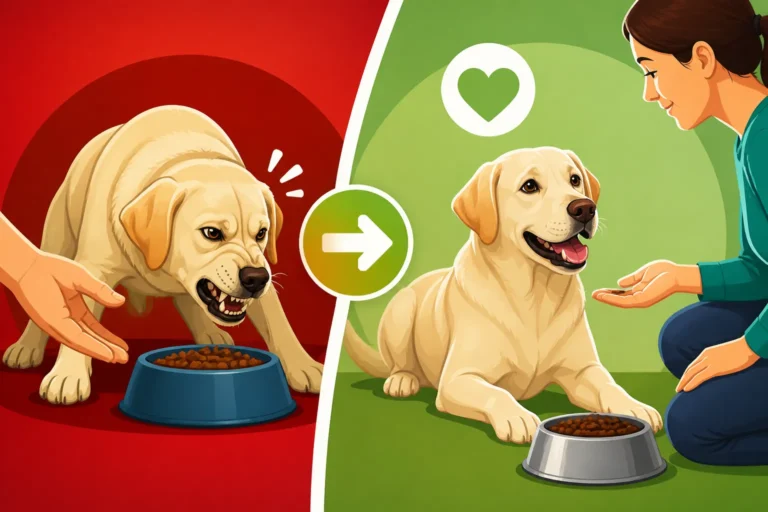
Sometimes, despite your best efforts, certain behaviors during adolescence can escalate beyond typical teenage antics. If you observe signs of aggression (growling, snapping, biting), severe anxiety (excessive panting, pacing, destructive behavior when left alone, fear of previously normal situations), or if your Labrador's destructive behaviors are causing significant damage or safety concerns, it's definitely time to bring in an expert. These behaviors require more than just training; they might need a comprehensive behavioral modification plan.
A professional trainer or behaviorist can offer an objective perspective, identify underlying issues you might be missing, and provide tailored strategies that are specific to your Labrador's temperament and your household's dynamics. They can assess if the "compliance drop" is indeed just normal adolescence or if there are other contributing factors at play, such as a lack of proper socialization as a puppy, or even physical discomfort. Seeking help early can prevent minor issues from becoming major problems down the line, ensuring a happier, healthier future for both you and your dog.
The Value of Adolescent Dog Classes
Enrolling in an adolescent dog class can be an incredibly valuable resource during this challenging phase. These classes are specifically designed for dogs past the puppy stage but still navigating their teenage years, often focusing on reinforcing good manners, advanced obedience, and real-world distractions. It’s not just about teaching your dog; it's also about providing you, the owner, with tools, techniques, and support.
These classes offer a controlled environment where your Labrador can practice focusing on you amidst the distractions of other dogs and people, which is crucial for building resilience. They also provide opportunities for structured socialization, helping your Labrador learn appropriate ways to interact with their peers. Furthermore, you'll gain access to an experienced trainer who can offer personalized advice and troubleshoot specific issues you're facing. Plus, it's a great opportunity to connect with other Labrador owners who are going through the exact same struggles, creating a supportive community where you can share tips and commiserate. For advice on finding the right fit, consider our guide on Choosing a Trainer for a Labrador.
Here's a quick comparison of general training focus areas from puppyhood into adolescence:
| Feature | Puppy Training (Up to ~6 months) | Adolescent Training (~6 months to ~2 years) |
|---|---|---|
| Attention Span | Very short, easily redirected | Often short, highly distractible, selective hearing |
| Primary Motivation | Food, praise, novelty, desire to please owner | High-value food, play, environmental exploration (often overrides owner) |
| Key Focus Areas | Basic cues (sit, stay), house training, bite inhibition, socialization | Reinforcing basic cues under distraction, recall, leash manners, impulse control |
| Distraction Level | Low to moderate, easily managed indoors | High, very challenging outdoors, environmental stimuli are paramount |
| Energy Level | Bursts of energy, naps frequently | Sustained high energy, often boundless, needs consistent outlets |
| Owner Frustration | Managing accidents, puppy nipping | Selective hearing, regression in manners, destructive behaviors |
| Recommended Sessions | Many short (1-3 min) sessions throughout the day | Short (2-5 min) high-intensity sessions, multiple times daily |
Remember, the compliance drop is a temporary phase, and with consistent effort, patience, and a bit of humor, your amazing Labrador will emerge from their teenage years as a well-adjusted, delightful companion. Keep training, keep loving, and know that you're not alone in this journey!
Disclaimer
This article is for general informational purposes only and does not constitute professional advice. Laws, prices and regulations vary by location and change over time. Consult a qualified professional for guidance on your specific situation.