When to Start Training a Labrador Puppy
Bringing home a Labrador puppy is an incredibly exciting time, but it often comes with a whirlwind of questions and, let's be honest, a good dose of anxiety. One of the biggest worries new owners have is, "When exactly should I start training my puppy?" It’s a completely valid question, because you don't want to miss a crucial window, but you also don't want to overwhelm a tiny, fluffy bundle of joy. This guide is here to tell you that training starts the moment your puppy steps paw into your home, and we'll dive into what that truly means for you and your new best friend.
The Critical Window: Why Early Training Matters for Labradors
The idea that puppies are too young to learn is one of the biggest misconceptions out there. In reality, puppies are little sponges, soaking up information about their world from the very first day. For a Labrador, a breed renowned for its intelligence and eagerness to please, this early period is absolutely golden. Missing it can mean inadvertently allowing undesirable habits to take root, which are always harder to correct later on.
The Concept of Early Socialization and Learning
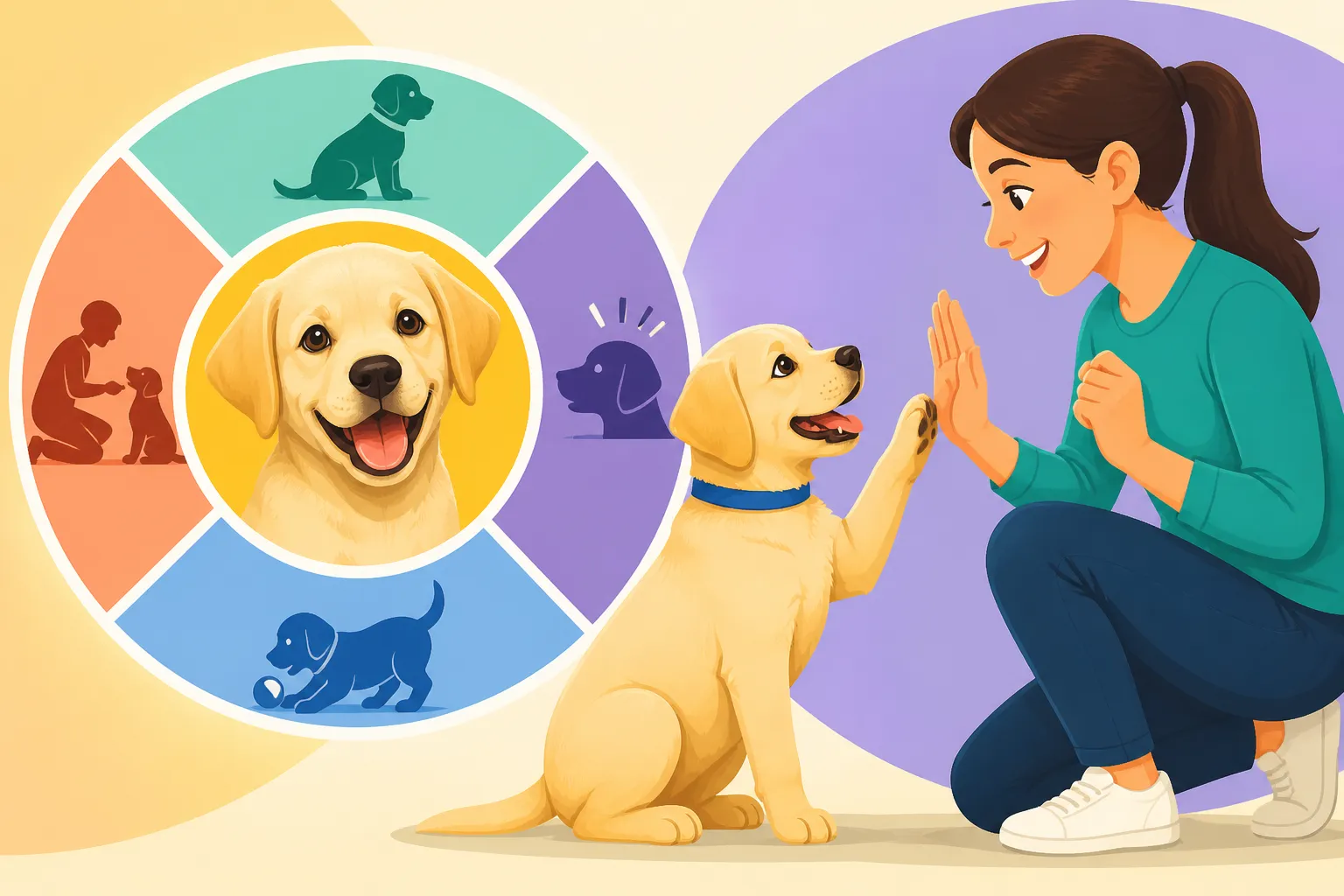
Think of your puppy's brain like fresh clay, incredibly malleable and ready to be shaped. The period from about 8 to 16 weeks of age is often referred to as a critical socialization window, but it's also a prime learning window. During this time, every interaction, every new sight, sound, and smell, is teaching your puppy something about how the world works and their place in it. This isn't just about formal commands; it's about forming their entire outlook.
If you wait until your Labrador is six months old to start teaching basic manners or exposing them to new experiences, you've essentially let three or four months of prime learning pass by. Imagine trying to teach a language to a teenager who's never heard a single word compared to a toddler who's constantly immersed. The difference is profound. Early, positive experiences during this sensitive period help to create a confident, well-adjusted adult dog. Without it, you might find yourself with a Labrador who is fearful, reactive, or simply doesn't understand the rules of your home, leading to a much steeper uphill battle. This is why getting your puppy out safely and thoughtfully to experience new things is so important; you might find our guide on A Socialization Checklist for a Labrador Puppy helpful for ideas.
Building a Foundation of Trust and Communication
Training isn't just about teaching your Labrador to "sit" or "stay"; it's fundamentally about establishing a clear, consistent line of communication and building a bond of trust. When you start early with positive reinforcement, you're teaching your puppy that you are a reliable source of good things – food, praise, comfort, and fun. This forms the bedrock of your relationship.
Labradors thrive on interaction and having a "job" to do, even if that job is just learning basic house manners. Their inherent desire to please means they are often highly motivated to engage in training when it's made enjoyable and rewarding. If you consistently and kindly guide your puppy, they learn to look to you for direction and guidance. This early foundation prevents many behavioral issues before they even start, because your Labrador learns that cooperating with you leads to positive outcomes. It's much easier to teach a puppy that a gentle nudge is better than a hard bite if you've already established a system of rewards and understanding.
What "Starting Training" Actually Looks Like for a Young Puppy
When we talk about starting training with an 8-week-old Labrador puppy, we're not talking about sending them off to boot camp for advanced obedience. It’s far more subtle and integrated into their daily life. It's about gentle guidance, consistency, and making learning a positive and natural part of their world.
Beyond Formal Commands: Everyday Learning
For a tiny Labrador pup, "training" encompasses a huge range of experiences that go far beyond just "sit" and "stay." It's about teaching them the rules of your home and setting expectations. This includes things like:
- Potty Training: Guiding them to the right spot, celebrating successes, and establishing a consistent schedule are paramount. This needs to start the moment they arrive. You can read more about it in Potty Training a Labrador Puppy.
- Crate Training: Making the crate a safe, comfortable den from day one. This helps with house training, provides a secure space, and prepares them for future situations like vet visits or travel. Our article Crate Training a Labrador Puppy offers extensive advice.
- Mouthing and Biting Inhibition: Lab puppies will mouth and bite. Teaching them what's appropriate to chew and how to use a "soft mouth" is critical for their safety and yours. Redirecting them to appropriate chew toys and using techniques like "yelp and ignore" are crucial early lessons. This is a big one for new owners, and we cover it in depth in Labrador Puppy Mouthing and How to Redirect It.
- Handling and Grooming: Getting them used to having their paws touched, ears inspected, and being gently brushed. This makes vet visits and future grooming sessions much less stressful.
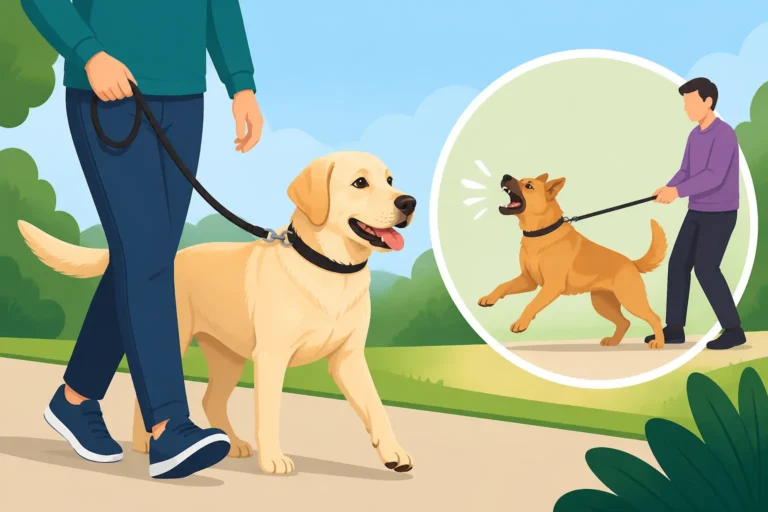
- Leash and Collar Introduction: Letting them wear a light collar for short periods, then introducing a lightweight leash in a positive way, even just inside the house, lays the groundwork for walks.
These aren't just "behaviors"; they are life skills that your puppy needs to navigate your human world successfully. Every time you redirect your puppy from chewing a table leg to a chew toy, you are training. Every time you reward them for eliminating outside, you are training. It's all about consistent, positive reinforcement.
Short, Frequent Sessions Are Key
Puppies have incredibly short attention spans. Trying to force a 30-minute training session on an 8-week-old Labrador is like trying to make a toddler sit through a college lecture – it's just not going to happen, and it will likely create a negative association with training. The key is short, frequent, and fun sessions.
Aim for 2-5 minute bursts of training, several times a day. These little snippets keep your puppy engaged, prevent them from getting bored or overwhelmed, and help them generalize what they're learning across different contexts. For a Labrador puppy, you'll find that their concentration might only last a few minutes at best; we discuss this more in How Long a Labrador Puppy Can Concentrate. Keeping sessions brief and upbeat also ensures that you both end on a positive note, making them eager for the next "game." Labradors are highly food-motivated, so using tiny, high-value treats can make these short sessions incredibly effective. This focus on quick, successful interactions is why we often say Why Five Minute Sessions Work on a Labrador.
Practical First Steps: What You Can Do Right Now
Okay, so training starts immediately. But what does that actually look like when you're overwhelmed by puppy cuteness and chaos? It's about creating an environment where your puppy can learn safely and successfully, and integrating simple lessons into your daily routine.
Setting Up Your Home for Success
Before your Labrador puppy even arrives, preparing your home is a huge part of successful early training. This proactive approach prevents many problems before they start.
- Puppy-Proofing: Get down on their level. Remove anything chewable, valuable, or dangerous. Secure cords, put away shoes, and make sure toxic plants are out of reach. Labradors are notorious for exploring with their mouths, so this step is non-negotiable.
- Designated Potty Spot: Choose a specific spot in your yard for potty breaks. Take your puppy there every single time, even if it's just to sniff around. This helps them quickly associate that spot with relieving themselves.
- Crate Setup: Have a appropriately sized crate ready with a comfy bed and a safe chew toy. The crate should be a positive place, not a punishment zone. Many new owners find BAXTER & Bella's online puppy school resources incredibly helpful for getting started with crate training and other foundational behaviors. They offer structured guidance that can take the guesswork out of these early stages.
- Essential Supplies: Stock up on puppy food, water bowls, safe chew toys (think durable options from Amazon that can stand up to a Lab's chewing power), a soft collar, a lightweight leash, and plenty of training treats. Having everything you need on hand reduces stress for both you and your puppy.
The First "Lessons": Handling and Exposure
Beyond basic house rules, your very first "training" sessions will involve simply getting your puppy comfortable with being handled and experiencing the world. These early exposures build resilience and confidence.
- Gentle Handling: Make it a daily routine to gently touch your puppy's ears, paws, tail, and mouth. Reward them with a tiny treat and praise for calmly accepting this. This makes future vet visits, nail trims, and grooming sessions far less stressful. If your Labrador resists, start with very brief touches and gradually increase duration as they get more comfortable.
- Exposure to Sounds and Surfaces: Gradually introduce your puppy to a variety of normal household sounds – vacuum cleaners, doorbells, washing machines. Let them explore different surfaces like grass, pavement, carpet, and even a few steps. Always make these experiences positive with treats and praise. The goal isn't to startle them, but to normalize these stimuli so they don't become fearful later on. This ties into the broader topic of A Socialization Checklist for a Labrador Puppy, ensuring they become well-adjusted.
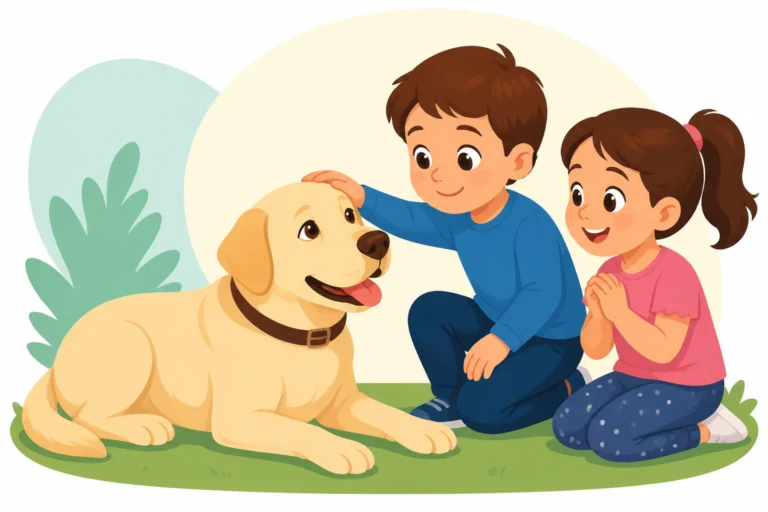
- Meeting New People (Safely): Once cleared by your vet, carefully introduce your puppy to a few calm, vaccinated adults. Supervise interactions closely to ensure they are positive and not overwhelming. Avoid large, boisterous groups at first.
Introducing Basic Cues (The Fun Way!)
Once your puppy is a little settled, you can start introducing a few very simple verbal cues. Remember, keep it fun, positive, and super rewarding!
- Name Recognition: Use your puppy's name frequently in a happy tone, especially when giving them attention, treats, or playing. They'll quickly learn to associate their name with good things.
- "Sit": This is often one of the easiest commands for a Labrador puppy to learn due to their natural tendency to plop down. Hold a treat near their nose and slowly move it back over their head. As their bottom touches the ground, say "Sit!" and immediately give them the treat and praise. Repeat often in short bursts. For more details on these initial cues, see First Commands to Teach a Labrador.
- "Come": Start in a small, enclosed space. Get down low, call your puppy's name enthusiastically, and say "Come!" When they move towards you, make a huge fuss and give them a fantastic treat. Never use "come" to do something unpleasant (like end playtime or go to the vet). Building a strong "come" is one of the most important things you'll ever teach your Labrador.
Remember to always use positive reinforcement. Labradors are incredibly food-driven, so little pieces of cooked chicken, cheese, or high-quality training treats work wonders. We've compiled more on Treats That Motivate a Food-Driven Labrador if you need ideas. The goal at this stage isn't perfection; it's about making learning an enjoyable game that strengthens your bond.
| Puppy Age | Key Training Focus | Example Activities |
|---|---|---|
| 8-10 Weeks | Foundation & Socialization (Critical Window) | Potty training, crate training, mouthing redirection, gentle handling, name recognition, brief exposure to household sounds/sights, short play sessions. |
| 10-16 Weeks | Basic Manners & Environmental Exposure | Continuing potty/crate, "sit," "come," leash introduction, positive interactions with calm people/dogs (vet-approved), car rides, puzzle toys. |
| 4-6 Months | Consistency & Proofing | Reinforcing all basics in varied environments, impulse control (waiting for food), "stay," walking politely on leash, continued socialization, managing adolescent chewing. |
Common Misconceptions and Reassurances
It's easy to get caught up in the excitement and worry that you're either doing too much, too little, or doing it wrong. Let's address some of those common anxieties.
"My Puppy Is Too Young" – Debunking the Myth
The idea that you should wait until a puppy is "older" or "settled" to start training is a myth that can actually hinder your Labrador's development. Puppies are constantly learning from the moment they are born. Every interaction, every environment they experience, every boundary (or lack thereof) you set, is teaching them something. If you're not actively teaching them the behaviors you want, they'll naturally develop their own habits, and those might not align with your expectations.
An 8-week-old Labrador puppy, while tiny, is incredibly capable of absorbing new information. They learn cause and effect very quickly. If they chew on your hand and you redirect them to a toy, they learn that distinction. If they pee inside and you swiftly take them outside to the correct spot, they learn. The difference between training a young puppy and an adult dog is simply the approach and the intensity. For puppies, it's all about gentle guidance, consistency, positive reinforcement, and making learning feel like play. You're not aiming for competitive obedience; you're building a foundation for a happy, well-behaved family member. Waiting "until they're older" means missing out on crucial developmental windows, especially for Labrador Puppy Health in the First Year where early good habits are vital.
What If You Adopted an Older Labrador?
Perhaps you didn't get your Labrador as a tiny puppy, or maybe you've rescued an older dog with some ingrained habits. The good news is, it's never too late to start training! While the critical early windows are important, adult dogs are perfectly capable of learning new behaviors and modifying old ones. It might take a bit more patience and consistency, as you're often working to reshape existing habits rather than just build new ones from scratch.
When adopting an adult Labrador, the first step is often to observe their existing behaviors and understand their history, if possible. You might need to focus on building trust and helping them settle into their new environment before diving into formal commands. For a rescued adult Labrador, starting with positive reinforcement, clear routines, and generous rewards is key. You might find yourself needing to re-teach basic house rules or address specific behavioral challenges, but with dedication, you can absolutely make significant progress. Our article Retraining a Rescued Adult Labrador provides a lot of helpful strategies for this scenario. Remember, the bond you build through patient, positive training is valuable at any age.
Disclaimer
This article is for general informational purposes only and does not constitute professional advice. Laws, prices and regulations vary by location and change over time. Consult a qualified professional for guidance on your specific situation.