Trading With a Labrador Who Grabs Things
It's an all too familiar scene for Labrador owners: you turn your back for a second, and suddenly your beloved companion has a sock, a TV remote, or something far more valuable (and potentially dangerous!) firmly clamped in their mouth. That immediate surge of panic is real. You want to get the item back, but your Labrador, bless their heart, often sees your attempt as a fun game of chase, or worse, a reason to swallow whatever treasure they've acquired. This guide is all about teaching you the art of the "trade" – a positive, stress-free way to retrieve those snatched items, making both you and your Labrador happier and safer.
Understanding Why Your Labrador Grabs Things
Before we can effectively address the behavior, it’s really helpful to understand the root causes. Your Labrador isn't trying to be a menace (usually!). Their actions are often deeply ingrained in their breed's history and natural drives.
The Labrador's Natural Instinct: Retrieving and Carrying
Let's face it, Labradors were literally bred to retrieve. Their history as working dogs, fetching ducks for hunters and fish for fishermen, means they have an innate desire to pick things up, carry them, and bring them back. This "soft mouth" trait is famous, meaning they can carry delicate items without damaging them. However, in a domestic setting, that strong retrieving drive doesn't always discriminate between a training dummy and your child's favorite stuffed animal. They see an object, and their instinct tells them, "Hey, that looks like something I should put in my mouth!" It's part of their charm, but it can certainly lead to some frustrating moments when it's your car keys they've decided to "retrieve."
Attention Seeking and Boredom: How We Inadvertently Reinforce It
Sometimes, grabbing something they shouldn't is a brilliant (from their perspective!) way to get your attention. Think about it: if your Labrador is lying quietly and you're engrossed in a book, nothing happens. But if they pick up your shoe and trot past you, suddenly you're engaged, maybe even chasing them. For a social, intelligent dog like a Labrador, any attention can be good attention, even if it's you frantically trying to pry your glasses from their jaws. If they're bored, and let's be honest, an under-exercised or under-stimulated Labrador can be a destructive force, grabbing a forbidden item becomes an exciting game. It's a spontaneous activity, it gets a reaction, and it breaks up the monotony of their day. They learn very quickly which items get the biggest, most exciting reaction from you, and those become their go-to "toys" when they're seeking interaction. This is why understanding Why Labradors Steal and Swallow Things is so important.
Value Assessment: Why Your Dirty Sock is More Interesting Than Their Toy
This is where things get a little tricky, and often, a lot hilarious (in retrospect!). To your Labrador, the value of an item isn't necessarily what you assign to it. It's often about scent, texture, novelty, and the reaction it elicits. That old, slobbery tennis ball might be "theirs," but your just-worn sneaker, imbued with your unique scent, is infinitely more captivating. It's like finding a treasure chest versus a regular old toy box. The forbidden fruit is always sweeter, right? They'll often pass over their perfectly good chew toy for something they know they shouldn't have, precisely because it's novel and smells like you. They've likely figured out that these "human treasures" are much more exciting than their own designated playthings. It's not malicious; it's just how their world works!
The "Trade" Game: Building a Positive Exchange
The key to getting those forbidden items back safely and teaching your Labrador good habits is to make trading a positive, rewarding experience. You want them to want to give things up, not feel like they're losing something valuable.
Starting Simple: Low-Value Items for High-Value Rewards
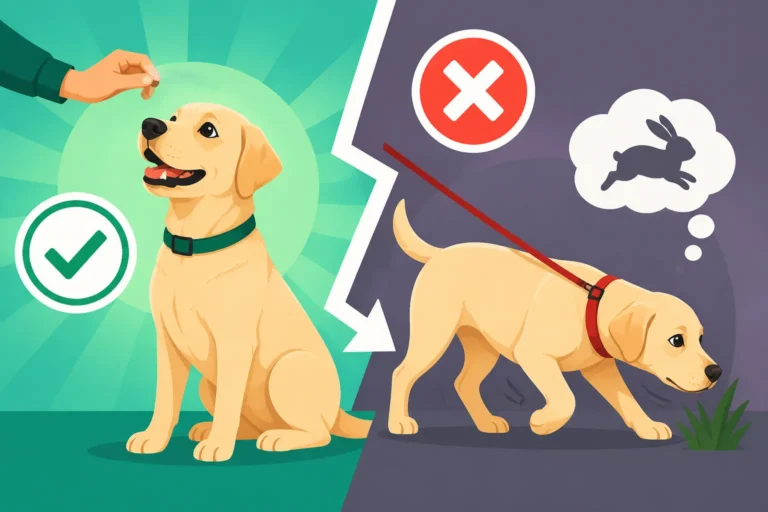
Don't wait until your Labrador has swallowed your phone to start practicing trading! Begin with low-stakes items. Find something your Labrador is allowed to have, but maybe isn't their absolute favorite, like a generic chew toy or a ball they've grown a bit tired of. Offer them this item, let them grab it, then immediately offer them something much better – a high-value treat, a squeaky toy they adore, or even a quick game of tug with another toy.
When you offer the high-value item, say "Trade!" or "Drop It!" in a cheerful, encouraging tone. The moment they release the item they have to take the better one, praise them enthusiastically and give them the reward. Repeat this many, many times in short, fun sessions. The goal is to build a strong association: "When I give Mom/Dad what I have, something even better happens!" This makes the exchange a win-win for your Labrador. You can even practice this with a second person, one holding a low-value item and the other holding the treat. This helps them understand the concept without feeling pressured.
The "Drop It" Command: A Foundation for Successful Trades
While "Trade!" is great for getting an immediate exchange, a solid "Drop It!" command is absolutely indispensable. It teaches your Labrador to release an item on cue, even if you don't have something in your hand to trade at that very second. Think of it as the verbal signal that kicks off the trading process.
To teach "Drop It!":
- Start with a toy: Engage your Labrador with a toy they enjoy, like a rope for tug.
- Offer a treat: While they have the toy in their mouth, hold a super high-value treat (think cooked chicken or cheese) right up to their nose.
- Say "Drop It!": The moment they open their mouth to sniff or eat the treat, say "Drop It!" calmly and clearly.
- Reward: As soon as they release the toy, give them the treat and lavish praise. Don't immediately pick up the toy; let them understand they released it for the treat, not because you wanted it back right away.
- Repeat: Practice this many times, gradually increasing the time they hold the toy before you give the "Drop It!" cue.
The key is that the release is always followed by something fantastic. Never scold or punish if they don't drop it immediately; just make the reward more enticing. This is a crucial step towards Teaching a Labrador to Drop It Reliably in any situation.
Making the Trade Irresistible: What Makes a Good "Payment"
This is where you need to get inside your Labrador's head! What do they truly value? For most Labradors, food is a huge motivator. So, the "payment" for giving up your sock needs to be something significantly more appealing.
Consider these options for high-value rewards:
- Irresistible Treats: Small pieces of cooked chicken, cheese, hot dogs, or liverwurst. These are far more exciting than their regular kibble or even standard dog biscuits. Remember, for a truly food-driven Labrador, Treats That Motivate a Food-Driven Labrador are your best friend in training.
- Favorite Toys: A specific squeaky ball, a tug toy, or a plush toy they only get during special training sessions. The novelty makes it more appealing.
- Interactive Play: A quick, enthusiastic game of tug, fetch, or chase (with a designated toy, not you chasing them around the house!). This provides mental and physical stimulation.
- Verbal Praise and Affection: While important, this usually isn't enough on its own for a high-stakes trade. Use it in conjunction with tangible rewards.
The rule of thumb is: the more valuable the item your Labrador has, the more irresistible your trade offer needs to be. If they've got your wallet, you better have some prime steak ready!
Managing the Environment and Preventing "The Grab"
While teaching a fantastic "Trade!" and "Drop It!" is essential, prevention is always better than a cure. Creating an environment where your Labrador isn't constantly tempted will save you a lot of headaches (and potentially vet bills).
Labrador-Proofing Your Home: Out of Sight, Out of Mouth
You know how babies get into everything? Labradors are often the canine equivalent, especially during their puppy and adolescent phases. Just like you'd baby-proof, you need to Labrador-proof.
- Put Valuables Away: This seems obvious, but it's easy to forget. Remote controls, eyeglasses, phones, shoes, keys, children's toys – anything within mouth-reach needs to be secured. Use drawers, high shelves, or cabinets.
- Secure Trash Cans: Labradors are notorious trash-can divers. Get sturdy cans with tight-fitting lids or ones that are kept inside a cabinet.
- Clear Counters: Even if your Labrador isn't a counter-surfer yet, assume they could be. Don't leave food or tempting items on the edges of counters. This also ties into Labrador-Proofing a Kitchen.
- Gate Off Problem Areas: If there are rooms with too many tempting items to secure, use baby gates to restrict access when you can't actively supervise. This is especially useful for areas like laundry rooms or kids' playrooms.
Remember, every time your Labrador successfully grabs something they shouldn't, they're practicing the behavior, and it becomes more ingrained. Prevention breaks that cycle.
Providing Appropriate Chews and Toys: Redirecting the Drive
Since Labradors have such a strong oral fixation and retrieving drive, you need to give them acceptable outlets for these behaviors.
- A Variety of Chew Toys: Don't just give them one type. Offer a rotation of durable chew toys, puzzle toys, and interactive toys. Some Labradors prefer softer rubber, others love hard nylon bones. See what your dog prefers. Brands like KONG or Nylabone (ensure it's appropriate for their size and chew strength) are often good starting points. Look for Chew Toys That Survive a Labrador.
- Interactive Toys: Food-dispensing puzzle toys can keep a Labrador occupied and mentally stimulated for a good chunk of time. Fill them with a portion of their kibble or a safe, spreadable treat. Puzzle Feeders That Slow a Greedy Labrador are excellent for mental enrichment and can deter unwanted chewing.
- Scheduled Playtime: Make sure your Labrador gets plenty of structured playtime with you using their approved toys. Tug, fetch, and hide-and-seek with their toys can satisfy that retrieving instinct in a positive way.
A bored Labrador is a destructive Labrador. If they don't have appropriate ways to express their natural drives, they'll find their own, which often means grabbing your stuff. This also relates to understanding What a Bored Labrador Chews First.
Supervision and Proactive Management: Catching It Before It Starts
No matter how well you Labrador-proof, vigilance is still important. Active supervision means keeping an eye on your dog, especially when they're in a new environment or are known to be particularly mouthy (like during the puppy teething phase).
- Leash Indoors: If you have a particularly persistent "grabber" or a young puppy, sometimes keeping a lightweight leash on them indoors (when you're present and supervising) can be helpful. This allows you to gently guide them away from forbidden items without having to chase them, which often turns into a game.
- Intervene Early: If you see your Labrador even looking intently at something they shouldn't have, redirect them before they grab it. Call their name, offer them an approved toy, or ask them to do a quick sit/stay. Reward them for redirecting their attention.
- Avoid the Chase: This is critical. If your Labrador grabs something and runs, do NOT chase them. Chasing them turns it into a fun game. Instead, turn your back and run away from them, cheerfully calling their name. This often triggers their retrieve instinct, and they might come chasing you, bringing the item with them (which then leads to a trade!).
- Know Their Limits: Recognize how long your Labrador can be reliably left unsupervised, especially when they're young. A young puppy might need constant supervision, or be safely confined to a playpen or crate when you can't watch them like a hawk. Consider How Long a Labrador Can Be Left Alone before problems might arise.
Troubleshooting Common Trading Challenges
Even with the best intentions and consistent training, you might encounter a few bumps in the road. It's okay, every dog is an individual, and some challenges require a slightly different approach.
When Your Labrador Runs Away with the Item: Avoiding the Chase
This is probably the most common (and exasperating!) scenario. Your Labrador snatches your shoe, and the moment you move towards them, they bolt, tail wagging, thinking it's the start of an epic chase scene. As mentioned, chasing is exactly what they want.
Here's how to handle it:
- Resist the urge to chase: This is hard, but vital. Take a deep breath.
- Make yourself more interesting: Instead of chasing, try running away from your Labrador, clapping your hands, and calling their name excitedly. This often flips their "game" switch. They might drop the item to chase you or bring the item to you, expecting a game.
- Offer the trade: As they approach, then present your high-value treat or toy. As soon as they drop the forbidden item, praise and reward generously.
- Don't snatch: When they drop the item, don't immediately grab it. Let them eat the treat, then calmly pick up your belonging. If you snatch, they might be hesitant to drop it next time.
- Practice in low-distraction environments: Rehearse the "run away and trade" strategy in a controlled setting with an item they're allowed to have, so it becomes second nature before a real crisis occurs.
Dealing with Resource Guarding: When Trading Isn't Enough
Resource guarding is when a dog becomes possessive over an item (food, toys, even a person or location) and growls, snarls, snaps, or bites to prevent others from taking it away. If your Labrador exhibits any signs of aggression when you try to trade, stop immediately. Do not push the issue yourself, as you could escalate the situation and put yourself at risk.
Signs of resource guarding include:
- Freezing or tensing up when you approach
- Lowering their head over the item
- Eating faster
- Growling (even a soft one)
- Showing teeth or snapping
- Attempting to bite
If you suspect your Labrador is resource guarding, even mildly, you need professional help. This isn't a behavior you should try to fix on your own, as mishandling it can make it worse. Contact a certified professional dog trainer or a veterinary behaviorist immediately. They can help you develop a safe and effective plan to address the guarding behavior. This is a complex issue, and it's essential to understand Resource Guarding in Food-Driven Labradors to prevent it from escalating. Training programs like those offered by BAXTER & Bella can also provide valuable insights and guided exercises for general obedience that build trust and reduce guarding tendencies, but for established guarding, a professional behaviorist is key.
Consistency is Key: The Long-Term Approach
Training a Labrador, especially around their strong retrieving drive, isn't a one-and-done deal. It requires consistent effort from everyone in the household.
- Everyone must be on board: Every family member needs to use the same commands ("Drop It!", "Trade!") and follow the same rules. If one person chases and another trades, your Labrador will get confused and the training will be undermined.
- Practice regularly: Don't just practice when they've grabbed something forbidden. Incorporate "Drop It!" and "Trade!" into your daily play sessions with their approved toys. The more they practice when it's easy, the more likely they are to comply when it's hard.
- Be patient: Labradors are smart, but they're also big, strong dogs with deeply ingrained instincts. It takes time, patience, and repetition to override those instincts with learned behaviors. There will be setbacks; don't get discouraged. Just calmly redirect and reinforce the desired behavior.
- Continue environmental management: Even a well-trained Labrador can be tempted. Keep up with your Labrador-proofing efforts. It's not about stifling their natural drives, but about channeling them into appropriate and safe behaviors.
By consistently applying these strategies, you'll teach your Labrador that giving things up is not a loss, but an opportunity for an even better reward, making your life together much more harmonious and safe.
Disclaimer
This article is for general informational purposes only and does not constitute professional advice. Laws, prices and regulations vary by location and change over time. Consult a qualified professional for guidance on your specific situation.