Thunderstorm Fear in Labrador Retrievers
It's truly heartbreaking to watch your beloved Labrador, usually so brave and boisterous, tremble, pant, and cower at the first rumble of a distant thunderstorm. That helpless feeling as the sky darkens and their anxiety mounts is something no dog owner wants to experience. This guide is here to walk you through understanding why thunderstorms turn your cheerful Lab into a quivering mess, how to recognize the signs, and most importantly, practical, empathetic strategies to help them find some peace during these frightening weather events.
Understanding Why Thunderstorms Terrify Labradors
Thunderstorm phobia, or 'astraphobia,' is a very real and distressing condition for many dogs, and our usually stoic Labradradors are certainly not immune. It's not just a little nervousness; for many, it's a full-blown panic attack triggered by a cascade of sensory information that we, as humans, often filter out. Understanding the 'why' behind their fear is the first step toward helping them.
The Sensory Overload They Experience
Think about what a thunderstorm entails beyond just the loud bang of thunder. For a Labrador, who possesses senses far more acute than ours, it's an overwhelming assault. First, there's the barometric pressure drop that many dogs can feel long before we notice anything. This change can be unsettling and even physically uncomfortable, sometimes leading to headaches or joint pain. Then comes the wind, rattling windows and creating unusual sounds, and the flashes of lightning, which even through curtains can be startling. But it's not just sight and sound. The air often changes electrically, with static charges building up. Some theories suggest that dogs might feel these static shocks, especially on their fur, which adds to their distress. Imagine feeling tiny shocks every time the thunder cracks, on top of the deafening noise and unsettling pressure changes. It’s a multi-sensory nightmare.
Beyond the obvious, some Labradors are highly sensitive to the change in light that accompanies a storm, even if it's just a subtle dimming. They might see the flickering of distant lightning before you hear any thunder. This combination of sights, sounds, smells, atmospheric pressure changes, and potential static electricity creates a perfect storm of anxiety for them. It’s no wonder they look for places to hide or try to escape. They are trying to self-regulate in an environment that feels completely out of control.
Pre-Storm Anxiety and Predictable Patterns
One of the most frustrating aspects for owners is how quickly their Labrador can pick up on an approaching storm, sometimes hours before it actually hits. This isn't just a trick of perception; it's a keen awareness of environmental cues. As mentioned, the drop in barometric pressure is a significant one. Your Lab might become restless, start panting, or seek you out long before you even check the weather app. They might pace, whine, or start to cling to you, indicating their pre-storm anxiety.
Over time, Labradors can also associate certain atmospheric conditions, specific smells in the air, or even changes in your own routine (like you starting to close windows) with the impending doom of a storm. This anticipatory anxiety can be just as debilitating as the storm itself, trapping them in a cycle of fear. They're essentially predicting the stressful event, which means their anxiety begins earlier and can last longer. This is why addressing the fear isn't just about coping during the storm but also about managing their anticipation. Knowing that a storm is coming can send them into a spiral hours in advance, sometimes making them utterly miserable for an entire day, even if the storm itself is brief. It's a cruel trick of nature for our sensitive companions.
The Role of Genetics and Past Experiences
While any dog can develop thunderstorm phobia, certain breeds, and even certain lines within breeds, seem to be more predisposed to anxiety. While Labradors are generally known for their stable and confident temperaments, individual dogs can certainly inherit a more nervous disposition. If a Labrador's parents or close relatives exhibited strong storm phobias, there might be a genetic component at play. It's not a guarantee, but genetics can certainly load the dice.
Beyond genetics, past experiences play a crucial role. A particularly traumatic storm event during their formative months, or even as an adult, can solidify a fear response. For instance, if your Labrador was left alone during a violent hailstorm when they were a puppy, the memory of that intense fear could imprint deeply. Conversely, a lack of positive early socialization to different sounds and environments might leave some Labradors less resilient when faced with loud, unpredictable noises. If they weren't gradually exposed to various sounds, even benign ones, when they were young, their startle response might be exaggerated. This is why A Socialization Checklist for a Labrador Puppy is so important. It's often a combination of nature (genetics) and nurture (experiences) that shapes how intensely a Labrador reacts to thunder.
Recognizing the Signs of Thunderstorm Phobia in Your Labrador
It’s easy to spot outright panic, but sometimes a Labrador's fear starts with more subtle cues. Being able to read these early signs can help you intervene sooner and potentially lessen the severity of their distress. Our Labradors are often stoic, and sometimes their pain or fear can be hard to read if you don't know what to look for, which is why understanding Signs a Labrador Is Scared Rather Than Stubborn is so important.
Subtle Clues Before the Storm Hits
Before the sky truly opens up, your Labrador might be giving you quiet signals that they sense something is amiss. These early warnings can be your cue to start implementing your coping strategies. Look for increased panting, even if it's not hot. This isn't just about temperature; it's often a physiological response to stress. You might also notice excessive yawning or lip-licking, which are common canine calming signals, indicating they're feeling uncomfortable. They might become more clingy than usual, following you from room to room, or trying to climb into your lap. Conversely, some Labs might become withdrawn, heading to a quiet corner or under a table, trying to escape before the storm even arrives.
Another subtle sign is a change in their attentiveness. A Labrador normally eager for a walk or a game of fetch might suddenly show disinterest or become overly vigilant, constantly looking towards windows or doorways, listening intently to every distant rumble or change in wind. Some might start to pace restlessly, unable to settle, or exhibit mild tremors. These aren't always dramatic acts of panic, but rather indicators that their internal alarm bells are starting to ring. Paying attention to these early signals allows you to be proactive rather than reactive.
Escalating Behaviors During the Event
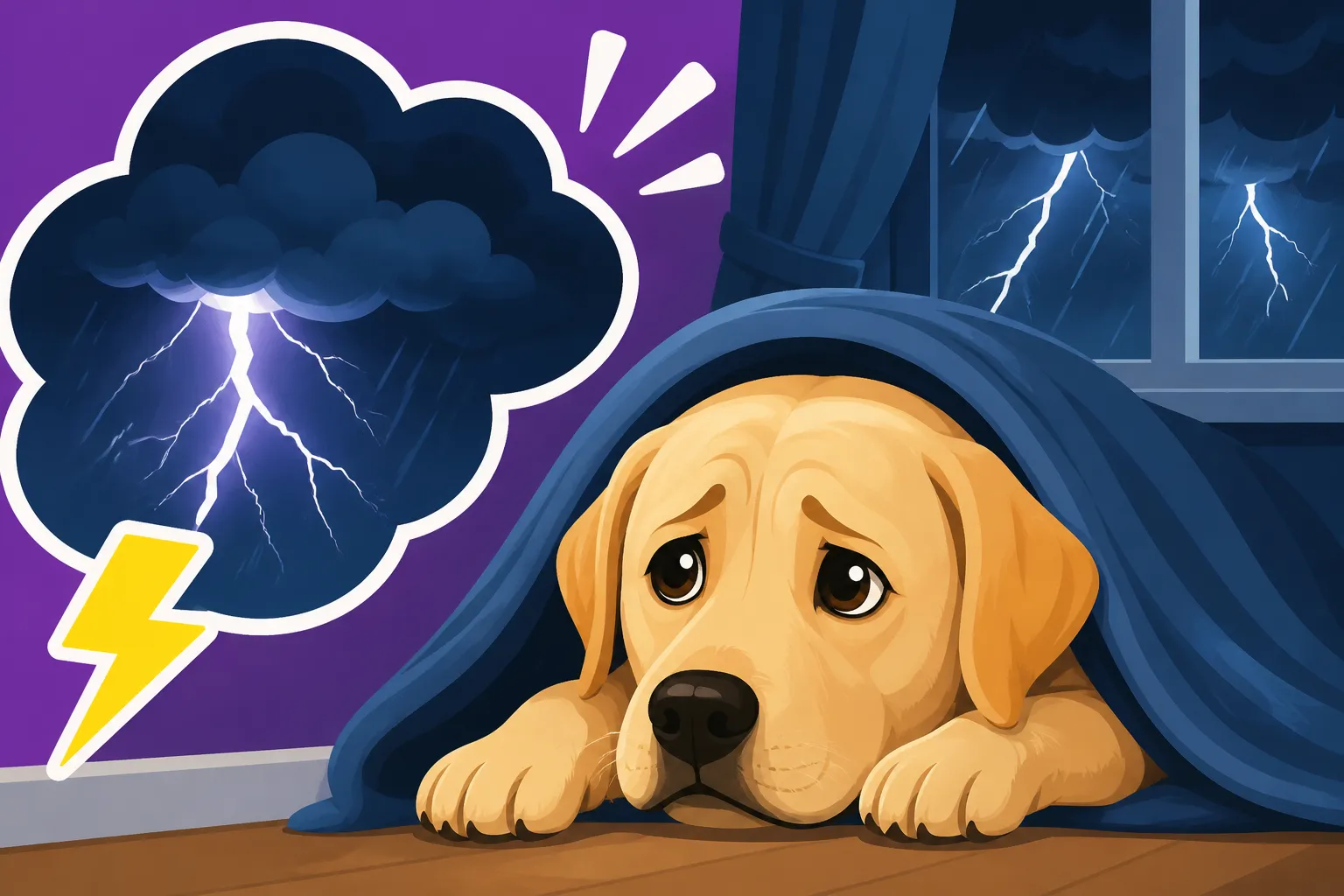
Once the storm is in full swing, the behaviors often become much more pronounced and distressing. The early panting can escalate to rapid, uncontrolled hyperventilation. Whining might turn into incessant barking, howling, or even crying. Many Labradors will shake uncontrollably, sometimes so violently that their whole body shudders. They might try to hide in small, enclosed spaces like bathtubs, closets, or under beds, seeking a perceived sense of security.
Destructive behaviors are also common. An anxious Labrador might chew on furniture, doors, or even attempt to dig at carpets or walls in an effort to escape the perceived threat. Pacing can become frantic, and they may seem disoriented or unaware of their surroundings. Some Labradors lose bladder or bowel control during severe episodes of fear, which is incredibly distressing for both dog and owner. They may also exhibit "velcro dog" behavior, pressing themselves against you, trying to burrow under your arm, or refusing to be left alone for even a second. It's clear they are in a state of terror, and their actions reflect a desperate attempt to feel safe.
Post-Storm Recovery and Lasting Effects
Even after the storm passes and the sun comes out, the effects of a severe thunderstorm phobia episode can linger for hours. Your Labrador might remain withdrawn, quiet, or lethargic, as if recovering from a major ordeal. Their appetite might be diminished, and they might still be prone to jumpiness at sudden noises. They may sleep more deeply, almost as if they're exhausted from the adrenaline dump and stress. This is often an indication that their nervous system is still trying to recalibrate after the intense sensory and emotional experience.
For some Labs, the association with storms can be so strong that they become anxious even on cloudy days, anticipating the next event. This prolonged state of anxiety can take a toll on their overall well-being, affecting their sleep, digestion, and general mood. It can also impact their bond with you if they feel you can't protect them or if they've had negative associations during storms (e.g., being punished for accidents). Addressing their fear isn't just about managing the storm itself; it's about minimizing the long-term stress and helping them regain their sense of security.
Here's a quick look at common symptoms:
| Symptom Category | Specific Behaviors | What it Might Indicate |
|---|---|---|
| Physical Manifestations | Excessive panting, drooling, yawning, lip-licking | Stress, anxiety, discomfort, trying to self-soothe |
| Trembling, shaking, shivering | Fear, adrenaline rush | |
| Urinating/defecating indoors | Extreme fear, loss of control | |
| Dilated pupils, wide eyes | Heightened alert, fear | |
| Behavioral Changes | Pacing, restlessness, inability to settle | Agitation, seeking escape |
| Hiding (under furniture, in closets, bathtub) | Seeking perceived safety, attempting to escape sounds | |
| Clinginess, seeking proximity to owner | Seeking comfort, protection, reassurance | |
| Destructive chewing, scratching, digging | Redirected anxiety, attempt to escape | |
| Whining, barking, howling | Expressing distress, fear, seeking attention | |
| Refusal to eat, decreased appetite | Stress, anxiety impacting physiological function |
Practical Strategies to Help Your Labrador Cope
Once you understand why your Labrador is reacting the way they are, you can start to implement strategies to help them. These aren't quick fixes, but consistent application can make a significant difference.
Creating a Safe Haven and Den
One of the most important things you can do for a storm-phobic Labrador is to provide them with a designated safe space, a den where they can feel secure. This should ideally be an interior room, away from windows, perhaps a bathroom or a large closet. If they are crate trained, drape a thick blanket over the crate to help muffle sounds and block light flashes, making sure there's still good airflow. The key is to make this space consistently available and inviting before a storm hits. Don't just usher them in when the thunder starts; let it be a place they can retreat to on their own terms.
Inside their safe haven, provide familiar, comforting items like their favorite bed, a well-loved blanket, and durable chew toys to help distract them. You can also incorporate white noise or calming music. A fan, air purifier, or even a specialized dog-calming music playlist (you can find many on streaming services, often labeled for anxiety or thunderstorms) can help mask the intensity of the thunder. The goal is to create an environment that minimizes the sensory input that triggers their fear, making them feel more protected and less exposed. This space should be their sanctuary, not a place they are forced into.
Desensitization and Counter-Conditioning Techniques
While it sounds complicated, desensitization and counter-conditioning are powerful tools that, with patience, can change your Labrador's emotional response to storms. Desensitization involves gradually exposing your Lab to the fear-inducing stimulus (in this case, storm sounds) at a very low level, where they don't react with fear. You might start by playing recordings of distant thunder at a barely audible volume. As they remain calm, you pair this sound with something highly positive, like their favorite high-value treats or a game of tug. This is counter-conditioning – changing a negative emotional response into a positive one.
Slowly, over weeks or months, you can gradually increase the volume of the storm sounds, always ensuring your Labrador remains relaxed and happy. If they show any signs of anxiety, you reduce the volume immediately. This process can be painstakingly slow, but it helps them re-associate storm sounds with good things, rather than terror. It's often best done under the guidance of a professional dog trainer or veterinary behaviorist. Remember, the goal is not to flood them with fear, but to build positive associations at their own pace. Consistency is key, and never push them past their comfort level.
Calming Aids and Professional Support
When dealing with severe thunderstorm phobia, various calming aids can offer some relief, though they are often most effective when used in conjunction with behavioral modification techniques. ThunderShirts or other compression wraps can provide a sense of security, much like swaddling a baby. Many owners report a noticeable reduction in anxiety with these. Diffusers that release dog-appeasing pheromones (DAP) can also have a calming effect on some Labradors. You can find these readily available on platforms like Amazon.
For more pronounced anxiety, your veterinarian might discuss anti-anxiety medications or supplements. These aren't sedatives meant to "knock out" your dog, but rather medications that help reduce their panic response, allowing them to be more receptive to other coping strategies. There are also specific supplements like L-theanine or Zylkene that some vets recommend. It's crucial to consult your vet to determine the most appropriate and safe options for your individual Labrador. For deep-seated phobias, working with a certified professional dog trainer or a veterinary behaviorist can provide tailored guidance and a comprehensive plan, ensuring you're not just guessing at solutions. Sometimes, what looks like fear can be mixed with other anxieties, so a professional can help differentiate. For example, if your Lab has general anxiety about being left alone, addressing Separation Anxiety in Labrador Retrievers could also reduce their overall stress, making them less reactive to storms. For those who want structured guidance at home, online platforms like BAXTER & Bella offer training courses that might include confidence-building exercises that indirectly help with storm phobias by making your dog generally more resilient.
Long-Term Management and Prevention
Dealing with thunderstorm fear isn't just about weathering the storm; it's about building a foundation of resilience and confidence for your Labrador in the long run. It's an ongoing process that often requires consistent effort.
Lifestyle Adjustments and Routine
A stable, predictable routine can be incredibly beneficial for an anxious Labrador. Knowing what to expect each day can reduce overall stress levels, making them less reactive to unexpected events like storms. Ensure they receive adequate physical exercise before a storm is predicted, if possible. A good, long walk or a vigorous game of fetch can help burn off nervous energy, provided the weather allows for it safely. However, never force exercise if they are already showing signs of distress. Mental stimulation is just as important; Mental Work for a Bored Labrador can help keep their minds engaged and tire them out in a different way, making them less prone to focus on their anxieties.
Consider adjustments to your home environment. Soundproofing a designated "safe room" can be a worthwhile investment. Heavy curtains or blinds can block out lightning flashes. During a storm, try to remain calm yourself. Dogs are incredibly perceptive and will pick up on your anxiety, which can reinforce their own fear. Act normal, talk in a soothing voice, and offer gentle reassurance without overly coddling, which can sometimes inadvertently reward the fearful behavior. Play games, offer a Puzzle Feeders That Slow a Greedy Labrador, or give them a long-lasting chew to distract them. If you know a storm is coming, give any prescribed anti-anxiety medication in advance so it has time to take effect.
Working with a Vet or Behaviorist
For any Labrador experiencing significant storm phobia, professional help is invaluable. Your regular veterinarian can rule out any underlying medical conditions that might be exacerbating their anxiety (e.g., pain from arthritis making them more sensitive to pressure changes). They can also discuss prescription medications or supplements. Don't hesitate to ask your vet about a referral to a board-certified veterinary behaviorist or a certified professional dog trainer specializing in anxiety. These experts can conduct thorough assessments, identify specific triggers, and develop a customized behavior modification plan.
A behaviorist might delve deeper into your Labrador's entire history, looking for patterns or co-occurring anxieties, like Labrador Anxiety Around Fireworks or general noise sensitivity. They can guide you through complex desensitization protocols, teach you advanced counter-conditioning techniques, and help you understand canine body language better. For some Labs, the fear is so ingrained that medication is a crucial part of the management strategy, and a vet or behaviorist is best equipped to manage this safely and effectively. They can also advise on whether methods like Building Confidence in a Timid Labrador could indirectly help by strengthening their overall emotional resilience. Finding the right professional to partner with can truly transform your Labrador's quality of life during stormy seasons.
Building Overall Resilience in Your Labrador
Beyond directly addressing thunderstorm fear, focusing on building your Labrador's overall confidence and resilience can have a profound positive impact. A dog that feels secure in its environment and trusts its owner is generally better equipped to handle stressors. This involves consistent, positive reinforcement training, providing plenty of enrichment, and ensuring they have a secure attachment to you. Regular training sessions, even short, fun ones, help build a dog's confidence and strengthens your bond. If you're looking for guidance on training from puppyhood up, online resources like BAXTER & Bella can offer structured programs that contribute to a well-adjusted dog.
Expose your Labrador to a variety of positive experiences in different environments, helping them learn that new things aren't always scary. Continue with appropriate socialization throughout their lives, not just as puppies. Ensure they have appropriate outlets for their natural Labrador instincts, like retrieving games or scent work, which can be mentally fulfilling. A well-adjusted, confident Labrador is one that is better able to process and cope with frightening stimuli. While you might never eliminate thunderstorm fear entirely, you can certainly reduce its intensity and frequency, helping your loyal companion live a happier, less anxious life.
Disclaimer
This article is for general informational purposes only and does not constitute professional advice. Laws, prices and regulations vary by location and change over time. Consult a qualified professional for guidance on your specific situation.