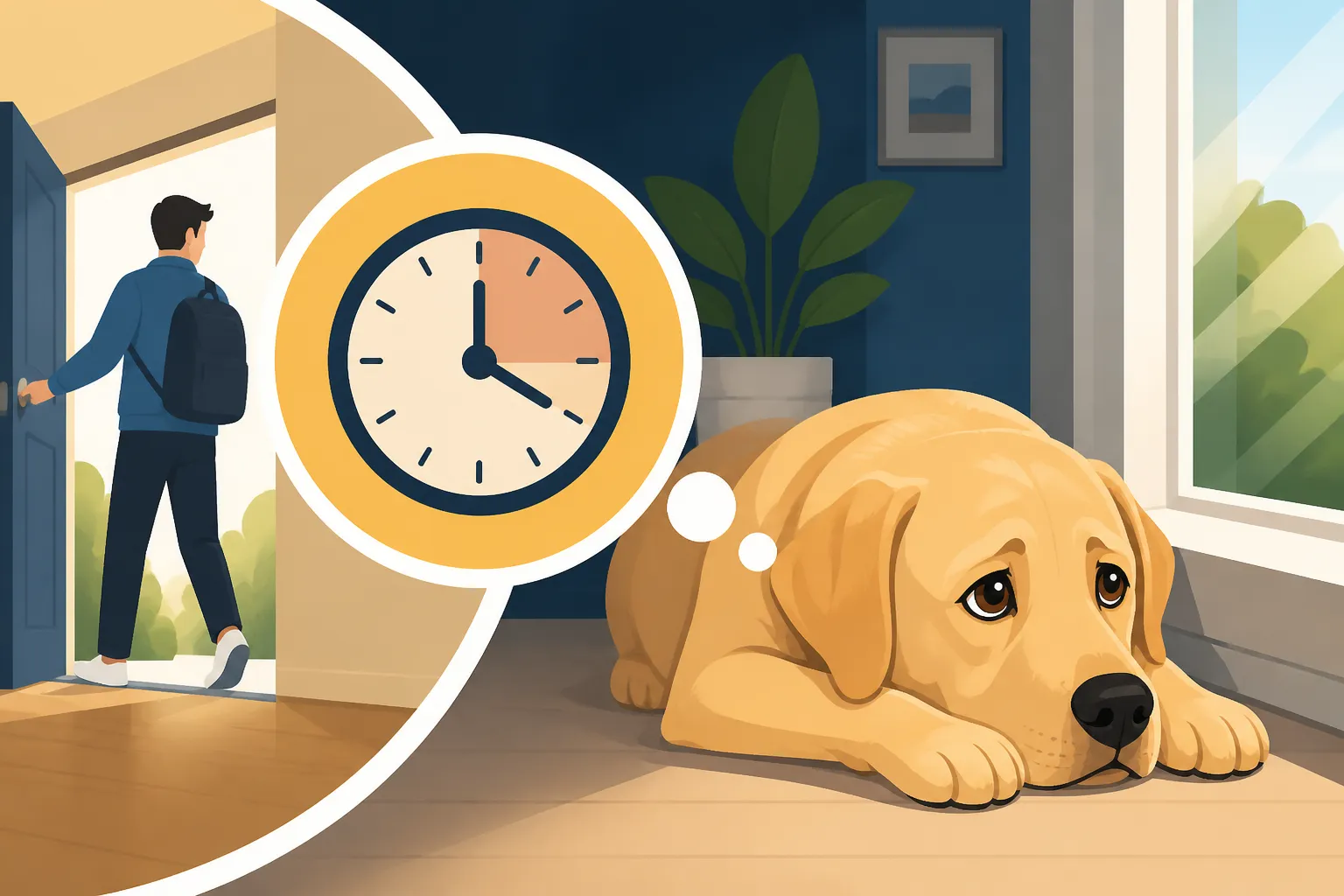
How Long a Labrador Can Be Left Alone
One of the trickiest challenges every Labrador owner faces is the nagging question: "How long is too long to leave my best friend home alone?" It’s a common source of guilt, worry, and sometimes, unexpected destruction when you come home. This guide is here to help you navigate the complexities of leaving your Labrador by themselves, understanding their needs, and developing strategies to ensure they're safe, comfortable, and happy while you're away.
Understanding Your Labrador's Needs for Alone Time
It’s easy to think of "a dog" as a generic entity, but the truth is, every Labrador is an individual with unique needs influenced by their age, personality, and how much training they've had. What works for one Lab might be a recipe for disaster for another.
Age Makes a Huge Difference
A tiny Labrador puppy, with their adorable clumsy paws and endless energy, simply cannot be left alone for extended periods. Their bladders are small, their attention spans are even shorter, and they're learning the world. They need frequent potty breaks, short bursts of interaction, and a lot of supervision. Think about it: an 8-week-old puppy needs to go out every couple of hours, sometimes more often, especially after waking up, eating, or playing. Ignoring this biological need isn't just uncomfortable for them; it actively hinders your House Training a Labrador Retriever efforts and can lead to unhealthy habits or extreme distress.
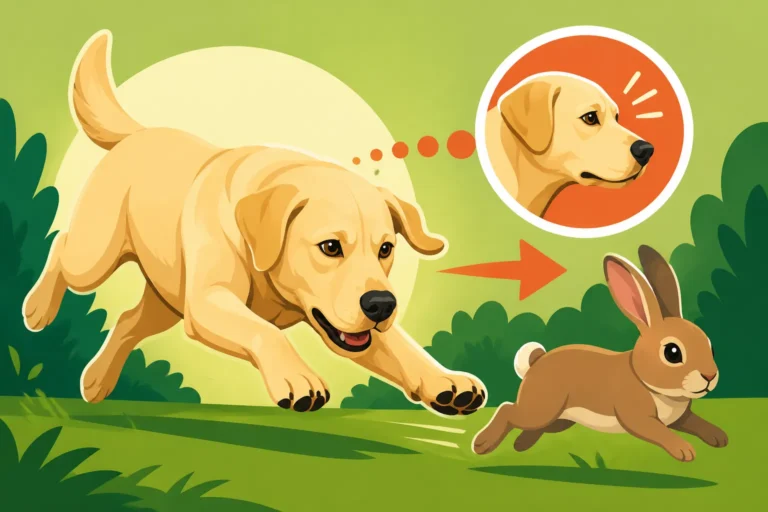
As they grow into rambunctious adolescents, often around six months to two years old, their physical bladder control improves, but their mental and emotional needs shift. This is often the peak time for mischief. They have more energy, more confidence, and are constantly exploring with their mouths. A bored adolescent Labrador can easily turn into a destructive force, chewing through furniture, baseboards, or anything they can get their paws on. They might still get into things they shouldn't, like socks or shoes, so puppy-proofing is still essential. Labrador Chewing Through Adolescence is a real phenomenon, and leaving them too long without proper enrichment can exacerbate it.
Adult Labradors, generally from two years onward, tend to be more settled. They've usually mastered house-training, understand boundaries, and have developed a routine. However, their physical and mental stimulation needs are still significant. A mature Labrador still requires ample exercise before being left alone to help them relax. If they don't get that good run or long walk, they'll have pent-up energy, making them more prone to boredom and seeking their own "entertainment." Seniors, on the other hand, might need more frequent potty breaks again due to age, and their comfort becomes paramount. Stiff joints or failing eyesight mean their environment needs to be safe and easy to navigate. Caring for a Senior Labrador requires a different approach to alone time, prioritizing their physical well-being and reducing any potential anxiety.
Individual Temperament and Training Level
Beyond age, your Labrador's unique personality plays a massive role. Some Labs are naturally more independent, content to nap or chew a favorite toy while you're out. Others are true "velcro dogs," deeply attached to their humans and prone to anxiety when left alone. These dogs might develop Separation Anxiety in Labrador Retrievers, displaying behaviors like excessive barking, destructive chewing, or inappropriate urination and defecation when you're not there. It's not about being "naughty"; it's a genuine panic response.
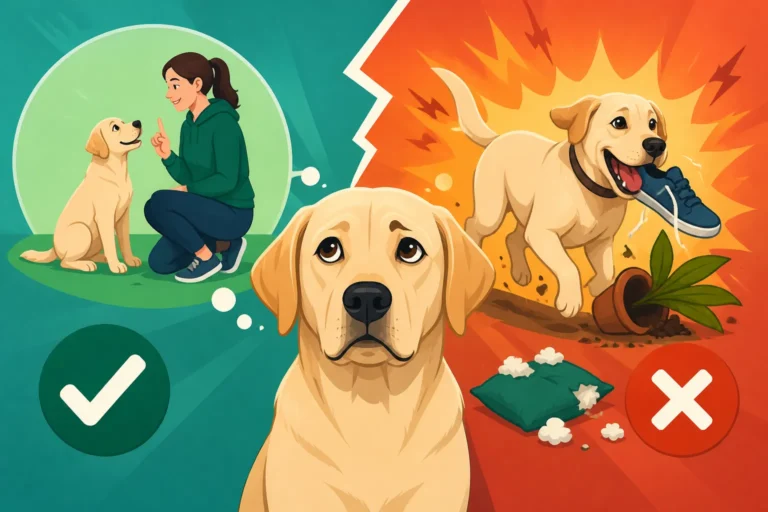
The amount of consistent training you've invested also makes a difference. A Labrador that has been gradually accustomed to alone time through positive reinforcement, has a solid Crate Training a Labrador Puppy foundation, and understands that your departure isn't a permanent abandonment, will cope much better. If their alone time has been unpredictable, or if they've had negative experiences (like being left too long when they were younger), they're more likely to struggle.
Factors That Influence How Long Your Labrador Can Be Left Alone
There isn't a single, universal answer to "how long?" It's a nuanced question with several variables that must be considered. Understanding these can help you make an informed decision and create a safe environment for your furry friend.
The Importance of a Pre-Departure Routine and Exercise
One of the biggest factors in a Labrador's ability to cope with alone time is what happens before you walk out the door. A long, engaging walk, a solid game of fetch, or a mental stimulation session can make all the difference. A tired Labrador is a good Labrador, especially a sleeping Labrador. If your dog is mentally and physically exhausted, they're much more likely to settle down and sleep while you're gone rather than pacing, whining, or looking for trouble.
Think about it: a quick dash into the yard for a potty break isn't enough to burn off a Lab's energy. They need purposeful activity. For an adult Lab, this might mean a 30-60 minute brisk walk, a good swim (if accessible), or a vigorous fetch session in the park. Even some basic obedience practice, like a short Mental Work for a Bored Labrador session with commands and puzzle toys, can help tire them out mentally. The goal is to drain their energy reserves so they're genuinely ready for a nap.
Environmental Enrichment and Safety
What does your Labrador have access to while you're gone? An empty house with nothing to do is an invitation for boredom, which quickly leads to destructive behaviors. Providing appropriate enrichment can significantly extend the time your Lab can comfortably be left alone. This includes:
- Durable Chew Toys: Labs love to chew, especially when bored or stressed. Offer sturdy, safe chew toys that can withstand their powerful jaws. Look for brands known for durability on platforms like Amazon.
- Puzzle Feeders: These turn mealtime into a game, keeping your Lab occupied for a good chunk of time. Stuffing a Kong or similar toy with peanut butter or wet food and freezing it can provide long-lasting mental stimulation.
- Interactive Toys: Some toys dispense treats or require manipulation to get a reward, engaging their minds.
- Safe Space: Whether it's a crate or a dog-proofed room, ensure the area is safe. Remove anything they could chew, swallow, or injure themselves with. What a Teething Labrador Destroys can be surprising, so be vigilant even with older puppies. Cords, small objects, toxic plants, and easily damaged furniture should be out of reach.
A comfortable, familiar space also helps. If your Labrador is crate trained, their crate should be a positive, safe den, not a place of punishment. Some Labs prefer to free-roam in a dog-proofed area, while others feel more secure in their crate.
General Guidelines for Alone Time by Age
These are just rough estimates, as every Labrador is different, but they provide a starting point for managing alone time.
| Labrador Age | Maximum Recommended Alone Time (Approx.) | Considerations |
|---|---|---|
| 8-10 Weeks | 1-2 hours | Small bladder, high potty frequency, needs constant supervision, critical socialization period. |
| 10 Weeks – 3 Months | 2-3 hours | Still needs frequent potty breaks, prone to destructive chewing, attention span very short. |
| 3-6 Months | 3-4 hours | Improved bladder control, but energy levels are high, adolescent chewing starts, can develop separation anxiety. |
| 6-12 Months | 4-6 hours | Better bladder control, but still high energy, requires significant exercise, prone to testing boundaries. |
| 1-2 Years | 6-8 hours (maximum, with caveats) | Can hold bladder longer, but daily exercise crucial, risk of boredom/destruction if not properly prepared. |
| 2+ Years | 6-8 hours (maximum, with caveats) | More settled, but still needs adequate exercise and mental stimulation before being left. Longer times are a stretch. |
| Senior Labradors | 4-6 hours (often less) | May need more frequent potty breaks, focus on comfort, easy access to water, and gentle exercise before leaving. |
Important Caveat: These are maximum guidelines. It's always better to aim for shorter periods, especially when first introducing alone time or when there's been a change in routine. No dog should regularly be left alone for 9-10+ hours a day without significant provisions like a dog walker or daycare.
Strategies for Building Alone Time Tolerance
Leaving your Labrador alone successfully is a skill, both for you and for them. It requires consistency, patience, and a gradual approach. Rushing it can lead to anxiety and behavioral problems.
Gradual Acclimation and Positive Associations
The key to a well-adjusted Labrador who can handle alone time is to build up their tolerance gradually. This process should start from the moment you bring your puppy home or adopt an adult dog.
- Start Small: Begin with very short absences. Leave the room for a minute or two, then return. Don't make a big fuss when you leave or return. The goal is to make your departures and arrivals feel normal, not like a dramatic event.
- Increase Duration Slowly: Once your Lab is comfortable with short periods, gradually extend the time. Go to another room, close the door, and stay for five minutes. Then ten, then fifteen. Build up to leaving the house for short errands, like checking the mail or a quick trip to the corner store.
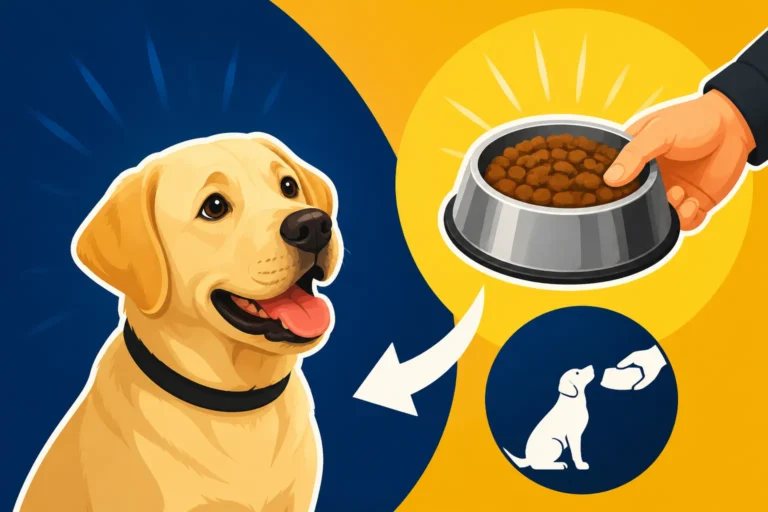
- Create Positive Associations: Before you leave, give your Labrador a special, high-value chew toy or a stuffed puzzle feeder. This helps them associate your departure with something enjoyable and distracting. This is where those durable chew toys from Amazon come in handy – something they only get when you're leaving.
- Practice Departure Cues: Pick up your keys, put on your shoes, grab your bag. Practice these "departure cues" without actually leaving the house. This helps desensitize your Labrador to these triggers, so they don't automatically associate them with your absence.
Providing Mental and Physical Stimulation
A bored Labrador is a destructive Labrador. Labradors are intelligent working dogs with a strong retrieving drive, and they need outlets for that energy. Simply being left in a yard isn't usually enough.
- Structured Exercise: As mentioned, a good dose of physical exercise before you leave is paramount. This isn't just a quick potty break; it's a brisk walk, a run, or a solid game of fetch. Daily Walk Length for a Labrador needs to be substantial to keep them happy and calm.
- Interactive Toys: Beyond standard chew toys, consider treat-dispensing toys that require problem-solving. This engages their brain and makes them work for their food or treats, keeping them occupied for longer periods.
- Scent Work: Even simple indoor scent games can be incredibly tiring for a Labrador. Hiding treats around the house (in safe, accessible spots) and letting them sniff them out uses their natural abilities and provides mental enrichment.
If you have a young, high-energy Labrador, or one with separation anxiety, an online training program like BAXTER & Bella can offer guidance and structured exercises to help build confidence and independence. They often have resources specifically addressing alone time issues.
When to Seek Professional Help
If you've tried gradual acclimation, plenty of exercise, and enrichment, and your Labrador still struggles with alone time – displaying excessive barking, destructive behavior, inappropriate urination/defecation, or self-harm when you're away – it might be time to seek professional help. These can be signs of genuine anxiety, not just boredom or spite.
A certified professional dog trainer or a veterinary behaviorist can assess your Labrador's specific situation, rule out any underlying medical conditions, and develop a tailored behavior modification plan. They can help you differentiate between boredom and true Telling Labrador Boredom From Real Anxiety, which requires different intervention strategies. Sometimes, medication in conjunction with behavior modification is necessary for severe cases of separation anxiety. Don't feel ashamed; it's a common issue, and getting help is the kindest thing you can do for your dog.
Modern Solutions for the Modern Labrador Owner
In today's busy world, technology and professional services can be a huge help in bridging the gap when you can't be with your Labrador.
Dog Walkers and Doggy Daycare
For those days when you simply can't get home in time, or if your work schedule requires long hours, a reliable dog walker or doggy daycare can be a lifesaver.
- Dog Walkers: A mid-day dog walker can break up a long stretch of alone time, providing a potty break, some exercise, and a bit of human interaction. This can significantly reduce stress and boredom. Ensure you find a reputable, insured walker with good references.
- Doggy Daycare: For high-energy Labs or those who thrive on social interaction, a few days a week at a quality doggy daycare can be fantastic. They get supervised play, exercise, and mental stimulation, coming home happy and tired. Look for facilities with experienced staff, good safety protocols, and separate play areas for different temperaments and sizes.
Both options come with a cost, but they are often invaluable for your Labrador's well-being and your peace of mind.
Pet Cameras and Automatic Feeders
Technology has made it easier than ever to keep an eye on your Labrador and even interact with them while you're away.
- Pet Cameras: Many pet cameras offer two-way audio, so you can talk to your dog, and some even dispense treats. This allows you to monitor their behavior, identify potential issues early on, and offer reassurance. Seeing your dog calmly napping can also do wonders for your own guilt! You can find a range of options on Amazon, from basic monitoring to advanced treat-tossing models.
- Automatic Feeders: If you have a Lab on a strict feeding schedule or one who gulps down their food too quickly, an automatic feeder can help. Some can be programmed to dispense small meals throughout the day, providing a brief distraction and preventing overeating in one go.
Remember, while these tools are helpful, they are not replacements for human interaction, exercise, or proper training. They are supplements to a well-rounded care plan for your Labrador. Knowing How Long a Labrador Can Be Left Alone isn't just about the clock; it's about the quality of their time both with you and when you're away.
Disclaimer
This article is for general informational purposes only and does not constitute professional advice. Laws, prices and regulations vary by location and change over time. Consult a qualified professional for guidance on your specific situation.