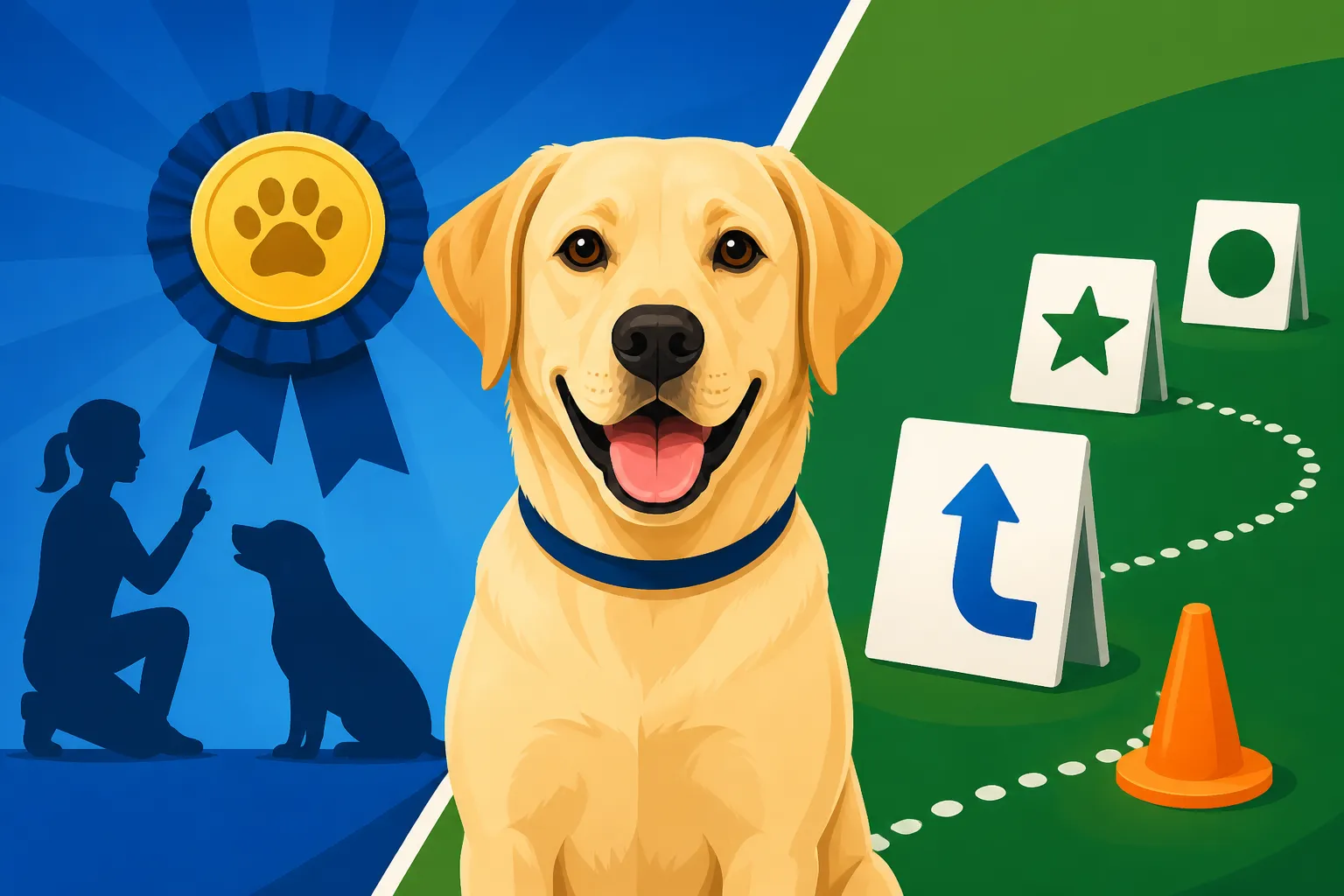
Labrador Titles in Obedience and Rally
It's a wonderful feeling when your Labrador understands what you're asking, but sometimes, you might feel like you've hit a plateau with basic commands. You know your furry friend is capable of so much more, and you're looking for a way to channel their incredible intelligence and eagerness to please into a structured activity that strengthens your bond. This guide will walk you through the exciting world of obedience and rally titles, explaining what they are, why they'd be a perfect fit for your smart and enthusiastic Labrador, and how you can get started on this rewarding journey together.
What Are Obedience and Rally Titles?
When we talk about "titles" in dog sports, we're referring to official recognition of a dog's achievement in a specific area of competition. For Labradors, with their inherent intelligence and desire to work alongside their human companions, obedience and rally are particularly popular and fulfilling avenues. These aren't just about showing off; they're about proving a high level of training, control, and teamwork between you and your dog under various conditions.
Understanding AKC Obedience Trials
AKC Obedience trials are often called "doggie Mensa" because they demand precision, consistency, and a deep understanding between dog and handler. The goal is for the dog to perform a prescribed set of exercises exactly as requested, demonstrating a joyful willingness to comply. It's a true testament to the hours of dedicated training you've put in.
There are different levels, and earning a title means successfully completing the required exercises three times under different judges. The first level most dogs start with is Novice, where you’ll demonstrate basic commands like heeling on and off-leash, coming when called (recall), standing for examination, and performing a stay for a specified period with distractions. Imagine your Labrador, known for their boundless energy, sitting calmly for three minutes while you walk across the ring and back, then lying down for five minutes while you're out of sight. It sounds challenging, but with consistent effort, it's absolutely achievable. Once a dog earns their Companion Dog (CD) title, they can move up to the Open level, which introduces more complex tasks like retrieving over a high jump or a broad jump, and longer stays from a distance. The highest level is Utility, where exercises become even more intricate, involving scent discrimination, hand signals, and directed retrieves. Each level builds upon the last, deepening your Labrador's understanding and honing their skills.
Exploring AKC Rally Obedience
If traditional obedience feels a bit too rigid or intimidating at first, Rally Obedience might be just the ticket for you and your Labrador. Rally is often described as a more "fun" and less formal version of obedience, emphasizing continuous communication between handler and dog. Think of it like a scavenger hunt combined with an obedience course. You and your Labrador navigate a numbered course of 10-20 signs, each instructing you to perform a specific exercise, such as "Spiral Right, Dog Outside," "Sit-Stay-Walk Around," or "Offset Figure Eight."
The beauty of Rally is that you can talk to your dog, encourage them, and even use multiple commands to get the desired response at each station. There's a strong focus on teamwork and enthusiasm, which really suits the Labrador temperament. You're timed, but accuracy and enthusiasm are key. Like traditional obedience, there are different levels: Novice, Advanced, Excellent, and Master, each introducing more challenging exercises and requiring off-leash work at higher levels. Earning a Rally Novice (RN) title, for example, means you've successfully completed a Rally Novice course three times under different judges. It's a fantastic way to build confidence for both you and your Labrador, and many find it a great stepping stone towards traditional obedience or other dog sports.
| Feature | AKC Obedience Trials | AKC Rally Obedience |
|---|---|---|
| Focus | Precision, exact execution, dog works independently | Teamwork, continuous communication, enthusiasm |
| Course Format | Set exercises performed in a specific sequence | Numbered stations with specific exercises at each |
| Handler Talking | Minimal verbal commands allowed, no encouragement | Constant verbal encouragement and multiple cues |
| Pacing | Controlled, deliberate | Brisk, flowing, fun |
| Difficulty | Highly precise, builds from Novice to Utility | More forgiving, builds from Novice to Master |
| Goal | Demonstrate mastery of specific commands and control | Demonstrate teamwork and communication skills |
Why Pursue Obedience and Rally Titles with Your Labrador?
You might be thinking, "My Labrador is already well-behaved at home, why go through all this?" The answer lies in the profound benefits it offers both you and your dog. It's about much more than just a ribbon or a title; it's about enriching your lives together.
Strengthening the Bond and Communication
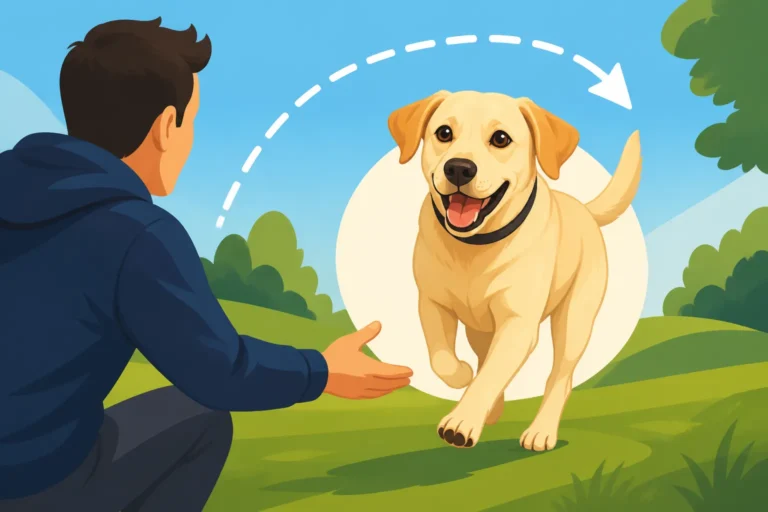
Labradors thrive on connection. They are intelligent dogs, eager to please, and truly enjoy working with their people. When you embark on a journey towards an obedience or rally title, you're not just teaching commands; you're building a deeper language with your dog. You learn to read their subtle cues, anticipate their responses, and communicate your expectations with clarity and consistency. This ongoing dialogue in training sessions translates into a much stronger, more harmonious relationship at home. Imagine being able to walk your Labrador through a busy park, off-leash, knowing with absolute certainty that they will come instantly when called, no matter the distraction. That level of trust and understanding is priceless. Labrador Recall and Working Off Leash is a cornerstone skill that these activities will elevate to new heights.
Moreover, the problem-solving you undertake together during training builds immense mutual respect. Your Labrador learns that paying attention to you brings rewards and enjoyment, and you learn how incredibly capable and intelligent they truly are. It's a partnership where both of you are actively engaged and growing. Even using simple tools like a comfortable treat pouch (easily found on Amazon) for instant rewards can make a huge difference in reinforcing positive behaviors and strengthening this bond.
Mental and Physical Stimulation for Your Lab
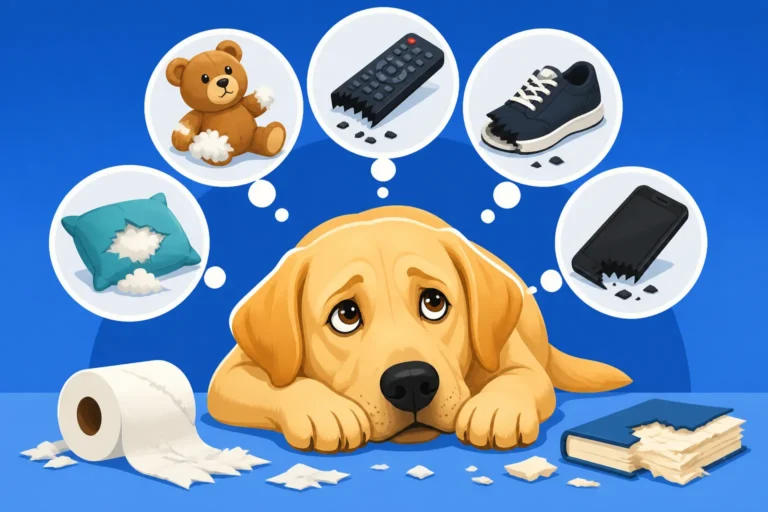
Labradors are working dogs at heart. They were bred for demanding tasks, and while many of our modern Labs are beloved family companions, that drive and intelligence still exist within them. Without proper outlets, this energy can manifest as boredom, leading to undesirable behaviors like excessive chewing, digging, or counter-surfing. Mental Work for a Bored Labrador is just as important as physical exercise.
Obedience and rally training provide unparalleled mental stimulation. Your Labrador is constantly thinking, problem-solving, and focusing their energy on you. Learning new exercises, perfecting existing ones, and performing under pressure in a trial setting all challenge their minds in exciting ways. This mental workout can be just as tiring, if not more so, than a long walk or a game of fetch. Physically, while not as strenuous as agility, these sports require good body control, focus, and stamina. Heeling for several minutes, holding long stays, and executing precise movements all contribute to their physical fitness in a controlled, safe environment. It helps them stay agile and responsive as they age, promoting overall well-being.
Recognizing Your Labrador's Hard Work
Let's be honest, we all love to celebrate our dogs, and earning a title is a fantastic way to do just that. It's a tangible recognition of the dedication, perseverance, and teamwork you and your Labrador have invested. The sense of accomplishment you both feel when you hear your dog's name called for a qualifying score is incredibly rewarding. It validates all those early morning training sessions, the treat bags meticulously filled, and the countless repetitions.
These titles aren't just for bragging rights; they signify that your Labrador has achieved a recognized standard of training and behavior, a testament to their intelligence and your commitment. It can be a wonderful confidence booster for both of you, inspiring you to explore even more advanced training or other dog sports. Plus, having a titled Labrador can be a point of pride, showcasing the incredible potential of the breed. It underscores their reputation as highly trainable and intelligent companions, perfect for Training a Labrador From Puppy to Adult.
Getting Started: Training and Competition
So, you're ready to dive into the world of obedience and rally? Fantastic! Getting started is an exciting step, and with a Labrador, you're already beginning with an incredible advantage: their eagerness and intelligence.
Finding the Right Training Resources
The first step is often finding a local dog training club or an experienced instructor who specializes in obedience or rally. Look for positive reinforcement-based trainers who understand the Labrador temperament. A good class will not only teach you the exercises but also help you troubleshoot common challenges. Don't be afraid to observe a class before joining to see if the teaching style is a good fit for you and your dog. Many clubs offer beginner obedience or "Canine Good Citizen" classes that serve as excellent foundations for both obedience and rally. Online programs can also be a fantastic supplement or even a primary resource, especially if local options are limited. Companies like BAXTER & Bella offer comprehensive online puppy and obedience training programs that can guide you through foundational skills at your own pace, often providing detailed videos and support. This can be particularly useful for those who need flexibility in their schedule or want to reinforce lessons learned in group classes. Choosing a Trainer for a Labrador is a crucial decision for your success.
Beyond formal classes, there are abundant resources available. Books, online articles, and video tutorials can help you understand the nuances of each exercise. Practice at home in short, frequent sessions. Remember, Short Training Sessions That Suit a Labrador are often more effective than long, drawn-out ones. Five-minute bursts of focused work can yield incredible results and keep your Labrador engaged and happy.
Essential Gear and Preparation
You don't need a lot of fancy equipment to get started, but a few key items will make your training journey smoother.
- High-Value Treats: Labradors are famously food-motivated! Small, soft, and extremely palatable treats are essential for reinforcement. Cooked chicken, cheese, or specialized training treats often work wonders. Experiment to find what truly motivates your particular Labrador. Treats That Motivate a Food-Driven Labrador are your best friend here.
- Treat Pouch: A convenient pouch that clips to your waist allows for quick and seamless reward delivery, which is critical for timing. You can find many excellent options on Amazon.
- A Sturdy Leash and Collar: For the Novice obedience and rally levels, a standard 6-foot leash and a flat buckle collar or martingale collar are usually all you need. Ensure they are comfortable and secure for your strong Labrador.
- A Crate: A crate is invaluable for teaching your Labrador to settle, providing a safe space, and for use during trials when you're not in the ring. How Long a Labrador Can Stay Crated is a practical consideration for trial days.
- Training Platform (Optional but helpful): A small raised platform can be great for teaching precise positions like "sit" or "down" by clearly defining the space.
Beyond gear, mental preparation is key. Understand the rules and regulations of the sport you're entering. Attend a few trials as a spectator to get a feel for the atmosphere and what's expected. Familiarizing yourself with the environment can help calm both your nerves and your Labrador's on competition day.
The Competition Experience
Stepping into the trial ring for the first time can be nerve-wracking, but it's also incredibly exhilarating. The atmosphere at trials is generally supportive, with fellow competitors often offering encouragement and advice. You'll sign in, get your ring time, and usually have a chance for a brief warm-up outside the ring. When it's your turn, you and your Labrador will enter the ring and perform the exercises or navigate the course.
Judges are looking for willing cooperation and a dog that appears happy to be working with their handler. Mistakes happen, even with the most experienced teams. The key is to learn from each experience, celebrate the successes, and always remember that you're there to have fun with your dog. The journey to a title is often more important and memorable than the title itself. Each trial is a chance to refine your teamwork and deepen your connection.
Common Labrador Challenges and How to Overcome Them
While Labradors are incredibly trainable, they do come with their own unique set of charming "quirks" that can sometimes present challenges in the training ring. Understanding these and having strategies to manage them will set you up for success.
Managing the Labrador's Enthusiasm and Drive
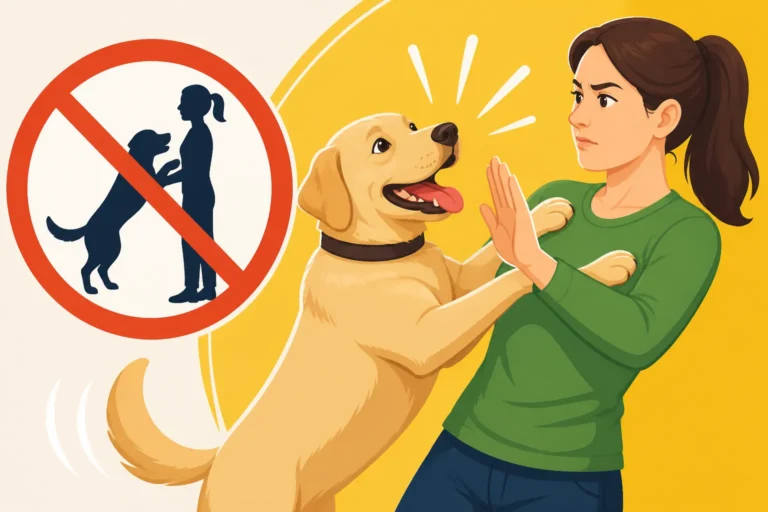
Labradors are known for their boundless energy and exuberant greetings. While this makes them wonderful companions, it can be a double-edged sword in a controlled environment like an obedience ring. A Labrador's joyful "wiggle butt" or tendency to bounce can cost points for precision in obedience, or even distract them from the task at hand in rally.
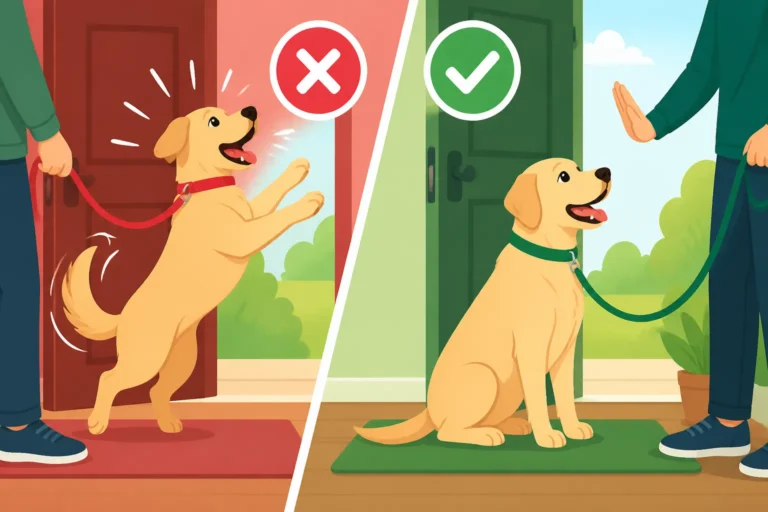
The key to managing this enthusiasm is channeling it. Instead of trying to suppress their natural joy, teach them when and where it's appropriate. During training, focus on short, high-energy bursts followed by calm, focused work. Use a marker word or clicker to pinpoint the exact moment they perform correctly, then reward immediately with a treat or a quick game of tug. Practicing self-control exercises, such as waiting patiently for a toy or food, can also help. For rally, where enthusiasm is a plus, encourage that happy, brisk pace, but ensure they understand they need to stay connected to you. Regular exercise before training or competing can help take the edge off their energy, making them more receptive to focused work. Whether Labrador Energy Drops After Three is a common question, but proper channeling is always important.
Dealing with the "Foodie" Nature
Ah, the Labrador's legendary appetite! This can be your greatest asset in training, as it makes them incredibly motivated by treats. However, it can also be a significant distraction. A dropped treat from another dog, a crumb on the floor, or even the smell of food wafting from a nearby concession stand can completely derail a focused Labrador.
To combat this, teach a strong "leave it" command from an early age. Practice it with various distractions, starting with low-value items and gradually increasing to highly tempting foods. Use Using a Labrador's Food Drive as Leverage by making yourself the most exciting source of food. Don't let them free-feed; instead, use their meal portions as part of your training rewards throughout the day. In the training ring, use treats that are easily consumed without crumbling or making a mess, and always carry them in a secure pouch. If your Labrador is prone to scanning the floor, teach them to focus on your face or hand during heeling. Over time, you want their primary motivation to be working with you, even if the promise of a treat is still a strong component.
Overcoming Distractions in the Ring
Dog trials are busy places. There are other dogs, unfamiliar people, strange sounds, new smells, and sometimes even the lure of a bird flying overhead if you're outdoors. For a Labrador, who loves everyone and everything, these distractions can be overwhelming. They might want to greet a passing dog, sniff an interesting patch of grass, or investigate a noise.
The solution here is gradual exposure and consistent training in increasingly distracting environments. Start practicing in your quiet backyard, then move to a local park during off-peak hours, then to busier areas. Attend "match shows" or practice run-throughs if available, which simulate a trial environment without the pressure of official judging. This helps your Labrador get accustomed to the sights and sounds without the stakes being too high. Make sure your fundamental commands like "watch me" and "stay" are rock-solid, even amidst chaos. Labrador Puppy Socialization Windows are crucial for building resilience to novel situations from a young age. Every distraction is an opportunity to reinforce that staying connected to you is the most rewarding choice. Remember, patience and repetition are your allies in helping your Labrador master focus in any environment.
Disclaimer
This article is for general informational purposes only and does not constitute professional advice. Laws, prices and regulations vary by location and change over time. Consult a qualified professional for guidance on your specific situation.