Keeping a Labrador at a Healthy Weight
Labrador owners often face the relentless challenge of managing their dog's weight, a struggle made even harder by their breed's insatiable appetite and adorable, pleading eyes. It feels like a constant battle against the "Labrador vacuum cleaner" persona, and many of us worry if we're doing enough to keep our beloved companions healthy. This comprehensive guide will walk you through understanding why Labs gain weight so easily, how to accurately assess their body condition, and practical, empathetic strategies to maintain a healthy weight for a long, happy life.
Understanding the Labrador's Predisposition to Weight Gain
It's not just your imagination or poor willpower; Labradors are genuinely predisposed to gaining weight. This isn't a character flaw on their part or yours; it's a mix of genetics, their powerful instincts, and the simple reality of how their bodies work. Understanding these underlying factors can help you approach weight management with more compassion and strategy.
The Genetic Factor: The POMC Gene Deletion
One of the biggest reasons your Labrador seems endlessly hungry is rooted in their DNA. A significant portion of Labradors, particularly those with a strong food drive, carry a specific genetic mutation in the POMC gene (Pro-opiomelanocortin). This gene plays a crucial role in regulating appetite and energy expenditure. When a Labrador has this deletion, their brain doesn't receive the "I'm full" signals as strongly as other dogs, or even other Labs without the mutation.
Imagine always feeling a little bit hungry, even after a meal. That's essentially what many Labs with this gene deletion experience. This isn't about being greedy; it's a genuine biological imperative. This knowledge can be incredibly validating for owners who feel like they're constantly fighting against their dog's urges. It helps explain The POMC Gene and Labrador Appetite and why they seem so driven by food, making them more susceptible to weight gain if their intake isn't meticulously managed.
This genetic quirk means that even a perfectly reasonable portion of food might not register as satisfying in their brain's satiety centers. They'll continue to act hungry, beg, and scavenge for any morsel they can find. It's a fundamental challenge that owners of these Labs face, making traditional "free feeding" or casual treat-giving a recipe for disaster. This genetic predisposition is a key reason Why Labradors Gain Weight So Easily.
Breed Temperament and Food Drive
Beyond the specific gene, the Labrador Retriever's inherent temperament and historical purpose heavily influence their relationship with food. Labradors were originally bred to work alongside fishermen, retrieving fish and nets from icy waters. This work required immense stamina and a keen ability to find and carry objects, often rewarding them with sustenance. This deep-seated retrieving drive, combined with a general eagerness to please, often translates into an intense focus on food.
For a Labrador, food isn't just fuel; it's a powerful motivator, a reward, and sometimes, a comfort. This strong food drive can be a fantastic asset in training, as Labs are typically highly trainable when edibles are involved. However, it also means they are constantly seeking out food opportunities, whether it's counter surfing, begging at the dinner table, or meticulously cleaning up crumbs. It's a charming trait until it leads to an expanding waistline.
Their relentless optimism and enthusiasm often extend to meal times and treat offerings. They greet every bowl and every treat with unbridled joy, making it incredibly hard for human companions to resist their charms. This temperament, while endearing, requires owners to be incredibly disciplined and consistent in managing their caloric intake to prevent them from becoming overweight.
Age-Related Metabolism Changes
Just like humans, a Labrador's metabolism naturally slows down as they age. A vibrant, energetic two-year-old Labrador burns calories at a much faster rate than a cozy, seven-year-old senior. This metabolic shift often goes unnoticed by owners because daily routines and food portions might not change significantly, leading to a gradual, insidious weight gain over months and years.
As Labs get older, they also tend to become less active. Those long runs and vigorous games of fetch might be replaced by shorter walks and more napping. This decrease in energy expenditure, coupled with a slower metabolism, creates a perfect storm for accumulating extra pounds. A senior Labrador may seem perfectly content with less activity, but their caloric needs have changed dramatically.
It's crucial to acknowledge this natural progression and adjust their diet and exercise accordingly as they enter their senior years. Ignoring these age-related changes can lead to Labrador Obesity and the Years It Costs and exacerbate other age-related health issues, such as Arthritis Signs in a Seven-Year-Old Labrador. Being proactive about monitoring their weight and adjusting their lifestyle is one of the kindest things you can do for your aging companion.
Recognizing When Your Labrador is Overweight
It’s easy for weight gain to sneak up on us, especially with a breed as naturally robust and stoic as the Labrador. One day they’re lean, the next you notice they look a bit rounder, and suddenly you’re wondering when that happened. Being able to accurately assess your Labrador's body condition is your first and most critical step in managing their weight effectively.
The Body Condition Score (BCS) System
The Body Condition Score (BCS) is a universally recognized system that helps you evaluate your dog's fat reserves. It's much more accurate than just looking at a number on a scale, as dogs of the same breed can have different ideal weights based on their build and sex. Most vets use a 1-9 scale, where 1 is emaciated, 9 is morbidly obese, and the ideal healthy weight for a Labrador is typically a 4 or 5.
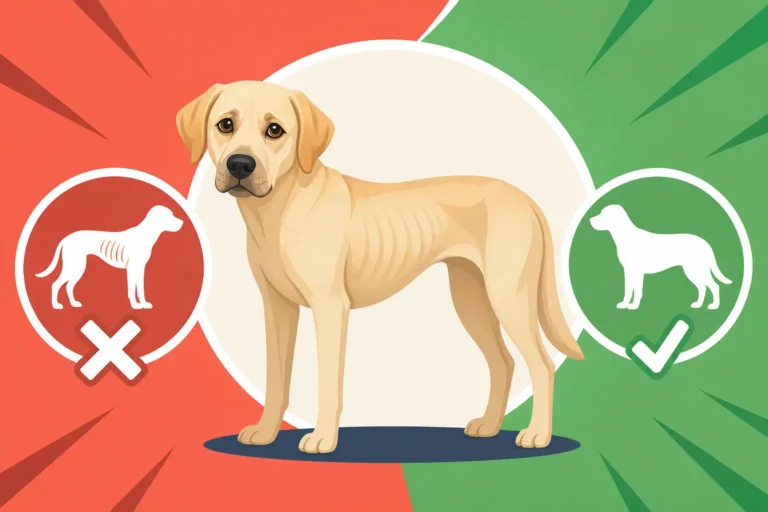
To assess your Labrador's BCS, you need to use both your eyes and your hands. First, look at them from above: an ideal Labrador should have a noticeable "waist" where their body tucks in behind their ribcage. From the side, their abdomen should tuck up slightly from their chest, not hang level or lower. Now, the hands-on part: gently feel along their sides. You should be able to easily feel their ribs, almost like feeling the knuckles on your hand, without them being visibly prominent. If you have to press hard to feel them, or you can't feel them at all, your Lab is likely overweight. If you can clearly see their ribs without much effort, they might be too thin. Getting a handle on Labrador Body Condition Scoring is paramount for any owner.
Regularly performing this simple check can help you catch weight gain early, before it becomes a significant problem. It’s a habit every Labrador owner should adopt, especially since these dogs carry their weight so gracefully at first, making it harder to spot until it’s quite pronounced. Don't be shy about getting hands-on; it's the best way to monitor changes over time.
Visual Cues and Behavioral Changes
Beyond the BCS, there are several visual cues and behavioral changes that can signal your Labrador is carrying too much weight. Visually, look for a loss of that distinctive waistline—instead of tucking in, their body might appear more like a barrel. Their neck might seem thicker, and they might develop a noticeable layer of fat over their hips and tail base. Their belly might sag lower than it should, sometimes even swinging a little as they walk.
Behaviorally, an overweight Labrador might show a decrease in energy or enthusiasm for activities they once loved. They might be slower to get up, reluctant to jump into the car, or seem to tire out more quickly during walks or play. You might notice them panting more heavily with less exertion, or struggling with stairs. They might also become more vocal about food, begging more persistently because their body is constantly signaling hunger. These changes can be subtle at first, often mistaken for "just getting older," but they're critical indicators that their weight is impacting their quality of life.
It's important to remember that these changes often occur gradually, making them harder to pinpoint day-to-day. Taking photos every few months from the same angles can provide a visual timeline, helping you objectively spot changes you might otherwise miss. If your once-energetic Lab is suddenly a couch potato, it might not just be boredom; it could be their body telling you it's struggling under extra weight.
Consulting Your Veterinarian
While you can perform your own BCS assessment, consulting your veterinarian is absolutely essential when you suspect your Labrador is overweight or if you're planning a weight loss journey. Your vet can provide an objective, professional assessment, confirm their BCS, and weigh them accurately. They can also rule out any underlying medical conditions that might be contributing to weight gain, such as hypothyroidism, which can slow metabolism.
Your vet will help you set realistic and healthy weight loss goals. They can provide guidance on appropriate calorie intake, recommend specific weight management dog foods, and help you create a safe exercise plan. They might even calculate your dog's ideal caloric intake based on their ideal body weight, current activity level, and any medical conditions. Think of your vet as your most important partner in this endeavor; they have the expertise to guide you safely and effectively.
Don't wait until your Labrador is significantly obese to seek professional help. Early intervention is always better. A simple conversation with your vet about your concerns is a great starting point, and they can offer tailored advice specific to your dog's individual needs. They can also connect you with resources, whether it's for specialized food options like those available on Chewy, or advice on Getting Weight Off an Overweight Labrador.
Crafting a Healthy Diet Plan for Your Labrador
Once you've identified that your Labrador needs to shed a few pounds or maintain a lean physique, the diet plan becomes your primary tool. This isn't about starvation or deprivation; it's about smart choices, precise measurements, and consistency. A well-constructed diet addresses their natural food drive while ensuring they receive all the necessary nutrients.
Choosing the Right Food Type and Formula
The market is flooded with dog food options, and selecting the right one for weight management can feel overwhelming. For Labradors, particularly those prone to weight gain, a "weight management," "light," or "senior" formula is often a good starting point. These foods are typically lower in calories and fat, higher in fiber to promote satiety, and still provide all the essential nutrients your dog needs. Look for brands that prioritize lean protein sources and complex carbohydrates.
If commercial kibble isn't cutting it or you're looking for alternatives, fresh food options are gaining popularity. Services like Ollie deliver pre-portioned, human-grade meals tailored to your dog's specific caloric needs, which can be fantastic for strict weight control. You might also consider incorporating wet food, as its higher moisture content can make dogs feel fuller on fewer calories. Always check ingredient lists for quality and avoid excessive fillers. Remember, a "grain-free" label doesn't automatically mean "low calorie" or "healthy," so focus on the overall nutritional profile and calorie count.
Ultimately, the "best" food is one your Labrador thrives on, enjoys, and helps them maintain a healthy weight. Don't be afraid to try a few options or ask your vet for specific brand recommendations. Reading labels and understanding guaranteed analysis is key to making informed decisions for your furry friend. The goal is nutrient density without excess calories.
Accurate Portion Control and Meal Scheduling
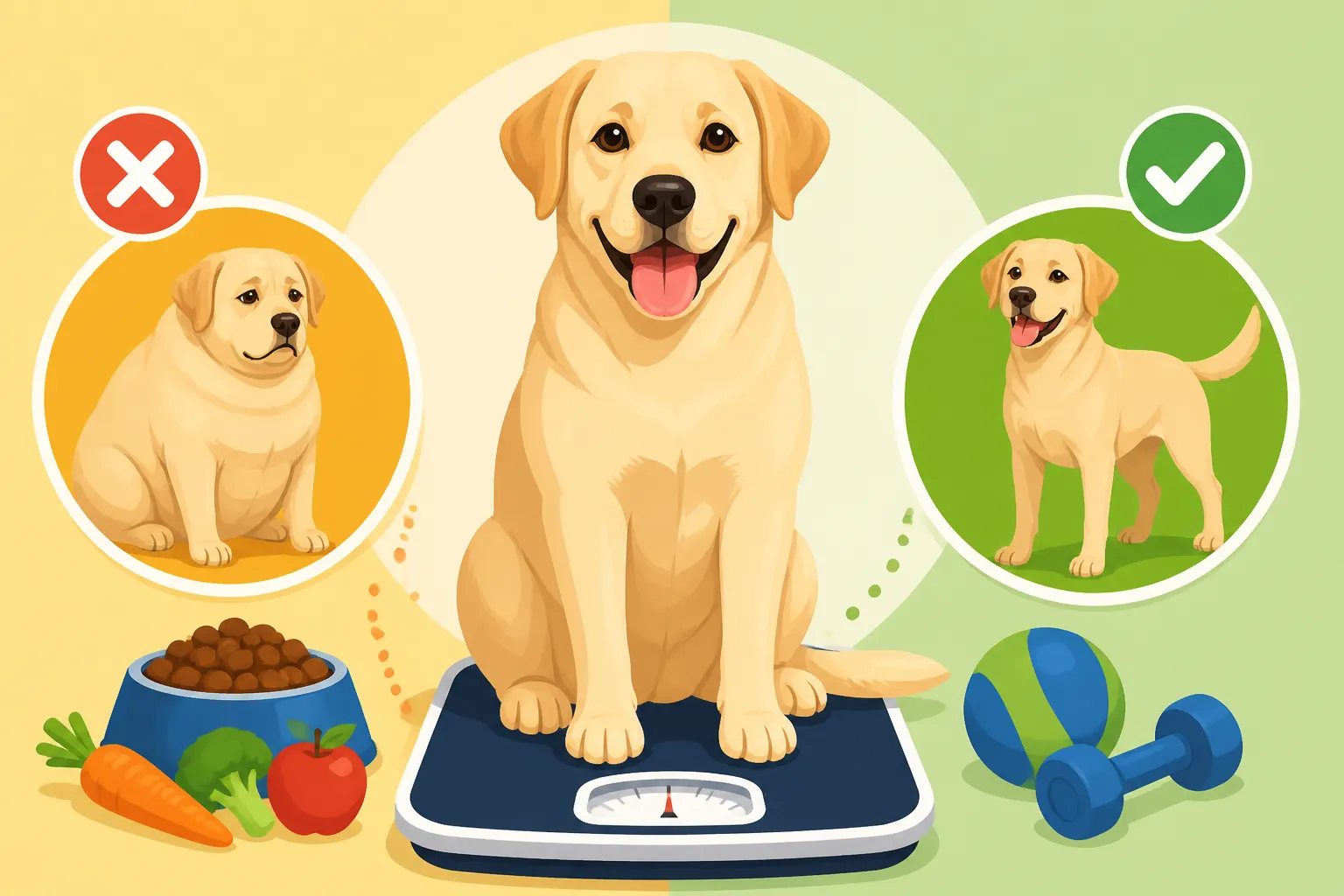
This is arguably the most critical aspect of any Labrador weight management plan. Their incredible food drive means "eyeballing" portions or leaving food out all day (free feeding) is almost guaranteed to lead to overeating. You absolutely must measure your Labrador's food precisely. A kitchen scale is far more accurate than a measuring cup, as the density of kibble can vary greatly, leading to significant calorie differences even with the same cup measurement. Weighing their daily ration ensures they're getting exactly what they need.
Scheduled meals, typically two or three times a day, are crucial. This helps regulate their digestion, establishes a routine, and allows you to monitor their intake closely. Divide their total daily caloric allowance into these meals. If you have multiple dogs, feed them in separate rooms or use crates to prevent food theft. For Labs with a strong competitive streak, this is non-negotiable. Eating quickly is another Labrador trait, so consider slow feeder bowls or puzzle feeders; these not only extend mealtime, making them feel more satisfied, but also provide valuable mental stimulation.
Sticking to a strict feeding schedule and precise portions will feel rigid at first, but it creates clear boundaries and helps your Labrador's body adjust. It teaches them to expect food at certain times, rather than constantly scavenging. This consistency is vital, especially when you're working on Feeding a Labrador Through Every Life Stage, as their needs will change.
Smart Snacking: Healthy Treats and Alternatives
Treats are often a hidden culprit in Labrador weight gain. Those seemingly small rewards add up quickly! The good news is you don't have to eliminate treats entirely; you just need to be smarter about them. Low-calorie options are your best friend. Instead of fatty biscuits, consider using small pieces of raw vegetables like carrots, green beans, bell peppers, or cucumber. Many Labs adore these crunchy alternatives, and they offer beneficial fiber and vitamins without a huge calorie hit.
Another excellent strategy is to use a portion of your Labrador's daily kibble ration as treats for training or rewards throughout the day. This way, you're not adding extra calories, simply reallocating them. When you do buy commercial treats, look for those specifically labeled "low calorie" or "training treats" and check the calorie count per treat. Be mindful of the size of the treat; break larger ones into smaller, pea-sized pieces to maximize the number of rewards without overfeeding.
Here’s a quick comparison of treat options:
| Treat Type | Calorie Density | Benefits | Considerations |
|---|---|---|---|
| Kibble (from daily ration) | Low | No extra calories, consistent taste | May not be exciting enough for high-value rewards |
| Fresh Vegetables | Very Low | High fiber, vitamins, satisfying crunch | Some Labs may not like them; introduce gradually |
| Plain Air-Popped Popcorn | Low | Fun texture, very few calories | No butter/salt, occasional, watch for kernels |
| Lean Cooked Chicken/Turkey | Moderate | High protein, great motivator | Small pieces, avoid skin/bones/seasoning |
| Store-bought "Low-Cal" | Moderate | Specifically formulated for fewer calories | Still count them, check ingredients on the back |
| Dental Chews | Moderate-High | Can help with dental health | Often high in calories, factor into daily intake |
Avoid high-fat human foods, processed snacks, and anything with added sugar or artificial sweeteners like xylitol, which is toxic to dogs. Remember, every bite counts for a Labrador! Puzzle Feeders That Slow a Greedy Labrador can also be used with treats or kibble to extend the enjoyment.
Implementing an Effective Exercise Routine
Diet is crucial, but exercise is the other half of the weight management equation. For a breed like the Labrador, known for its boundless energy and retrieving prowess, appropriate exercise is not just about burning calories; it's about mental stimulation, joint health, and overall well-being. A sedentary Labrador is often a bored, overweight Labrador.
Daily Exercise Needs for Labradors
Labrador Retrievers, especially younger and working-line Labs, require a significant amount of daily physical activity. This isn't just a quick potter around the block; we're talking about dedicated exercise that gets their heart rate up and muscles working. Most adult Labradors need at least 60-90 minutes of moderate to vigorous exercise every day. This can be broken down into multiple sessions, like a brisk morning walk, an afternoon fetch session, and an evening stroll.
Variety is key to keeping them engaged and working different muscle groups. Think about incorporating different types of activities:
- Brisk walks or jogging: Not just a sniff walk, but a walk with purpose.
- Fetch: A classic Labrador favorite that burns energy quickly.
- Swimming: An excellent low-impact exercise that's fantastic for joint health and something most Labs adore. Swimming as Exercise for a Labrador is particularly useful for older or heavier dogs.
- Hiking: If you have access to trails, it's a great way to explore and get varied terrain.
Remember to consider your Labrador's age and health status. Puppies need short, frequent bursts of play, while senior Labs might prefer gentler activities. This guide on Exercise a Labrador Needs Each Day offers more detailed guidance.
Structured Play and Mental Stimulation
Exercise isn't just physical; mental stimulation is equally important for a Labrador, especially when trying to manage their weight. A bored Labrador is often one that seeks solace in food, or engages in destructive behaviors like chewing. Structured play sessions that engage their natural retrieving instincts can be incredibly effective.
Think about games like:
- Hide-and-seek: Hide treats (small, healthy ones from their daily allowance) or toys and encourage them to find them. This uses their amazing nose.
- Retrieving drills: Practice various retrieves in different environments—on land, in water, over obstacles. This taps into their working heritage.
- Flirt poles: A great way to burn energy in a smaller space, engaging their chase drive.
Puzzle toys and feeders, which we mentioned for meals, also double as excellent mental exercise. They force your Labrador to "work" for their food or treats, slowing consumption and engaging their brain. Look for durable options at stores like Chewy or Amazon. Consistent mental engagement can help reduce boredom-driven eating and make your Labrador feel more fulfilled, even with a reduced food intake.
Adapting Exercise for Age and Health Conditions
A "one size fits all" approach to exercise won't work for all Labradors. You need to tailor the routine to your dog's specific life stage and any health considerations.
- Puppies: Young Labradors are still growing, and their growth plates are open. Over-exercising them with forced, high-impact activities like long runs or excessive jumping can damage their developing joints. Focus on short, frequent play sessions on softer surfaces.
- Senior Labradors: As Labs age, arthritis and other joint issues become more common. While exercise is still vital, it needs to be lower impact. Swimming is excellent, as it provides a full-body workout without stressing joints. Gentle walks, regular stretching, and Slowing Joint Decline in an Older Labrador with vet-approved supplements can help keep them mobile.
- Dogs with existing conditions: If your Labrador has conditions like Labrador Hip and Elbow Dysplasia or a history of injuries, consult your vet or a certified canine physical therapist. They can help design a safe and effective exercise plan that supports their recovery and doesn't exacerbate their condition. Modifications might include shorter durations, different terrain, or specific therapeutic exercises.
Always monitor your Labrador for signs of discomfort or overexertion. Panting heavily, lagging behind, or limping after exercise are all signs to slow down and consult your vet. The goal is consistent, appropriate activity, not pushing them to their limits.
Overcoming Common Weight Management Challenges
Let's be real, keeping a Labrador at a healthy weight is often easier said than done. They are masters of persuasion, and their love for food can make even the most dedicated owner waver. Addressing these common challenges head-on is crucial for long-term success.
Dealing with Persistent Begging and Food-Seeking Behavior
This is probably the biggest frustration for Labrador owners. The unwavering stare, the paw on your lap, the mournful whine – it all combines into a powerful plea for food. It’s hard to ignore, and it’s especially hard when you know your Lab has that The POMC Gene and Labrador Appetite mutation making them feel genuinely hungry. The key here is consistency and redirecting that drive.
First, never give in to begging. Every time you do, you reinforce the behavior. This means no table scraps, no sneaking treats under the table, and no extra kibble when they give you "the look." It takes incredible willpower, but it's vital. Establish a strict rule: human food is for humans, dog food is for dogs.
Second, redirect their attention. When they start begging, engage them in a short play session with a toy, ask them to do a trick for a piece of their kibble, or offer a healthy, low-calorie chew. You can also use Puzzle Feeders That Slow a Greedy Labrador or a scent work game to channel their food drive into an acceptable activity.
Third, timing is everything. If they beg intensely around your meal times, try feeding them their own meal shortly before you eat. A full belly (even if their brain doesn't quite agree) might reduce their interest in your plate.
It's a marathon, not a sprint. Be patient, be consistent, and remind yourself that you're doing this for their health and longevity.
Managing Multiple-Dog Households
When you have more than one dog, weight management can become significantly more complicated. Food theft is a real concern, and it's easy for one dog to get extra portions while another misses out. This is especially true if one of your dogs is a food-obsessed Labrador!
The most effective strategy is to feed dogs separately. This could mean:
- Separate rooms: Each dog eats behind a closed door.
- Crates: Dogs eat in their individual crates, safely contained.
- Designated feeding stations: If separate rooms aren't possible, ensure each dog has its own bowl far enough from others to prevent interference. You might need to supervise, especially during the initial phases.
Ensure all family members are aware of these rules. Monitor each dog's bowl to ensure they finish their own meal and don't steal from others. This might require you to remove bowls once a dog is finished, even if another is still eating. It's a bit more work, but it's the only way to accurately control calorie intake for each individual dog, preventing both overfeeding and underfeeding within the pack.
Navigating Family Habits and "Accidental" Feeding
Perhaps the biggest hurdle in weight management often comes from within the family unit. What seems like a harmless nibble from one family member can quickly add up when repeated by everyone throughout the day. Grandparents, children, or even well-meaning spouses might unknowingly sabotage your efforts, thinking "just one little piece won't hurt."
Open and honest communication is paramount. Hold a family meeting to discuss the importance of your Labrador's healthy weight and the specific diet plan. Explain the health risks associated with obesity and emphasize that "treats" need to come from the designated healthy options and be factored into the daily allowance. Make sure everyone understands why consistency is so important.
Consider a visible system, like a "treat jar" containing the day's total allotment of healthy treats. Once the jar is empty, no more treats for the day. This provides a clear visual cue for everyone. Educate children, especially, about which human foods are safe and which are dangerous for dogs. Emphasize that sneaking food to the dog isn't kindness, but potentially harmful. It takes a unified front to keep your clever Labrador from exploiting any weaknesses in the system.
Monitoring Progress and Adjusting the Plan
Weight management for a Labrador isn't a "set it and forget it" task. It's an ongoing process that requires regular monitoring and flexibility. Just like our own diets, what works one month might need slight adjustments the next. Staying vigilant is key to long-term success.
Regular Weight Checks and Body Condition Assessments
Once your Labrador is on a diet and exercise plan, you need to regularly check their progress. Aim to weigh your Labrador every two to four weeks, preferably on the same scale (your vet's or a sturdy pet scale at home) and at the same time of day. Document their weight so you can see trends over time.
More importantly, continue to perform the Body Condition Score (BCS) assessment weekly. Weight can fluctuate slightly, but the BCS gives you a better sense of whether they're gaining or losing fat. Are you starting to feel their ribs more easily? Is that waistline slowly reappearing? These are positive signs! If their weight isn't moving after a month or so, or if their BCS isn't improving, it’s a clear indication that you need to make adjustments to their food intake or exercise routine. Don't get discouraged if progress is slow; healthy weight loss is gradual. Checking a Labrador's Body Condition Score accurately is a skill worth perfecting.
Consistency in monitoring prevents plateaus from turning into setbacks. It helps you identify what's working and what isn't, allowing you to fine-tune the plan before problems escalate.
Working with Your Vet on Weight Loss Goals
Your veterinarian remains your most valuable partner throughout your Labrador's weight management journey. They can help interpret your progress, offer encouragement, and make crucial adjustments to the plan. If your Labrador hits a plateau, your vet might suggest:
- Further reducing caloric intake: Even a small reduction can make a difference.
- Increasing exercise intensity or duration: Safely pushing their activity levels.
- Changing food type: A different weight management formula might be more effective.
- Investigating other factors: Rarely, an undiagnosed medical condition might be impeding weight loss.
Your vet can also celebrate milestones with you, reinforcing the positive impact of your efforts. They can confirm when your Labrador reaches their ideal weight and help you transition to a maintenance plan. Regular check-ins ensure that your approach remains safe, effective, and tailored to your Labrador's evolving needs.
Long-Term Maintenance Strategies
Reaching a healthy weight is a fantastic achievement, but maintaining it is the lifelong challenge. For a Labrador, who will likely always view food as the ultimate prize, vigilance is permanent. The strategies you implemented for weight loss – precise portion control, healthy treats, regular exercise, and consistent family rules – must continue indefinitely.
Think of it not as a temporary "diet," but as a permanent lifestyle change for your Labrador. Regularly monitor their BCS and weigh them periodically. Be prepared to adjust their food intake as their activity levels naturally change with age or if there are seasonal shifts in their exercise routine. For instance, if winter weather reduces outdoor play, you might need a slight caloric reduction.
The goal is to prevent the pounds from creeping back on. It’s much easier to maintain a healthy weight than to constantly lose and regain it. Educate yourself on Labrador Obesity and the Years It Costs to keep motivation high. Embrace their food drive by using it for positive training and mental enrichment, rather than letting it lead to overeating. A healthy weight is a gift you give your Labrador every single day, allowing them to enjoy a longer, more active, and comfortable life.
The Benefits of a Healthy Weight for Your Labrador
Committing to a healthy weight for your Labrador is one of the most impactful decisions you can make for their well-being. The benefits extend far beyond aesthetics, profoundly improving their quality of life and potentially extending their time with you.
Improved Mobility and Joint Health
Labradors are prone to several orthopedic conditions, most notably Labrador Hip and Elbow Dysplasia. Carrying extra weight puts immense strain on their joints, accelerating the degeneration of cartilage, exacerbating pain, and worsening the progression of these conditions. Imagine trying to walk around all day with a heavy backpack strapped to you – that's what extra weight feels like for your dog's joints.
By maintaining a lean body condition, you significantly reduce the load on their hips, elbows, knees, and spine. This can lead to noticeably improved mobility, less pain, and a greater willingness to play and move. For an older Labrador, shedding even a few pounds can dramatically improve their comfort and ability to navigate their world, postponing or lessening the severity of conditions like Arthritis Signs in a Seven-Year-Old Labrador. A healthy weight is one of the best preventative measures and management strategies for joint health.
This isn't just about preventing new issues; it's about slowing the progression of existing ones and ensuring your Labrador remains comfortable and active for as long as possible. Better mobility means more joyful walks, easier jumps onto the sofa for cuddles, and an overall more comfortable existence.
Enhanced Lifespan and Quality of Life
Numerous studies have shown a direct correlation between a dog's lean body condition and a longer, healthier life. Overweight dogs, on average, live significantly shorter lives than their lean counterparts. This isn't just about adding years; it's about adding quality years, full of energy and vitality, rather than discomfort and lethargy.
A Labrador at a healthy weight has more energy, enjoys play more, and is generally more comfortable in their own skin. They breathe easier, move more freely, and are less prone to heat intolerance. They can participate more fully in family activities, whether it's a game of fetch in the park or a hike on a scenic trail. This enhanced vitality means more joyful moments and a stronger bond between you and your companion. You'll simply have more time together, and that time will be richer and more active. This directly supports the goal of increasing Labrador Lifespan and What Changes It.
The reality is stark: How Much Longer a Lean Labrador Lives can be a significant difference. Choosing to keep your Labrador lean is choosing to maximize their potential for a long, happy life by your side.
Reduced Risk of Serious Health Issues
Obesity in dogs, just like in humans, is a gateway to a host of serious health problems. Keeping your Labrador at a healthy weight dramatically reduces their risk of developing these debilitating and often expensive conditions.
Some of the significant health issues linked to obesity include:
- Diabetes Mellitus: Excess fat tissue can lead to insulin resistance, increasing the risk of developing diabetes, which requires lifelong management with insulin injections and dietary control.
- Heart Disease: Extra weight puts a strain on the heart and circulatory system, leading to higher blood pressure and increasing the risk of various cardiac issues.
- Respiratory Problems: Overweight dogs often have difficulty breathing, especially in warmer weather, due to fat deposits around the chest and airways.
- Urinary Tract Disease: There's an increased risk of bladder stones and other urinary issues.
- Certain Cancers: Some studies suggest a link between obesity and an increased risk of specific types of cancer.
- Increased Surgical Risk: Overweight dogs have a higher risk of complications during anesthesia and surgery.
- Pancreatitis: A serious and painful inflammation of the pancreas, often triggered by fatty meals or an overall high-fat diet.
- Labrador Bloat Risk and Deep Chests: While bloat isn't directly caused by obesity, a generally unhealthy system can be less resilient to severe conditions.
By diligently managing your Labrador's weight, you're not just preventing problems; you're actively promoting their health and safeguarding them against conditions that could lead to significant pain, costly veterinary bills, and a diminished quality of life. It’s a proactive step that pays dividends in both health and happiness for years to come.
Disclaimer
This article is for general informational purposes only and does not constitute professional advice. Laws, prices and regulations vary by location and change over time. Consult a qualified professional for guidance on your specific situation.