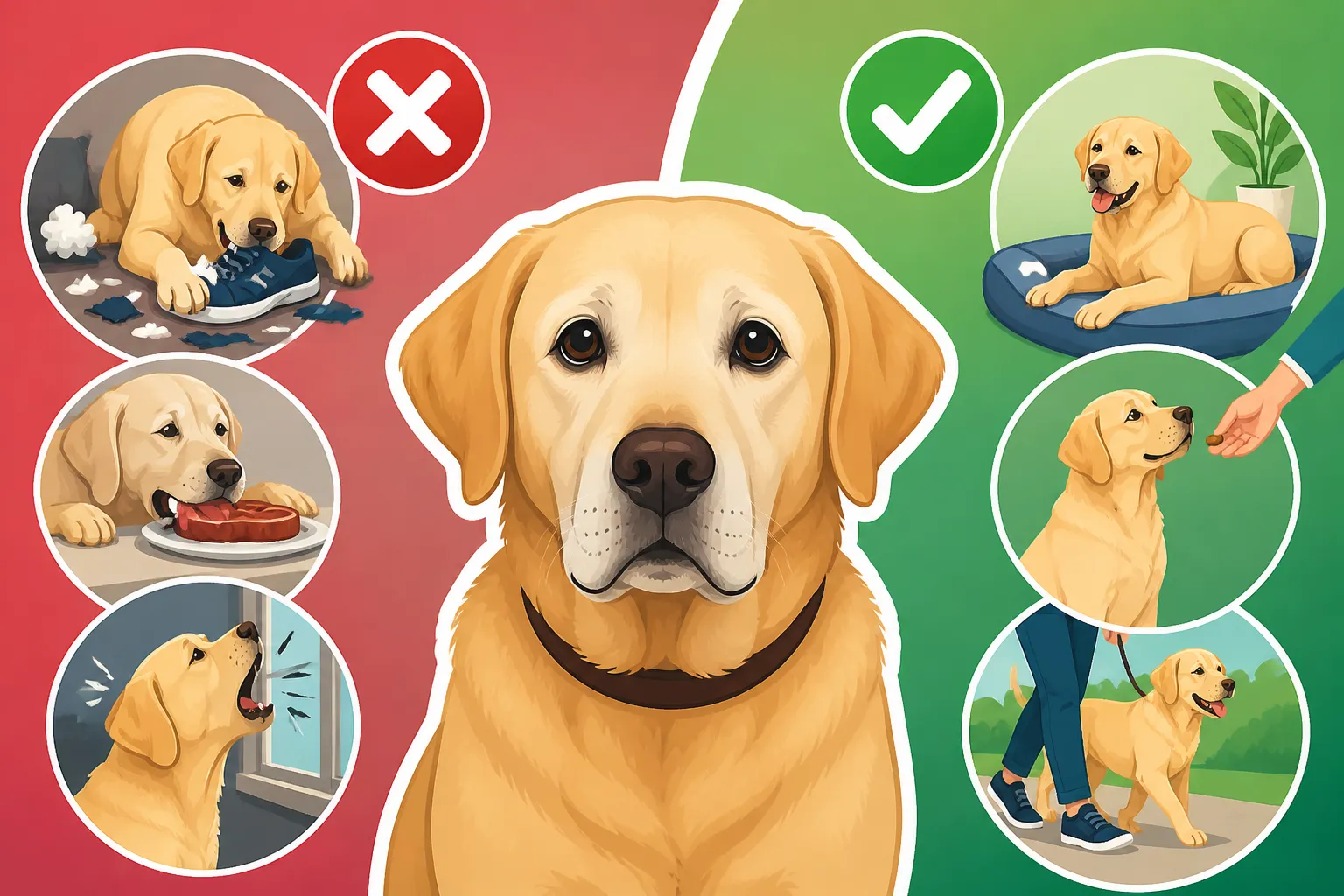
Fixing Bad Habits in an Older Labrador
It can be incredibly disheartening when your beloved, once perfectly-behaved Labrador starts developing new, frustrating habits in their senior years. You might find yourself wondering why your calm companion suddenly won't stop barking, or why house training seems to have gone out the window after all these years. It’s a common and often confusing challenge, but this guide will walk you through understanding why these changes happen and offer practical, empathetic strategies to help you address and manage these new behaviors in your older Labrador.
Understanding Why Habits Change in Older Labradors
Before you can effectively address new behaviors, it’s really important to understand that they often don't just crop up out of nowhere. With older Labradors, a shift in habits is almost always a signal that something else is going on, whether it's a subtle health issue, the beginning of cognitive decline, or simply a response to changes in their environment. Blaming your dog or getting frustrated won't help; instead, approaching the situation with curiosity and compassion is key.
Medical Reasons for Behavior Shifts
One of the first things you should consider when an older Labrador starts exhibiting new bad habits is their physical health. Our Labs are notoriously stoic, and they often hide pain or discomfort until it becomes quite advanced. A sudden increase in barking, for example, might not be attention-seeking, but rather an expression of pain from arthritis or another condition. Similarly, house soiling could stem from urinary tract infections, kidney issues, or even mobility problems that make it hard to get outside quickly enough.
Think about it: if your older Labrador suddenly seems reluctant to go up stairs or jump into the car, and then starts having accidents inside, it's far more likely to be a physical limitation than a deliberate defiance. Joint pain, a common ailment in senior Labs, can make movement uncomfortable, leading to a hesitation to hold their bladder or bowels as long as they once could. Labrador Arthritis in Middle Age is a reality many owners face. A trip to the vet is always the first, most crucial step when any new behavior appears. They can rule out or address underlying medical conditions that might be driving the changes.
Sometimes, it's not even overt pain, but subtle changes in vision or hearing that can make an older dog more anxious or prone to snapping. A dog who can't hear you approach might be startled more easily, leading to a grumpier reaction. Or, if their eyesight is fading, they might bump into things or seem disoriented, leading to general anxiety. Labrador Eye Conditions and Vision Loss can definitely impact how your dog interacts with their world, and subsequently, how they behave.
Age-Related Cognitive Decline
Just like humans, dogs can experience cognitive decline as they age, often referred to as Canine Cognitive Dysfunction (CCD). This is a fancy way of saying their brain isn't working quite as efficiently as it used to. Behaviors associated with CCD can be incredibly varied and might mimic "bad habits" when they're actually symptoms of a neurological change. You might notice your once-social Lab seeming confused or withdrawn, or perhaps they start pacing aimlessly, especially at night.
Disorientation is a common sign. Your Labrador might get stuck in a corner, stare at walls, or seem to forget where they are even in familiar surroundings. This can be heartbreaking to witness. Altered sleep-wake cycles are another classic symptom; they might sleep more during the day but be restless and vocal all night. This isn't them trying to be difficult; it's a genuine neurological change affecting their internal clock.
Another aspect of CCD that can manifest as a "bad habit" is changes in learned behaviors, like house training. An older Lab with CCD might forget their house training entirely, having accidents inside despite having been perfectly reliable for years. They might also forget commands they once knew or seem less responsive to their name. It's a cruel twist of fate for dogs who have been such diligent learners their whole lives.
Environmental Factors and Routine Changes
Sometimes, the culprit isn't medical or cognitive, but simply a change in their environment or daily routine. Labradors thrive on routine; they are creatures of habit, and any disruption can throw them off. Has there been a new person or pet introduced to the household? Did your work schedule change, leaving them alone for longer periods? Even moving furniture around can be enough to unsettle a sensitive older dog.
A sudden increase in destructive chewing, for example, might be a manifestation of anxiety if their routine has become less predictable, or if they're experiencing more alone time than they're used to. Perhaps they used to have a mid-day potty break, and now they don't, leading to accidents. These changes, no matter how small they seem to us, can be monumental for an older dog who relies on consistency.
Even seemingly positive changes, like a new puppy joining the family, can stress an older Labrador. They might suddenly feel displaced, or their comfort zones might be invaded, leading to new anxieties and behaviors like resource guarding or increased vocalization. Understanding these potential triggers can help you adjust their environment to provide more comfort and predictability, which is crucial for Caring for a Senior Labrador.
Common Bad Habits and How to Address Them
Once you've ruled out pressing medical issues with your vet, you can start to tackle specific behavioral changes. Remember, the goal isn't to punish these behaviors, but to understand their root cause and offer positive alternatives or management strategies.
Excessive Barking and Attention Seeking
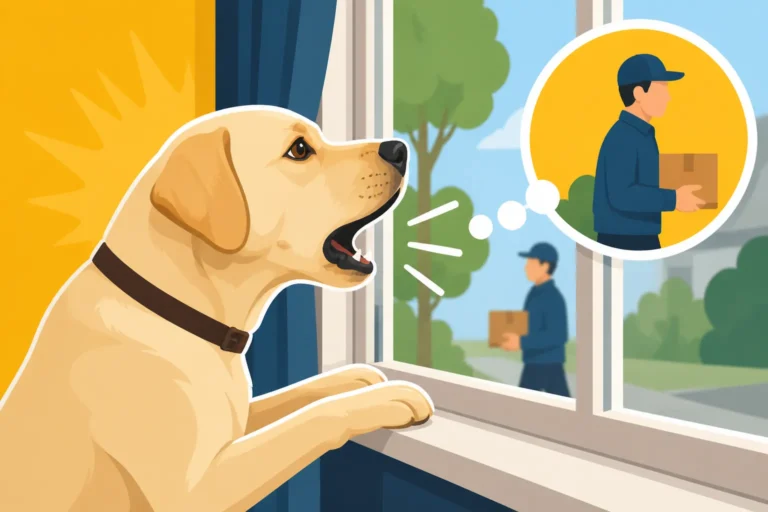
Many older Labradors develop a habit of excessive barking, whether it's at every passerby, a sudden new noise, or seemingly nothing at all. Sometimes, it's a symptom of anxiety or disorientation from CCD. Other times, it genuinely is attention-seeking, especially if they've learned that barking gets them what they want – even if what they get is a frustrated owner shouting back.
For the anxious barker, consider if their environment is making them feel insecure. Can you block their view of the street if they're window reactive? Providing a calm, quiet den for them can help, perhaps with a comfortable bed from a brand like Amazon Basics where they feel safe. If it's attention-seeking, the key is to never reward the barking with attention. Instead, wait for a moment of quiet, then calmly praise and reward them. If they start barking, turn your back, walk away, or leave the room. Only re-engage when they are quiet. It takes incredible patience, but it works.
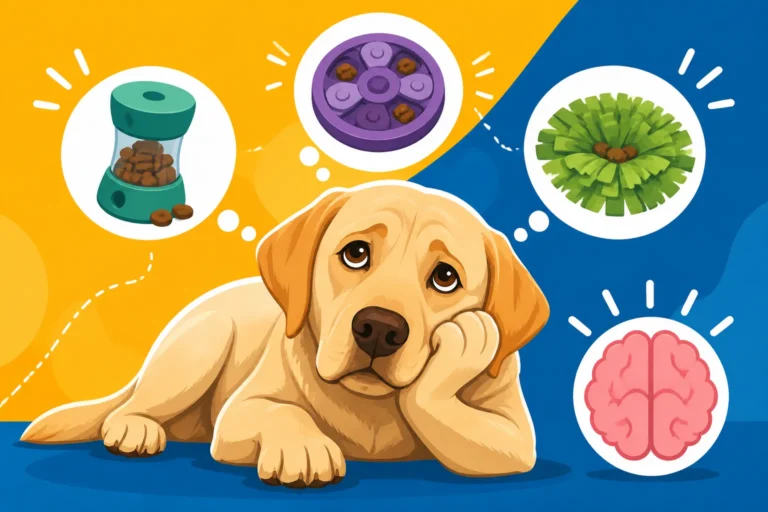
If your Labrador is barking more due to a lack of mental stimulation, especially if their physical activity is limited due to age or Slowing Joint Decline in an Older Labrador, consider incorporating more puzzle toys or gentle training sessions. Puzzle Feeders That Slow a Greedy Labrador can be a fantastic way to engage their brain and keep them occupied, reducing boredom-induced barking.
Inappropriate Chewing or Destructive Behavior
It's utterly baffling when your senior Labrador, who hasn't chewed anything inappropriate since puppyhood, suddenly starts gnawing on furniture legs or raiding the trash. This behavior often points to underlying anxiety, boredom, or even pain. A dog in pain might chew themselves or objects as a coping mechanism. If the vet visit didn't reveal a direct cause, anxiety is often next on the list.
If anxiety is suspected, review your dog's daily routine. Are they getting enough mental and physical activity appropriate for their age? Even older Labs need engagement. Consider offering a variety of safe, durable chew toys. Brands on Amazon like Kong or Nylabone offer toys specifically designed for strong chewers, which can redirect their natural chewing instincts away from your belongings. Rotate these toys to keep things interesting.
For Labs showing destructive behavior when left alone, it could be a sign of separation anxiety. This is a tough one, but can often be managed with careful routine changes, positive reinforcement for calm departures and arrivals, and sometimes even calming supplements or vet-prescribed medication. Telling Labrador Boredom From Real Anxiety is crucial here; a truly anxious dog needs a different approach than a bored one.
House Soiling and Regressed Potty Training
This is perhaps one of the most frustrating and often misunderstood new habits in older dogs. Your Labrador has been perfectly house-trained for years, and now suddenly they're having accidents indoors. As mentioned, medical issues are paramount here, so always consult your vet first to rule out UTIs, kidney disease, or mobility pain that makes holding it difficult.
If medical causes are ruled out, consider cognitive decline or anxiety. With CCD, they might simply forget they're supposed to go outside, or they might not recognize the door as their exit point. Increase the frequency of potty breaks, taking them out more often and praising lavishly when they go outside. Take them to the exact spot where they usually relieve themselves to help jog their memory.
For accidents that happen when you're away, it could be a sign of separation anxiety or simply inability to hold it for extended periods. Re-evaluate how long your Lab is left alone. Can a dog walker come by, or can you adjust your schedule? Use enzymatic cleaners to thoroughly remove accident smells, as residual odor can prompt them to go in the same spot again. Products available on Amazon can be very effective for this. Never punish an older dog for accidents; it only creates fear and anxiety, making the problem worse.
Leash Pulling and Reactivity
While many Labradors learn excellent Leash Manners for a Powerful Labrador early on, an older dog might start pulling again or become reactive on walks. This can be due to pain, making them eager to get home or move away from uncomfortable situations, or it could be due to declining senses. A dog with poorer eyesight might be startled by things they didn't notice before, leading to a lunge. Hearing loss can make them miss cues from you or other dogs, causing confusion and reactivity.
First, check with your vet for any pain that might be making walks uncomfortable or causing them to pull to get somewhere faster (or away from discomfort). If pain is a factor, managing it through medication or physical therapy can make a world of difference. Once health is addressed, go back to basics with positive reinforcement. Short, frequent training sessions using high-value treats can reinforce loose-leash walking, even in an older dog.
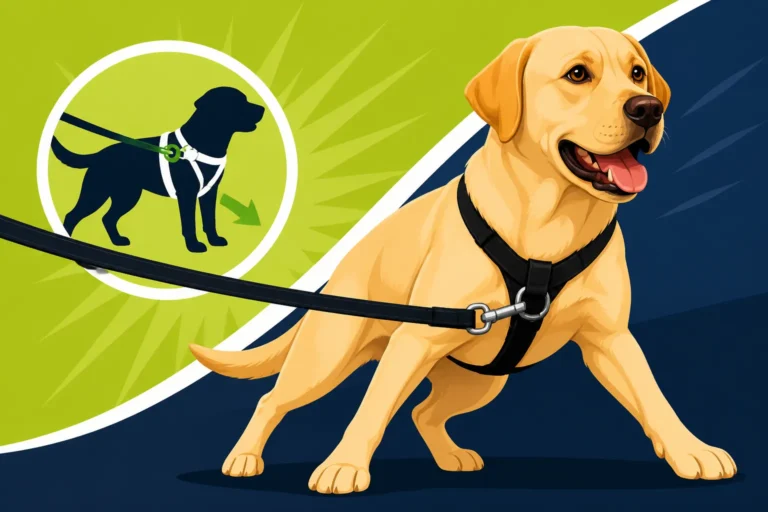
Consider a front-clip harness, which can help redirect their pulling strength without causing discomfort. There are many options available on Amazon that can make walks more manageable. If reactivity is the issue, focus on desensitization and counter-conditioning. This means exposing them to their triggers (other dogs, people, bikes) at a distance where they remain calm, and then rewarding them with treats. Gradually decrease the distance as they get more comfortable.
Training Strategies for the Mature Labrador
Training an older Labrador might feel like starting from scratch, but it's often more about gentle redirection, management, and refreshing existing skills rather than teaching entirely new ones. They still want to please you, and their vast history of learning means they have a strong foundation to build upon.
Re-establishing Basic Obedience
Just because your Labrador is older doesn't mean they can't learn new tricks, or more importantly, re-learn old ones. Think of it as a mental workout. Start with simple commands they already know, like "sit," "stay," and "come." Keep sessions short and positive, around 5-10 minutes, multiple times a day. This keeps their brain engaged without over-tiring them.
Using high-value treats and enthusiastic praise can make these sessions feel like a fun game, not a chore. If your Lab has difficulty hearing, use hand signals along with verbal cues. If their eyesight is fading, rely more on clear verbal cues and consistent touch. Platforms like BAXTER & Bella offer online resources that can help you structure these refresher courses and find new ways to engage your older pup in mental exercises, which can be beneficial for managing cognitive function.
Regularly practicing these basic commands can help rebuild confidence and reinforce your bond. It reminds them of the rules and gives them a sense of purpose, which is especially important for Labrador Life Expectancy by Line and overall quality of life. Don't underestimate the power of consistent, gentle guidance, even for a seasoned pro.
Positive Reinforcement and Motivation
Positive reinforcement is absolutely non-negotiable when working with an older Labrador. Punishment is counterproductive and can lead to fear, anxiety, and a breakdown of trust, especially with a dog who may already be confused or in discomfort. Instead, focus entirely on rewarding the behaviors you want to see.
Did your Lab calmly greet a visitor instead of jumping? Treat and praise! Did they go potty outside after a long stretch? Big celebration! Even small steps in the right direction deserve acknowledgment. Motivation might need a slight adjustment as well. While younger Labs might be thrilled with a game of fetch, an older Lab might prefer a quiet cuddle, a tasty chew, or a gentle ear rub as their reward.
Consider your Labrador's current favorite things. Is it a specific type of treat? A squeaky toy? A walk in a particular park? Use these high-value motivators strategically to encourage desired behaviors. For instance, if you're trying to reduce barking at the window, every time they notice something outside but don't bark, immediately reward them. This teaches them that quiet observation leads to good things.
Management and Environmental Control
Sometimes, the quickest and kindest way to "fix" a bad habit in an older Labrador isn't through training alone, but through smart environmental management. This means setting your dog up for success by preventing opportunities for the unwanted behavior to occur.
For house soiling, this might mean more frequent trips outside, especially after waking up, eating, and drinking. You might also use belly bands for male dogs or doggy diapers for females indoors as a temporary measure, especially overnight, to prevent accidents and protect your home while you work on the underlying issue. For inappropriate chewing, ensure all tempting, non-dog items are out of reach. Block off areas of the house if necessary with baby gates.
If barking at the window is an issue, simply close the blinds or put up privacy film. If your Lab counter-surfs, keep counters clear. Management isn't a permanent solution in all cases, but it buys you time, reduces stress for both you and your dog, and prevents the behavior from becoming more deeply ingrained. This also helps keep your home cleaner, preventing issues like Replacing Baseboards a Labrador Chewed.
Patience, Consistency, and Professional Help
Dealing with new bad habits in an older Labrador requires a profound amount of patience and consistency. It’s easy to get frustrated, especially when you feel like you’re backtracking on years of training. But remember, your dog isn't trying to be difficult; they're likely struggling with something that's beyond their control.
Maintaining a Consistent Approach
Consistency is truly the bedrock of any successful behavior modification, especially with older dogs who benefit immensely from predictability. Everyone in the household needs to be on the same page regarding rules, routines, and rewards. If one person allows a behavior while another corrects it, your Labrador will become confused and progress will be slow, if it happens at all.
Stick to a consistent daily schedule for feeding, potty breaks, walks, and quiet time. This helps your senior dog feel secure and understand what's expected of them. If you're working on a specific behavior, apply the same training methods every single time. For example, if you're teaching "off" for jumping, every single person must consistently use the "off" command and reward for all four paws on the floor. Inconsistency is often more damaging than no training at all.
This consistent routine extends to their environment. Keeping their bed in the same spot, their food bowl in the same place, and maintaining a calm household atmosphere can significantly reduce anxiety and confusion, especially for a dog experiencing early signs of cognitive changes.
When to Seek Expert Guidance
There will be times when despite your best efforts, you feel stuck, or the behaviors are too severe to manage on your own. This is absolutely not a sign of failure; it’s a sign of a responsible owner knowing when to bring in reinforcements. Professional help can come in several forms:
- Veterinary Behaviorist: These are vets who have specialized training in animal behavior and can diagnose and treat behavioral issues from both a medical and behavioral perspective. They can be invaluable, especially if medication is considered to help manage anxiety or CCD symptoms.
- Certified Professional Dog Trainer (CPDT): A good CPDT can help you implement positive reinforcement strategies for specific behaviors. Look for trainers who have experience with senior dogs and who use force-free, reward-based methods. They can provide personalized guidance and show you exactly how to execute training techniques. You might find a local trainer through resources that are often associated with larger pet supply retailers or even through online directories. Choosing a Trainer for a Labrador is a very important step.
- Online Training Programs: For ongoing support and structured guidance, online platforms like BAXTER & Bella can be a fantastic resource. They often provide step-by-step video tutorials, access to trainers for questions, and a community of other dog owners. This can be particularly useful if you need flexibility or live in an area with fewer local professionals.
Don't wait until you're completely overwhelmed. Early intervention with an expert can often prevent behaviors from escalating and make a more significant difference in your Labrador's quality of life.
Celebrating Small Victories
The journey of addressing new habits in an older Labrador can be long and sometimes feel like two steps forward, one step back. It’s crucial to celebrate every single small victory, no matter how insignificant it might seem. Did your Lab walk past a trigger without barking today? That’s a win! Did they hold their bladder for an extra hour? Celebrate it!
These small successes are not only encouraging for you but reinforce the positive path for your dog. They help you maintain a positive outlook and remind you that progress, however slow, is still progress. Your older Labrador has given you years of loyal companionship and joy; now is the time to return that devotion with understanding, patience, and unwavering support as they navigate their golden years.
| Bad Habit | Potential Causes (Older Lab) | Management & Training Tips |
|---|---|---|
| Excessive Barking | Anxiety, Pain, CCD, Attention Seeking, Hearing Loss | Rule out medical. Block window views. Ignore barking, reward quiet. Increase mental stimulation (puzzle toys). |
| Inappropriate Chewing | Anxiety, Boredom, Pain, CCD | Rule out medical. Provide high-value, durable chew toys (e.g., Amazon KONGs). Manage environment (put items away). Address anxiety. |
| House Soiling | UTI, Kidney Issues, Mobility Pain, CCD, Anxiety | Vet check is critical. Increase potty breaks. Use enzymatic cleaners. Crate training (if not anxious) or temporary doggy diapers. |
| Leash Pulling/Reactivity | Pain, Vision/Hearing Loss, Anxiety, CCD | Vet check is critical. Use front-clip harness. Positive reinforcement for loose leash. Desensitize to triggers. |
| Disorientation/Pacing | CCD, Anxiety | Vet check (for CCD diagnosis). Maintain consistent routine. Provide safe, quiet space. Avoid moving furniture. |
| Altered Sleep Cycles | CCD | Vet check (for CCD diagnosis). Increase daytime mental activity (gentle games). Provide comforting bed. |
Disclaimer
This article is for general informational purposes only and does not constitute professional advice. Laws, prices and regulations vary by location and change over time. Consult a qualified professional for guidance on your specific situation.