Quieting a Labrador Who Barks for Attention
There are few things as frustrating as a beloved Labrador who has decided that barking is the best way to get your attention. That insistent, sometimes piercing, sound can wear down even the most patient owner, leaving you feeling ignored, annoyed, and frankly, a bit desperate for silence. This guide is here to help you understand why your Labrador barks for attention and, more importantly, equip you with actionable strategies to quiet that incessant noise and encourage a more harmonious home life.
Understanding Why Your Labrador Barks for Attention
It’s easy to feel like your Labrador is just being a nuisance when they're barking at you, but from their perspective, they're simply trying to communicate. Labradors are incredibly intelligent and social creatures, and barking is a natural part of their vocal repertoire. The key to quieting the barking is to first understand the motivations behind it.
The Labrador's Natural Inclination for Interaction
Labrador Retrievers were bred for companionship and collaboration with humans. Their history is rooted in working alongside fishermen, retrieving game, and generally being very much involved in human activity. This means they have an innate desire to be near us, engage with us, and be a part of whatever we're doing. They thrive on interaction, and when they feel that interaction is lacking, they will often try to initiate it.
Imagine a scenario: you're engrossed in a book or a TV show, and your Labrador, who has been quietly lounging, suddenly nudges your hand. You might pat their head absently. A few minutes later, they might bring you a toy. If these subtle attempts don't yield the desired result – your full, undivided attention – they might escalate. And for many Labradors, that escalation leads directly to barking. They've learned, often unintentionally, that barking is a highly effective way to cut through your focus and get you to look their way, talk to them, or even just tell them to "be quiet." Any response, even a negative one, can be interpreted by your dog as a form of attention, reinforcing the barking behavior.
Common Triggers for Attention-Seeking Barks
While the core reason is a desire for your focus, various specific situations can trigger that attention-seeking bark. Recognizing these triggers is the first step in addressing the behavior.
- Lack of Mental or Physical Stimulation: Labradors are highly energetic and intelligent dogs. If they aren't getting enough physical exercise or mental enrichment, they can become bored and restless. A bored Labrador is a creative Labrador, and that often translates to finding ways to get you to entertain them, barking included. A long walk or a vigorous game of fetch can make a huge difference. Think about how much Exercise a Labrador Needs Each Day.
- Boredom and Loneliness: This goes hand-in-hand with lack of stimulation. A Labrador left alone for extended periods without adequate outlets will often resort to barking. They're essentially saying, "Hey! I'm here! I'm bored! Interact with me!" This can be especially prevalent if they haven't been adequately trained for Leaving a Labrador Home Alone.
- Desire for Food or Treats: Labs are notorious food hounds. If they associate barking with getting a snack, they will absolutely use it. This might happen around meal times, when you're eating, or even just when you walk near the treat cupboard. They're incredibly smart and quickly pick up on cues.
- Wanting to Play: If your Labrador wants to engage in a game of tug or fetch, and you're not responding to their initial subtle invitations (like dropping a toy at your feet), they might ramp up to barking to get the game started. This is especially true for younger, more boisterous Labs. Many Labradors excel at Retrieving Games That Tire a Labrador.
- Feeling Ignored: This is the most direct form of attention-seeking. You're simply not paying enough attention to them, in their opinion. They might be lying near you, then get up, put their head on your lap, and if you don't respond, the barking starts. They crave that connection, and a bark is their way of demanding it.
Effective Strategies to Quiet Attention-Seeking Barks
Now that we understand why our beloved Labs might be barking for attention, let's dive into practical, empathetic strategies to help them learn that barking isn't the best way to get what they want. The key here is consistency and patience – lots of it!
Ignoring the Barking: The "Extinction Burst"
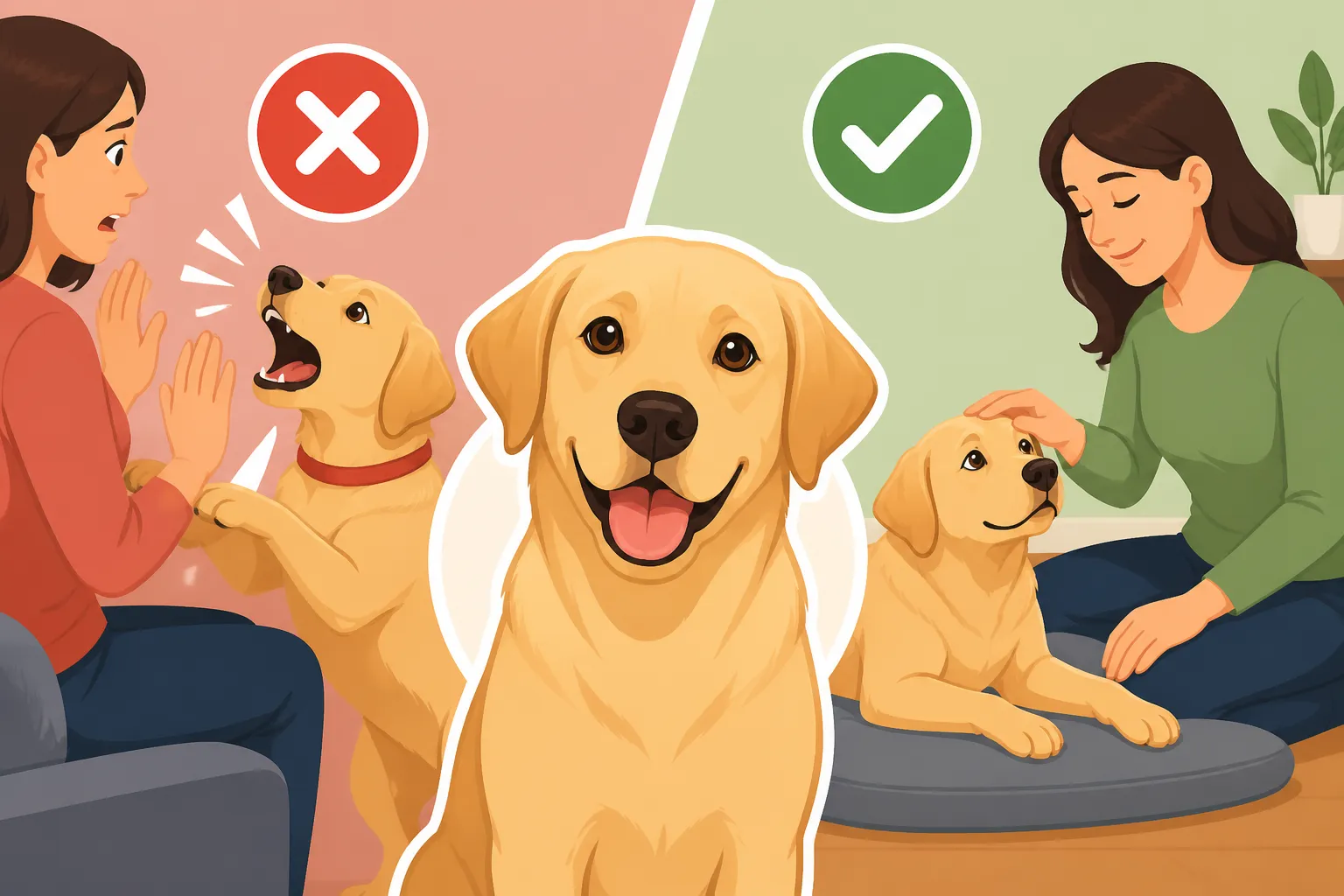
This is often the hardest, but most crucial, step. When your Labrador starts barking for attention, you must completely and utterly ignore them. This means:
- No eye contact: Don't even glance their way.
- No talking: Not even a "Quiet!" or "Stop it!" Remember, any verbal response is still attention.
- No touching: Don't push them away, don't pat them, don't make physical contact.
- Turn your back or walk away: If they're barking at your feet, stand up and turn around. If they follow and continue, calmly walk into another room and close the door, even if it's just for a few seconds.
The reason this is so difficult is because of something called an "extinction burst." When a behavior that previously worked (barking for attention) suddenly stops working, the animal will often try even harder to make it work. So, when you start ignoring them, your Labrador will likely bark more intensely, louder, and for longer periods. They're thinking, "What? This always worked before! I just need to try harder!" If you give in during this phase, even once, you've taught them that if they just bark long enough and loud enough, they'll eventually get what they want. This makes future training even harder.
You have to outlast the extinction burst. It might feel like an eternity, but it's essential to remain absolutely stone-faced and unresponsive until they have been quiet for at least a few seconds. When you walk into another room, make sure you can hear them. The moment there's a break in the barking, count to three (or five, for very persistent Labs) in your head. If they remain quiet, you can then re-enter the room or turn your attention to them.
Rewarding Quiet and Calm Behavior
Ignoring the barking is only half the battle. The other, equally vital, half is teaching your Labrador what does get them attention. This is where positive reinforcement shines. The moment your Labrador stops barking and shows even a brief moment of quiet, that's when you give them your attention.
Here's how to make it effective:
- Timing is everything: As soon as they are quiet (after the required few seconds of silence), immediately turn to them, offer a gentle praise like "Good quiet!" and give them a small, high-value treat. Something they absolutely love, like a tiny piece of cooked chicken or cheese, works wonders. Over time, you can fade out the food reward and rely more on praise and gentle pets.
- Associate a cue with quiet: You can introduce a verbal cue like "Quiet" or "Enough." When your Labrador barks, wait for the brief lull, say "Quiet," and then immediately reward the silence. They'll start to associate the word with the action of stopping the barking and getting a reward. You're effectively shaping the desired behavior.
- Practice in low-stakes situations: Don't wait for a full-blown barking frenzy. Practice this when your Labrador is just starting to whine or give a soft bark. The easier it is for them to be quiet, the faster they'll learn.
This strategy teaches them that while barking earns them nothing, being calm and quiet earns them everything they want – your wonderful attention and maybe even a tasty snack! Many excellent training tools and high-value treats can be found on sites like Amazon to aid in this process.
Teaching an Alternative, Acceptable Behavior
Instead of just telling your Labrador what not to do, it's incredibly helpful to teach them what they should do instead. This gives them a clear, polite way to ask for your attention.
- "Go to your mat/place": Teach your Labrador to go to a designated bed or mat when you say "place." Practice this frequently when they are calm. When they start to bark for attention, you can then try to redirect them by saying "place." Once they go to their mat and settle, then you can reward them with praise or a quiet chew toy. This teaches them to settle down when they want attention, rather than demand it.
- "Sit" or "Down": These are excellent default behaviors. If your Labrador knows "sit" or "down" reliably, you can ask for one of these commands when they start to bark. As soon as they perform the action and are quiet, reward them. This transforms their demanding bark into a polite request.
- Ring a bell: Some owners have success teaching their Labs to ring a bell hung by the door to signal they need to go outside. You can adapt this for attention, teaching them to nudge a specific toy or ring a bell when they want something, but only if they do it calmly.
The key is to teach and reinforce these alternative behaviors when your Labrador is not barking for attention. Practice these skills in short, positive training sessions, perhaps using an online program like those offered by BAXTER & Bella, which emphasize positive reinforcement and clear communication. Once they understand the new request, you can then start to use it as a redirect when the attention-seeking barks begin. Consistency is paramount; if you sometimes reward barking and sometimes redirect, your Labrador will become confused and the behavior will be harder to extinguish.
Preventing Future Attention-Seeking Barking
The best way to quiet an attention-seeking Labrador is to prevent the barking from starting in the first place. This involves a holistic approach to meeting their needs and managing your interactions.
Meeting Your Labrador's Needs Proactively
A well-exercised, mentally stimulated, and content Labrador is far less likely to resort to desperate barking.
- Adequate Exercise: Labradors need a lot of physical activity. A quick lap around the yard often isn't enough. Aim for at least one to two hours of vigorous exercise daily. This could include long walks, runs, swimming, or active games of fetch. A tired Labrador is a quiet Labrador. Consider varying their activities; How Far a Labrador Can Hike or play in a secure dog park can burn off a lot of energy.
- Mental Stimulation: Don't forget their brains! Labradors are smart and love to work. Incorporate puzzle toys where they have to figure out how to get treats out. Engage in short, fun training sessions daily, even just 5-10 minutes, practicing commands or teaching new tricks. Scent work, where they have to find hidden treats or toys, is also fantastic for mental enrichment. This kind of Mental Work for a Bored Labrador can be just as tiring as physical exercise.
- Consistent Schedule: Dogs thrive on routine. A predictable schedule for feeding, potty breaks, walks, and play can reduce anxiety and the need to bark for attention. They'll know when to expect interaction and when it's quiet time.
Structured Attention and Alone Time
One common pitfall is giving attention sporadically throughout the day whenever your Labrador demands it. This teaches them that constant nagging works. Instead, structure your attention.
- Scheduled "You and Me" Time: Designate specific times each day for dedicated, uninterrupted play, cuddles, or training. During these times, give your Labrador your full, undivided attention. When this time is over, clearly signal that it's "quiet time" or "rest time," and then go back to your own activities, ignoring any attention-seeking attempts. This helps them understand that they will get quality time, but it's on your terms.
- Practice Alone Time: Even if you're home most of the day, it's crucial for your Labrador to learn to be content alone. Start by leaving them in a separate room for just a few minutes, gradually increasing the duration. Provide a safe, comfortable space (like their crate) with a long-lasting chew or puzzle toy. This helps build their independence and reduces Separation Anxiety in Labrador Retrievers, which can sometimes manifest as attention-seeking barking when you're just out of sight. Remember to always leave before they start barking, and return after they've been quiet for a few moments.
Managing the Environment
Sometimes, a few simple adjustments to your home environment can significantly reduce barking triggers.
- Crate Training: A crate can be an invaluable tool. It provides a safe, den-like space where your Labrador can relax and feel secure when you're busy or when they need to settle down. Crate Training a Labrador Puppy can establish this positive association early on. Never use the crate as punishment, but rather as a haven.
- Remove Temptations: If your Labrador barks at you every time you walk into the kitchen because they associate it with food, try to manage that environment. Ensure food is out of reach, and don't free-feed. Stick to designated meal times.
- Sound Management: For some Labs, certain household noises might trigger them, leading to barking that then turns into attention-seeking if you respond. Try playing classical music or white noise to create a calmer environment.
By proactively addressing your Labrador's needs and being consistent with your responses, you can help them understand that quiet, calm behavior is the most rewarding path to your attention.
| Action | What to Do | What NOT to Do |
|---|---|---|
| During Barking | Ignore completely (no eye contact, no talking, no touching). Walk away if necessary. Wait for silence. | Yell, push away, make eye contact, offer treats or toys. |
| After Barking | Reward immediately after a few seconds of silence with praise and a treat. | Punish them, bring up past barking, continue to ignore them. |
| Proactive Care | Ensure ample exercise and mental stimulation daily. Schedule dedicated play/cuddle time. | Rely on sporadic attention. Assume they're fine with minimal activity. |
| Training | Teach alternative behaviors like "sit," "down," or "place" for attention. | Only tell them "no" without providing an acceptable alternative. |
| Consistency | Be consistent every single time they bark for attention. | Give in "just this once." Allow different family members to have different rules. |
Disclaimer
This article is for general informational purposes only and does not constitute professional advice. Laws, prices and regulations vary by location and change over time. Consult a qualified professional for guidance on your specific situation.