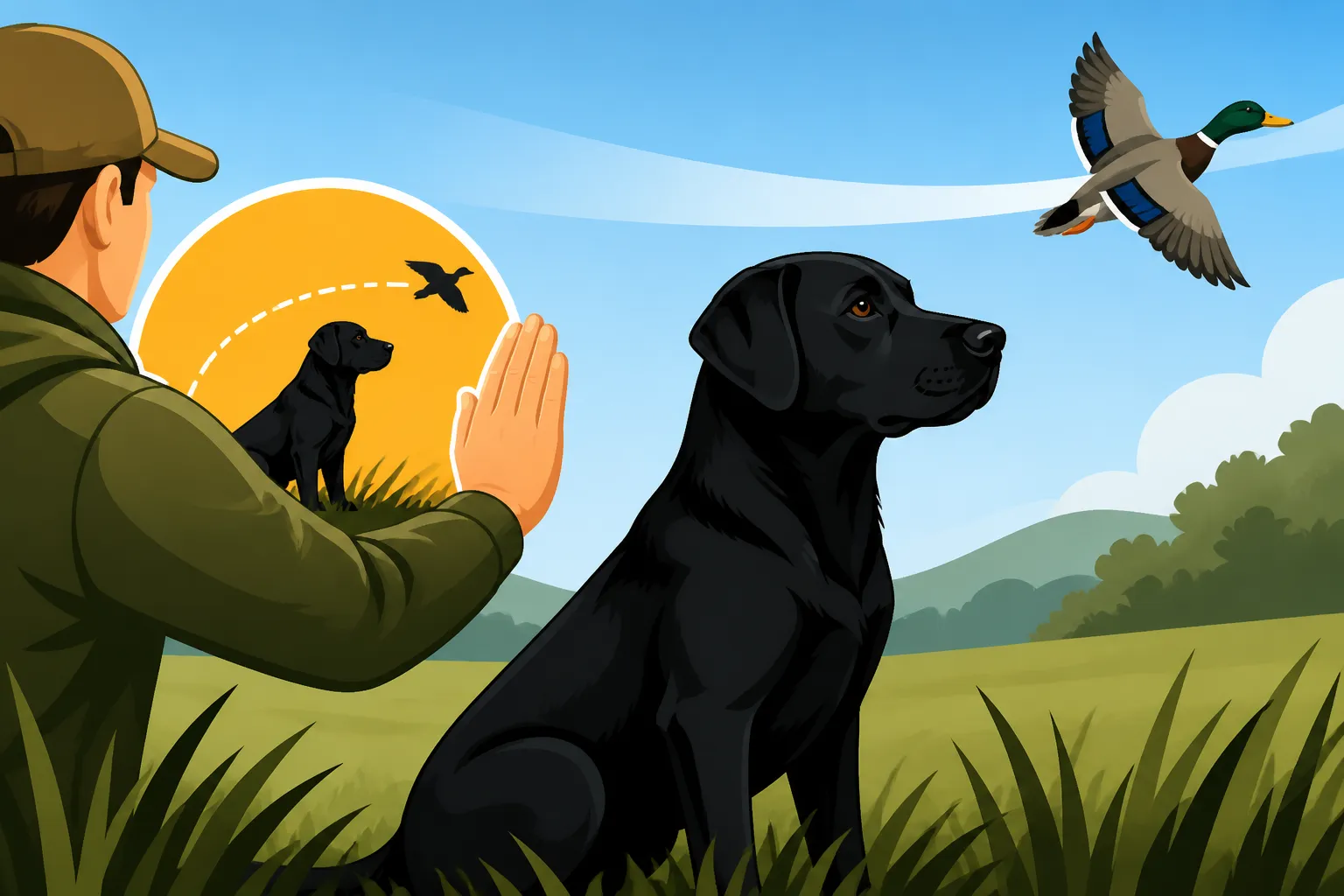
Training a Labrador to Steady on a Mark
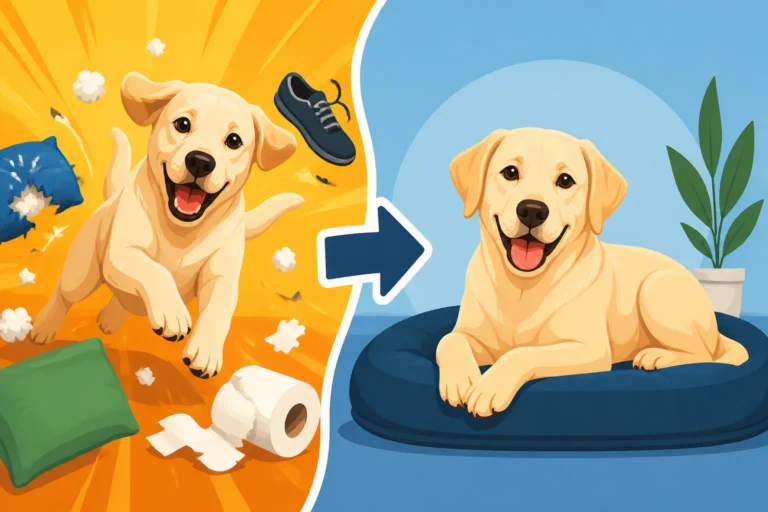
It's incredibly frustrating when you're trying to enjoy a game of fetch or practice some serious field work with your Labrador, only to have them launch themselves after the bumper or bird the second it leaves your hand. That explosive enthusiasm, while endearing, can become a real safety concern and makes controlled retrieves impossible. This guide is all about tackling that common Labrador trait head-on, teaching your intelligent, driven companion to patiently wait for the cue to retrieve, a skill we call "steadiness on a mark," which will transform your training sessions and make your time together much more harmonious and safe.
Understanding "Steadiness" in Labrador Training
When we talk about "steadiness" in Labrador training, especially in the context of retrieving, we're not just talking about your dog sitting still for a few seconds. Oh no, it's so much more nuanced and challenging than that! It's about developing profound impulse control and a rock-solid mental discipline that allows your Labrador to watch a desired object fly through the air and land, possibly even multiple objects, without moving a muscle until you give the explicit command to retrieve. For a breed born and bred for retrieving, whose very essence is to go get it, this is a monumental feat of training and a testament to their incredible capabilities.
What "Steady" Truly Means for a Labrador
Imagine you're out in a field, and you toss a bright orange training bumper. Your Labrador's eyes are glued to it, their body vibrates with excitement, their tail is thumping a mile a minute. A non-steady dog would be off like a shot the moment your arm even twitched. A steady dog, however, remains absolutely still. They might whine, they might shift their weight, but their paws stay planted. They watch the mark, they want the mark, but they hold that intense desire in check, waiting for the one word from you that gives them permission. That permission might be "fetch," "retrieve," or even a hand signal.
This isn't just about physical stillness; it's about mental control. It's the difference between a dog reacting on instinct and a dog thinking, "My human has a plan, and I need to wait for my instructions." This level of control is deeply ingrained and takes time, patience, and consistency to build. It's particularly challenging for Labradors because their retrieve drive is so incredibly powerful. It’s hard to tell an Olympic swimmer not to jump in the pool when they hear the starter pistol, and it’s equally hard to tell a Labrador not to retrieve!
Why Steadiness is Crucial for Safety and Success
Beyond just impressing your friends with your well-behaved dog, steadiness is absolutely critical for a multitude of reasons, both for your Labrador's safety and for the success of any retrieving activity.
First and foremost, let's talk about safety. If your Labrador is prone to bolting the moment a ball is thrown or a bird falls, they are putting themselves in danger. Picture this: you're playing fetch in a park near a road, and your dog breaks early, darting into traffic. Or perhaps you're hunting with others, and your dog dashes out into the line of fire. These are real, terrifying scenarios that can be entirely avoided with a steady dog. A dog that waits for instruction is a dog that can be directed away from hazards, or held back until it's safe to proceed.
Secondly, steadiness is paramount for successful retrieve work, especially in more advanced scenarios like hunting or field trials. If you throw multiple bumpers (what we call a "double" or "triple mark"), your dog needs to watch where each one lands, remember the order, and then wait for you to send them to the correct one. If they break on the first throw, they'll miss seeing the subsequent marks, making it nearly impossible for them to find all the retrieves. It also prevents multiple dogs from chasing the same retrieve, which can lead to fights or confusion. In a hunting context, steadiness allows the handler to properly "mark" the fall of a bird, prevent the dog from flushing more game prematurely, and send them on a precise line to recover the quarry. It allows for calm, controlled retrieves rather than chaotic dashes.
Finally, the discipline instilled by steadiness training spills over into general manners and obedience. A dog that can control their impulses for a retrieve will likely be better at waiting for their dinner, waiting at the door before bolting outside, or greeting visitors politely. It reinforces your role as the leader and decision-maker, building a stronger bond of trust and respect.
Laying the Foundation for Steadiness
Just like building a house, you can't jump straight to the roof without a strong foundation. Steadiness is an advanced concept for a Labrador, and it absolutely relies on a few core, fundamental skills. If these aren't solid, you'll be constantly frustrated, and your Labrador will be confused. This stage is all about teaching patience and control in a low-pressure environment before adding the exciting elements of a retrieve.
Mastering Basic Obedience and Impulse Control
Before you even think about throwing a bumper, your Labrador needs to have a rock-solid understanding of basic obedience commands. "Sit," "Stay," and "Come" (recall) aren't just polite parlor tricks; they are the bedrock upon which steadiness is built. Your dog needs to understand that when you say "stay," you mean it, regardless of what's happening around them.
Start in a quiet, distraction-free environment. Practice long "sits" and "stays" with you standing right next to them, then gradually increase distance and duration. If your Labrador struggles with this, go back to basics. Use high-value treats to reward successful holds, even for just a few seconds. Remember, Short Training Sessions That Suit a Labrador are often the most effective, keeping their focus sharp.
Beyond the basic commands, work on impulse control games. "Leave It" is your best friend here. Start by putting a low-value treat on the floor, cover it with your hand, say "leave it," and reward your dog when they look away or disengage. Gradually progress to higher-value items, then to items they really want, like a favorite toy. This teaches them that resisting temptation, even when the reward is right there, leads to an even better reward from you. Similarly, practice waiting at doorways, making them sit and wait for your release cue before going through. This teaches them that good things happen when they wait for you to give permission. Many families find immense value in structured online programs like those offered by BAXTER & Bella, which provide step-by-step guidance on these critical foundational behaviors, making sure you don't miss any crucial steps.
Introducing the "Mark" with Controlled Throws
Once your Labrador's basic obedience and impulse control are starting to shine, you can introduce the concept of the "mark" – the object they will eventually retrieve – in a very controlled way. The key here is control.
Start indoors or in a very quiet, fenced yard. Use a special "retrieve only" toy or a dedicated training bumper. This isn't their everyday plaything; it's a tool for specific training. Have your Labrador sit in front of you. Show them the bumper, get their attention, then place it gently on the ground directly in front of them, just a few inches away. Give your "leave it" command. When they don't touch it, say "take it" or "fetch" and allow them to pick it up. Immediately follow with a "come" and a "drop it" command. The goal is to make the retrieve a deliberate, multi-step process, not an instinctive grab. Teaching a Labrador to Drop It Reliably is crucial here, as you need to regain the object calmly.
Next, introduce a very short, controlled toss. With your Labrador sitting by your side (or in front of you, depending on your preferred starting position), gently lob the bumper a mere 5-10 feet away. Keep your hand on their collar or use a short leash. Give your "stay" command before you throw. As the bumper lands, reiterate "stay." Count to two or three, then give your release command, "fetch!" Reward enthusiastically when they return with the bumper and deliver it to hand. If they break early, immediately reel them in, bring them back to the starting spot, and repeat the setup, perhaps with an even shorter toss or no toss at all, just placing it. The idea is to build the habit of waiting.
The Role of the Check Cord and Crate
As you progress, two tools will become invaluable: the check cord and the crate.
A check cord (often a thin, long rope or leash) is a fantastic tool for gently enforcing steadiness without being physically heavy-handed. You can find sturdy long lines and various types of training bumpers on platforms like Amazon, which are essential tools for practice. Attach the check cord to your Labrador's collar. As you practice your short throws, hold the end of the check cord loosely. If your Labrador starts to creep or breaks early, give a gentle pop on the check cord and a firm "no" or "stay" command, immediately bringing them back to their starting position. The check cord isn't meant for punishment, but as a physical reminder and a safety net to prevent them from practicing the wrong behavior (breaking early). It allows you to introduce distance without losing control.
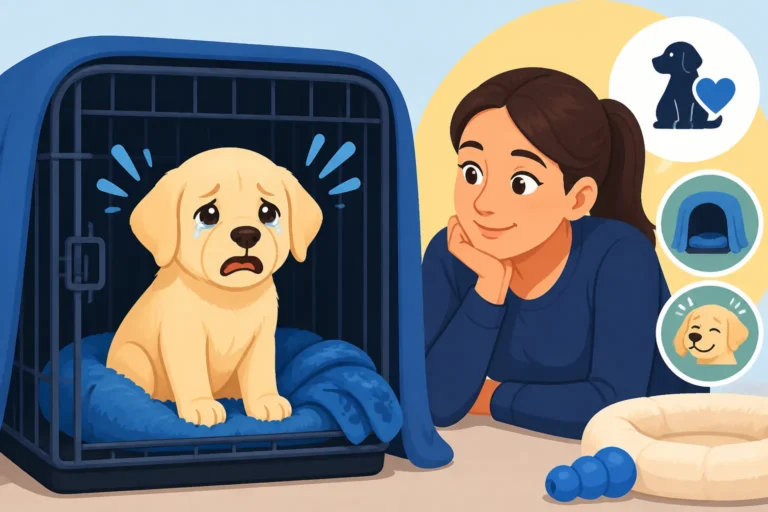
The crate also plays a surprisingly important role in developing steadiness. Crates are excellent for teaching patience and calm, even when exciting things are happening around them. If you're practicing retrieves with another dog, or even just setting up your training area, having your Labrador calmly waiting in their crate nearby teaches them to be observant without being reactive. It builds their tolerance for frustration and helps them understand that not every exciting event is for them. Think of it as a calm, personal waiting room. Crate Training a Labrador Puppy can establish this foundation early on, making it easier to leverage the crate for steadiness as they mature.
Advancing Steadiness with Distance and Distraction
Once your Labrador is consistently waiting for their cue on short, simple retrieves, it’s time to dial up the challenge. This is where you begin to stretch their patience and focus, preparing them for real-world scenarios where distractions are plentiful and distances are greater. Remember, every step should be a gradual increase in difficulty, ensuring success along the way.
Gradually Increasing Distance and Duration
The first natural progression is to increase the distance of your throws and the duration of their wait. Start by extending your throws by just a few feet at a time. If you were throwing 10 feet, try 15. If they succeed there, try 20. Always go back a step if they start to struggle. The goal isn't to trick them or set them up for failure, but to build their confidence in holding their position longer.
Similarly, extend the duration of their "stay" before you give the retrieve command. After the bumper lands, instead of counting to three, count to five, then ten. Introduce a short walk around them while they stay. Have them wait while you pick up a second, different bumper or toy (which they won't retrieve yet, but will observe). This teaches them that the retrieve isn't always immediate and that they must maintain their focus on you for the next instruction. Varying the terrain, like practicing in tall grass or near a slight incline, can also add subtle challenges that help solidify their focus. For an active breed, you can even incorporate this into Retrieving Games That Tire a Labrador, ensuring the waiting period is part of the fun.
Incorporating Distractions and Real-World Scenarios
Once your Labrador is steady with increased distance and duration in a quiet setting, it’s time to introduce distractions. This is where training really starts to mimic real life.
Begin with low-level distractions. Have another family member walk by at a distance, or have a quiet, calm dog sit nearby (perhaps also crated, building on the crate training mentioned earlier). Gradually increase the intensity of these distractions. You might progress to having someone jog past, or even another person throwing their dog a bumper (while your Labrador remains on a check cord, staying steady).
If you’re training for gundog work, this is where you’d start to introduce the sound of a training pistol or a blank gun, always at a distance at first, gradually bringing it closer. The sound of a bird call or even the smell of game can also be powerful distractions. The key is to introduce them one by one, very slowly, and always ensure your dog can succeed. If they fail, reduce the distraction and try again.
Think about real-world scenarios. Can your Labrador remain steady while you pretend to load a shotgun? Can they hold their position while a flock of geese flies overhead? These specific situations are where the true test of steadiness lies. Remember that Labrador Recall Around Birds and Wildlife is also a huge part of being a reliable dog in these environments, so working on both in parallel can be beneficial.
Preventing and Correcting "Breaking"
Despite all your careful foundation work, your Labrador will try to break early at some point. It's part of their nature. How you handle these moments is crucial.
First, learn to recognize the subtle signs that your Labrador is about to break: their weight shifting forward, a tense body, a low whine, intense eye contact with the fallen object instead of you. These are your cues to intervene before they actually move. A calm, firm "stay," a slight tension on the check cord, or even stepping between your dog and the mark can be enough to prevent the break.
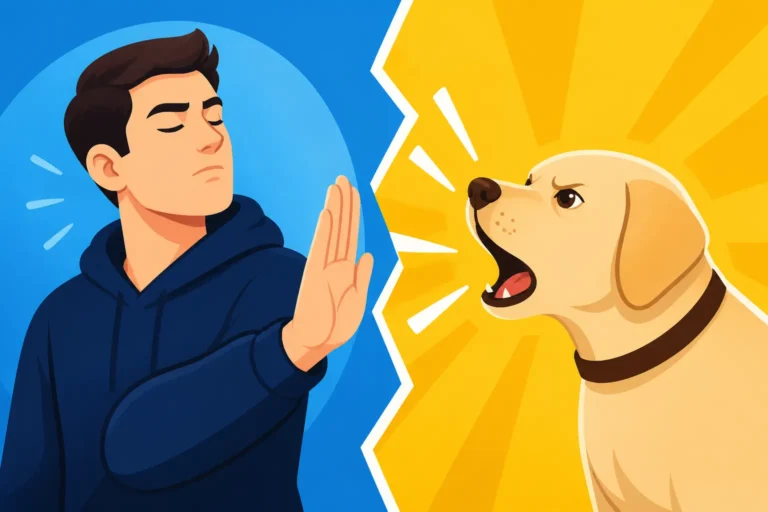
If your Labrador does break, the correction must be immediate and consistent. A quick, firm pop on the check cord followed by a clear "no" or "stay" is essential. Immediately bring them back to the exact spot where they were supposed to be. Make them sit, reset, and start the exercise from the beginning, possibly reducing the difficulty (shorter throw, less distraction). The most important rule: never reward a broken retrieve. If they break, chase the bumper, and bring it back, do not praise them for bringing it back. Take the bumper, reset, and repeat the exercise correctly. They must learn that the reward (the retrieve) only comes when they adhere to your rules. This consistent boundary setting reinforces that you are in control of the retrieve, and they must wait for your permission. Even if you have a Whether a Food-Obsessed Labrador Can Be Trained Out tendency, applying these principles to retrieves is achievable.
Common Steadiness Hurdles and Troubleshooting
Training a Labrador to be steady is a journey, not a sprint, and you're bound to hit a few bumps in the road. Even the most dedicated Labradors, with their immense retrieve drive, will test your patience and their own impulse control. Understanding these common hurdles and having strategies to overcome them will keep you moving forward.
Over-Anticipation and "Creeping"
This is probably the most common frustration for owners trying to achieve steadiness. Your Labrador isn't bolting outright, but they're not sitting still either. They're inching forward, leaning into the throw, perhaps a low whine, a quivering tail, their whole body vibrating with eagerness. This is "creeping" or over-anticipation, and it's a direct result of their powerful retrieve instinct fighting with their training.
What it looks like:
- Slowly shuffling paws forward.
- Butt lifting slightly off the ground.
- Intense staring at the mark, ignoring your cues.
- Soft whining or anxious panting.
Solutions:
- Back to basics: If creeping starts, you've likely pushed too fast. Reduce the distance of the throw, decrease distractions, or even go back to simply placing the bumper on the ground and making them wait.
- Check cord enforcement: This is where the check cord shines. As soon as you see the first sign of a creep, give a gentle, immediate pop on the cord and a firm "stay." Bring them back to the exact spot they were originally in.
- "Place" command: Teach your Labrador a strong "place" command, where they go to a specific mat or raised platform and stay. This defines their boundary very clearly. When training steadiness, have them on their "place" mat. It provides a visual and physical boundary that reinforces stillness.
- Randomized throws: Don't throw the bumper every time. Sometimes, you'll go through the motions of throwing, but simply pocket the bumper. Other times, you might toss it, but then pick it up yourself and put it away. This teaches your dog that throwing doesn't always mean they get to retrieve, breaking the anticipation cycle.
- Reward patience: Lavishly praise and reward your Labrador with high-value treats for holding still, even if it's just for a few extra seconds. You are essentially rewarding the absence of movement, which is tough for them. Treats That Motivate a Food-Driven Labrador are key here.
Losing Focus with High-Value Distractions
A bumper in a quiet field is one thing; a duck splashing in the water, a pheasant flushing, or another dog happily retrieving is an entirely different level of distraction for a Labrador. It's easy for their focus on you to shatter when something truly exciting happens.
Solutions:
- Gradual exposure: You wouldn't throw your dog into a full hunting scenario if they can't handle a squirrel in the park. Slowly introduce distractions, starting small and far away, then gradually bringing them closer or making them more intense.
- Build value for staying: Your dog needs to understand that staying steady, even when tempting things are happening, leads to an even better reward from you. This might mean an immediate, high-value treat for staying the moment a distraction occurs, before they get the retrieve.
- Increase mental work: A Labrador with a busy mind is often less likely to get overly fixated on external distractions. Incorporate Mental Work for a Bored Labrador like scent games, puzzle toys, or advanced obedience into your routine. A mentally satisfied dog is a more focused dog. Puzzle Feeders That Slow a Greedy Labrador can be a great way to engage their minds when they're not actively retrieving.
- Environmental variety: Don't always train in the same spot. Practice steadiness in different parks, fields, by quiet ponds, and even in your backyard. Each new environment is a new distraction challenge and helps generalize the behavior.
| Problem | Appearance | Common Causes | Solutions |
|---|---|---|---|
| Breaking Early | Dog runs before cue, chases mark immediately. | Over-excitement, weak impulse control. | Check cord, immediate correction, reset, reduce difficulty, don't reward broken retrieves. |
| Creeping/Anticipation | Dog inches forward, whines, tenses, but doesn't run. | Strong retrieve drive, pushing too fast. | Check cord, "Place" command, randomized throws, heavy praise for stillness, back to basics. |
| Lack of Focus | Dog looks at other things, easily distracted. | Inadequate foundation, over-stimulation. | Gradually introduce distractions, build value for staying, increase mental engagement, vary environments. |
| Poor Delivery | Dog retrieves, but plays keep-away or drops it far. | Incomplete retrieve training, handler mistakes. | Consistent "come" and "drop it" commands, make delivery mandatory for reward, "hold" command practice. |
Maintaining Steadiness in Advanced Work
Once you've got a reasonably steady Labrador, the ongoing challenge is to maintain that steadiness. It's not a "one and done" training exercise. Life happens, new distractions appear, and old habits can creep back in if you're not vigilant.
Consistency is paramount: Never let your Labrador break early, even if it's "just for fun." Every time they get away with it, you're undoing some of your hard work. This doesn't mean you can't have fun, free-for-all fetch sessions, but make sure they understand the difference: when the training collar is on, or when you give the specific "wait" command, the rules apply.
Vary your training: Don't always train in the same spot with the same bumper. Use different fields, different types of retrieves (water retrieves, blind retrieves where they don't see the mark), and different people throwing. This ensures their steadiness isn't dependent on a specific context. For those aiming for higher levels, Gundog Training Costs for a Field Labrador might include specialized facilities or trainers who can help you practice in even more realistic scenarios.
Know when to push and when to scale back: Pay close attention to your Labrador's body language. Are they starting to get frustrated? Overly excited? If so, scale back the difficulty. End on a successful, easy retrieve. Building steadiness is about consistent, gradual progress, not about reaching a specific milestone by a certain date. It's a lifelong skill that needs regular reinforcement, but the rewards of a truly steady, dependable Labrador are immeasurable.
Disclaimer
This article is for general informational purposes only and does not constitute professional advice. Laws, prices and regulations vary by location and change over time. Consult a qualified professional for guidance on your specific situation.