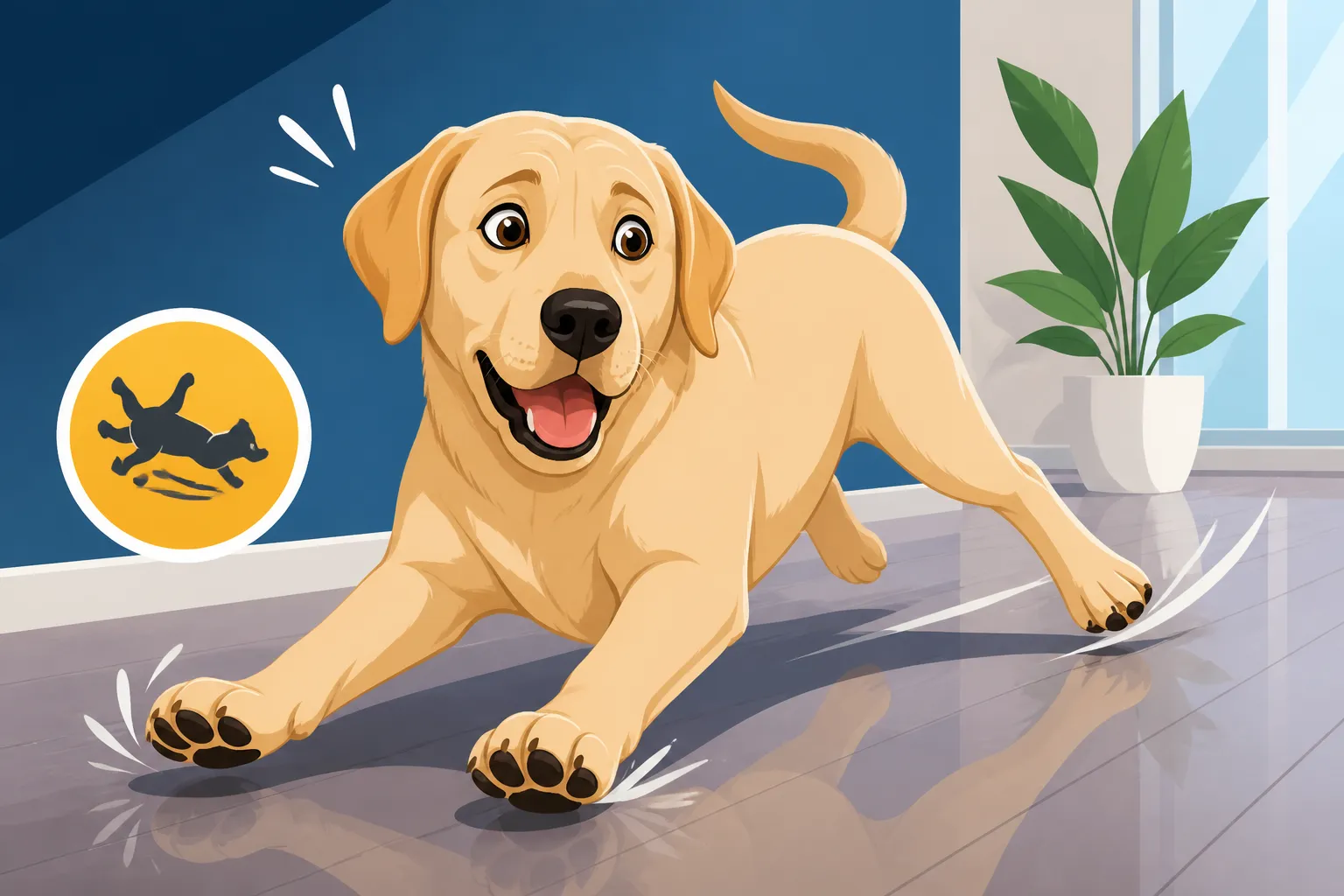
Slippery Floors and a Labrador’s Paws
If you’ve ever watched your beloved Labrador Retriever tentatively tiptoe across your polished hardwood floors, or worse yet, seen them slip and splay out, you know the heart-stopping moment of fear and frustration. This isn't just an inconvenience; slippery surfaces pose a genuine threat to our Labradors' joint health and overall well-being, especially as they age or if they're still growing puppies. This guide is here to shed light on why slippery floors are such a concern for this wonderful breed and, more importantly, equip you with practical, empathetic solutions to keep your furry family member safe and confident in your home.
Why Slippery Floors Are a Problem for Labradors (and Their Owners!)
It’s easy to assume dogs are naturally agile, but for a breed like the Labrador, certain home environments can become treacherous. Those beautiful, sleek floors we love in our homes – hardwood, laminate, tile – can turn into a skating rink for a powerful, enthusiastic dog like a Lab. This isn’t just about the occasional funny slip; it’s about chronic stress on their bodies and the very real risk of injury.
The Labrador Build: A Recipe for Slips
Labradors are magnificent, robust dogs. They’re built for retrieving, with powerful hindquarters, a broad chest, and substantial weight. While these traits make them excellent athletes and loyal companions, they can be a disadvantage on slick surfaces. Imagine trying to run or turn quickly on ice while carrying extra weight – that’s essentially what a Labrador experiences on a shiny floor. Their natural gait, which involves powerful propulsion from their back legs, requires firm traction to execute safely. When their paws can’t grip, that propulsion translates into dangerous slides. This is particularly true when they get excited, perhaps greeting you at the door, or zooming from one room to another with that characteristic Labrador exuberance. Their sheer mass means that when they do slip, the impact is much greater, and the twisting force on their joints can be immense. For more insight into their physical attributes, you might find The Labrador Retriever Breed Explained helpful.
The Unseen Strain on Joints
Even if your Labrador doesn’t experience dramatic, full-body falls, the constant micro-slips and the effort they exert to prevent slipping take a significant toll. Every time they subtly splay their legs to catch themselves, or brace their muscles to maintain balance, they’re putting unnatural strain on their hips, elbows, knees, and spine. This repetitive stress is a silent enemy, contributing to the premature wear and tear of cartilage and ligaments. For a breed already genetically predisposed to conditions like Labrador Hip and Elbow Dysplasia, this constant joint stress is a serious concern. It can accelerate the onset and severity of these painful conditions, leading to chronic discomfort and reduced mobility much earlier in their lives than necessary. Owners often don't see the cumulative effect until it's too late, wondering why their dog is developing stiffness or limping.
Psychological Impact and Loss of Confidence
Beyond the physical risks, slippery floors can have a profound psychological effect on a Labrador. Dogs are intelligent creatures, and they learn quickly what feels unsafe. A Labrador who repeatedly slips or falls can become hesitant, anxious, and even fearful of certain areas of their home. You might notice them walking gingerly, adopting an unnatural, stiff gait, or outright refusing to enter rooms with hard floors. This loss of confidence impacts their quality of life, preventing them from enjoying their home fully, playing freely, or even simply moving comfortably between their favorite spots. It's heartbreaking to see a naturally joyful and energetic Labrador become tentative or sad because of their environment, and it’s a clear sign that the slippery floors are truly impacting their well-being.
Understanding the Risks: How Falls Affect a Labrador's Health
When a Labrador slips and falls, it's not always just a momentary embarrassment. The consequences can range from minor discomfort to serious, life-altering injuries, with different impacts depending on the dog's age and existing health. It's crucial for us as owners to understand these risks so we can prioritize preventative measures and recognize when a slip is more than just a mishap.
Acute Injuries from Sudden Falls
A sudden, uncontrolled fall can lead to a variety of acute injuries. Picture a Labrador chasing a toy, hitting a slick patch, and their legs splaying out rapidly. This motion can result in pulled muscles, painful sprains, or even more severe damage such as torn ligaments. A common and devastating injury, particularly in active large breeds, is a torn cranial cruciate ligament (CCL) in the knee – often referred to as a "blown knee." This type of injury often requires expensive surgery and a long, difficult recovery. Even less severe falls can cause painful bruises, scrapes, or broken nails, which can lead to limping and infection if not properly cared for. These incidents can quickly escalate from a simple trip to an emergency vet visit, causing immediate pain for your Lab and significant stress (and cost) for you. You can learn more about specific knee issues by reading Why Labradors Blow Out Their Knees.
Worsening Chronic Joint Conditions
For Labradors, who are already prone to certain orthopedic issues, slippery floors are a major aggravator. If your Lab has early-stage hip or elbow dysplasia, or even mild Labrador Arthritis in Middle Age, every slip or struggle for traction exacerbates the condition. The impact and twisting motions put additional strain on already compromised joints, accelerating cartilage degradation and increasing inflammation. This means a condition that might have progressed slowly and been manageable for years could suddenly worsen significantly due to a few bad slips. Maintaining a controlled, stable environment is paramount for managing these conditions, and a house full of slippery floors actively works against any therapeutic efforts, potentially leading to increased pain medication, more frequent veterinary visits, or the need for more invasive treatments.
Impact on Senior Labradors
As Labradors age, they naturally lose muscle mass, their balance can decline, and existing joint issues become more pronounced. For these senior citizens of the dog world, slippery floors are not just a risk; they are a severe hazard. An elderly Labrador with diminished strength in their hindquarters, perhaps struggling with Labrador Arthritis in Middle Age, can find even minor slick spots insurmountable. A fall for a senior Lab can be devastating, leading to injuries that severely impact their remaining quality of life, or even a complete loss of mobility. It can be incredibly disheartening to witness your once-robust companion struggle to stand or walk on a surface they used to navigate with ease. Providing a secure, non-slip environment is one of the most important things we can do to ensure our Caring for a Senior Labrador can maintain their dignity, comfort, and independence in their golden years, and you might consider Ramps and Mobility Aids for an Old Labrador for additional support.
Practical Solutions for Making Your Home Labrador-Safe
Now that we understand the gravity of the problem, let's talk about solutions. Thankfully, there are many practical and often simple steps you can take to transform your home into a safe haven for your Labrador, reducing their risk of injury and boosting their confidence. These changes don't have to break the bank or require a full home renovation; often, it’s about strategic placements and thoughtful additions.
Non-Slip Flooring and Floor Treatments
The most direct way to tackle slippery floors is to add traction where it's needed most. Area rugs and runners are your best friends here. Focus on high-traffic pathways where your Labrador frequently walks, runs, or makes turns – hallways, in front of the couch, around the kitchen island, and leading to their bed. Opt for rugs with a non-slip backing or invest in good quality rug pads to prevent the rugs themselves from sliding. You can find a huge variety of options on platforms like Amazon or at local home goods stores. Carpet tiles are another fantastic option, as they can be easily installed in specific areas and replaced if damaged. For existing hard floors, there are some pet-safe, non-slip floor treatments or waxes available, but always research thoroughly and test in an inconspicuous area first to ensure they are truly safe for pets and don't damage your flooring.
| Solution Type | Best For | Pros | Cons |
|---|---|---|---|
| Area Rugs/Runners | High-traffic zones, open spaces | Aesthetic, easy to install, variety | Can still slip without proper backing |
| Carpet Tiles | Specific areas, DIY installation | Customizable, replaceable, good grip | May not suit all home aesthetics |
| Non-Slip Sprays | Existing hard floors | Invisible, covers large areas | Requires reapplication, vet-safe check |
| Rubber-Backed Mats | Entryways, kitchen, pet feeding | Durable, good grip, easy to clean | Limited aesthetic options, smaller size |
Paw Protection and Traction Aids
Sometimes, the solution lies directly on your Labrador's paws! For Labs that struggle despite floor coverings, or in areas where rugs aren't feasible, specialized paw protection can make a huge difference. Dog boots or grippy socks, designed for indoor wear, can provide excellent traction. It might take a bit of time and positive reinforcement to get your Labrador accustomed to wearing them, but the safety benefits are worth the effort. Look for options with rubberized soles that truly grip. Brands available on Chewy or Amazon often have good reviews for these. Additionally, paw balms or sprays can be applied directly to their paw pads to improve grip. These typically moisturize the pads while adding a tacky texture, reducing slippage. Finally, regular Trimming a Labrador's Paw Hair is essential. Long hair between paw pads reduces their natural grip, making them more prone to sliding. Keep that hair neatly trimmed so their paw pads can make direct contact with the floor.
Rethinking Furniture and Layout
Believe it or not, simply rearranging your living space can also contribute to a safer environment. Think about your Labrador's typical routes through the house. Can you strategically place rugs to create continuous "safe zones" or pathways, allowing them to travel from one carpeted area to another without crossing large expanses of slick floor? You might even consider moving a piece of furniture to block off a particularly hazardous, un-rug-able area, or using dog gates to limit access to rooms that are entirely slippery. If your Labrador loves to jump onto the couch or bed, consider a pet ramp. This eliminates the sudden impact and potential for a slip when they launch themselves on or off furniture, especially beneficial for older Labs or those with pre-existing joint issues. Ramps and Mobility Aids for an Old Labrador can truly make a difference in their daily comfort.
Strengthening and Conditioning
While modifying the environment is crucial, supporting your Labrador's physical strength is another vital piece of the puzzle. A strong core and well-muscled hindquarters can help them maintain balance and recover from minor slips more effectively. Gentle, controlled exercises performed on non-slip surfaces are ideal. This isn't about vigorous workouts, but rather targeted activities that build stability. Think about slow walks on varied terrain (like grass or dirt), gentle inclines, or even specific balance exercises recommended by a vet or certified canine physical therapist. They might suggest activities using wobble boards or resistance bands to engage specific muscle groups. These kinds of activities not only build strength but also improve proprioception – their body's awareness of its position in space – which can enhance their ability to navigate tricky surfaces. If your Lab has known hip issues, this might tie into Physical Therapy for a Labrador With Bad Hips.
Preventative Care and Long-Term Strategies
Making immediate changes to your home environment is a great start, but true, long-term well-being for your Labrador on slippery floors also involves a holistic approach to their health and preventative care. This means focusing on their physical condition, diet, and regular monitoring to ensure they can navigate their world with confidence for years to come.
Regular Vet Check-ups and Early Detection
Routine veterinary check-ups are invaluable, especially when it comes to monitoring your Labrador's joint health. Your vet can perform physical examinations to assess gait, joint flexibility, and muscle mass. They can also help identify early signs of orthopedic issues like dysplasia or arthritis before they become severe problems that make slippery floors even more dangerous. Being proactive means you can implement interventions, such as specific exercises, dietary changes, or supplements, much earlier. Don't wait until your Lab is obviously limping or struggling on the floors to seek advice. Even subtle changes in their movement or hesitation can be clues that something is amiss, and recognizing Reading Pain in a Stoic Labrador can be challenging because they are often so stoic. Early detection allows you to make necessary environmental adjustments and medical decisions that will significantly improve their quality of life.
Maintaining a Healthy Weight
This point cannot be stressed enough: maintaining a healthy, lean weight is perhaps one of the most impactful long-term strategies for protecting your Labrador's joints, especially on challenging surfaces. Every extra pound your Labrador carries puts exponentially more stress on their joints, amplifying the impact of slips and falls. An overweight Labrador will struggle more with balance, their movements will be less agile, and any fall will have a greater likelihood of causing serious injury. Keeping your Lab at an ideal body condition score reduces the burden on their hips, elbows, and knees, giving them a better chance to navigate slippery floors without harm and to age gracefully. Discuss portion control and appropriate diet with your vet, especially since Why Labradors Gain Weight So Easily. Making sure your Labrador is lean can literally add years to their life and significantly improve their comfort. Learn more about how weight impacts lifespan with How Much Longer a Lean Labrador Lives.
Incorporating Joint Support
Beyond environmental adjustments and weight management, specific nutritional and supplemental support can play a crucial role in safeguarding your Labrador's joints. Many veterinarians recommend incorporating joint supplements, such as glucosamine, chondroitin, and omega-3 fatty acids (like fish oil), into a Labrador's daily regimen. These supplements are believed to support cartilage health, reduce inflammation, and improve joint lubrication. While they won't cure existing conditions, they can certainly help slow progression and provide comfort. Your vet might also suggest prescription diets specifically formulated for joint health, which contain higher levels of these beneficial ingredients. Always consult your veterinarian before starting any new supplement or changing your dog's diet to ensure it's appropriate for their specific needs and doesn't interact with other medications. For more information, check out Joint Supplements That Help a Labrador or Fish Oil for a Labrador's Coat and Joints.
Puppy Considerations
It’s easy to overlook slippery floors for a playful, seemingly indestructible Labrador puppy, but it’s actually a critical time to be mindful. A puppy's bones and joints are still developing, with their growth plates not yet fused. Excessive sliding, falling, or high-impact activities on slick surfaces during this crucial growth phase can cause irreversible damage to their developing joints, potentially predisposing them to orthopedic problems later in life, such as How Fast Growth Damages a Labrador's Joints. Ensure that your puppy has plenty of non-slip surfaces for their play and exercise, especially during their most energetic zooming sessions. Avoid encouraging games that involve rapid stops and starts on hard floors. Prioritizing a safe, stable environment from puppyhood sets them up for a lifetime of healthy mobility. Understanding Labrador Puppy Health in the First Year is key to giving them the best start. Also, be aware of Exercise Limits for a Labrador Puppy.
Disclaimer
This article is for general informational purposes only and does not constitute professional advice. Laws, prices and regulations vary by location and change over time. Consult a qualified professional for guidance on your specific situation.