Washout Rates for Labrador Service Candidates
Bringing a Labrador Retriever into your home, especially with the dream of them becoming a service dog, is an incredibly exciting and hopeful journey. You envision a loyal companion who will provide invaluable assistance, a true partner in navigating life's challenges. However, the path to becoming a certified service dog is incredibly demanding, and it’s a tough reality that not every promising Labrador candidate makes it through the rigorous program. This comprehensive guide will explore the high standards and detailed training involved, delving into the common reasons why these exceptional dogs might "wash out" and what happens to them when they don't fulfill their initial service role.
Why Labradors Are Chosen for Service Work and the High Hopes
Labrador Retrievers are practically synonymous with service work, and for good reason. They consistently rank as one of the top breeds selected by service dog organizations worldwide. When a service dog program chooses a Labrador puppy, they're not just picking a cute face; they're investing in a long lineage of desirable traits. There's an immense amount of hope and expectation placed on these tiny pups, knowing the profound impact they could have on someone's life.
Inherent Temperament and Trainability
One of the primary reasons Labradors are so highly sought after for service work is their incredible temperament. They are typically even-tempered, affectionate, and possess an unwavering desire to please their human companions. Think about it: a service dog needs to be calm and focused in bustling public places, unflappable when faced with new sounds or crowds, and gentle with the person they are assisting. A Labrador's natural ability to remain steady under pressure and form deep bonds makes them ideal. Their legendary Labrador Intelligence and Trainability also means they are quick learners, capable of grasping complex tasks and retaining a vast repertoire of commands. This eagerness to work and inherent biddability significantly reduces the time and effort required to teach them intricate service tasks, from opening doors to retrieving dropped items or even sensing an impending medical event.
Beyond their intelligence, their stoicism can be a double-edged sword, as it helps them remain calm, but also means owners need to be diligent in Reading Pain in a Stoic Labrador. This is especially crucial for service dogs, who need to be able to perform their duties without complaint, even if experiencing minor discomfort.
Physical Attributes That Suit Service Roles
It's not just their brains and personalities; a Labrador's physical build also makes them perfectly suited for a wide range of service dog tasks. Their medium-to-large size provides the necessary leverage for mobility assistance, like helping someone stand up or bracing for balance. Yet, they're not so large as to be cumbersome in tight spaces, such as crowded shops or small apartments. Their strong, muscular bodies are built for endurance, allowing them to accompany their handlers for extended periods without fatigue. The short, dense double coat is relatively low maintenance and resilient, a practical consideration for a dog that will be out and about in all sorts of weather. You don't want a service dog whose coat becomes a magnet for burrs or takes hours to dry after a rain shower. Their retrieving drive, a hallmark of the breed, is also invaluable. The soft mouth, genetically ingrained, ensures they can pick up delicate objects, like a phone or a credit card, without damaging them. This combination of strength, manageable size, and practical physical traits makes the Labrador an exceptional candidate from a purely functional standpoint.
Common Reasons Labrador Service Candidates Wash Out
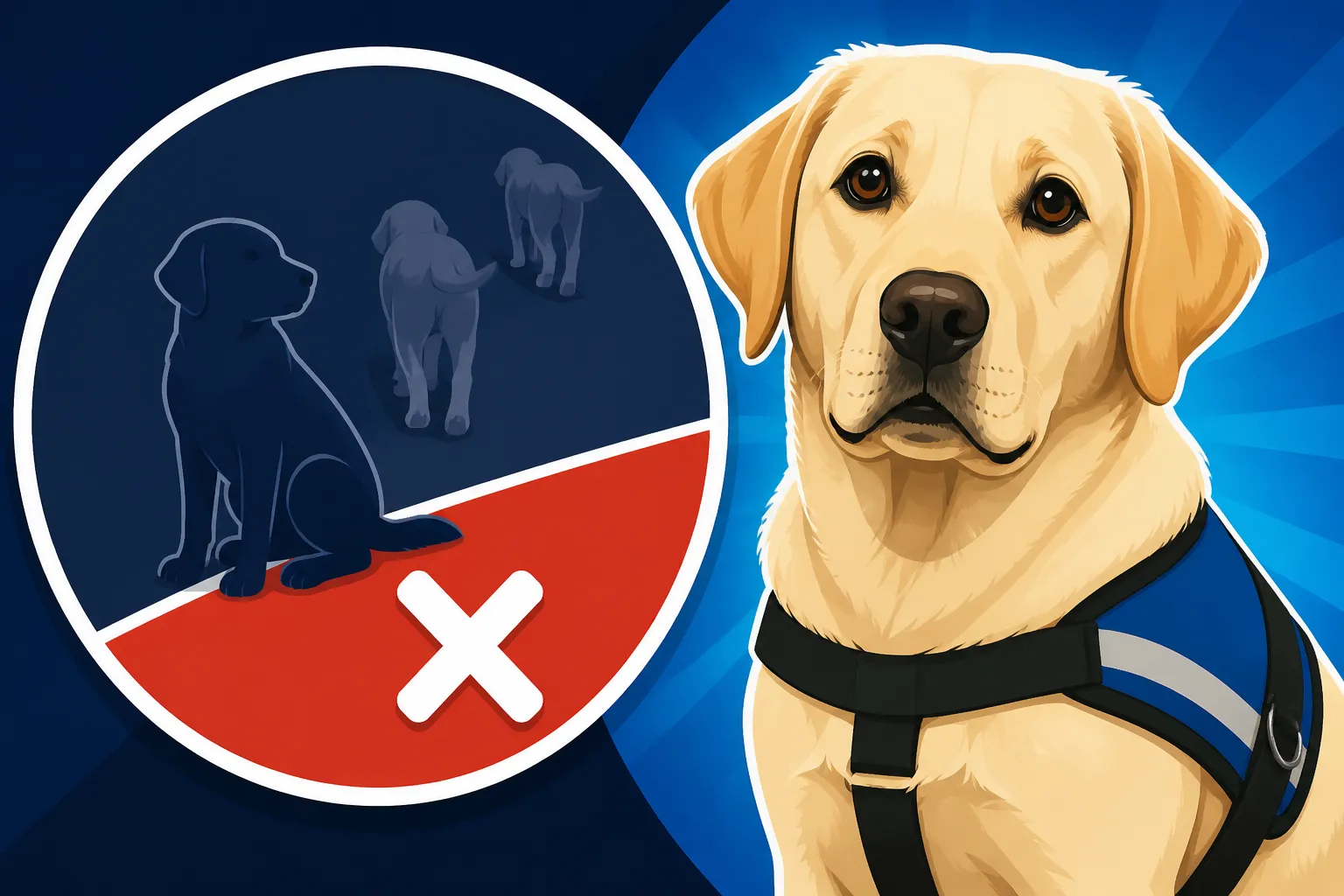
Despite their many desirable traits, not every Labrador puppy that enters a service dog program will graduate. The "washout rate" can be significant, sometimes as high as 50-70% in some programs, depending on their specific criteria and the intensity of training. It's not a reflection of the dog's worth, but rather the incredibly stringent demands of the job. It's a tough pill to swallow for trainers and potential handlers alike, but necessary to ensure public safety and the dog's well-being.
Health and Physical Issues
One of the most heartbreaking reasons a Labrador might wash out is due to health problems. Even with careful breeding and Health Clearances a Labrador Breeder Must Show from parents, genetic conditions can still emerge. Conditions like Labrador Hip and Elbow Dysplasia are unfortunately common in larger breeds and can manifest despite the best preventative efforts. A service dog needs to be physically sound and pain-free to perform their duties reliably for many years. Any condition that causes chronic pain, limits mobility, or requires frequent veterinary intervention can disqualify a dog. Imagine a mobility assistance dog struggling with painful joints; it's not fair to the dog or safe for the person relying on them. Beyond orthopedic issues, eye conditions like Progressive Retinal Atrophy in Labradors or even certain heart conditions can also lead to a dog being career-changed. These health issues often become apparent as the dog matures and undergoes more strenuous physical activity, making early detection and careful monitoring crucial throughout their development.
Behavioral and Temperamental Mismatches
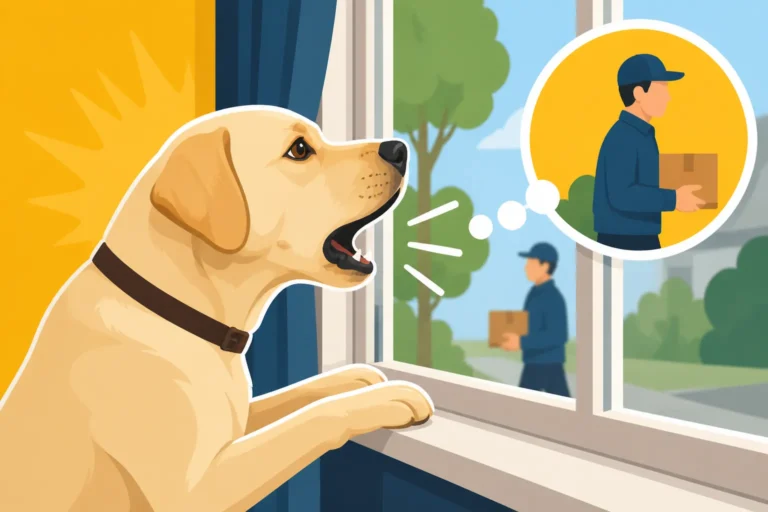
Sometimes, a Labrador's otherwise endearing quirks just aren't suited for service work. For example, some Labradors might develop Separation Anxiety in Labrador Retrievers, making it impossible for them to be left alone or to focus on their tasks without their handler nearby. While Labradors are generally known for their calm nature, some individuals might develop Fearful Behavior in a Labrador when exposed to novel situations, loud noises, or specific environments. A service dog must be utterly confident and unflappable in all public settings, from crowded grocery stores to bustling airports. A dog that displays reactivity, excessive barking, or an inability to ignore distractions, no matter how much training they receive, simply won't be able to perform consistently. Even minor behavioral issues, like being too easily distracted by scents or showing a strong prey drive towards small animals, can be disqualifying. They need to be singularly focused on their handler and their tasks, not on the squirrel that just ran by the park bench. Building a Labrador's Recall From Scratch is one thing, but maintaining it amidst extreme distractions is another challenge entirely.
Environmental Sensitivities and Distraction
The world is a noisy, unpredictable place, and a service dog needs to be able to navigate it all with grace and focus. Some Labradors, despite their generally robust nature, might exhibit heightened sensitivities to certain environmental stimuli. This could be anything from a strong aversion to slick floors, an intense fear of thunderstorms, or an inability to ignore the myriad smells and sounds in a busy urban environment. Even a dog with an otherwise excellent temperament might simply be too easily distracted by everything happening around them to reliably perform their duties. A service dog needs to be able to work calmly and competently in places like hospitals, schools, and crowded public transport, where distractions are constant and varied. The goal of Socializing a Labrador Puppy extensively is to prevent these sensitivities, but some dogs are inherently more prone to being overwhelmed, and no amount of early exposure can fully overcome a fundamental temperament mismatch with highly distracting environments.
The Rigorous Training Process for a Labrador Service Dog
Becoming a service dog is far more than just learning "sit" and "stay." It's a multi-year commitment involving intensive training, consistent evaluation, and a dedication that few pet owners can fully grasp. It truly begins almost from birth.
Early Puppy Foundations
The journey starts when a Labrador puppy is just a few weeks old. Reputable service dog organizations carefully select puppies from specific lines known for their health and temperament. From the moment they arrive, these puppies are immersed in a world designed to build their confidence and teach them appropriate behaviors. They are introduced to a vast array of sights, sounds, textures, and people – all in a positive, controlled manner. Think about structured playtime, exposure to different floor surfaces, gentle handling by many people, and short, positive training sessions. Puppy raisers, often volunteers, play a crucial role in this stage, providing loving homes and following strict protocols for Training a Labrador From Puppy to Adult. They teach basic obedience, appropriate house manners, and crucial socialization skills. Consistency is key, and every interaction is an opportunity to shape a future service dog. Online programs like BAXTER & Bella can offer guidance and structure for new puppy owners, even those not raising service candidates, demonstrating the level of intentionality required from day one. Many trainers also recommend starting with a Labrador Puppy Starter Kit found easily on platforms like Amazon, ensuring they have the right tools from the beginning to encourage positive habits.
Advanced Task Training and Public Access
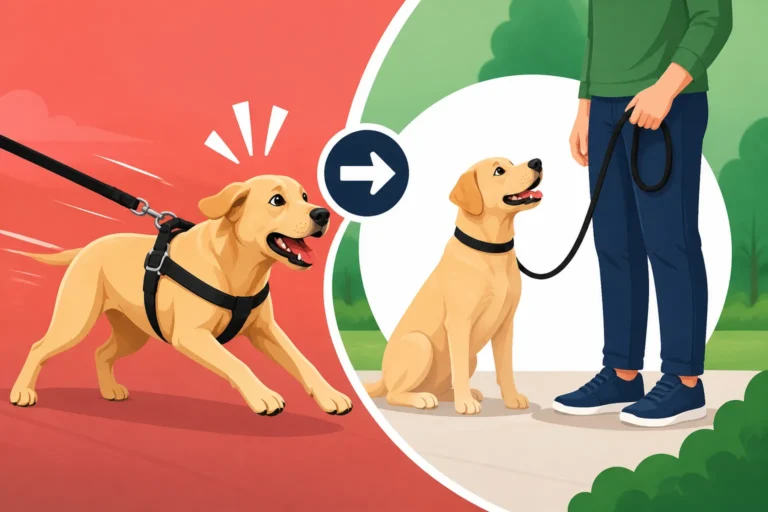
Once the Labrador candidate is older (typically between 12-18 months) and has mastered foundational skills, they transition into advanced task training. This is where the specific skills for their intended service role are honed. For a mobility assistance dog, this might involve learning to retrieve items, open doors, or provide bracing. For a medical alert dog, it could be detecting subtle changes in a handler's scent or behavior. This phase is incredibly intricate, requiring thousands of repetitions and meticulous attention to detail. Simultaneously, public access training becomes paramount. This means the dog must demonstrate impeccable manners and focus in all public environments, ignoring food dropped on the floor, other animals, and excited children. They learn to walk politely on a loose leash in crowded areas, settle calmly under tables in restaurants, and ride quietly on public transport. Each outing is a test, and any lapse in behavior is carefully noted and addressed. Only dogs that consistently meet these exceptionally high standards can move forward, cementing their role as genuine Labradors in Service and Detection Work.
What Happens to Labradors Who Don't Make the Cut
The term "washout" can sound harsh, implying failure. But for these wonderful Labradors, it's rarely a failure on their part. It simply means their unique talents and personality might be better suited for a different path, or their health simply won't allow them to fulfill the extremely demanding role of a service dog. These dogs are never simply abandoned; they are re-evaluated and given new opportunities.
Career Change Opportunities
Many Labradors who don't quite meet the stringent requirements for full service work are "career changed" into other valuable roles. Their extensive training and excellent temperaments still make them ideal candidates for a variety of jobs that are less demanding than full-time service work. They might become therapy dogs, providing comfort in hospitals, nursing homes, or schools. Some excel as facility dogs, working with a specific professional like a counselor or a victim's advocate. Others might find success in detection work that doesn't require constant public access, such as narcotics or explosives detection for private organizations. Their intelligence and desire to work are still strong, and these career changes allow them to use their skills in a capacity where they can truly thrive without the pressure of constant public access and the incredibly high stakes of medical or mobility support. It's a testament to the Labrador breed that even those who don't become full service dogs often find other ways to make a profound positive impact.
Adoption into Loving Homes
For Labradors whose temperament or health issues completely disqualify them from any working role, the most common and wonderful outcome is adoption into carefully screened pet homes. Service dog organizations take great care to find families who understand the dog's history and can provide a loving, appropriate environment. Many of these dogs, despite not being suited for service work, are still incredibly well-behaved, house-trained, and have a solid foundation of obedience. They are often adopted by the puppy raisers who originally fostered them, or by individuals on a waiting list specifically for these career-changed dogs. For many people, Adopting an Adult Labrador Retriever that has already had extensive training and socialization is an incredible opportunity. Imagine bringing home a dog that already knows polite leash manners and has a rock-solid recall! It's a win-win: the Labrador gets a wonderful life as a cherished family pet, and a family gets to welcome a fantastic, well-adjusted dog into their home.
Here's a look at common reasons for a service dog candidate to be career changed:
| Category | Common Reasons for Washout | Examples of Impact on Service Role |
|---|---|---|
| Health Issues | Hip/Elbow Dysplasia, Chronic Pain, Eye Conditions, Allergies | Inability to provide physical support, frequent vet visits, discomfort while working |
| Behavioral | Fearfulness (loud noises, specific objects), Reactivity, Guarding | Cannot remain calm in public, unpredictability, aggression |
| Temperament | Excessive Distractibility, Low Motivation, High Prey Drive | Inability to focus on tasks, lack of desire to work, chasing wildlife |
| Environmental | Sensitivity to surfaces (slick floors), Noise phobia | Refusal to enter certain buildings, anxiety in busy areas |
| Training | Inability to generalize tasks, Lack of problem-solving | Cannot adapt learned tasks to new situations, struggles with complex cues |
| Public Access | Inappropriate greetings, Chewing, Excessive vocalization | Disruptive in public, unsafe interactions with people or items |
This table illustrates that while Labradors are often the first choice, the path to becoming a service dog is incredibly demanding, and many factors can lead to a career change. Whether they go on to other valuable working roles or become cherished family pets, these Labradors always find a loving home where they can thrive, a testament to their enduring appeal and the dedication of the organizations that raise them.
Disclaimer
This article is for general informational purposes only and does not constitute professional advice. Laws, prices and regulations vary by location and change over time. Consult a qualified professional for guidance on your specific situation.