Building Confidence in a Timid Labrador
Genetic predispositions, trauma, and environmental stress cause Labrador timidity, while empathetic strategies build confidence.
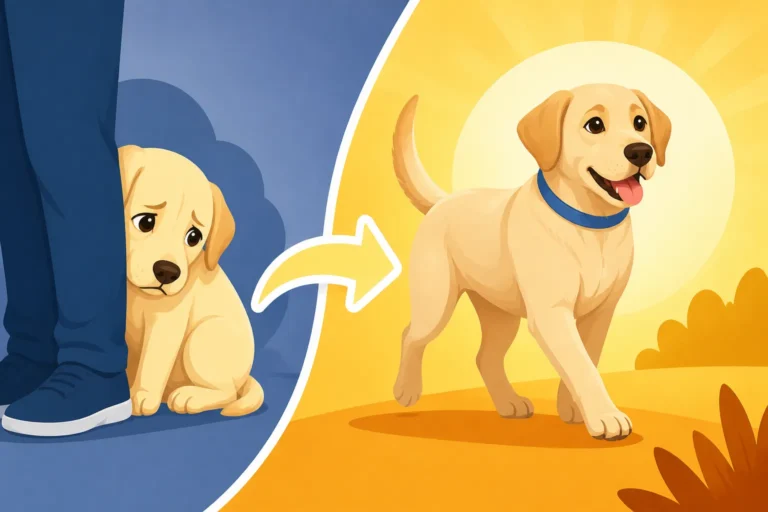
Genetic predispositions, trauma, and environmental stress cause Labrador timidity, while empathetic strategies build confidence.
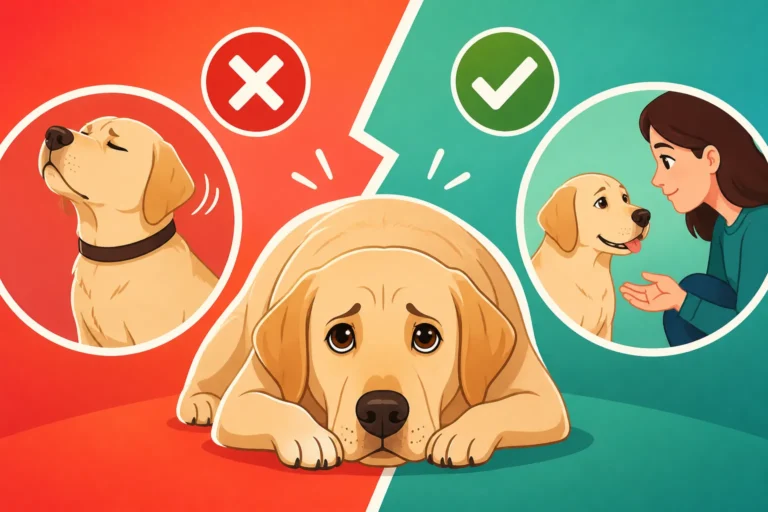
Labrador fear and anxiety behaviors often resemble stubbornness, explaining how to recognize distress cues instead of frustration.
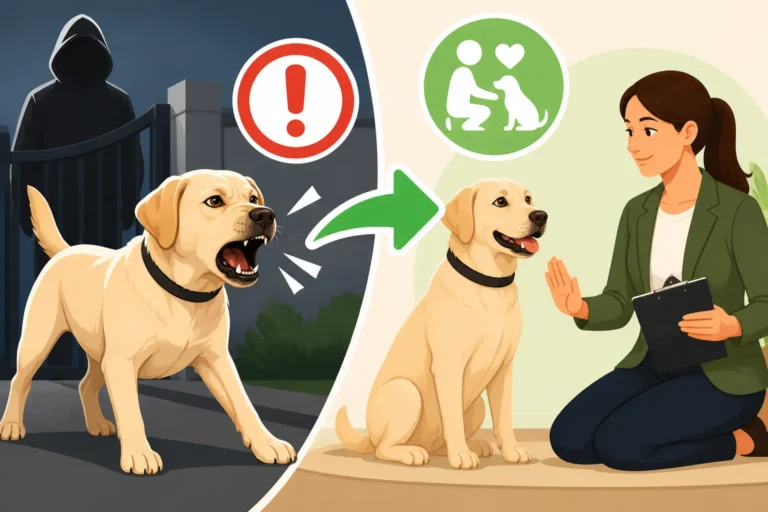
Labrador resource guarding signs and causes help owners identify warning behaviors and when to hire a veterinary behaviorist.
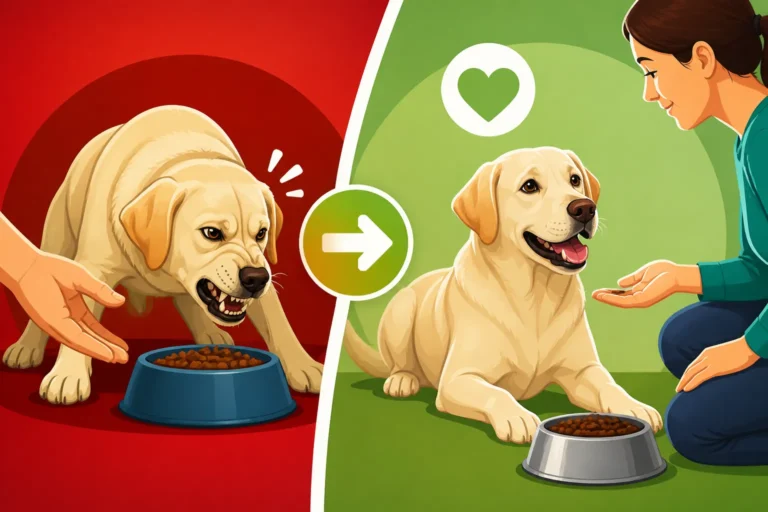
Labrador bowl guarding behavior explained through instinct and environment, with positive training strategies to restore mealtime trust.

Food guarding in Labradors stems from natural instincts and a specific gene deletion that increases appetite and hunger.

Labrador rough play at the dog park explains how to recognize enthusiastic behavior, spot body language, and manage dog interactions safely.
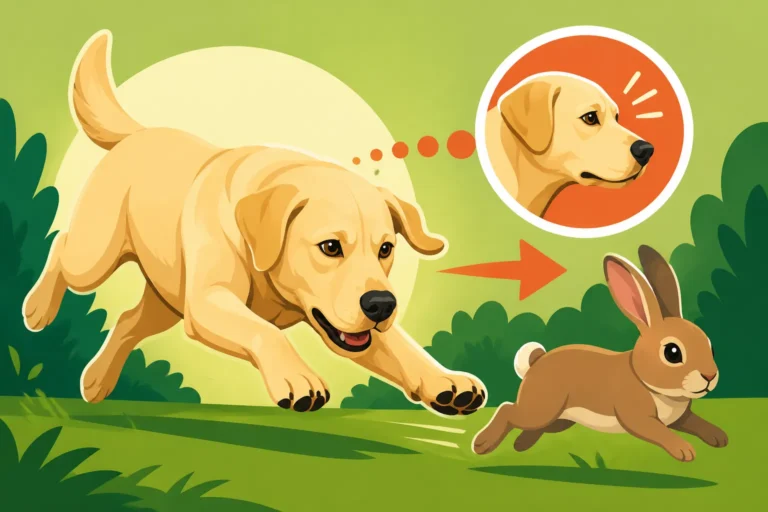
Labrador prey drive toward small animals stems from historical retrieving roots, manifesting in chasing, stalking, and practical management strategies.
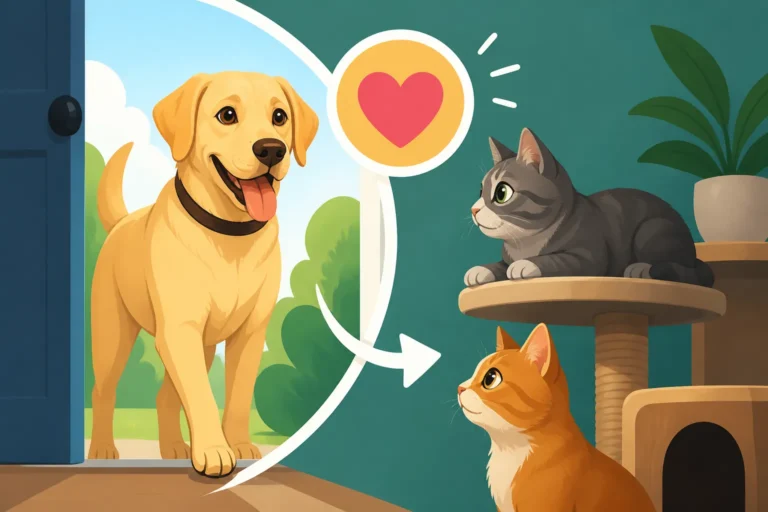
Labrador and cat introductions require home preparation and understanding feline stress signals to build a harmonious household.

Introducing a Labrador puppy to an older dog requires vet health checks, safe spaces, and separate feeding areas to build harmony.
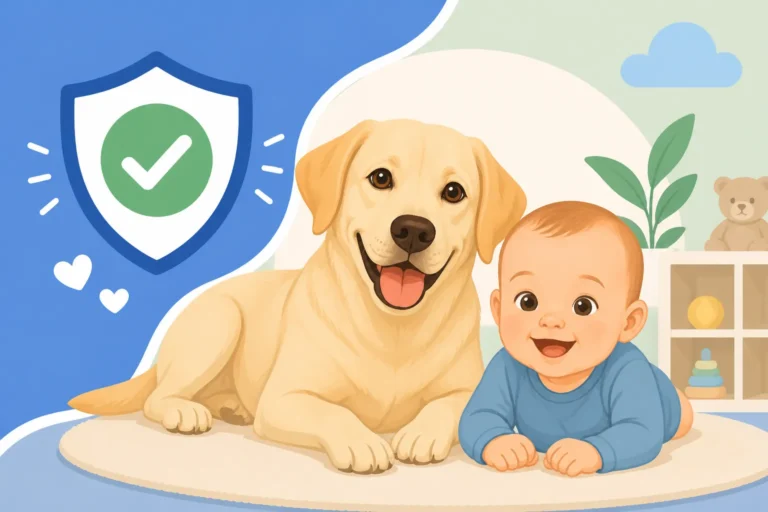
Labrador temperament around infants, explaining soft mouth traits, 70-pound dog risks, high energy levels, and English or American breed differences.