Why Labradors Show Up in So Many Working Roles
If you've spent any time observing the world around you, you've probably noticed a common thread among the most dedicated and hardworking dogs: Labradors. From guiding the visually impaired to sniffing out contraband at airports, these incredible dogs seem to be everywhere, performing vital tasks with unwavering focus and boundless enthusiasm. This guide will delve into the unique blend of traits that makes the Labrador Retriever an unparalleled choice for such a diverse array of demanding working roles.
The Historical Foundation: Bred for Purpose
It's no accident that Labradors excel in working roles; it's practically etched into their DNA. Their journey began centuries ago, not as pampered pets, but as indispensable partners to humans facing harsh conditions and demanding jobs. Understanding their origins helps us appreciate the deep-seated instincts that still drive them today.
Origins as Working Dogs: St. John's Water Dogs
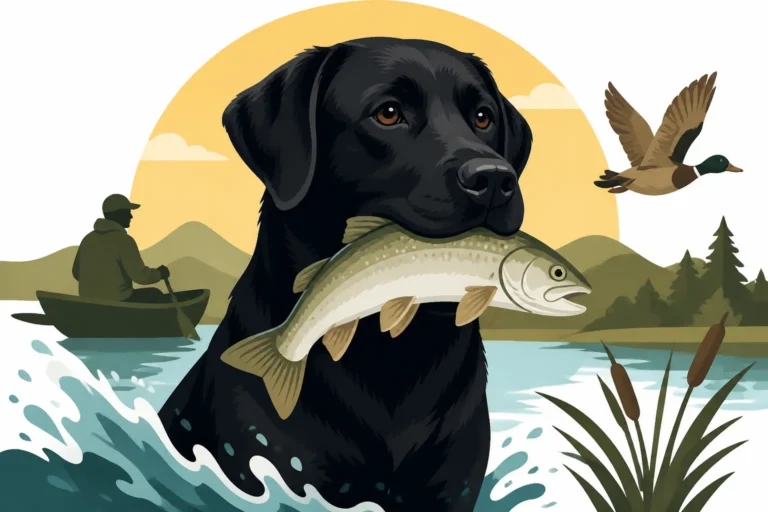
Before they were the Labradors we know and love, their ancestors were known as St. John's Water Dogs, hailing from Newfoundland. These dogs weren't bred for show rings or leisurely strolls; they were bred for survival and utility. Imagine the freezing, unforgiving waters off the Canadian coast, where fishermen relied on these sturdy dogs to retrieve nets, ropes, and fish that had escaped the lines. They were essentially deckhands with four legs, working tirelessly alongside their human companions. This rigorous life forged a breed with incredible resilience, an intense drive to retrieve, and a thick, water-resistant coat that allowed them to plunge into icy waters without hesitation. They had to be intelligent enough to understand complex commands amidst chaotic conditions and tough enough to withstand physical hardship. This early blueprint for a working dog set the stage for everything that followed. If you're curious to learn more about their beginnings, check out Where the Labrador Retriever Came From.
Natural Instincts and Drives
The legacy of the St. John's Water Dog lives on in every Labrador today through a powerful set of natural instincts. Foremost among these is their retrieving drive, a compulsion to fetch and carry objects, often with an almost uncanny gentleness known as a "soft mouth." This was vital for retrieving waterfowl without damaging it for hunters, and it translates beautifully into other working scenarios, like safely carrying tools or even delicate items for a person with disabilities. Their inherent love for water is another defining trait. Whether it's a muddy puddle or a vast lake, a Labrador is often drawn to it like a magnet. This isn't just for fun; it's a deep-seated instinct passed down from generations of working in aquatic environments. These drives, combined with their incredible energy and desire to please, provide a fantastic foundation for specialized training. When a dog genuinely enjoys the act of performing a task, half the training battle is already won.
Temperament and Trainability: A Perfect Blend
While physical attributes are crucial, a working dog needs more than just brawn. The Labrador's renowned temperament and exceptional trainability are arguably their most valuable assets, allowing them to adapt to an astonishing variety of roles that require both skill and impeccable behavior.
High Intelligence and Eagerness to Please
Labradors consistently rank high on lists of intelligent dog breeds, and anyone who's lived with one can attest to their quick wit and problem-solving abilities. But intelligence alone isn't enough; it's their eagerness to please their handlers that truly sets them apart. They thrive on praise and positive reinforcement, forming a strong bond with their human partners that fuels their desire to learn and perform. This combination means they pick up new commands and complex sequences rapidly. Think about a guide dog navigating a busy city street, needing to make split-second decisions and ignore distractions, all while ensuring their handler's safety. Or a detection dog, methodically clearing a vast warehouse for a specific scent. These aren't simple tasks; they require high cognitive function and an unshakeable focus on their handler's cues. Their deep desire to work with you, not just for you, is a significant advantage in training. For more insights into their mental prowess, read Labrador Intelligence and Trainability.
Adaptability and Steady Nerves
Working environments can be unpredictable and demanding. A therapy dog might need to remain calm in a bustling hospital, while a search and rescue dog might face unstable terrain or loud noises. This is where a Labrador's inherent adaptability and steady nerves shine. They possess a remarkable ability to remain focused and composed even amidst chaos. They're not easily spooked by strange sights, sounds, or new people. This unflappable demeanor is absolutely essential for roles where a dog's reaction could have serious consequences. They can transition from a relaxed state to high alert and back again, handling the emotional and sensory roller coaster of working life with grace. This makes them ideal for environments ranging from quiet classrooms to high-stress emergency zones.
Affectionate and Approachable Nature
One of the Labrador's most endearing qualities is their friendly, outgoing nature. They generally love people, including strangers, and rarely exhibit aggression. This isn't just charming; it's a critical component for many working roles, especially those that involve interacting with the public. A guide dog needs to be approachable and non-threatening, as does a therapy dog comforting patients or children. People are naturally drawn to a friendly Labrador, which fosters trust and eases interactions, whether it's in a school, a courtroom, or a rehabilitation center. Their gentle disposition also means they form strong emotional connections with the individuals they serve, offering invaluable companionship and emotional support. This aspect of their Labrador Temperament and Personality cannot be overstated in explaining their success in roles like these.
Physical Attributes: Built for the Job
Beyond their mental and emotional traits, Labradors also possess a distinct set of physical characteristics that make them incredibly well-suited for demanding work. They are, quite literally, built for purpose.
Strength, Stamina, and Athleticism
Labradors are medium-to-large dogs with a muscular, athletic build. They possess impressive strength and stamina, allowing them to perform physically taxing jobs for extended periods. Think of a search and rescue Labrador covering miles of rough terrain, or a gundog tirelessly retrieving fowl through dense cover. Their robust constitution means they can handle the physical rigors of these jobs without quickly tiring. This isn't about being bulky; it's about being well-proportioned, powerful, and efficient in their movement. They have the endurance for long shifts and the agility to navigate various obstacles, making them versatile athletes in the working dog world. Maintaining this physique requires good nutrition, and many working dog owners rely on high-quality foods available from retailers like Chewy to support their dog's energy needs.
The Double Coat and Webbed Feet
Their distinctive coat is a marvel of natural engineering. Labradors boast a dense, short double coat that is incredibly water-resistant, almost oily to the touch. This thick outer coat, combined with a soft, insulating undercoat, provides protection from cold water, harsh weather, and even abrasive underbrush. This was essential for their ancestors retrieving in icy North Atlantic waters and remains invaluable for modern working dogs operating outdoors. Paired with this incredible coat are their signature webbed feet, which act like natural paddles, giving them superior propulsion and agility in the water. These traits mean a Labrador can confidently tackle water retrieves, swim for extended periods, or work in damp, muddy conditions without quickly succumbing to the cold or developing skin issues. Learn more about how their coat functions in Labrador Coat Type in the Standard and their unique feet in Labrador Webbed Feet and Swimming.
A Strong Sense of Smell
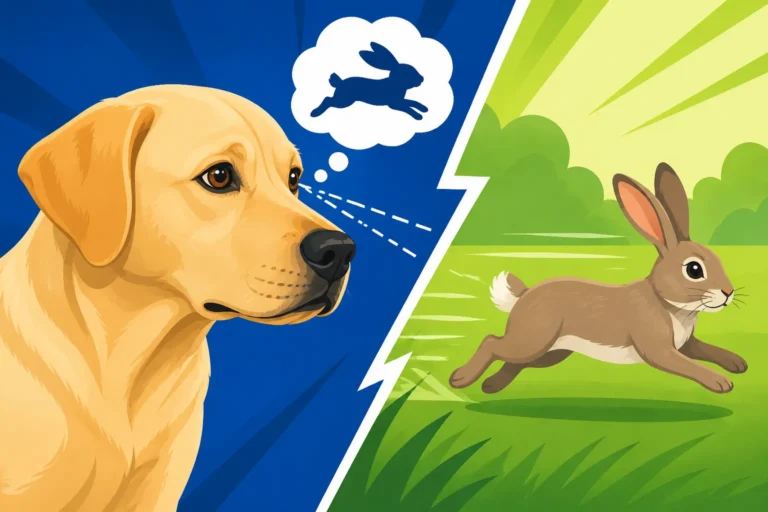
Perhaps one of the most remarkable and underappreciated physical traits of the Labrador is their extraordinary sense of smell. While all dogs have a superior olfactory system compared to humans, Labradors are particularly gifted in this regard. Their long muzzle, coupled with a large nasal cavity and an incredible number of scent receptors, allows them to detect and differentiate between minute traces of scent. This makes them absolute superstars in detection roles, whether they are sniffing out narcotics, explosives, accelerants in arson investigations, or even specific medical conditions like certain cancers or drops in blood sugar. Their ability to focus on a target odor while ignoring countless environmental distractions is a testament to both their physical capability and their mental fortitude. Their classic Labrador Head, Muzzle and Expression are not just for looks; they are integral to their working prowess.
Common Working Roles and Why Labradors Excel
It’s one thing to talk about general traits, but seeing how these characteristics translate into specific working roles really highlights the Labrador’s versatility and talent. They truly shine in a multitude of fields, making a profound difference in countless lives.
Guide and Assistance Dogs
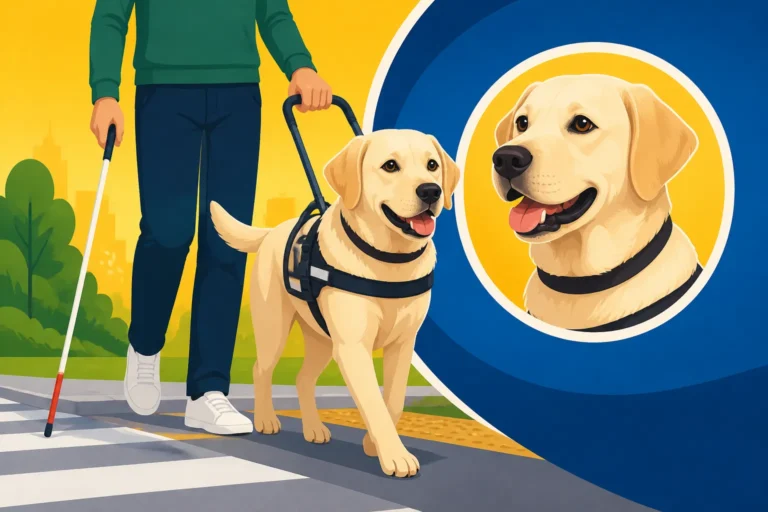
Labradors are, without a doubt, one of the most popular breeds chosen for guide and assistance work. Their steady temperament, high intelligence, and unwavering loyalty make them ideal partners for individuals with visual impairments, mobility challenges, or other disabilities. They are patient, predictable, and rarely reactive, crucial traits when guiding someone through busy streets or crowded public spaces. They learn complex routes, understand traffic signals, and can even help with tasks like opening doors or retrieving dropped items. Their natural desire to please combined with their calm demeanor means they can handle the immense responsibility of keeping their human safe while remaining affectionate companions. The friendly face of a Labrador also makes them more approachable in public settings, reducing potential anxiety for their handler. Exploring Labradors as Guide Dogs can offer deeper insight into this incredible work.
Search and Rescue (SAR)
For search and rescue operations, whether it's locating missing persons after a natural disaster, in the wilderness, or urban collapse, Labradors are frequently on the front lines. Their powerful sense of smell, combined with their incredible stamina and robust physical build, makes them exceptional at covering large, diverse areas. They possess the mental drive to work for hours, navigating challenging terrain, and the focus to stick to a scent trail despite distractions. Their agility allows them to climb over debris or through dense brush, and their friendly nature means that when they do find a person, they are often perceived as a comforting presence rather than a threat, which is crucial for someone who might be injured or disoriented. Their enthusiasm for the 'game' of finding people keeps them motivated through grueling deployments. For more, read Labradors in Search and Rescue Work.
Detection Work (Narcotics, Explosives, Arson, Medical)
This is where the Labrador's incredible nose truly comes into its own. Labradors are extensively used in law enforcement and security for sniffing out a wide array of substances. Their ability to focus intently on a specific odor, even amidst a cacophony of other smells, is unmatched. Their non-threatening appearance is also a major advantage in public spaces like airports or schools; they often blend in more easily than some other working breeds, causing less alarm. From detecting narcotics, explosives, or even accelerants at arson scenes, to emerging roles in medical detection (such as sniffing out specific types of cancer or alerting diabetics to low blood sugar levels), Labradors are at the forefront. Their tireless work ethic and positive reinforcement-driven training mean they approach these critical tasks with a joyful zeal, making them incredibly effective. Giving these working dogs a nutritious diet can be supported by finding specialized formulas at stores like Chewy.
Therapy and Emotional Support
The affectionate and empathetic nature of the Labrador makes them perfect candidates for therapy and emotional support roles. Their ability to connect with people, offer comfort, and reduce stress is truly remarkable. You'll find Labradors bringing smiles to nursing homes, calming children in courtrooms, comforting victims of trauma, or providing a soothing presence in hospitals and schools. Their gentle demeanor and patience, especially with vulnerable individuals, make them ideal for these sensitive positions. They seem to instinctively understand when someone needs quiet companionship versus playful interaction, adapting their behavior to the needs of the individual. Their mere presence can often lower blood pressure and anxiety, demonstrating the profound positive impact these dogs have on human well-being.
Gundogs and Field Work
Of course, we can't discuss Labrador working roles without circling back to their original purpose: gundog work. For centuries, Labradors have been the quintessential retrieving dogs for hunters. Their "soft mouth" means they can retrieve game birds without damaging them, and their love for water makes them invaluable for waterfowl hunting. They possess an innate ability to mark where birds fall, follow commands from a distance, and persevere through tough conditions like thick marshes, icy lakes, and dense undergrowth. Their stamina ensures they can work all day alongside a hunter, and their intelligence allows them to learn complex patterns and hand signals. This is their heritage, and many Labradors today still fulfill this traditional role with enthusiasm and skill. To understand the depth of their capabilities here, check out The Labrador's Fishing and Retrieving Heritage and Training a Labrador for Gundog Work.
Labrador Traits and Working Roles Overview
To help visualize how specific Labrador traits align with their diverse working capacities, here's a handy breakdown:
| Labrador Trait | Key Advantage for Working Roles | Example Working Role Where It Excels |
|---|---|---|
| High Intelligence | Quick learner, capable of complex tasks, problem-solving | Guide Dogs, Detection, Search & Rescue |
| Eagerness to Please | Motivated by praise, strong handler bond, consistent performance | All roles, especially Guide & Therapy Dogs |
| Calm Temperament | Unflappable under pressure, handles distractions, patient | Guide Dogs, Therapy Dogs, Detection |
| Affectionate Nature | Approachable, comforting, fosters trust, reduces anxiety | Therapy Dogs, Assistance Dogs |
| Strong Retrieving Drive | Natural inclination to fetch and carry, focus on target | Gundogs, Assistance Dogs, Detection (finds item) |
| Excellent Sense of Smell | Detects minute traces of scent, discriminates odors | Detection (Narcotics, Explosives, Medical), SAR |
| Stamina & Athleticism | Endures long shifts, covers varied terrain, robust physical capability | Search & Rescue, Gundogs |
| Water-Resistant Coat | Protection in wet/cold environments, allows water work without discomfort | Gundogs (Waterfowl), Search & Rescue |
| Webbed Feet | Superior swimming ability, agility in aquatic environments | Gundogs (Waterfowl), Search & Rescue |
| Soft Mouth | Retrieves delicate items without damage | Gundogs, Assistance Dogs |
It's truly inspiring to see how this wonderful breed, originating from the demanding world of Newfoundland fishermen, has evolved to touch so many lives across such a broad spectrum of critical working fields. Their unique combination of brains, brawn, and heart makes them not just pets, but invaluable partners to humans all over the world.
Disclaimer
This article is for general informational purposes only and does not constitute professional advice. Laws, prices and regulations vary by location and change over time. Consult a qualified professional for guidance on your specific situation.