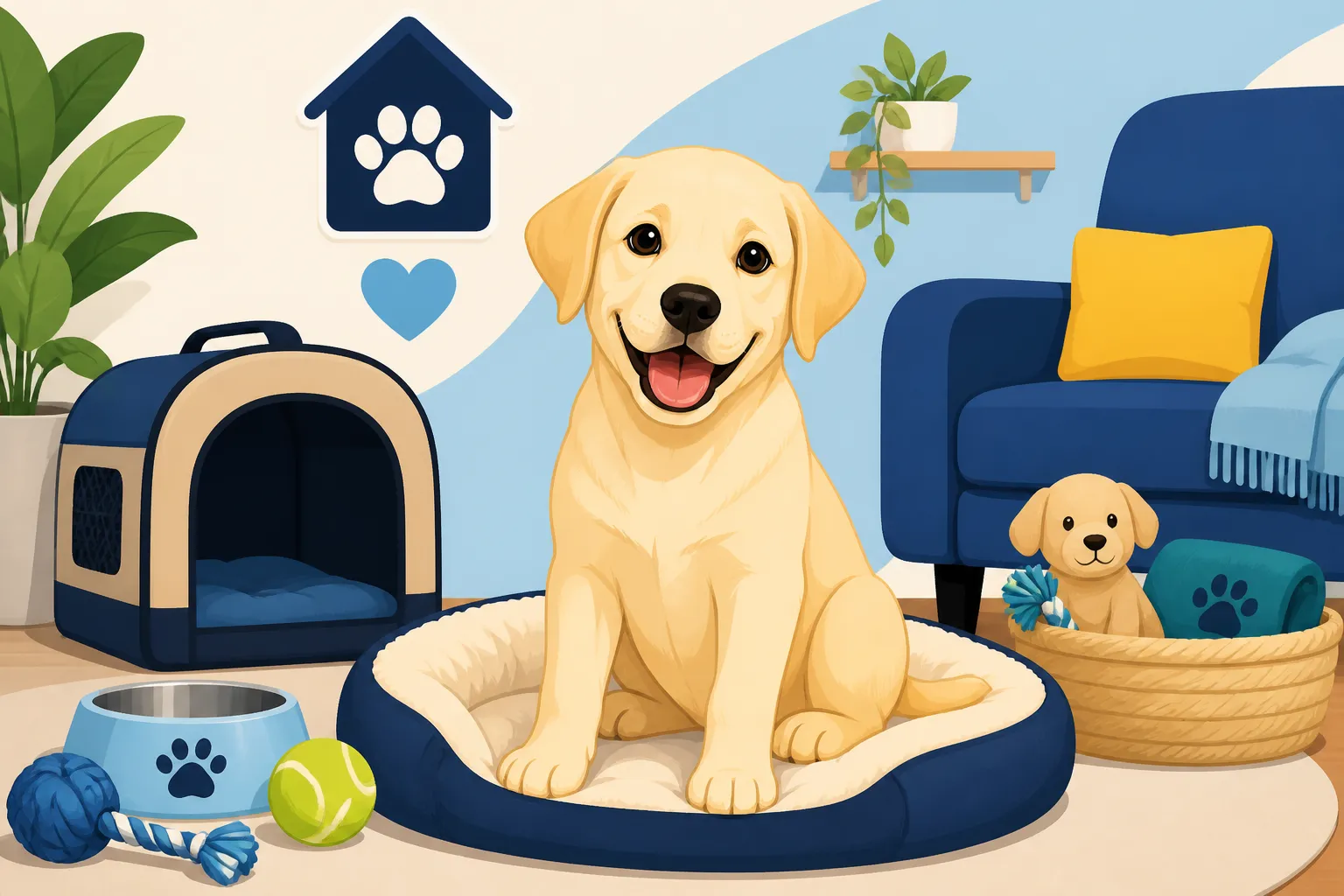
Setting Up a Home for a New Labrador
Bringing a new Labrador home is such an exciting time, filled with anticipation and joy! But let's be real, it can also feel incredibly overwhelming when you realize just how much preparation goes into making your home a safe, comfortable, and stimulating environment for your new furry family member. You want to get it right, but where do you even begin with all the gear, the puppy-proofing, and the routines? This guide will walk you through setting up your home, step by step, ensuring you’re well-equipped for a smooth and happy transition with your new Labrador.
Creating a Safe Haven: The Labrador's Space
One of the first things you need to consider when a Labrador comes into your life is where they will eat, sleep, and just be. These dogs thrive on routine and having a clear understanding of their place within the family, and that starts with their own dedicated spaces. It’s not about isolating them, but about providing security and structure.
Choosing the Right Crate and Bed
Getting the right crate is paramount, especially for a puppy. It's not a punishment; it's a den, a safe retreat where your Labrador can feel secure. For a Labrador, you'll need a large-sized crate, typically one that's at least 42 inches long, allowing them to stand, turn around, and lie down comfortably as an adult. Many crates come with dividers, which are incredibly helpful. This allows you to start with a smaller, puppy-appropriate space to aid in house training (dogs are less likely to soil their sleeping area) and then expand it as your puppy grows. Don't go straight for the full adult size with a tiny puppy, or you'll be cleaning up accidents regularly.
Alongside the crate, a comfortable bed is essential. Labradors love to sprawl, but they also appreciate a soft, supportive surface, especially as they get older and joint issues like Labrador Hip and Elbow Dysplasia can become a concern. Look for a durable, washable bed. Some Labradors, particularly puppies or anxious dogs, might chew through softer beds, so consider a chew-resistant option if you suspect this might be an issue. Place the bed in a quiet, low-traffic area where your Labrador can rest undisturbed, whether it's inside their crate or in a corner of the living room. Remember, the crate should be a positive place, so make it inviting with a cozy bed and perhaps a favorite chew toy.
Puppy-Proofing Your Home for a Curious Lab
Labradors, especially as puppies and adolescents, are notoriously curious and mouthy. They explore the world with their mouths, and that means anything within reach is fair game for a taste test. This isn't just about protecting your belongings; it's about protecting your dog from potential hazards. Start by getting down on your hands and knees and looking at your home from a Labrador's perspective. What could they chew? What could they swallow?
Electrical cords are a huge danger, so secure them out of reach or cover them with cord protectors. Move houseplants, cleaning supplies, medications, and any small, swallowable items (like children's toys, remote controls, or socks) to high shelves or inside cabinets with childproof latches. Think about what's on your coffee table or nightstands—anything precious should be temporarily rehomed. Even seemingly innocuous items like blankets or towels can be ingested, leading to costly and dangerous foreign body obstructions. What a Teething Labrador Destroys will give you a good idea of their chewing power! Remember, a bored Labrador is a destructive Labrador, so proactive puppy-proofing combined with plenty of appropriate chew toys is your best defense.
Setting Up a Designated "Labrador Zone"
Beyond the crate, it's helpful to establish a "Labrador zone" in your home, especially during those early puppy months. This might be a specific room (like the kitchen with its easily cleanable floor), or an area of a larger room cordoned off with sturdy baby gates. This provides a contained, safe space for your puppy when you can't actively supervise them 100% of the time. It prevents them from having free rein of the house and getting into trouble, which can lead to bad habits.
Within this zone, ensure they have access to their water bowl, appropriate toys, and a comfy spot to rest. It also helps manage their expectations – they learn that certain areas are "theirs" and other areas are for humans only, at least initially. As they mature and prove themselves trustworthy, you can gradually expand their access to other parts of the house. This controlled introduction helps prevent resource guarding, excessive barking, or destructive behaviors born from anxiety or overstimulation.
Essential Supplies: Food, Water, and Training Tools
Once you've got the living spaces sorted, it's time to stock up on the daily necessities. Labradors are known for their enthusiastic appetites and their boundless energy, so getting the right food and equipment for exercise and training is non-negotiable.
Nutrition Essentials: Food and Bowls
Choosing the right food is one of the most important decisions you'll make for your Labrador's long-term health. Given their propensity for certain joint issues and their rapid growth as puppies, a high-quality large-breed puppy food is crucial for the first year or so, followed by a suitable adult formula. Look for foods with balanced nutrition, appropriate protein levels, and often, glucosamine and chondroitin for joint support in older formulas. Brands like Ollie offer fresh, human-grade food delivery, which many owners find beneficial for picky eaters or those looking for a different approach to nutrition. However, a good quality kibble, readily available from retailers like Chewy, can also be an excellent choice.
You'll also need sturdy food and water bowls. Stainless steel is often recommended because it's easy to clean, durable, and doesn't harbor bacteria like some plastics can. Since Labradors are famous for gulping their food, investing in a slow feeder bowl is a game-changer. These bowls have raised obstacles that force your dog to eat more slowly, which can reduce the risk of bloat, a life-threatening condition Labradors are prone to due to their deep chests. Provide fresh water at all times in a heavy, tip-resistant bowl. Check out our guide on Labrador Puppy Feeding Amounts and Schedule for more specific advice on what and how much to feed.
Leashes, Collars, and Harnesses for Walks
Every Labrador needs a good set of walking gear. A comfortable, well-fitting collar is a must, even if it's just for holding their ID tags. For walking, many Labrador owners find a front-clip harness or a head halter to be more effective than a traditional collar in managing their strength and preventing pulling. Labradors are powerful dogs, and they can pull you right off your feet if they're not properly trained or equipped. A regular leash, ideally 4-6 feet long, is perfect for everyday walks and training.
Avoid retractable leashes, especially with a large, strong dog like a Labrador. They offer little control and can be dangerous, leading to injuries for both you and your dog. If you're struggling with leash manners, a good quality front-clip harness (many reputable brands are available on Amazon) can make a huge difference while you work on Loose Leash Walking With a Labrador. It redirects their pulling energy back towards you, making it much harder for them to forge ahead. Always make sure whatever gear you choose fits well – you should be able to comfortably fit two fingers under the collar or harness straps.
Stocking Up on Engaging Toys and Chews
Labradors need toys. A lot of toys. And not just any toys – durable, stimulating toys that can stand up to their powerful jaws and intelligent minds. These dogs were bred to retrieve and carry, so they love toys they can fetch, tug, and chew. Look for toys made from tough rubber, like Kongs, Nylabones, or other indestructible-rated brands. Puzzle toys are fantastic for mental stimulation, especially when stuffed with treats or their kibble, keeping their minds busy and preventing boredom-induced mischief.
Rotate their toys to keep them interested, and always supervise new toys to ensure they're safe and don't pose a choking hazard. For teething puppies, having a variety of appropriate chew toys is crucial to redirect them from your furniture and shoes. Frozen Kongs filled with peanut butter (xylitol-free!), yogurt, or wet food are excellent for soothing sore gums. These interactive toys are not just for fun; they're vital for a Labrador's mental well-being and for helping manage their legendary food drive. Refer to Chew Toys That Survive a Labrador for some robust recommendations.
Health and Hygiene: Vet Prep and Grooming Gear
Taking care of your Labrador's health and hygiene is a continuous commitment, but setting up the right routines and having the necessary tools from day one will make it much easier. Regular vet visits, a good grooming routine, and preparedness for minor emergencies are all part of responsible Labrador ownership.
Preparing for Your Labrador's First Vet Visits
One of the first things you'll do when you bring your new Labrador home is schedule a vet visit. This initial check-up is crucial for establishing a baseline of health, discussing vaccination schedules, parasite prevention, and getting any necessary microchipping done. Having a reputable veterinarian picked out before your puppy arrives will save you a lot of stress. Make sure to gather all the health records from the breeder or rescue organization, including vaccination history, deworming dates, and any health clearances of the parents, if applicable.
Beyond the initial visit, understand that Labradors require regular preventive care, including annual check-ups, booster shots, and consistent flea, tick, and heartworm prevention. Discuss a healthy diet and appropriate exercise levels with your vet, especially considering potential joint issues specific to the breed. It’s also wise to research pet insurance options early on, as it can be a lifesaver for unexpected emergency vet bills down the line. Setting up a strong relationship with your vet from the start will provide peace of mind and ensure your Labrador receives the best possible care throughout their life. Our guide on The First Vet Visit for a Labrador Puppy can help you prepare.
Grooming Tools for That Double Coat
Labradors might have short coats, but don't let that fool you – they are serious shedders, especially during their seasonal "coat blows." To manage the hair and keep their skin healthy, you'll need a few key grooming tools. A good quality deshedding tool, like a FURminator or a similar rake, is essential for removing loose undercoat. A rubber curry brush is also great for daily grooming, distributing natural oils and massaging the skin.
While Labradors don't require fancy haircuts, regular brushing helps reduce shedding, keeps their coat shiny, and gives you an opportunity to check for any skin issues, lumps, or parasites. You'll also need a gentle dog shampoo for occasional baths – remember not to over-bathe, as it can strip their coat of its natural oils. Nail clippers or a Dremel tool are necessary for keeping their nails trimmed, preventing discomfort and potential paw problems. And don't forget ear cleaner! Labradors have floppy ears that can be prone to infections, especially if they love to swim. Regular cleaning with a vet-approved solution is key. For more tips on managing that impressive double coat, read Deshedding Tools for a Labrador.
A Basic Labrador First Aid Kit
Accidents happen, and sometimes, quick action can make a big difference. Having a well-stocked first aid kit specifically for your Labrador can save you a frantic trip to the store and help you manage minor injuries or discomfort until you can get to the vet. Your kit should include items like sterile gauze pads, antiseptic wipes, vet wrap, adhesive tape, blunt-tipped scissors, tweezers (for splinters or tick removal), a digital thermometer (rectal thermometers are most accurate for dogs), and an emergency muzzle (even the gentlest dog can bite when in pain).
It’s also wise to have a pet-safe antiseptic spray or cream, saline solution for flushing wounds or eyes, and activated charcoal (only administer under vet guidance for suspected poisoning). Keep your vet's emergency number, as well as the number for a local 24-hour animal hospital, clearly visible in your kit. While a first aid kit isn't a substitute for professional veterinary care, it can provide crucial support for things like small cuts, scrapes, or insect stings. Check out A First Aid Kit for a Labrador Retriever for a comprehensive list.
Outdoor Space and Safety: Yard and Travel
Labradors are active dogs who love the outdoors. Ensuring their safety and enjoyment in your yard and during travel is another critical aspect of setting up your home for them.
Securing Your Yard for an Adventurous Lab
If you have a yard, it will likely become a favorite spot for your Labrador to play, explore, and do their business. However, a yard is only safe if it's properly secured. Labradors are intelligent and can be surprisingly agile. Check your fences thoroughly for any gaps, loose boards, or weak spots where they could squeeze through or dig under. For a Labrador, a fence height of at least 5-6 feet is generally recommended to prevent jumping, especially if you have a field-line Labrador with more athleticism. See Fence Height That Holds a Labrador for more specifics.
Remove any toxic plants from your yard, and ensure any fertilizers, pesticides, or gardening chemicals are stored securely out of reach. If you have a pool, always supervise your Labrador around it, even if they're strong swimmers. Consider adding a gate or cover for safety. While Labradors love to dig, it's best to discourage digging under fences by burying chicken wire or large rocks along the base. Provide plenty of shade and fresh water, especially on warm days, and always supervise your Labrador, particularly when they are young, to prevent escapes or unwanted behaviors.
Car Travel and Safety Measures
Many Labradors love car rides, but safety is paramount. Never allow your Labrador to ride unrestrained in the car, especially in the front seat. In the event of a sudden stop or accident, an unrestrained dog can become a dangerous projectile, risking injury to themselves and human passengers. Invest in a crash-tested car harness that clips into a seatbelt, or a sturdy travel crate that can be secured in the back of your vehicle.
For longer trips, plan for regular potty breaks and offer water. Don't feed a large meal right before a car ride, as this can lead to car sickness. If your Labrador experiences anxiety in the car, try to make short, positive trips initially, associating the car with good things like a walk in the park. Never leave your Labrador alone in a hot car, even for a few minutes, as temperatures inside can rise rapidly and lead to heatstroke. These safety measures protect your beloved companion and ensure peaceful travels.
Navigating Walks and Outdoor Adventures
Labradors thrive on physical activity, and daily walks and outdoor adventures are essential for their physical and mental well-being. Beyond just a potty break, walks are an opportunity for mental enrichment through sniffing, exploring new sights and sounds, and socializing (if appropriate). Always have your Labrador on a leash in unfenced public areas, not just for their safety but for the safety of others and local wildlife.
Be mindful of local leash laws and ensure your Labrador is always wearing an ID tag with your current contact information, even if they are microchipped. Carry waste bags and always pick up after your dog. When hiking or exploring natural areas, be aware of potential hazards like ticks, poisonous plants, or other wildlife. Knowing where you can safely let your Labrador swim or run off-leash (in designated, securely fenced areas) can greatly enhance their quality of life. Remember, a tired Labrador is a well-behaved Labrador!
Mental Stimulation and Enrichment: Beyond the Basics
Physical exercise is crucial for Labradors, but their intelligent, eager-to-please nature also means they need plenty of mental stimulation. A bored Labrador is often a destructive or mischievous Labrador. Incorporating various forms of enrichment into their daily routine will help keep them happy, well-behaved, and engaged.
Puzzle Toys and Interactive Feeders
Given their strong food drive and intelligence, puzzle toys and interactive feeders are a fantastic way to provide mental stimulation for Labradors. Instead of simply dumping their kibble into a bowl, try putting their meals into a slow feeder, a Kong Wobbler, or another food-dispensing toy. This forces them to "work" for their food, slowing down their eating and engaging their brains. It mimics the natural foraging behavior that dogs would exhibit in the wild.
Beyond meal times, treat-dispensing puzzles can keep your Labrador entertained for extended periods. There are many options available, from simple treat balls to more complex sniff mats and sliding puzzles. These activities help prevent boredom, reduce anxiety, and can even help manage weight by making mealtime last longer. Retailers like Chewy and Amazon have an extensive selection of these types of toys. Using Puzzle Feeders That Slow a Greedy Labrador is a great way to channel their natural enthusiasm for food into a positive, enriching activity.
Training Aids and Early Learning
Labradors are highly trainable and love to learn, which is fortunate because they need consistent training! Having basic training aids on hand will set you up for success. A clicker is an invaluable tool for positive reinforcement training, marking the exact moment your Labrador performs a desired behavior. High-value treats, cut into tiny pieces, are essential motivators for these food-driven dogs. A treat pouch worn on your belt makes it easy to reward quickly and consistently.
Start with basic obedience commands like "sit," "stay," "come," and "down" from an early age. Short, frequent training sessions (5-10 minutes several times a day) are more effective than long, drawn-out ones, especially for puppies. Beyond basic obedience, consider enrolling in a puppy class for socialization and structured learning. As they grow, you can explore more advanced training, such as scent work, retrieve training, or even agility, all of which tap into their natural abilities and provide immense mental satisfaction. When to Start Training a Labrador Puppy is always the best time: right away!
Planning for Socialization and Enrichment
Socialization is more than just letting your Labrador play with other dogs; it's about exposing them to a wide variety of sights, sounds, people, and experiences in a positive and controlled way. This is particularly important during their critical socialization window as puppies. Plan opportunities for your Labrador to meet different people (children, adults, people in hats or uniforms), hear different noises (traffic, vacuums, thunderstorms), and visit various environments (parks, stores where dogs are allowed, car rides).
A well-socialized Labrador is a confident, calm, and well-adjusted dog, less likely to develop fears or aggression. Dog parks can be great, but choose them carefully and ensure your Labrador has good manners first. Beyond formal socialization, daily enrichment can include anything from a game of fetch in the yard, a new walking route, a car ride to a different park, or even just teaching them a new trick. These experiences keep their minds sharp and their spirits high. To learn more about this crucial stage, check out Socializing a Labrador Puppy.
Here's a handy checklist of essential items to help you prepare your home for your new Labrador:
| Category | Essential Items | Notes |
|---|---|---|
| Living & Comfort | Large Crate (with divider) | At least 42 inches for adult Lab, use divider for puppies. |
| Durable, Washable Dog Bed | Chew-resistant if your Lab is a chewer. | |
| Baby Gates / Playpen | To create a safe "Labrador Zone." | |
| Enzymatic Cleaner | For accident clean-up, neutralizes odors. | |
| Feeding & Hydration | High-Quality Large Breed Puppy/Adult Food | Appropriate for age and activity level. |
| Stainless Steel Food & Water Bowls | Easy to clean, durable. | |
| Slow Feeder Bowl | Essential to prevent gulping and reduce bloat risk. | |
| Healthy Training Treats | Small, high-value, easy to chew. | |
| Walking & Training | Sturdy Collar with ID Tags | Always have current contact info. |
| 4-6 ft Leash (Nylon or Leather) | Avoid retractable leashes for Labradors. | |
| Front-Clip Harness or Head Halter | Great for managing pulling during walks. | |
| Clicker | For positive reinforcement training. | |
| Treat Pouch | Keeps treats accessible for quick rewards. | |
| Grooming & Health | Deshedding Tool (e.g., FURminator, rake) | Essential for managing heavy shedding. |
| Rubber Curry Brush | For daily grooming and stimulating coat oils. | |
| Dog Shampoo | Gentle, pH-balanced for dogs. | |
| Nail Clippers or Dremel | For regular nail trims. | |
| Ear Cleaner & Cotton Balls | For routine ear cleaning, especially after swimming. | |
| Dog Toothbrush & Toothpaste | Start dental hygiene early. | |
| First Aid Kit (for dogs) | Includes gauze, vet wrap, antiseptic, tweezers, etc. | |
| Entertainment & Safety | Durable Chew Toys | Kongs, Nylabones, tough rubber toys. |
| Puzzle Toys / Food-Dispensing Toys | For mental stimulation during meal times or boredom. | |
| Car Harness or Travel Crate | For safe car travel. | |
| Poop Bags & Dispenser | For responsible waste disposal. |
Disclaimer
This article is for general informational purposes only and does not constitute professional advice. Laws, prices and regulations vary by location and change over time. Consult a qualified professional for guidance on your specific situation.