Shampoo for a Labrador With Itchy Skin
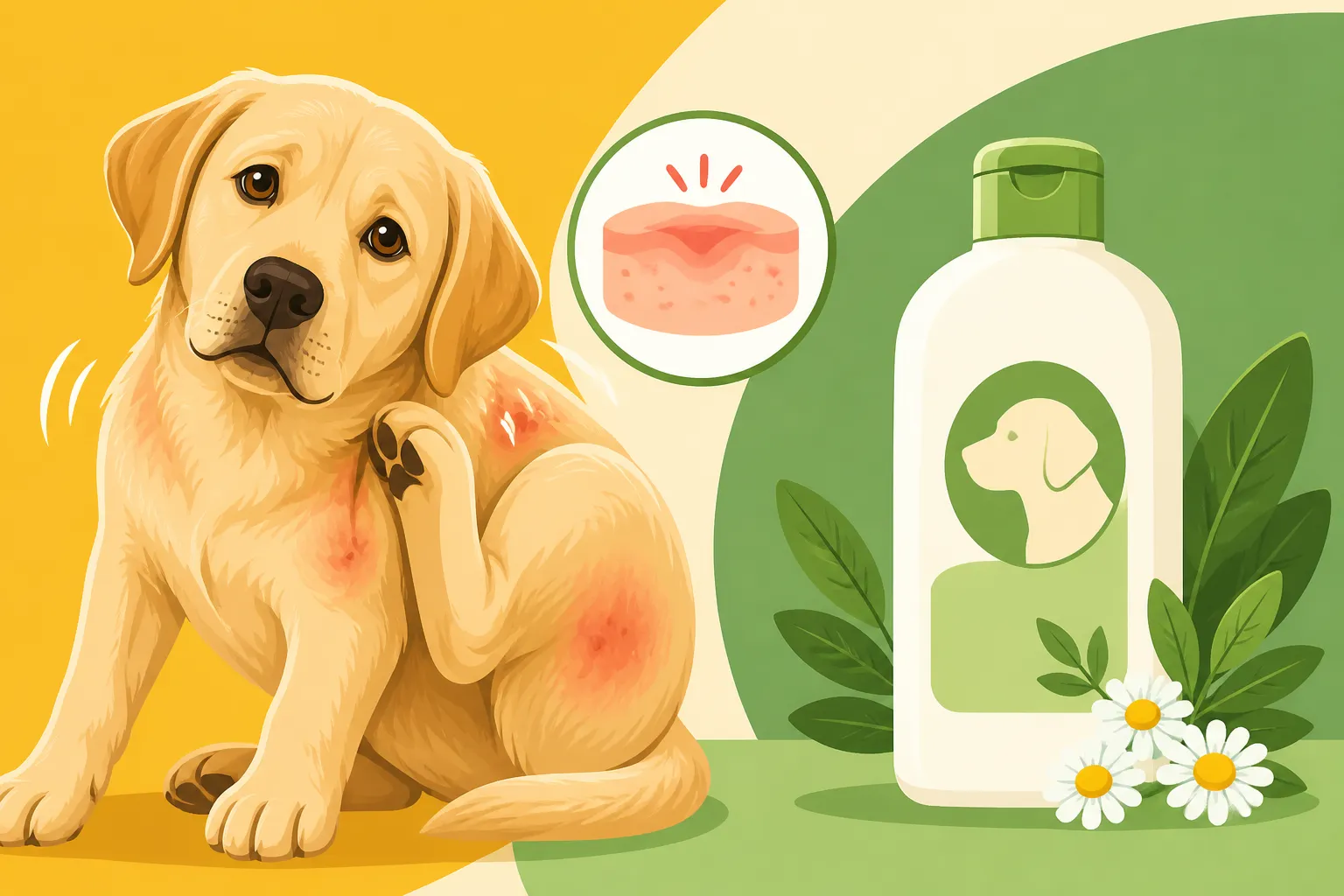
Finding the right shampoo for a Labrador with itchy skin can feel like a never-ending quest, leaving both you and your beloved companion frustrated. That constant scratching, licking, and rubbing isn't just annoying; it signals discomfort that needs attention. This guide dives deep into why your Labrador might be itching and how to choose and use the best shampoos to bring them much-needed relief and a healthier, happier coat.
Why Your Labrador's Skin Might Be Itchy
It's utterly heartbreaking to watch your happy-go-lucky Labrador constantly scratching, chewing at their paws, or rubbing against furniture. You just want them to be comfortable, and it can be so hard to pinpoint exactly what's causing their misery. Often, what looks like a simple itch can be a symptom of a more complex underlying issue, and addressing the root cause is always the first step. But in the meantime, a good shampoo can provide some much-needed symptomatic relief.
Common Culprits: Allergies and Parasites
One of the most frequent reasons for a Labrador's itchy skin is allergies. Just like us, dogs can suffer from environmental allergies (atopy) triggered by pollen, dust mites, or mold. You might notice your dog's itching worsens seasonally, or they might develop itchy paws, ears, and armpits. Food allergies or sensitivities are another major player, often manifesting as itchy skin, chronic ear infections, or gastrointestinal upset. It's a tricky one to diagnose, and often requires a careful elimination diet. Parasites, while less common with good preventative care, can also cause intense itching. Fleas are the classic culprit, but mites (like sarcoptic mange or demodex) can also lead to severe irritation and hair loss. If you suspect parasites, a vet visit is crucial for diagnosis and proper treatment. Hot Spots and Allergies in Labradors is a great resource if you're trying to figure out if allergies are at play.
The Role of Dry Skin and Environmental Factors
Sometimes, the cause is simpler: dry skin. Labradors, with their dense double coats, can still suffer from dry, flaky skin, especially in arid climates or during certain times of the year when indoor heating is on. Over-bathing with harsh shampoos or not rinsing properly can strip their natural oils, exacerbating dryness and leading to an itch-scratch cycle. Environmental irritants, beyond typical allergens, can also play a role. Think about chemicals in household cleaners, certain lawn treatments, or even contact with irritating plants during walks. These can cause localized skin reactions that lead to discomfort. Our dogs spend a lot of time close to the ground, so what's on your floors or in your yard really matters.
Secondary Infections: Yeast and Bacteria
When a Labrador scratches relentlessly, they often break the skin barrier, creating tiny wounds. These small abrasions are an open invitation for opportunistic yeast and bacteria to move in, leading to secondary infections. These infections then cause more itching, redness, and inflammation, often accompanied by a distinct odor or greasy texture to the skin and coat. It's a vicious cycle that can quickly get out of hand, turning a mild itch into a widespread skin problem. You might notice areas of thickened, darkened skin, or small red bumps. Sometimes, these infections are actually the primary cause of the itch, rather than a secondary issue. This is particularly true for yeast infections, which love warm, moist areas like ear canals (leading to Labrador Ear and Skin Disease) and paw pads, and can cause intense itching throughout the body.
Essential Ingredients in Effective Itch-Relief Shampoos
Once you've tried to address the underlying cause with your vet, finding the right shampoo is a vital part of managing your Labrador's comfort. Not all dog shampoos are created equal, especially when you're dealing with sensitive, itchy skin. You're looking for specific ingredients that soothe, heal, and protect, without adding to the problem.
Soothing and Anti-Inflammatory Agents
When your Labrador's skin is red and irritated, you need ingredients that can calm that inflammation down. Oatmeal is practically a superhero in the world of dog shampoos for itchy skin. Colloidal oatmeal (finely ground oats suspended in liquid) works by creating a protective barrier on the skin, reducing irritation and locking in moisture. It also has natural anti-inflammatory properties that can bring immediate relief to angry skin. Aloe vera is another fantastic natural soother, known for its healing and moisturizing capabilities. It's gentle and can help reduce redness and discomfort. Some shampoos might also include ingredients like allantoin or chamomile extract, which offer additional calming benefits. When you're dealing with raw, inflamed skin, these ingredients can make a world of difference, offering a sense of peace to your dog that they haven't felt in a while.
Antifungal and Antibacterial Powerhouses
If your vet suspects a secondary bacterial or yeast infection is contributing to your Labrador's itching, then you'll need a medicated shampoo. Ingredients like chlorhexidine and ketoconazole are common and highly effective. Chlorhexidine is a broad-spectrum antiseptic that targets both bacteria and yeast, helping to cleanse the skin and reduce microbial overgrowth. Ketoconazole is primarily an antifungal agent, excellent for tackling yeast infections, which often present with a distinct "yeasty" smell and greasy skin. These aren't just for cleaning; they're therapeutic treatments designed to actively fight off the organisms causing discomfort. It’s important to follow your veterinarian's instructions for medicated shampoos, as they often require specific contact times on the skin to be most effective. You can often find these specialized formulas at your vet's office or through reputable online pet pharmacies and retailers like Chewy.
Moisturizers and Skin Barrier Support
Itchy skin, whether from allergies or dryness, often means a compromised skin barrier. This barrier is like your dog's first line of defense against irritants and allergens, and when it's not functioning properly, it allows more triggers to penetrate the skin. Moisturizing ingredients are therefore crucial. Glycerin, ceramides, and essential fatty acids (like omega-3s and omega-6s) are excellent for this. Glycerin is a humectant, meaning it draws moisture to the skin. Ceramides are lipids that help restore the skin's natural barrier function, making it more resilient. While omega fatty acids are often given orally (many owners give Fish Oil for a Labrador's Coat and Joints), topical applications can also support skin health. After a good cleanse, these ingredients help rehydrate the skin, reduce flakiness, and strengthen that vital protective layer, leading to long-term relief and preventing future irritation.
What pH Balance Means for Your Dog's Skin
This might sound like a science lesson, but understanding pH balance is super important for your Labrador's skin health. Human skin has a lower, more acidic pH (around 5.5), which is why our shampoos aren't suitable for dogs. Dog skin is generally more alkaline, with a pH ranging from 6.2 to 7.4. Using a shampoo that isn't pH-balanced for dogs can disrupt their skin's natural protective mantle, leading to dryness, irritation, and an increased susceptibility to bacterial or yeast infections. A pH-balanced shampoo ensures that you're cleaning your dog's skin without stripping its natural defenses or causing further irritation. Always look for shampoos specifically formulated for dogs, and ideally, ones that mention "pH-balanced" on the label, especially if your Labrador already has sensitive skin.
How to Choose and Use Shampoo Safely for Maximum Relief
Choosing the right shampoo is only half the battle; knowing how to use it effectively and safely is just as important. You want to maximize the benefits of the product while minimizing any potential for further irritation to your already suffering Labrador.
Reading Labels and Avoiding Harmful Additives
Navigating the sea of dog shampoos can be overwhelming. The key is to become a diligent label-reader. Avoid shampoos that contain harsh chemicals, artificial fragrances, or dyes. Sulfates (like Sodium Lauryl Sulfate or Sodium Laureth Sulfate) are common detergents that create a rich lather but can also be very drying and irritating to sensitive skin. Parabens are preservatives that some studies suggest can disrupt hormones, so many owners prefer to avoid them. Artificial fragrances, while making your dog smell "clean," are a common irritant and allergen for sensitive Labradors. Opt for shampoos that use natural, mild cleansing agents and derive their scent (if any) from essential oils that are safe for dogs, or better yet, are fragrance-free. Always remember, less is often more when it comes to ingredients for sensitive skin. You can find a vast array of options on platforms like Amazon, but always scrutinize those ingredient lists.
The Right Bathing Technique for an Itchy Dog
Bathing an itchy Labrador requires a gentle touch and a methodical approach. First, give your dog a thorough brushing before the bath. This helps remove loose hair and any debris that might be clinging to their coat, allowing the shampoo to reach the skin more effectively. Make sure the water is lukewarm, never hot, as hot water can further dry out their skin. Wet your Labrador thoroughly, making sure their dense double coat is saturated all the way to the skin. Apply the shampoo, working it into a good lather. For medicated shampoos, pay close attention to the instructions regarding contact time – you might need to leave it on for 5-10 minutes. Use this time to gently massage the shampoo into all affected areas, avoiding their eyes.
The most critical step, especially for itchy dogs, is rinsing. Rinse, rinse, and rinse again! Any residue left behind can be a major irritant, leading to more itching. Squeeze out excess water, then follow up with a dog-specific conditioner, especially one designed for sensitive or dry skin. This helps to rehydrate the skin and lock in moisture. For more tips on general bathing, you might find Bathing a Labrador Retriever helpful.
| Ingredient Category | Key Ingredients | Primary Benefit for Itchy Skin | What It Does |
|---|---|---|---|
| Soothing/Anti-Inflammatory | Colloidal Oatmeal, Aloe Vera, Chamomile | Calms redness, reduces irritation | Forms a protective barrier, moisturizes, decreases inflammation |
| Antifungal/Antibacterial | Chlorhexidine, Ketoconazole | Treats infections, reduces microbial load | Kills bacteria and yeast on the skin, prevents secondary infections |
| Moisturizing/Barrier Support | Glycerin, Ceramides, Omega Fatty Acids | Hydrates skin, strengthens barrier | Draws moisture to skin, restores natural protective layer, reduces dryness/flaking |
| Gentle Cleansers | Coconut-derived surfactants | Cleanses without stripping oils | Mildly cleanses without causing irritation or disrupting pH balance |
Post-Bath Care and Frequency
After rinsing, gently towel-dry your Labrador. Avoid vigorous rubbing, which can irritate sensitive skin. If your dog tolerates a low-heat, low-speed pet dryer, that can help ensure their dense undercoat is completely dry, which is important for preventing moisture-related skin issues like hot spots. Treating a Hot Spot on a Labrador often involves keeping the area dry. Always ensure your Labrador is completely dry before they go outside or lay down, especially if they love to swim, as dampness can create a breeding ground for yeast and bacteria. Drying a Labrador's Ears After the Lake has great tips on proper drying techniques that apply after baths too.
Regarding frequency, less is often more for dogs with itchy skin unless your vet has prescribed a medicated shampoo for regular use. Over-bathing, even with gentle shampoos, can disrupt the skin's natural balance. For general maintenance and itch relief, bathing every 2-4 weeks is often sufficient, but always follow your vet's advice for specific conditions. Between baths, you can use topical soothing sprays or wipes containing colloidal oatmeal or aloe vera for spot treatment of itchy areas, helping to break the itch-scratch cycle. Remember that sometimes the issue isn't just external; if your dog has Signs a Labrador Has a Food Allergy, addressing their diet with options perhaps like Ollie can make a significant difference in their overall skin health.
Disclaimer
This article is for general informational purposes only and does not constitute professional advice. Laws, prices and regulations vary by location and change over time. Consult a qualified professional for guidance on your specific situation.