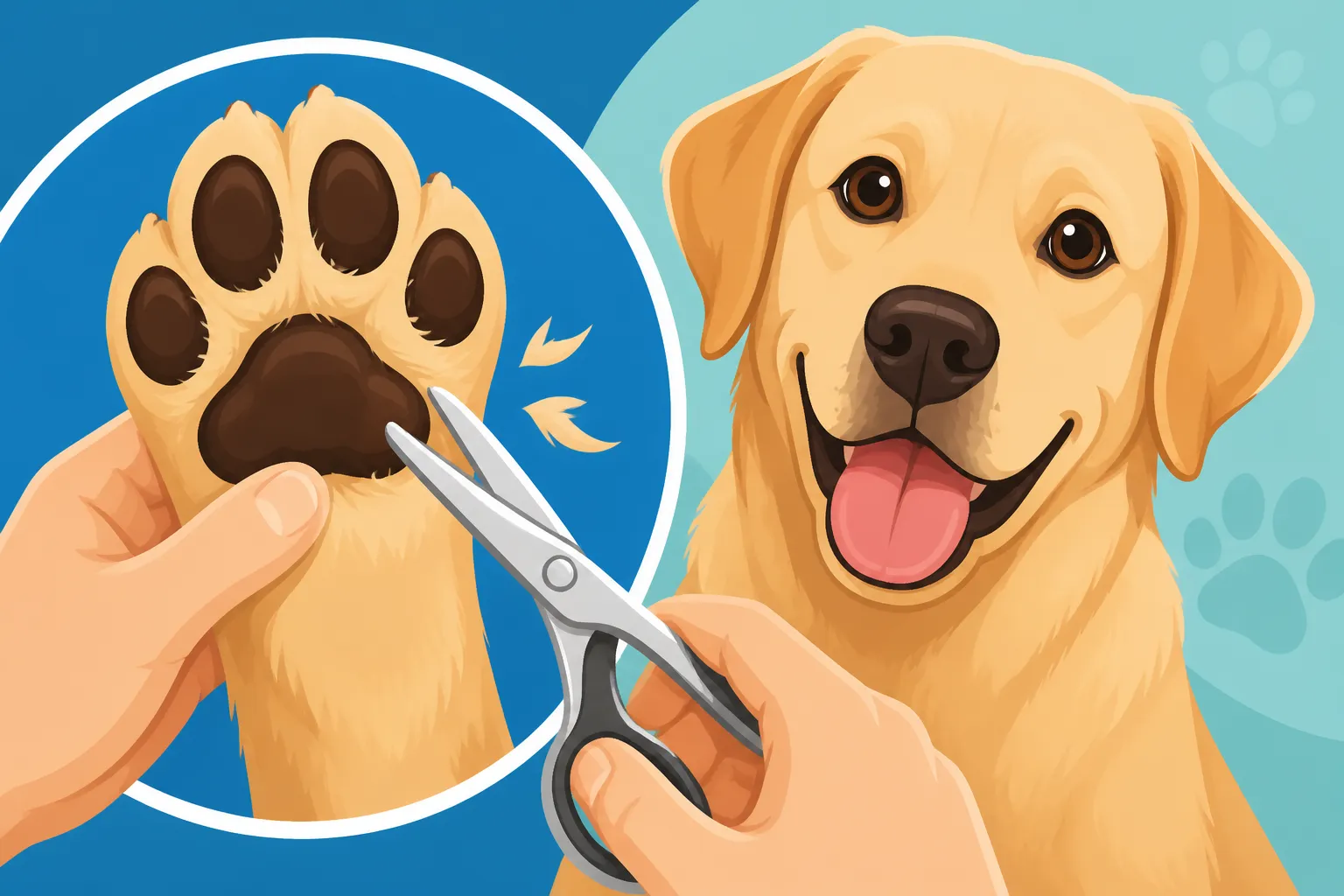
Trimming a Labrador’s Paw Hair
Oh, the beloved Labrador paw! Those big, broad, webbed feet are incredible for swimming and navigating all sorts of terrain, but the hair that grows between those pads can become a real nuisance. If you've ever found your furry friend skidding across your hardwood floors like they're on an ice rink, or noticed them limping after a walk because a burr got wedged deep in their foot fur, then you know the struggle. This guide is all about helping you tackle that unruly paw hair, making your Labrador more comfortable, safer, and perhaps even keeping your floors a little cleaner.
Why Trimming Your Labrador's Paw Hair is So Important
It might seem like a small detail, just a bit of hair, right? But for our active Labradors, keeping those paw pads tidy is a surprisingly big deal for their health and comfort. Untrimmed hair can cause a whole host of problems that we, as their devoted owners, often don't even realize are happening until they become quite pronounced. Trust me, a little maintenance here goes a long way in preventing bigger headaches down the road.
Preventing Slips and Falls Indoors
Think about your own feet. If you tried to walk around with thick tufts of hair growing between your toes, especially on a slick surface, you'd probably feel pretty unstable, wouldn't you? It's the same for our Labradors. Their paw pads are designed for traction, providing grip on various surfaces, but when excessive hair grows past the pads, it acts like a buffer, reducing their direct contact with the ground. This loss of grip can be particularly problematic on hard, smooth surfaces common in our homes, like tile, laminate, or hardwood floors.
An energetic Labrador, full of life and eager to greet you at the door or chase a toy, can easily lose their footing when their paws can't get proper purchase. We've all seen that momentary splay-legged scramble as they try to regain balance. Over time, these repeated slips can lead to muscle strains, joint pain, and even more serious injuries. For older Labradors, whose joints might already be feeling the effects of age or conditions like arthritis, this added instability can be genuinely debilitating. It makes simple acts like standing up from a nap or navigating stairs a precarious challenge, eroding their confidence and making them hesitant to move freely. A little trim can dramatically improve their stability, making them feel much more secure and comfortable in their own home. It’s a simple change that can have profound effects on their mobility and quality of life, especially as they age. If you want to dive deeper into making your home safer, check out our article on Slippery Floors and a Labrador's Paws.
Avoiding Debris and Matting
One of the most immediate and frustrating issues with long paw hair is its uncanny ability to collect every bit of debris imaginable. Your Labrador, with their boundless enthusiasm for exploring the world nose-first, acts like a four-legged vacuum cleaner. After a walk in the park, through tall grass, or a romp in the woods, you might find their paws adorned with an assortment of nature's treasures: sticky burrs, tiny pebbles, dried leaves, twigs, and even those pesky foxtails that seem to burrow into everything. These aren't just cosmetic annoyances; they can be incredibly painful. Imagine a sharp little seed or a piece of gravel constantly pressing into the tender skin between your toes with every step.
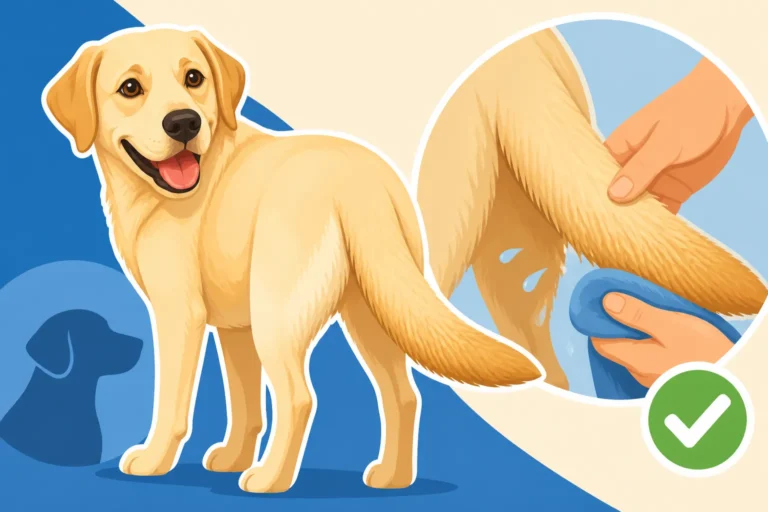
If your Labrador loves water – and let's face it, most Labradors do! – the long paw hair can also trap moisture. When wet hair dries, it can clump and mat, pulling painfully on the skin. These mats are not only uncomfortable but also create a warm, moist environment perfect for bacteria and yeast to thrive, potentially leading to skin infections. In winter, long paw hair can accumulate ice and snow, forming painful "ice balls" between the pads that make walking excruciating. Regular trimming keeps the hair short and flush with the paw pads, significantly reducing the surface area available for collecting debris and minimizing the risk of painful mats or uncomfortable ice formations. It’s a proactive step that protects your Labrador’s delicate paw pads from the harsh realities of their adventures.
Better Hygiene and Comfort
Beyond preventing slips and debris, trimming your Labrador's paw hair simply makes them, and your home, much cleaner and more comfortable. Let's be honest, those muddy paw prints tracking across your newly cleaned kitchen floor after a rainy walk are a common frustration for Labrador owners. Shorter paw hair means less mud, dirt, and general grime being tracked into your living space. This isn't just about aesthetics; it's about reducing the amount of allergens and external irritants brought indoors, which can be beneficial for both your dog and any allergy-prone family members.
Furthermore, keeping the hair trimmed promotes better air circulation between the paw pads. This increased airflow helps keep the area dry, which is crucial for preventing a host of dermatological issues. Moisture trapped between long hairs can lead to irritation, redness, and the development of yeast or bacterial infections, which can be itchy, odorous, and require veterinary intervention. By keeping the paws clean and dry, you're actively contributing to your Labrador's overall skin health and comfort. A well-groomed paw allows for easier self-cleaning and makes your routine checks for cuts, scrapes, or tenderness much more effective. Ultimately, it’s about ensuring your Labrador feels good from the tips of their ears to the pads of their paws. For more general advice on keeping your Lab well-maintained, you might find our guide on Labrador Ear, Paw and Nail Care helpful.
Gathering Your Trimming Toolkit
Before you embark on your paw-grooming adventure, it's really important to have the right tools at hand. Using the wrong equipment can make the task harder, less effective, and potentially risky for your Labrador. Think of it like cooking – you wouldn't try to chop vegetables with a butter knife, right? Having the proper tools ensures a safer, more efficient, and less stressful experience for both you and your furry companion.
Essential Clippers and Scissors
When it comes to the actual hair removal, you generally have two main options: electric clippers or safety scissors. For most Labradors, especially those with dense paw hair, a small, quiet pair of electric clippers designed for pet grooming is often the easiest and safest choice. Look for clippers with a narrow, fine blade that can easily maneuver between the paw pads. Cordless models are a fantastic option as they give you more flexibility and prevent your dog from potentially tripping over a cord. The key is to choose clippers that operate quietly, as loud buzzing can be startling and anxiety-inducing for many dogs. Brands often tout their low-vibration and quiet motor features, so keep an eye out for those specifications.
If electric clippers aren't an option or your Labrador is particularly sensitive to the vibration or sound, a good pair of blunt-nosed or ball-tipped safety scissors can work for trimming stray hairs. These are specifically designed with rounded tips to minimize the risk of accidental pokes or cuts to the delicate skin between the paw pads. Under no circumstances should you ever use regular sharp-pointed household scissors for this task. The risk of injury is simply too high, as one sudden movement from your dog could result in a nasty cut. Always remember that precision and safety are paramount when working around such a sensitive area. You can find these specialized clippers and scissors at most pet supply stores, or online retailers like Chewy and Amazon, making it easy to get what you need delivered right to your door.
Supportive Gear for a Smooth Session
Beyond the cutting implements, a few other items can make your paw trimming session much smoother and safer. First, a non-slip mat is an absolute game-changer. Placing this under your Labrador will give them better footing and prevent them from sliding around on a smooth floor while you're trying to work. This stability can significantly reduce their anxiety and make them feel more secure. Imagine trying to stand still while someone works on your feet if you were constantly slipping and sliding – it's not a pleasant thought.
Next, have plenty of high-value treats on hand. Labradors are famously food-motivated, and using tasty rewards for cooperation is a cornerstone of positive reinforcement. Every few snips, offer a treat and some praise. This helps build a positive association with the trimming process, making future sessions much easier. For ideas on what really gets their tails wagging, check out Treats That Motivate a Food-Driven Labrador.
Finally, no matter how careful you are, accidents can happen. Even experienced groomers can occasionally cause a tiny nick, especially with a squirmy dog. That's why styptic powder is an absolute must-have in your paw care kit. This powder quickly stops bleeding from minor cuts. Just a pinch applied to the nicked area is usually all it takes. It's truly a "better safe than sorry" item. Ensure you have good lighting in your chosen grooming spot, whether it's natural light or a bright lamp, so you can clearly see the paw pads and the hair you're trimming. Having a well-stocked A First Aid Kit for a Labrador Retriever is always a good idea.
Step-by-Step Guide to Trimming Your Labrador's Paw Hair
Alright, you've got your tools, you're ready to go! Now it's time to actually get down to business. The key here is patience, gentleness, and making the experience as positive as possible for your beloved Labrador. Rushing or being forceful will only create a negative association and make future trims a battle, which is the last thing any of us want.
Preparing Your Labrador and the Paws
The success of your paw trimming session often hinges on the preparation. First and foremost, choose your timing wisely. Don't try to tackle paw trimming when your Labrador is buzzing with energy after a long nap or excitedly anticipating dinner. Instead, aim for a time when they are naturally calm and relaxed, perhaps after a good long walk or a vigorous play session when they're a bit tired and mellow. A tired Lab is usually a more cooperative Lab!
Next, if your Labrador isn't accustomed to having their paws handled, you'll want to start with a desensitization process. Begin by simply touching their paws gently, praising them, and giving them a treat. Gradually increase the duration and intensity of the handling over several days or weeks, associating every touch with something positive. This foundational work will pay dividends when you introduce the clippers or scissors. Many dogs are anxious about their paws being touched, so patience here is paramount. We have a great article on Desensitizing a Labrador to Nail Trims that can help with general paw handling.
Before you even pick up your trimming tool, ensure your Labrador's paws are clean and dry. Dirt, mud, or moisture can clog clipper blades, make it harder to see what you're doing, and increase the risk of infection if you happen to cause a tiny nick. A quick wipe with a damp cloth or a gentle paw wash followed by thorough drying is usually sufficient. Finally, set the stage for success with positive association. Bring out your treats before you even start the actual trimming. Let your Labrador see and smell them, reinforcing that this is a good experience from the very beginning.
The Trimming Process (Clippers vs. Scissors)
Now for the main event! Whether you're using clippers or safety scissors, the general principle is the same: you want to remove the hair that extends beyond the paw pads, making it flush with the pads themselves. This maximizes their traction and minimizes debris collection.
If you're using electric clippers:
- Hold the Paw Gently: With one hand, gently but firmly hold your Labrador's paw. You might need to gently spread their toes to expose the hair between the pads.
- Angle the Clippers: Angle the clippers so the blade is parallel to the paw pad. Never point the tip of the blade directly into the pad.
- Trim Slowly and Carefully: Use short, controlled strokes, moving the clippers with the grain of the hair. Avoid pressing down hard. You’re aiming to trim the hair flush with the paw pads, not to dig into the skin.
- Work in Bursts: Don't try to do an entire paw in one go if your dog is antsy. Trim a small section, give praise and a treat, then move to the next.
- Address the Front: Don't forget the hair that grows around the front edge of the paw, which can also become quite long and unruly.
If you're using blunt-nosed safety scissors:
- Secure the Paw: Hold the paw firmly and gently, again, gently spreading the toes if needed.
- Visibility is Key: Always ensure you can clearly see the skin beneath the hair you are cutting. Never cut blind.
- Point Away: Position the blunt tips of the scissors away from the paw pads and skin.
- Small Snips: Take small, careful snips of hair at a time, keeping the hair flush with the paw pads.
- Be Patient: This method is often slower than clippers, requiring more patience and precision.
Regardless of your tool, remember to also check around the dewclaws (if your Labrador has them). Hair can grow quite long around these and can also become matted or collect debris. Take your time, be gentle, and keep that styptic powder handy just in case of a minor mishap.
Finishing Up and Rewarding
Once you've meticulously trimmed all the paw hair, take a moment to inspect your work. Run your fingers over the paw pads and between the toes. Do you feel any long, straggling hairs? Does your Labrador's paw still look like it's wearing furry slippers? If so, gently go back and trim those last few bits. The goal is a neat, clean appearance where the hair doesn't extend past the actual pads.
The most crucial part of finishing up is the rewarding! This isn't just a nicety; it's an essential component of positive reinforcement that will shape your Labrador's attitude towards future grooming sessions. Lavish your dog with enthusiastic praise, petting, and plenty of those high-value treats you prepared earlier. Make it a celebration! Let them know they did a fantastic job, even if they were a little squirmy. The more positive the experience, the more cooperative they’ll be next time.
After the session, observe your Labrador's gait. Many owners notice an immediate improvement in their dog's confidence on slippery surfaces. They might walk with a more assured stride, no longer battling those unruly hairs. This instant comfort is the ultimate reward for both of you, reinforcing the value of your efforts. Make a mental note of how often this trim lasts for your particular Labrador, as hair growth rates can vary. This will help you plan your next session, ensuring their paws remain in tip-top condition.
Troubleshooting and Ongoing Paw Care
Even with the best intentions and the right tools, sometimes things don't go perfectly smoothly. Every Labrador is an individual, and some might be more resistant or nervous than others. Plus, keeping those paws healthy is an ongoing commitment, not just a one-off trim. Let's talk about how to navigate challenges and maintain those freshly groomed paws.
Handling a Nervous or Resistant Labrador
If your Labrador is nervous, resistant, or even outright fighting you during paw trimming, it can be incredibly frustrating and disheartening. It's vital to remember not to force the issue, as this can create trauma and make future attempts even harder. Instead, take a step back and reassess your approach.
Break the task down into the tiniest possible steps. Maybe on day one, you just hold their paw for a few seconds and give a treat. On day two, you introduce the clippers (turned off) near their paw, then treat. The next day, turn them on briefly, then treat. Gradually work up to trimming just one toe, then stopping and celebrating. The session might last only a minute or two, but those positive micro-experiences add up. Enlisting a helper can also be invaluable; one person can distract with treats or gentle petting while the other focuses on the trimming. Make sure the helper knows how to gently restrain without causing discomfort or fear.
Consider the timing of your trim. A truly exhausted Labrador might be too tired to object strongly. For example, after a long hike or an intense game of fetch at the lake, they might be more amenable to a quiet grooming session. You can even combine it with other calming activities like a gentle massage. If, despite your best efforts, your Labrador remains highly stressed or aggressive during paw handling, it's time to seek professional help. A professional groomer or even a veterinary behaviorist can offer techniques, tools, or even sedatives if necessary, to ensure your dog's safety and comfort. Patience and understanding are your greatest tools when dealing with a nervous pup. Even a vigorous indoor play session can help tire them out before attempting a trim, as discussed in Tiring a Labrador on a Rainy Day.
When to Seek Professional Help
While it's wonderful to be able to care for your Labrador's paws yourself, there's absolutely no shame in knowing your limits and seeking professional help. Many people are simply not comfortable using sharp tools around their dog's sensitive paw pads, and that's perfectly okay. Professional groomers are skilled, experienced, and equipped with specialized tools to get the job done efficiently and safely. They can also offer tips tailored to your dog's specific temperament and paw condition. Don't hesitate to reach out to a reputable local groomer if you feel uncertain or stressed by the task.
Furthermore, there are specific situations where a trip to the veterinarian should precede any grooming attempts. If your Labrador has any existing paw injuries, such as cuts, scrapes, or puncture wounds, or if you notice signs of infection like redness, swelling, unusual odors, or excessive licking and chewing, your vet needs to examine them first. Trimming around an irritated or infected area could cause more pain and potentially worsen the condition. Similarly, if your Labrador's paw hair is severely matted or neglected, a vet might recommend a sedated grooming session to safely remove the mats without causing undue pain or skin damage. Never attempt to forcefully brush out severe mats, as this can pull at the skin and be excruciating for your dog. Your vet can also address underlying causes of paw issues, such as allergies that lead to excessive licking and irritation. For more on common skin and ear issues, check out Labrador Ear and Skin Disease.
Maintaining Healthy Paws Between Trims
Trimming the hair is just one piece of the puzzle when it comes to healthy paws. Ongoing care between trims is equally important to ensure your Labrador's comfort and prevent problems from developing. Make it a habit to perform regular paw checks, ideally once a week. This involves simply sitting down with your Labrador and gently examining each paw. Look between the pads for any lodged debris, small cuts, redness, swelling, or signs of irritation. Pay attention to the nails, too; ensuring they're a good length is vital for proper foot mechanics. Our article on How Often a Labrador Needs Nails Trimmed gives good advice on this.
The frequency of trimming paw hair will depend on your individual Labrador's hair growth rate and their activity levels. Some Labs might need a trim every 4-6 weeks, while others with slower hair growth might go a bit longer. Keep an eye on the hair between the pads; if it starts to protrude significantly beyond the pads, or if you notice your dog starting to slip more, it's time for another trim.
Finally, consider incorporating paw balms or moisturizers into your routine, especially if you live in an area with extreme weather conditions. Hot pavement in summer and icy sidewalks or salted roads in winter can take a toll on your Labrador's paw pads, leading to dryness and cracking. A good quality paw balm can help keep their pads soft, supple, and less prone to damage. Applying it before walks in harsh conditions can offer an extra layer of protection. These simple, consistent steps will go a long way in keeping your Labrador's paws healthy, comfortable, and ready for all their adventures.
| Tool Type | Best Use | Pros | Cons | Contextual Brands (Examples) |
|---|---|---|---|---|
| Small Electric Clippers | Precise trimming between paw pads | Safe, quick, excellent for dense hair; many are quiet | Can be expensive; battery life concerns; some dogs fear sound/vibration | Wahl, Andis (available on Chewy, Amazon) |
| Blunt-Nosed Safety Scissors | Trimming stray hairs, for very sensitive dogs | Quiet, no battery needed, fine manual control | Slower, greater risk of accidental nicks if dog moves suddenly; less precise for dense hair | Hertzko, Safari (available on Amazon) |
| Styptic Powder | Emergency stop for minor nicks | Stops bleeding quickly; acts as an antiseptic | Not a substitute for careful technique; can sting momentarily | Kwik Stop, Miracle Care (available on Chewy) |
| Non-Slip Mat | Providing stability during grooming | Prevents slips, reduces anxiety, provides a comfortable surface | Not a cutting tool; requires a dedicated space | Gorilla Grip, Amazon Basics (available on Amazon) |
| High-Value Treats | Positive reinforcement and distraction | Motivates cooperation; creates positive association | Must be used judiciously to avoid overfeeding | Zuke's, Blue Buffalo (available on Ollie, Chewy) |
Disclaimer
This article is for general informational purposes only and does not constitute professional advice. Laws, prices and regulations vary by location and change over time. Consult a qualified professional for guidance on your specific situation.