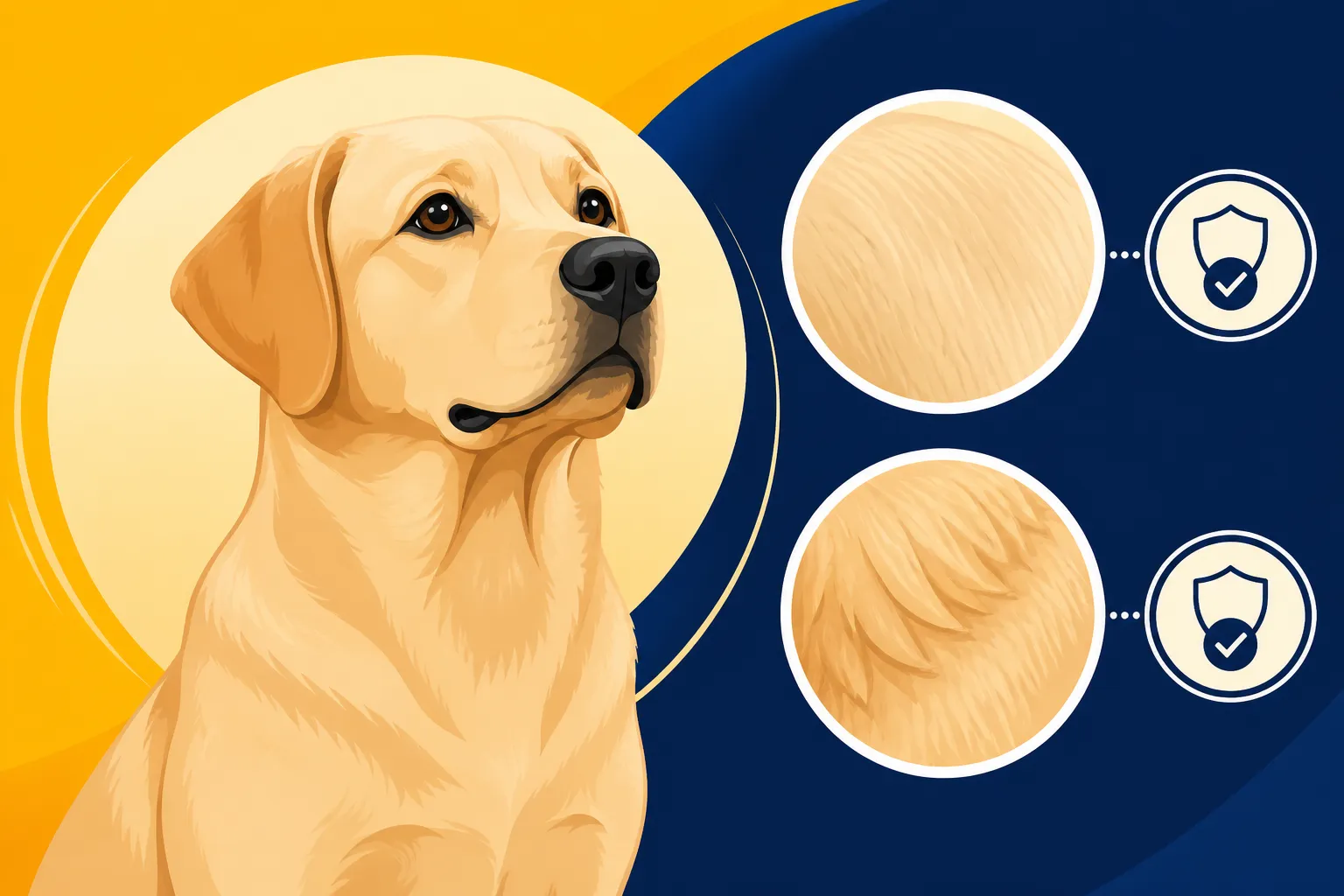
Labrador Coat Type in the Standard
Many new Labrador owners, or even seasoned ones, might look at their dog's short, sleek coat and think, "Oh, this will be easy to care for!" But the truth is, the Labrador Retriever's coat is far more complex and functional than it appears, often leading to misunderstandings about shedding, grooming needs, and its incredible protective qualities. If you've ever wondered why your Lab sheds so much, how their coat handles water, or what makes it so unique, you're in the right place. This comprehensive guide will dive deep into the specific characteristics of the Labrador's coat type, as defined by the breed standard, helping you truly understand and appreciate this remarkable aspect of your beloved companion.
Understanding the Labrador's Double Coat
The Labrador Retriever is renowned for its intelligence, friendly disposition, and, perhaps less obviously, its incredibly functional coat. This isn't just any short fur; it's a meticulously designed double coat, a testament to the breed's origins as a working dog in the icy waters of Newfoundland. Each layer serves a critical purpose, ensuring the Labrador could brave harsh conditions, retrieve game from frigid seas, and remain comfortable while doing so. Ignoring this dual nature means missing out on crucial aspects of their care and overall well-being.
The Outer Coat: Guard Hairs and Protection
The outer layer of a Labrador's coat is often described as feeling somewhat coarse or hard to the touch. These are the guard hairs, and their primary role is protection. They act as the first line of defense against external elements, shielding the dog from rain, snow, brambles, and even minor scrapes when romping through the woods. Think of it like a tough, weather-resistant shell that covers the more delicate inner layers.
These guard hairs are relatively short and straight, lying flat against the body. This smooth, dense arrangement is crucial for shedding water effectively, much like shingles on a roof. Without this protective barrier, the undercoat would quickly become saturated, compromising its insulating properties and leaving the dog vulnerable to hypothermia in cold, wet environments. It's a marvel of natural engineering, perfectly adapted for their original retrieving tasks.
The Undercoat: Insulation and Water Resistance
Beneath those protective guard hairs lies the Labrador's true secret weapon: the soft, dense, and fluffy undercoat. This layer is an insulating powerhouse, trapping a layer of warm air close to the dog's body, which is essential for maintaining core temperature in cold water or wintry weather. Imagine wearing a high-tech thermal base layer under a waterproof shell – that's essentially what a Labrador's coat provides naturally.
Beyond insulation, the undercoat works in tandem with the oily guard hairs to repel water. When a Labrador emerges from a swim, the water tends to bead up on the surface and shake right off, leaving the undercoat remarkably dry, or at least only damp, underneath. This rapid drying capability was vital for dogs spending hours retrieving waterfowl in freezing conditions, preventing them from getting waterlogged and dangerously cold. Understanding this undercoat is key to appreciating Labrador Coat Blowing in Spring and Fall as well as general grooming needs.
Why the Double Coat is Essential for Their Original Purpose
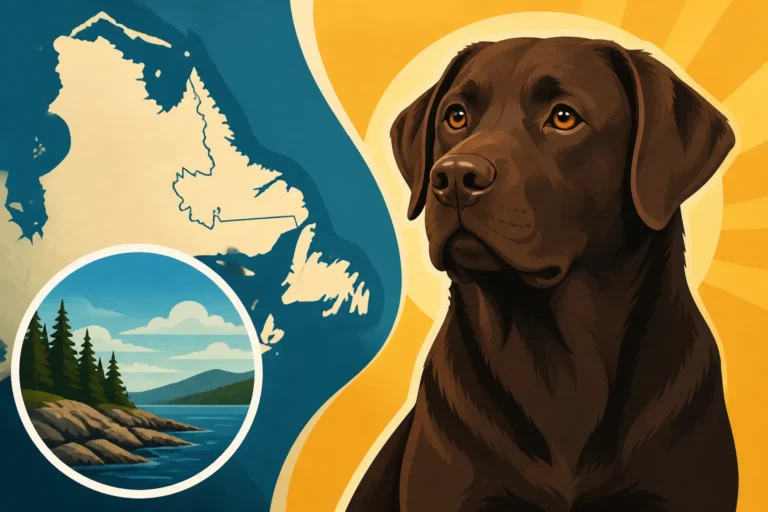
The Labrador Retriever's history is steeped in tales of retrieving fishnets, lines, and ducks from the icy North Atlantic waters. They weren't just fair-weather friends; they were hardy working partners who needed to withstand relentless cold and wet conditions. Their double coat was, and still is, absolutely critical for this demanding job. Without its unique composition, they simply couldn't have performed their duties effectively or survived those harsh environments.
Consider a Labrador plunging into a frigid lake to retrieve a duck. The dense, slightly oily outer coat repels the initial rush of water, while the thick undercoat acts as a thermal wetsuit, keeping their skin relatively dry and warm. This allows them to stay in the water longer, complete their tasks, and then shake most of the water off quickly upon exiting. It's not just about looking good; it's about survival and function, a true hallmark of the breed's heritage.
The Breed Standard's Description of the Coat
For any purebred dog, the breed standard is the blueprint, detailing the ideal characteristics that define the breed. For the Labrador Retriever, the coat type is a critical component, reflecting its historical working purpose. It’s more than just a passing mention; the description emphasizes the coat’s density, texture, and protective qualities, all designed for a life of vigorous activity, often in challenging environments. Anyone evaluating a Labrador, whether for show or simply to understand their pet better, refers to this standard to grasp what makes a Labrador's coat truly correct.
"Short, Dense, Weather-Resistant" – What It Really Means
The breed standard typically describes the Labrador coat as "short, dense, and without feathering, with a dense, weather-resistant undercoat." Let's break that down. "Short" means the hairs are not long and flowing like a Golden Retriever's; they lie close to the body. This prevents matting with ice or debris and allows for quick drying. "Dense" refers to the sheer number of hairs packed into each square inch – both guard hairs and undercoat. This density is paramount for insulation and protection.
"Weather-resistant" is the culmination of these traits. It means the coat is built to withstand rain, snow, and cold temperatures, keeping the dog dry and warm. This isn't just about comfort; it's about the coat's ability to shed moisture and provide thermal regulation, a non-negotiable trait for a dog expected to work in water. A coat that isn't dense or weather-resistant wouldn't be able to effectively protect the dog during a cold duck retrieve or even a winter walk.
The Texture: Hard, Not Silky
Another key aspect of the Labrador standard is the texture of the outer coat. It should feel "fairly hard to the touch." This might surprise some owners who expect a soft, plush coat from a beloved pet. However, this hardness is a functional characteristic. Softer, silkier coats tend to absorb water more readily and offer less protection against abrasions or cold wind. The hard texture of the guard hairs is what gives the coat its robust, resilient quality, helping it shed water and repel debris rather than soaking it up or letting it penetrate easily.
If you run your hand over a correctly coated Labrador, you'll feel a definite stiffness to the outer layer, not a fluffy softness. This is a good thing! It signifies a healthy, functional coat that is doing its job. A coat that is too soft or sparse, while perhaps appealing to the touch, would actually be a disadvantage for a working Labrador and deviates from the breed's ideal.
Acceptable Colors within the Standard
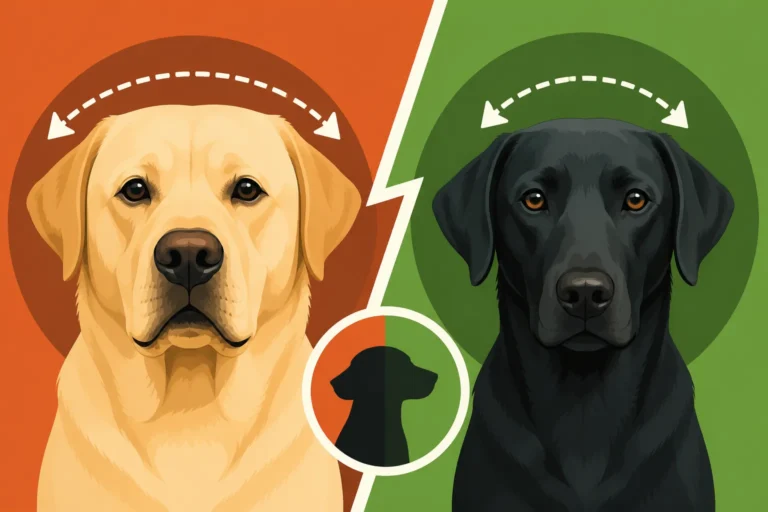
While the core focus of the breed standard regarding the coat is its type and function, it also specifies acceptable colors. The American Kennel Club (AKC) and other major kennel clubs recognize three primary colors for Labrador Retrievers: Black, Yellow, and Chocolate. These colors are integral to the breed's visual identity, and variations outside these shades, such as silver or charcoal, are not recognized by the official standard, even if the dog is otherwise a purebred Labrador.
The intensity of these colors can vary greatly within the accepted range. For instance, "Yellow" can span from a very pale cream, almost white, to a deep, rich fox red. Similarly, "Chocolate" can range from a lighter milk chocolate to a very dark, almost black, liver shade. Regardless of the specific hue, the underlying coat structure – short, dense, and weather-resistant with a good undercoat – remains the defining characteristic of a proper Labrador coat. For more on this, you might explore Whether Coat Color Really Changes Labrador Health.
How the Labrador Coat Handles Water
One of the most remarkable features of the Labrador Retriever's coat is its exceptional ability to interact with water. This isn't just a happy accident; it's a finely-tuned adaptation that enabled the breed to excel in its original role as a water retriever. Many owners marvel at how quickly their Lab can go from a full submersion to shaking off most of the water and appearing relatively dry, especially compared to other breeds. This superior hydro-efficiency is a testament to the coat's unique structure and natural properties.
Natural Oils and Water Repellency
The secret to the Labrador's water-shedding prowess lies partly in the natural oils produced by their skin and distributed throughout their coat. These oils coat the individual hairs, particularly the guard hairs of the outer layer, making them somewhat impervious to water penetration. When water hits the coat, it doesn't soak in; instead, it beads up and rolls off, much like water on a freshly waxed car. This creates a barrier, preventing moisture from reaching the skin and the insulating undercoat.
This oily texture is a vital component of the "weather-resistant" description in the breed standard. Without these natural oils, the coat would quickly become waterlogged, weighing the dog down and compromising its ability to stay warm. It's why excessive bathing with harsh shampoos, which strip these oils, can actually be detrimental to the coat's natural function.
Drying Time and Preventing Issues
Because of its superb water-repelling qualities, a healthy Labrador coat dries remarkably quickly compared to many other breeds. After a swim or a rainy walk, a good shake usually removes the bulk of the water, and the remaining moisture dissipates rapidly. This quick drying time is important not just for comfort, but also for preventing skin issues. Prolonged dampness can create a breeding ground for bacteria and yeast, leading to hot spots or other skin irritations.
While the coat does its best, it's still good practice to towel-dry your Labrador, especially in cooler weather, focusing on areas like the belly and ears. For instance, after a lake swim, thoroughly drying the ears is paramount to prevent infections; you can find specific guidance in Drying a Labrador's Ears After the Lake. Ensuring they're not left in a damp crate or kennel for extended periods can go a long way in supporting their natural defenses and overall skin health.
The Importance of a Healthy Coat for Swimmers
For Labradors who love to swim – which is, let's face it, most of them! – maintaining a healthy coat is more than just an aesthetic concern; it's a health imperative. A damaged or unhealthy coat, perhaps due to poor nutrition, parasites, or improper grooming, won't be able to repel water or insulate as effectively. This can increase their risk of chilling, skin infections, and general discomfort, especially if they are frequently in cold water.
A dull, dry, or sparse coat signals that something might be amiss. A well-nourished Labrador with a balanced diet will naturally produce the oils and have the hair density needed for optimal coat health. Regular brushing helps to distribute these oils, remove loose hair, and stimulate healthy growth, all contributing to that robust, water-resistant shield. If you're passionate about water retrieves, understanding Water Retrieves for a Labrador in Summer also means understanding how the coat plays a vital role.
Grooming and Maintaining the Labrador Coat
Despite their short hair, Labradors are not maintenance-free when it comes to grooming. Their unique double coat, designed for protection and insulation, requires specific care to remain healthy and functional. Many new owners are surprised by the amount of hair their "short-haired" dog can shed, leading to frustration and misunderstandings about proper grooming techniques. It's all part of living with this incredible breed, and with the right tools and routine, managing their coat becomes a rewarding part of responsible ownership.
Regular Brushing for Coat Health and Shedding Management
Regular brushing is perhaps the most important aspect of Labrador coat care. While their hair doesn't mat and tangle like a long-haired breed, the dense undercoat sheds profusely, especially during seasonal "coat blows" in spring and fall. Brushing helps remove dead undercoat hairs before they end up all over your furniture and clothes. It also distributes natural skin oils, promoting a healthy, shiny coat and stimulating circulation. A good deshedding tool, like those you might find on Chewy, can be a game-changer during these heavy shedding periods.
Aim for at least 2-3 brushing sessions per week, increasing to daily during seasonal shedding. Tools like a slicker brush, a rubber curry brush, or a deshedding rake are highly effective. For detailed guidance, you can explore Brushing a Labrador's Coat and Deshedding Tools for a Labrador. Consistent brushing not only keeps your home cleaner but also allows you to regularly inspect your dog's skin for any abnormalities, lumps, or parasites.
Bathing Practices for a Double Coat
Bathing a Labrador should be done judiciously to avoid stripping their natural oils, which are crucial for their coat's water resistance and health. For most Labs, a bath every 2-3 months or when they get particularly dirty is sufficient. If your Lab swims frequently, a simple rinse with plain water after a dip can be all that's needed to remove chlorine or lake residue without stripping beneficial oils.
When you do bathe your Labrador, use a mild, dog-specific shampoo. Avoid human shampoos, which can be too harsh for a dog's skin pH. Lather thoroughly, focusing on working the shampoo down to the skin, and then rinse meticulously to ensure no residue is left behind, as this can cause skin irritation. After bathing, towel-dry vigorously, and if possible, allow them to air dry in a warm, comfortable spot. For more bathing tips, check out Bathing a Labrador Retriever.
Common Misconceptions: Why You Never Shave a Labrador
One of the most prevalent and damaging misconceptions about Labrador grooming is that shaving them will help them stay cool in summer or reduce shedding. This couldn't be further from the truth and can actually cause significant harm to their coat and skin. A Labrador's double coat is a natural insulator, providing both warmth in winter and protection from the sun's harsh rays and heat in summer.
When you shave a Labrador, you remove both the protective guard hairs and the insulating undercoat. This leaves their delicate skin exposed to sunburn, insect bites, and environmental irritants. Furthermore, when the coat grows back, it often comes in unevenly, with the softer undercoat sometimes growing faster and thicker than the guard hairs, leading to a "blown" or damaged coat that is less able to regulate temperature or repel water. This can worsen shedding issues and make future grooming more challenging. The best way to keep your Lab cool in summer is to provide shade, fresh water, and avoid strenuous exercise during the hottest parts of the day. Seriously, never shave a Lab; it's a topic we cover in detail in Why You Never Shave a Labrador.
Common Coat Issues and What to Look For
While the Labrador's coat is generally robust and functional, it's not immune to problems. As a diligent owner, it's important to be aware of common coat and skin issues that can arise, as they often signal underlying health concerns. Catching these problems early can prevent discomfort for your dog and more expensive veterinary bills down the line. Regular grooming sessions are an excellent opportunity to perform a quick "health check" of their skin and fur.
Excessive Shedding Beyond Seasonal Blows
All Labradors shed. It's a fact of life for anyone sharing their home with this wonderful breed, and during their biannual "coat blows," it can feel like a snowstorm of fur. This heavy seasonal shedding is entirely normal and a sign of a healthy coat cycle. However, if your Labrador seems to be shedding excessively year-round, or if you notice patchy hair loss, thinning fur, or bald spots, it's time to investigate further.
Excessive or abnormal shedding can be a symptom of various issues, including dietary deficiencies, stress, allergies, parasites (like fleas or mites), fungal infections, or even hormonal imbalances such as hypothyroidism. If you're seeing more than just the usual amount of fur and it's accompanied by itching, redness, or a change in skin texture, a vet visit is warranted. You might also want to look into How Much a Labrador Sheds Year Round for comparison.
Dry Skin, Dull Coat, and Underlying Health Concerns
A healthy Labrador coat should be dense, somewhat lustrous, and feel slightly oily. If your Lab's coat appears dull, dry, brittle, or coarse (beyond its natural "hard" texture), and if their skin is flaky, red, or itchy, these are clear indicators that something is off. Dry skin can be incredibly uncomfortable for a dog, leading to scratching, licking, and potential secondary infections.
Often, a dull coat and dry skin can be linked to their diet. Ensuring your Labrador receives a high-quality dog food with appropriate levels of essential fatty acids (like Omega-3s and -6s) is crucial for skin and coat health. Sometimes, adding a fish oil supplement can make a noticeable difference. However, these symptoms can also point to allergies, parasitic infestations, or even more serious systemic health conditions. If dietary changes don't bring improvement, consulting your veterinarian is the best course of action.
Allergic Reactions and Skin Irritations
Labradors, like many breeds, can be prone to allergies, which often manifest as skin problems. These can range from environmental allergies (pollen, dust mites, grass) to food allergies. Symptoms typically include intense itching, redness, ear infections, hot spots, and sometimes paw licking or chewing. The constant scratching and licking can break the skin, leading to secondary bacterial or yeast infections, making the problem even worse.
Identifying the trigger for allergies can be a challenge. Your vet might suggest an elimination diet to pinpoint food allergies or recommend medications and specialized shampoos for environmental sensitivities. For instance, you might look for hypoallergenic shampoos or specific limited-ingredient diets on Chewy if your vet suspects allergies. Managing allergies is often a multi-faceted approach, but getting to the root cause is essential for your Labrador's comfort and long-term health. Learning about Labrador Ear and Skin Disease can provide further context and helpful information.
Here's a quick comparison of the two main coat layers:
| Feature | Outer Coat (Guard Hairs) | Undercoat (Downy Hair) |
|---|---|---|
| Texture | Fairly hard, coarse | Soft, dense, fluffy |
| Primary Role | Protection from elements (rain, snow, debris), water repellency | Insulation, warmth |
| Appearance | Lies flat, sleek, short | Hidden beneath outer coat, thick |
| Feel | Stiff, resilient | Plush, cottony |
| Water Action | Repels water, prevents penetration | Traps air, keeps skin dry and warm |
| Shedding | Moderate, consistent | Heavy during seasonal "blows" |
The Labrador Retriever's coat is a remarkable example of form following function. It's a robust, weather-resistant marvel perfectly adapted for the breed's historical role as a water retriever. Understanding its double-layered structure – the protective outer guard hairs and the insulating undercoat – is key to appreciating its unique qualities. Proper care, including regular brushing, appropriate bathing, and never shaving, ensures this vital asset remains healthy and effective. By paying attention to changes in their coat and skin, you can address potential health issues early, helping your beloved Lab stay comfortable, happy, and ready for whatever adventures come their way.
Disclaimer
This article is for general informational purposes only and does not constitute professional advice. Laws, prices and regulations vary by location and change over time. Consult a qualified professional for guidance on your specific situation.