What an EIC Episode Looks Like in a Labrador
It's truly alarming when your usually robust, energetic Labrador suddenly starts to wobble, drag their hind legs, or even completely collapse right in front of you. That vibrant, tail-wagging athlete can transform into a picture of distress in moments, leaving you bewildered and terrified. This guide is here to illuminate exactly what an Exercise-Induced Collapse (EIC) episode looks like in a Labrador, helping you recognize the signs and understand what's happening.
Understanding Exercise-Induced Collapse (EIC) in Labradors
Exercise-Induced Collapse, or EIC, is a condition that, unfortunately, many Labrador owners might encounter without truly understanding it. It's not a heart attack or a sudden muscle cramp; it's a very specific neurological response to intense physical activity that leaves your dog temporarily unable to move normally. Recognizing it starts with knowing what EIC actually is at its core.
The Genetic Basis of EIC
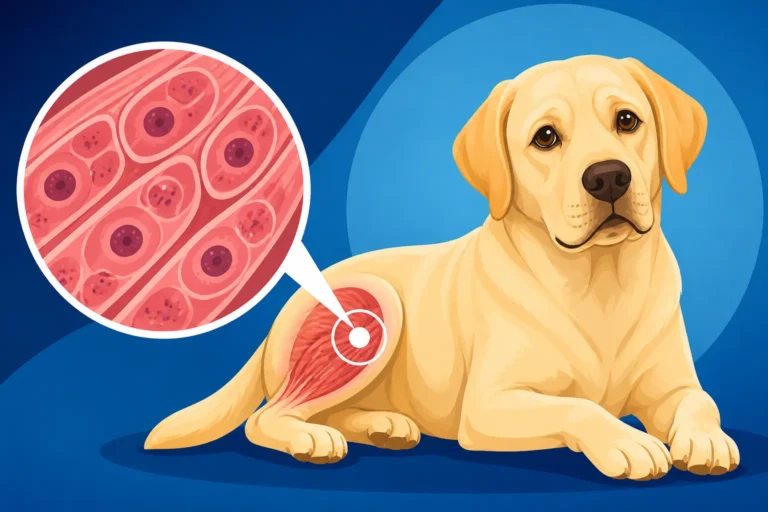
At its heart, EIC is an inherited neurological disorder, which means it’s passed down through generations. It's not something your dog develops due to poor diet or lack of training. Instead, it’s linked to a specific genetic mutation, The DNM1 Mutation Behind Labrador Collapse, which affects how nerve signals are transmitted, particularly after periods of intense excitement and strenuous exercise. This mutation disrupts the communication between the brain and the muscles, leading to a temporary loss of control.
What makes EIC particularly frustrating and sometimes hard to diagnose initially is that affected dogs appear completely normal and healthy most of the time. They are often the most enthusiastic, highest-energy dogs in the litter or at the dog park, showing immense drive for retrieving, swimming, and running. This very eagerness is what often brings on the episodes, as their spirit often pushes them past the physical threshold where their nervous system begins to falter. The dog's heart, lungs, and muscles are typically healthy; the issue lies purely in the signaling system that tells those muscles what to do.
It's a misconception that EIC is a sign of weakness or poor conditioning. On the contrary, EIC-affected Labradors are often incredibly fit and driven, which is why the collapse can be so sudden and shocking for owners. They thrive on activity and appear perfectly capable until that critical point is reached. This genetic predisposition means that even the most well-cared-for and athletic Labrador can experience an episode if they carry the gene and engage in the right type of strenuous activity.
Common Triggers for an EIC Episode
EIC episodes are almost always brought on by specific types of exercise – usually high-intensity activity that involves both physical exertion and a high level of excitement. Imagine your Labrador's absolute favorite thing in the world, whether it's chasing bumpers in a field, retrieving ducks from a pond, or an enthusiastic game of fetch with their best canine friend. These are precisely the scenarios that tend to trigger an episode. It's a combination of sustained, vigorous effort and intense emotional arousal that seems to overload their nervous system.
Activities like competitive field trials, where dogs are working at maximum output for extended periods, or even a particularly spirited session at the dog park with multiple dogs, are common culprits. Think about situations where your Labrador is repeatedly sprinting, stopping quickly, turning sharply, and retrieving with immense focus and adrenaline. These bursts of activity, especially when combined with the mental excitement of the "game," are far more likely to cause an EIC episode than a calm, sustained jog or a leisurely walk. It's not just the physical strain but the mental and emotional component that plays a significant role.
Furthermore, environmental factors can exacerbate the risk. Heat and Excitement as EIC Triggers are well-documented. While not a true heatstroke, warmer temperatures can make a Labrador more susceptible to an EIC episode by increasing their overall physiological stress. Humidity can also contribute. Similarly, if your Labrador is particularly keyed up or stressed – perhaps in a new environment, around unfamiliar dogs, or anticipating a favorite activity – this heightened state of arousal can lower their threshold for an EIC episode. Understanding these triggers is paramount for owners to manage and prevent future occurrences.
The Initial Signs and Progression of an EIC Episode
Witnessing an EIC episode unfold can be incredibly frightening because it happens quickly and dramatically. One moment your Labrador is full of life, and the next, they are struggling. However, these episodes often have a predictable progression, starting with subtle cues before escalating to a full collapse.
Subtle Early Warning Signals
The first signs of an EIC episode are often quite subtle and can easily be missed if you're not paying close attention, especially amidst the excitement of play. Typically, it begins with a noticeable weakness or wobbliness in the hind limbs. Your Labrador might start to appear a bit clumsy, their gait becoming uncoordinated as if they've suddenly had too much to drink – a "wobbly drunk" appearance. This usually happens during or immediately after about 5 to 20 minutes of intense, exciting exercise.
You might observe that their back legs aren't quite keeping up with their front legs. They might drag their paws slightly, or their hips might sway more than usual. Sometimes, the tail might drop, and their expression could change, showing confusion or slight distress, though they remain mentally alert and often still eager to continue the activity if allowed. This initial clumsiness isn't always a full collapse; it’s a warning sign that their nervous system is beginning to struggle with signal transmission to the muscles.
It's crucial to be vigilant during strenuous play or training sessions. If you notice your Labrador's hind end starting to falter, even slightly, it’s a critical moment to intervene. This isn't usually the point where they're completely down, but rather a temporary period of discoordination that precedes a more profound loss of muscle control. Catching these early signals and stopping the activity immediately can sometimes prevent a full collapse and help your dog recover more quickly.
The Full Collapse and Recovery Phase
If the activity continues past the initial warning signs, the episode will progress to a more pronounced collapse. The hind legs will lose most or all of their muscle control, often giving way completely. Your Labrador might fall to one side or be unable to stand, dragging their back legs as if paralyzed. In some cases, the collapse can affect all four limbs, leaving the dog completely unable to move. Despite this dramatic physical incapacitation, it's vital to remember that dogs experiencing EIC remain fully conscious and mentally alert. They can see you, hear you, and often try to respond to your voice, even if they can't physically move. Their tail might still wag weakly, or they might try to push themselves up with their front paws.
During the full collapse, their breathing usually remains normal, and their body temperature typically doesn't spike to dangerous levels like with heatstroke. The duration of this phase can vary, but most How Long a Labrador EIC Episode Lasts is usually between 5 to 25 minutes, with full recovery typically occurring within 30 minutes. As they begin to recover, they might first be able to lift their head, then slowly regain control of their front limbs, and finally, with a bit of a struggle, manage to stand and walk, though they may remain weak and wobbly for a short period.
It's a genuinely heartbreaking sight to see your strong, active Labrador in such a state, but knowing they are not in severe pain or experiencing a life-threatening event (as long as they are removed from the triggering activity) can provide some comfort. The key is to recognize it, stop the activity, and allow them to rest. Once recovered, they usually appear completely normal again, though they might be a bit tired.
Differentiating EIC from Other Collapse Causes
When your dog collapses, naturally, your mind races to the worst possibilities. It's incredibly important to distinguish EIC from other serious conditions that can cause similar symptoms, as the appropriate response can be very different and even life-saving. While EIC is alarming, it's generally not life-threatening if managed correctly, unlike some other causes of collapse.
EIC Versus Heatstroke
One of the most critical distinctions to make when a Labrador collapses is between EIC and heatstroke. The two can look somewhat similar from a distance, as both involve a dog unable to move, often after exercise in warm weather. However, there are fundamental differences that every Labrador owner should know. With EIC, as we've discussed, the dog remains mentally alert and their body temperature, while possibly slightly elevated from exercise, does not typically reach dangerous levels (above 105°F or 40.5°C). The collapse is primarily a loss of muscle control, and the dog usually recovers completely with rest within a short period.
Heatstroke, on the other hand, is a severe medical emergency. A dog suffering from heatstroke will show signs of confusion, disorientation, or even unconsciousness. Their gums might be brick red, and they will pant excessively. Critically, their body temperature will be dangerously high, often exceeding 106°F (41°C). Their muscles may stiffen or cramp rather than go limp, and they might even seizure. Recovery is not automatic with rest; heatstroke requires immediate, aggressive cooling and veterinary intervention to prevent organ damage or death. The table below provides a quick reference to help you tell Telling EIC From Heatstroke in a Labrador.
| Feature | Exercise-Induced Collapse (EIC) | Heatstroke |
|---|---|---|
| Onset | During/immediately after intense, exciting exercise | During/after exercise in heat, or left in hot environment |
| Mental State | Mentally alert, conscious | Disoriented, confused, lethargic, can be unconscious |
| Body Temperature | Normal to slightly elevated (typically <105°F) | Dangerously high (>106°F), rapid rise |
| Breathing | Normal to moderately elevated | Excessive, frantic panting, struggling for breath |
| Gums | Normal pink | Bright red or pale, sometimes sticky |
| Muscle Control | Loss of hind limb control, wobbly, limp | Stiff, cramping, tremors, seizures |
| Recovery | Spontaneous with rest (5-30 min) | Requires urgent cooling and vet care; can be fatal |
Other Conditions That Mimic Collapse
Beyond heatstroke, several other conditions can cause a Labrador to collapse or appear weak, making a definitive diagnosis of EIC crucial. Cardiac issues, for instance, such as an underlying heart murmur, arrhythmia, or other structural heart diseases, can lead to sudden weakness or fainting spells, especially during exertion. These can be life-threatening and require immediate veterinary attention, often involving specialized diagnostics like an echocardiogram.
Metabolic disturbances, such as severe hypoglycemia (low blood sugar), although less common in otherwise healthy adult Labradors unless they have an underlying condition like a tumor, can also cause weakness, disorientation, and collapse. Orthopedic problems, while usually causing lameness rather than a full collapse, can sometimes manifest as a sudden refusal to bear weight or severe pain that mimics an inability to move. Conditions like Labrador Hip and Elbow Dysplasia or even Labrador Arthritis in Middle Age can cause such discomfort that movement becomes impossible.
Neurological conditions unrelated to EIC, such as certain spinal cord issues or even seizures, can also present with collapse-like symptoms. Therefore, if your Labrador experiences a collapse episode for the first time, it's always best to consult your veterinarian. They can conduct a thorough examination, including potential blood tests and genetic Testing a Labrador for Exercise-Induced Collapse, to rule out other serious conditions and confirm an EIC diagnosis. Being prepared for unexpected vet visits is part of responsible dog ownership, and options like pet insurance from providers such as Healthy Paws can certainly help manage the financial aspect of comprehensive diagnostics and care in these situations.
What to Do During an EIC Episode
When an EIC episode strikes, it’s natural to panic. However, your calm and swift actions can make a big difference in your Labrador's comfort and recovery. Knowing exactly What to Do While a Labrador Is Collapsing is key to ensuring their safety and aiding a smooth return to normalcy.
Immediate Action Steps for Owners
The very first and most critical step when you see your Labrador showing any signs of EIC – be it wobbliness or a full collapse – is to immediately stop all activity. This means no more throwing the ball, no more vigorous play with other dogs, and no more demanding retrieves. Your dog might still have the drive to continue, but you must take control and prevent further exertion. Gently but firmly remove them from the exciting environment, guiding them to a quiet, shaded, and cool area where they can rest without further stimulation. This could mean leaving the dog park, bringing them indoors, or simply finding a peaceful spot under a tree.
While you're moving them, avoid excessive handling or adding to their excitement. Speak to them in a calm, soothing voice to reassure them. They are mentally aware, so your calm demeanor will help keep their stress levels down. Do not try to force them to stand or walk if they are unable. Allow them to lie down in whatever position they find comfortable. If it's warm, you can offer them a small amount of water to drink if they are willing and able to swallow without difficulty. Do not douse them with cold water, as this is appropriate for heatstroke, not EIC, and could cause an unnecessary shock.
The goal is to allow their nervous system to "reset." This period of rest is essential for recovery. The recovery time is typically quite quick, often within 5 to 25 minutes, but it can feel like an eternity when you're watching your beloved companion struggle. Remain with them, observe their breathing and overall state, and ensure they are not trying to get up too soon.
Post-Episode Care and Observation
Once your Labrador has recovered from an EIC episode and is able to stand and walk again, it’s important to continue monitoring them. While they usually bounce back to their normal selves quickly, they might be a bit tired or subdued for a little while. Encourage them to take it easy for the rest of the day, opting for short, leashed potty breaks rather than any strenuous activity. Ensure they have access to fresh water and offer them their regular meal if it's feeding time.
It's also a good idea to make a note of the date, time, duration, and specific activities that led to the episode. This information can be invaluable for identifying patterns and preventing future occurrences. If this is your Labrador's first EIC episode, or if you have any doubts about the cause of their collapse, it's highly recommended to contact your veterinarian. They can help confirm the diagnosis, rule out other serious conditions, and provide guidance on managing the condition moving forward. This might include discussing Genetic Panels Worth Running on a Labrador to definitively identify if your dog carries the EIC gene.
If you know your dog is affected by EIC, or if you're concerned about future episodes, consider talking to your vet about what Living With an EIC Affected Labrador truly entails. They might suggest specific modifications to your dog's exercise routine or provide advice on how to handle different environmental factors. Remember, an EIC episode is not usually painful, but it is certainly distressing for your dog, so your calm and informed response is the best care you can offer.
Long-Term Management and Prevention
Living with a Labrador affected by EIC doesn't mean the end of their active, joyful life. It simply means making smart adjustments to their routine and understanding their limits. With careful management, these dogs can still lead very fulfilling lives, often without experiencing further episodes.
Lifestyle Adjustments for EIC-Affected Labradors
The cornerstone of managing an EIC-affected Labrador is modifying their exercise routine to avoid the specific triggers that bring on episodes. This doesn't mean your dog can't exercise; it means changing how they exercise. Focus on consistent, moderate activity rather than sporadic bursts of high-intensity, exciting play. Long, steady walks, calm swimming sessions, or light jogging can still provide excellent physical and mental stimulation without pushing them past their EIC threshold. The key is to keep their heart rate and excitement levels from soaring.
For instance, instead of a highly competitive game of fetch with multiple balls and other dogs, try a one-on-one session with a single ball, taking frequent breaks. Avoid scenarios known to be high-risk, such as pheasant hunting, intense retrieving drills, or highly stimulating dog park visits during peak hours. If your Labrador is a keen retriever, you might consider adjusting your training to focus more on obedience and scent work, which are less physically demanding but still mentally engaging. It's about finding a balance that allows them to burn energy and enjoy life without triggering a collapse.
Pay close attention to environmental factors. On warmer or more humid days, significantly reduce the intensity and duration of any exercise. Always ensure access to shade and fresh water. Even in cooler weather, remember that intense excitement can still be a trigger, so monitor their activity and emotional state closely. The goal is to keep them active and happy, but within boundaries that prevent the nervous system overload that leads to an EIC episode.
Breeding Considerations and Genetic Testing
For any Labrador owner or potential owner, understanding the genetic aspect of EIC is incredibly important, especially if you're considering breeding your dog or purchasing a puppy. Since EIC is an inherited condition, responsible breeding practices are vital to reduce its prevalence in the Labrador population. A simple DNA test can determine if a Labrador is clear, a carrier, or affected by the EIC gene mutation. This is a critical component of Health Clearances a Labrador Breeder Must Show before breeding.
Reputable breeders will routinely screen their breeding stock for EIC, along with other common Labrador health issues like Labrador Hip and Elbow Dysplasia and Labrador Eye Conditions and Vision Loss. They should be able to provide clear documentation of these tests for both parent dogs. If a dog is a carrier (meaning it carries one copy of the mutated gene but does not typically show symptoms), it can be safely bred to a dog that is clear of the mutation, producing a litter where no puppies will be affected by EIC, though some may be carriers. Breeding two carriers or an affected dog with a carrier would produce affected puppies.
By utilizing genetic testing, breeders can make informed decisions that prevent affected puppies from being born. As a puppy buyer, always ask to see the genetic health clearances for the parents of your prospective puppy. This proactive approach not only protects individual dogs from the distress of EIC episodes but also contributes to the overall health and Labrador Lifespan and What Changes It for the breed as a whole. It ensures that the legacy of these wonderful dogs remains strong and healthy for generations to come.
Disclaimer
This article is intended for informational purposes only and does not constitute veterinary advice. If your Labrador experiences a collapse or any other concerning symptoms, please consult a qualified veterinarian immediately for proper diagnosis and treatment.