Which British Estates Built the Breed
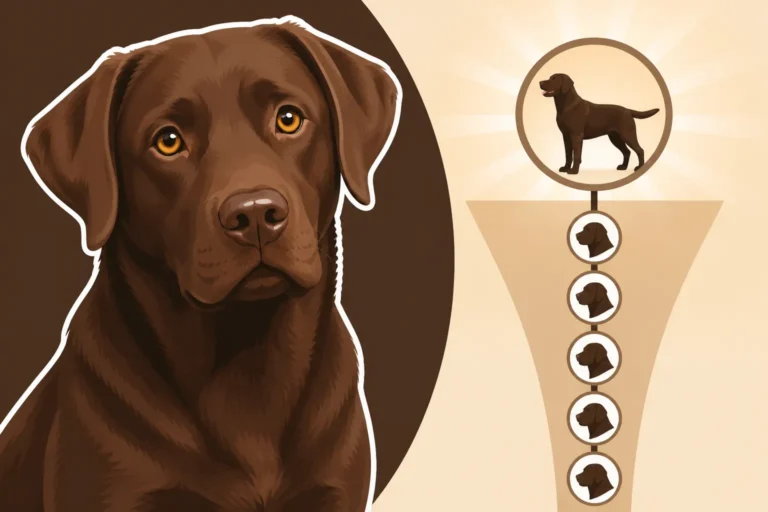
It’s easy to look at our beloved Labradors today and think they’ve always been the gentle, eager-to-please, retrieving machines we know. But the truth is, the Labrador Retriever, as we understand it, didn't just appear fully formed; it was meticulously crafted and refined over generations, largely by a handful of dedicated aristocrats on their sprawling British estates. This guide will explore the fascinating history of these visionary individuals and the specific roles their estates played in shaping the Labrador into the incredible breed it is today.
The Genesis: From Working Dog to Noble Companion
Before the Labrador Retriever became a defined breed, its ancestors were humble working dogs, integral to the lives of fishermen on the distant shores of Newfoundland. These dogs, known as St. John's Water Dogs, were hardy, intelligent, and supremely adapted to retrieving fish and gear from icy North Atlantic waters. They weren't bred for looks or lineage in the same way modern purebreds are; their value was purely functional.
The Newfoundland Connection
Imagine the rugged coastlines of Newfoundland in the 17th and 18th centuries. Here, a unique type of dog thrived alongside the fishing communities. These were the St. John's Water Dogs – medium-sized canines with thick, water-resistant coats, webbed feet, and an undeniable passion for water. They were invaluable partners, plunging into the frigid sea to retrieve nets, lost fish, and lines that had drifted away. Their soft mouths meant they could carry items without damage, a trait that would become a hallmark of their descendants. They weren't a specific breed as we define it today, but rather a landrace, adapted to their environment and tasks. If you're curious about their origins, you can delve deeper into The St. John's Water Dog Behind the Labrador.
Early Arrivals in England
As fishing fleets traversed the Atlantic, returning to ports in places like Poole in Dorset, England, some of these remarkable St. John's dogs made the journey with them. They weren't brought over as fancy pets but as working animals, initially admired for their robust health and incredible retrieving abilities. British sportsmen, particularly those involved in waterfowl hunting, quickly recognized the potential of these dogs. The English countryside, with its vast estates and wetlands, provided the perfect environment for these dogs to showcase their talents, moving them from fishing vessels to the grander pursuits of game retrieval. It was here, away from their native shores, that their true potential as a distinct breed began to be realized. You can read more about How Labradors Reached Poole in Dorset.
The Visionaries: Key British Estates and Their Role
The transformation of the St. John's Water Dog into the Labrador Retriever was largely the work of a few prominent British noble families. These individuals, with their resources and passion for hunting and dogs, undertook the earliest forms of selective breeding, laying the foundation for the breed we recognize today.
The Earl of Malmesbury's Influence
Perhaps no single family is as synonymous with the early development of the Labrador Retriever as the Earls of Malmesbury. The 2nd Earl of Malmesbury, who lived from 1778 to 1841, was deeply impressed by the retrieving prowess of the "Newfoundland dogs" he saw at Poole. He began importing them directly from Newfoundland to his estate in Heron Court, Hampshire. It was his son, the 3rd Earl of Malmesbury, who took up the mantle with even greater dedication. He explicitly referred to his dogs as "Labrador Dogs" in letters, a name that eventually stuck, even though the dogs came from Newfoundland.
The Malmesbury estate became a crucial breeding ground. The Earls weren't just collecting dogs; they were selectively breeding them for specific traits that would enhance their abilities as gundogs. They focused on refining the retrieving instinct, ensuring the soft mouth, and developing the loyal, biddable temperament that would make the Labrador so successful. Their efforts were systematic and instrumental in establishing a consistent type. For more fascinating details, check out The Earl of Malmesbury and Early Labradors.
The Buccleuch Kennels
While the Malmesbury family initiated much of the early work, the Duke of Buccleuch's kennels played an equally vital role, particularly in ensuring the breed's survival and continuity. The 5th Duke of Buccleuch and his brother, Lord John Scott, also recognized the exceptional qualities of these Newfoundland dogs and began importing them to their Scottish estate around the same time as the Malmesburys. They too referred to them as "Labrador dogs."
The true significance of the Buccleuch line became apparent in the 1880s. Due to a combination of factors, including strict quarantines for imported animals and punitive dog taxes in Newfoundland, the supply of St. John's Water Dogs dwindled significantly. The Malmesbury line, though strong, faced challenges. It was then that the 6th Duke of Buccleuch and the 12th Earl of Home, realizing the dwindling numbers, sent some of their direct descendants of the original imported dogs to the 3rd Earl of Malmesbury. This critical exchange effectively merged and strengthened the existing lines, preventing the breed from becoming extinct and ensuring a robust genetic pool for future development. This collaboration cemented the early Labrador's genetic foundation. Learn more about The Duke of Buccleuch's Labrador Kennel.
Other Influential Estates and Individuals
While Malmesbury and Buccleuch are often highlighted, other individuals and estates also contributed significantly to the Labrador's early development. The Earl of Home was a key figure, maintaining his own line and playing a pivotal role in the genetic exchange with the Buccleuch kennels. Additionally, other landowners and sportsmen, inspired by these early pioneers, began to breed their own "Labrador dogs," further solidifying the desirable traits and expanding the breed's reach. Their collective efforts, driven by a shared appreciation for the dog's working capabilities, ensured that a strong, consistent type was developed and maintained across various British estates. These early breeders understood the importance of selecting for temperament as much as ability, knowing a truly great gundog needed both.
Defining the Breed: Early Standards and Traits
The efforts of these British estates weren't just about breeding dogs; they were about defining a type. Through careful selection, they ingrained specific characteristics that became the hallmarks of the Labrador Retriever, traits that persist to this day.
Selecting for Purpose
The driving force behind the breeding programs at estates like Malmesbury and Buccleuch was performance. These dogs were needed for serious gundog work, particularly retrieving shot game from land and water. This meant selecting for a range of functional traits:
- Retrieving Drive: An insatiable desire to find and bring back game was paramount. Dogs that showed hesitation or a lack of enthusiasm for retrieving were not part of the breeding program.
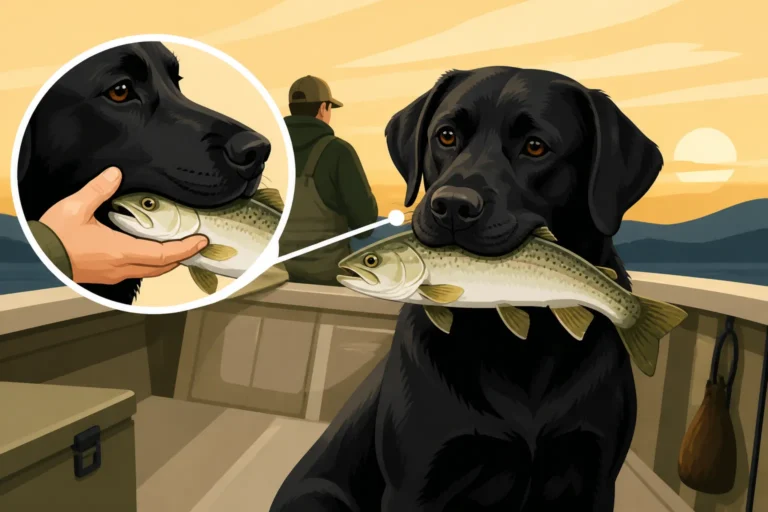
- Soft Mouth: This was critical. A gundog must retrieve game without damaging it. The ability to carry a bird gently was a non-negotiable trait, distinguishing them from dogs that might crunch or mangle their retrieves. This unique skill is why Why Labradors Have Soft Mouths is such an interesting topic.
- Water Affinity: Given their St. John's Water Dog ancestry, a love for water was inherent. Breeders further refined this, selecting dogs that were keen to plunge into lakes and rivers, even in cold weather, to retrieve game. Their dense, water-resistant double coats were also highly valued.
- Biddability and Temperament: A dog that could work closely with a handler, respond to commands, and remain calm under pressure was essential. The Labrador's now-famous eagerness to please was a trait carefully fostered from these early days. This focus on a stable and trainable temperament is a cornerstone of Labrador Temperament and Personality.
- Resilience and Stamina: Working long hours in varied weather conditions required a robust constitution. These dogs needed to be physically tough, with good stamina, able to traverse difficult terrain without faltering.
These selection criteria, honed over generations on these estates, resulted in a dog perfectly suited for its role.
Formal Recognition and Standardization
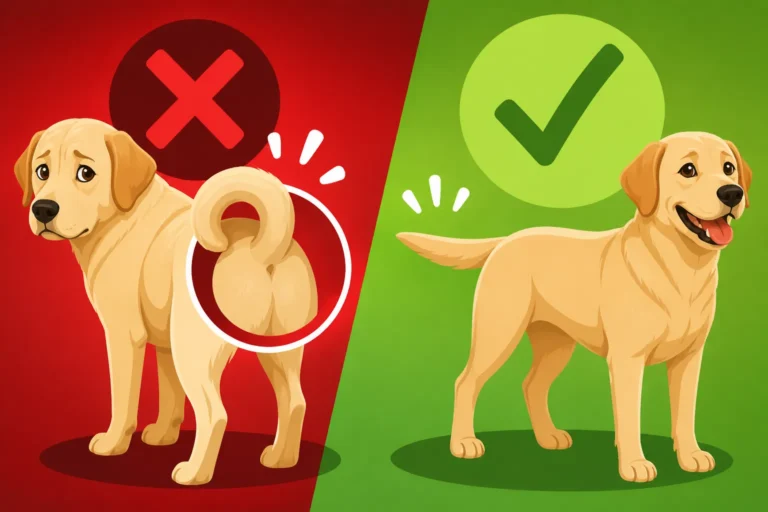
As the "Labrador Dogs" gained popularity and their type became more consistent, the need for formal recognition grew. In 1903, the Kennel Club in England officially recognized the Labrador Retriever as a distinct breed. This was a monumental step, marking the culmination of decades of careful breeding by the British estates. The early breed standard, while evolving over time, largely reflected the characteristics cultivated by these pioneers: a strong, active dog, broad in skull, with a powerful otter tail and the distinctive double coat.
The work done on these estates provided the genetic blueprint and established the foundational characteristics that enabled this formal recognition. Without their dedication, the Labrador might never have emerged as a distinct and celebrated breed. You can read more about When the Labrador Breed Was Formalized.
Here’s a look at the foundational contributions of the two most prominent estates:
| Estate & Key Figures | Primary Contribution | Focus Areas | Lasting Impact |
|---|---|---|---|
| Heron Court (Malmesbury) | Initial importation and naming of "Labrador Dogs." | Refining retrieving instincts, soft mouth, consistent temperament. | Established the breed's name and foundational characteristics in England. |
| Buccleuch Kennels | Preservation of core lines; critical genetic exchange with Malmesbury. | Maintaining working ability, genetic diversity, robust physical type. | Ensured the breed's survival and robust health for future generations. |
The Legacy: Why These Foundations Matter Today
The legacy of these British estates continues to resonate in every Labrador Retriever we encounter today. Their meticulous breeding choices didn't just create a gundog; they crafted a companion beloved worldwide.
Enduring Traits
When you see a Labrador eagerly plunging into a pond, gently carrying a toy, or looking up at you with those intelligent, devoted eyes, you're witnessing the direct result of generations of selective breeding on those British estates. The enthusiasm for retrieving, the famously "soft mouth," the boundless energy, and the desire to please are all deeply ingrained traits that were carefully cultivated by these early breeders. These characteristics aren't accidental; they are the intentional outcome of a vision to create the ultimate gundog, which inadvertently created one of the world's most versatile and beloved family dogs. Even if your Labrador isn't out retrieving ducks, its fundamental nature still reflects What Labradors Were Bred to Do.
Understanding Lineage for Modern Owners
Understanding this historical foundation can offer valuable insights for modern Labrador owners. It helps explain the differences we sometimes see between "English" (show line) and "American" (field line) Labradors today. While both descend from those original estate dogs, different breeding priorities emerged over time. Show lines often emphasize conformity to the breed standard in appearance, while field lines prioritize intense working ability and athleticism. But both share that fundamental Labrador DNA, rooted in the purposeful breeding of the past. When you buy from a reputable breeder, they are continuing a lineage that stretches back to these very estates. You might even find them talking about the importance of health clearances or the dog's drive, topics vital since the breed's inception. For instance, reputable breeders will share Health Clearances a Labrador Breeder Must Show.
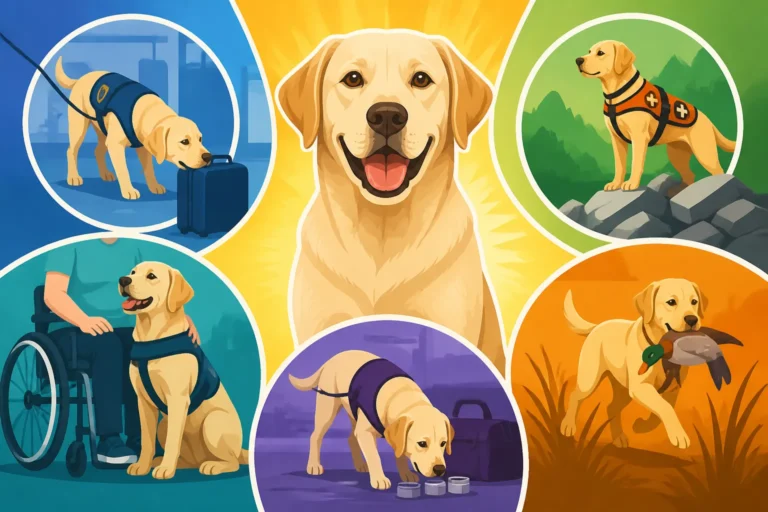
Moreover, knowing this history allows us to better appreciate the breed's needs. A Labrador isn't content to simply sit on the couch; its heritage screams for purpose, for activity, for the joy of carrying something in its mouth. Whether it's daily walks, games of fetch, or even advanced scent work, providing outlets for these inherent drives is crucial for a happy, well-adjusted Labrador. Today, it’s easier than ever to find appropriate training tools, durable toys, and high-quality food (like those available from Chewy) that cater to a Labrador's active lifestyle, honoring their deep-seated instincts. Understanding their history helps us understand why they pull on the leash or counter-surf – their drive to retrieve and their food obsession are ancient traits. Even simple, everyday items from Chewy can help channel these powerful instincts into positive behaviors.
The careful stewardship of these British estates, particularly the Malmesbury and Buccleuch families, transformed a resilient working dog into an internationally recognized and adored breed. Their legacy is evident in every wagging tail and eager retrieve of a Labrador today.
Disclaimer
This article is for general informational purposes only and does not constitute professional advice. Laws, prices and regulations vary by location and change over time. Consult a qualified professional for guidance on your specific situation.